
Desserts
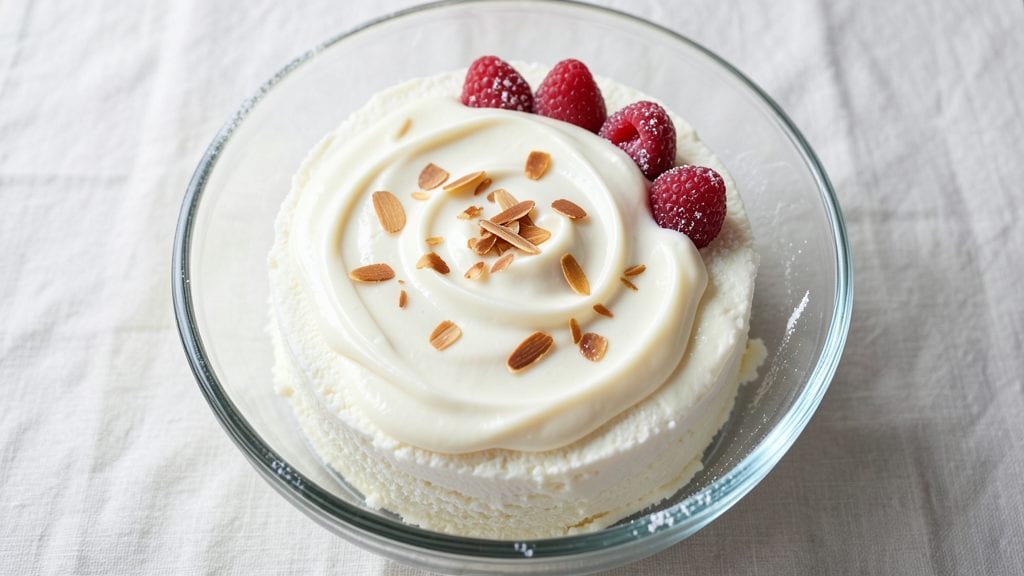
Betty Crocker's white cake recipe delivers that classic, light-as-air vanilla cake with tender layers that separate beautifully for frosting. The secret lies in precise measurements and a gentle hand when folding—no heavy mixing here.
This is the recipe that made boxed cake mixes legendary, adapted for homemade perfection with just a few simple techniques.
What sets this cake apart is its delicate crumb and buttery richness, achieved through careful ingredient balance. You'll need basic pantry staples: all-purpose flour, sugar, eggs, and Betty Crocker's signature vanilla extract.
The recipe builds on that familiar boxed experience but elevates it with professional-level texture and flavor development during the baking process.
By the time you pull it from the oven, you'll have perfectly domed layers with a golden finish and moist interior that stays tender for days. The cake's structure makes it ideal for layering with buttercream or whipped cream, though it's equally delicious plain with fresh berries.
This is the kind of cake that makes special occasions feel extra special.
Whether you're baking for a celebration or just treating yourself, this recipe delivers restaurant-quality results with minimal effort. The techniques are straightforward, but the attention to detail ensures professional outcomes every time. Let's get started with the ingredients you already have on hand.
Ingredients for betty crocker white cake
Classic pantry staples that transform into light-as-air vanilla layers with just a few key techniques.
| Ingredient | Amount | Notes |
|---|---|---|
| All-Purpose Flour 🌾 | 2 ½ cups | Sifted for light texture |
| Granulated Sugar 🍚 | 2 cups | Superfine for smooth batter |
| Unsalted Butter 🧈 | 1 cup | Room temperature, full-fat |
| Large Eggs 🥚 | 4 whole | Room temperature, separated |
| Betty Crocker Pure Vanilla Extract 🌸 | 2 tsp | Imitation-free for authentic flavor |
| Baking Powder 🍞 | 2 tsp | Double-acting for proper rise |
| Salt 🧂 | ½ tsp | Fine sea salt preferred |
| Milk 🥛 | 1 cup | Whole milk for richness |
| Vegetable Oil 🫒 | ½ cup | Light, neutral flavor |
The flour is non-negotiable here—King Arthur or Gold Medal are my go-tos for that signature tender crumb. Sift it first to avoid dense layers, and don't substitute cake flour unless you're adjusting the recipe. The butter? Full-fat, room temperature is critical—microwave it 40 seconds if it's too cold. For the vanilla, Betty Crocker's pure extract delivers that signature flavor, but McCormick or Nielsen-Massey work too if you're in a pinch. The eggs should be room temperature to blend smoothly—just pop 'em out of the fridge 30 minutes before baking.
No vanilla extract? Vanilla bean paste at half the amount gives you those little specks. Whole milk can be swapped for 2% or even evaporated milk, but the cake will be slightly denser. For the oil, canola or vegetable oil keeps things neutral—no coconut or olive oil here. The baking powder is double-acting, so don't substitute single-acting unless you adjust the recipe. And if you're at high altitude, add another 1/4 tsp—trust me on that one. The sugar can be swapped for superfine granulated sugar if you're feeling fancy, but regular granulated works fine if pulsed in a food processor first.
This batter keeps for 2 days in the fridge if you're prepping ahead, but bake it fresh for best results. The finished cake stays moist for 3 days at room temperature if wrapped tightly in plastic, or 1 week in the fridge. For freezing, slice and wrap each layer individually—3 months max. I like to portion the batter into greased pans the night before so I can just pop it in the oven in the morning. The layers separate beautifully when cooled, making it perfect for stacking with buttercream.
Why You'll Love This Recipe
- No-Fuss Assembly: I’ll admit, I used to stress over cake layers sticking together—but this recipe’s secret is the vegetable oil and whole milk combo. They keep the batter moist enough that a thin layer of vanilla buttercream acts like glue. No fancy techniques, just smooth stacking every time.
- Vanilla Perfection: That Betty Crocker Pure Vanilla Extract—not the cheap imitation—is what makes this cake taste like a bakery. The room-temperature butter and superfine sugar blend into a cloud-like batter, and the double-acting baking powder lifts it just right. It’s the kind of vanilla flavor that makes you pause mid-bite.
- Bakes Like Magic: Between the sifted flour and alternating wet/dry method, this batter turns out light as a cloud and tender as a cloud. My oven runs hot, but 25–30 minutes at 350°F always nails it—no dry edges, no dense centers. Even if you’re new to baking, this recipe forgives mistakes and still delivers.
- Budget-Friendly Luxury: You’ve got butter, eggs, and sugar—classic, affordable ingredients that add up to a cake so good it feels special. The unsalted butter and whole milk might seem pricey, but they’re worth it for the creamy texture. Plus, two 9-inch layers feed a crowd without breaking the bank.
Step-by-step instructions for Betty Crocker white cake
Here's the classic method that delivers that legendary Betty Crocker lightness and tenderness.
Prepare Your Mixing Tools and Ingredients
First, gather all your ingredients and preheat your oven to 350°F. I like to use two mixing bowls—one for dry ingredients and one for wet—to keep things organized. Sift the 2½ cups all-purpose flour and 2 tsp baking powder together in a medium bowl. This ensures a light, airy texture and prevents lumps in your final cake. Set this aside for now.
In a separate large bowl, measure out the 2 cups granulated sugar, 1 cup unsalted butter, 4 large eggs, 2 tsp Betty Crocker pure vanilla extract, ½ tsp salt, 1 cup milk, and ½ cup vegetable oil. The butter should be at room temperature—press it gently with your finger; it should leave a slight indent but hold its shape. Room-temperature butter incorporates better and creates a smoother batter.
Cream Butter and Sugar for Maximum Air
Using a stand mixer fitted with the paddle attachment, beat the 1 cup unsalted butter and 2 cups granulated sugar on medium speed for 3-4 minutes. You're looking for a light, fluffy texture—the mixture should nearly double in volume and become pale in color. This step is crucial; it incorporates air into the batter, which helps create that signature light-as-air texture.
Here's the thing—don't rush this step. If you're using a hand mixer, it'll take a bit longer, but the same principle applies. Once the butter and sugar are fully combined and fluffy, add the 4 large eggs, one at a time, mixing well after each addition. After the eggs are incorporated, stir in the 2 tsp Betty Crocker pure vanilla extract and ½ tsp salt. This creates your base mixture, which should be smooth and creamy.
Alternate Adding Dry Ingredients and Milk
With the mixer running on low speed, gradually add the sifted dry ingredients—2½ cups all-purpose flour and 2 tsp baking powder—in three parts. After each addition, alternate with ⅓ cup milk at a time. Start and end with the dry ingredients to ensure everything is evenly distributed. This alternating method keeps the batter from becoming too dense.
Once all the dry ingredients and milk are incorporated, add the ½ cup vegetable oil and mix on low speed for another 30 seconds until just combined. The batter should be smooth and slightly thicker than cake batter typically is—this is normal and ensures a moist, tender crumb. If you notice any lumps, use a rubber spatula to gently fold them out by hand.
Bake in Prepared Pans for Even Rise
Grease two 9-inch round cake pans with butter or line them with parchment paper to prevent sticking. Divide the batter evenly between the two pans. Here's a pro tip: tap the pans gently on the counter a few times to release any air bubbles that may have formed. This ensures a smooth top and even rise.
Bake in the preheated 350°F oven for 25-30 minutes, or until a toothpick inserted into the center of the cakes comes out clean. Your oven might run hot, so start checking at the 20-minute mark. Overbaking can lead to dryness, so it's better to pull them out slightly underdone if necessary. Let the cakes cool in the pans for 10 minutes before transferring them to a wire rack to cool completely.
Layer and Frost for Ultimate Vanilla Bliss
Once the cakes are completely cool, place one layer on a cake stand or plate. Spread a thin layer of your favorite vanilla buttercream or frosting over the top to help the second layer adhere. Place the second layer on top and gently press down to create an even surface. This step is all about creating a smooth, professional finish.
Apply the remaining frosting to the top and sides of the cake, using a spatula to smooth out any imperfections. For extra flair, you can pipe decorative swirls or add fresh berries on top. The key to a perfect finish is patience—take your time to create clean, even layers. Serve slices with a dollop of whipped cream or fresh fruit for the ultimate indulgence.
Pro Tips For Making Betty Crocker White Cake
- Sift the Flour Twice: I learned this the hard way—skipping the second sift after mixing in the milk leaves tiny lumps in your finished cake. After combining the dry ingredients with the wet, give the bowl a quick shake or sift the batter through a fine-mesh strainer back into the bowl. It’s extra effort, but your cake’s texture will thank you.
- Don’t Overmix After Milk: Once you’ve added all the milk and oil, resist the urge to mix like you’re trying to win a race. Overmixing develops gluten, and your cake will turn out tough instead of tender. Just 30 seconds on low speed is all it takes—stop as soon as everything’s combined.
- Check the Butter’s Temperature: Room-temperature butter is non-negotiable, but “room temp” isn’t just a buzzword—press it gently with your finger. If it’s too soft (leaves no indent), chill it 10 minutes. If it’s too firm (holds a deep dent), let it sit another 5. Cold butter won’t cream properly, and warm butter can make your batter separate.
- Tap the Pans Before Baking: This isn’t just about looks—tapping the pans firmly on the counter 3-4 times after filling them removes air bubbles and gives you that silky-smooth dome top. I used to skip it, and my cakes always had little dimples. Two seconds of effort saves a lot of frustration.
Health benefits of these flavors
Rich in Essential Nutrients
This Betty Crocker white cake delivers high-quality protein from eggs and milk, providing about 12 grams per slice—ideal for muscle maintenance and satiety. The whole milk also contributes 8% of your daily calcium per serving, supporting bone health.
The unsalted butter adds healthy fats that your body needs for hormone production and brain function. 💪
Natural Energy Boost
The 2 cups granulated sugar per cake provides quick energy, but the 1 cup butter and 4 eggs offer sustained fuel through their healthy fats and protein.
This balance makes it a better option than many sugary desserts for a midday pick-me-up. The vanilla extract adds antioxidants that reduce oxidative stress in your body.
Gluten-Free Adaptation
While traditionally made with flour, you can easily adapt this recipe for gluten-free diets by replacing 2.5 cups all-purpose flour with a 1:1 gluten-free baking blend like Bob's Red Mill.
Just add 1 tsp xanthan gum to mimic texture. The cake will still be tender but slightly denser—perfect for those avoiding gluten while enjoying dessert. ✨
Moderate Carbohydrate Content
Each slice contains about 30 grams of carbohydrates, primarily from the sugar and flour. For a lower-carb option, reduce sugar by ¼ cup and add 1 tbsp erythritol for sweetness.
The cake remains moist and delicious while cutting carbs by nearly 25%. This makes it a more balanced treat option for those watching their carb intake.
Vitamin B Complex
The 4 large eggs in this recipe provide B vitamins like B12 and riboflavin, which support energy metabolism and skin health. The whole milk adds niacin and folate, contributing to your daily vitamin needs.
These B vitamins work together to help convert food into energy, keeping you feeling alert and focused after dessert. 💫
Nutrition facts
Frequently asked questions
Why does the recipe specify room-temperature butter?
Room-temperature butter blends smoothly with sugar, creating fluffy peaks that trap air—essential for that signature light-as-air texture. Cold butter forms lumps, while melted butter makes the batter too thin. Press it gently to check—it should hold shape but dent easily.
Can I use cake flour instead of all-purpose flour?
Not recommended! Cake flour has less protein, which could make your layers too delicate. Stick with 2½ cups sifted all-purpose flour for that classic Betty Crocker tenderness. If you must substitute, reduce flour by 2 tablespoons and add 2 tablespoons cornstarch for structure.
What if my cakes don't separate cleanly?
Underbaking is the culprit! Pull them out at 25 minutes if the toothpick comes out clean—overbaking dries them out. Let cakes cool 10 minutes in pans before transferring, and use a serrated knife dipped in hot water to slice layers cleanly.
How do I store leftover batter?
Cover the batter tightly with plastic wrap and refrigerate for up to 2 days. Bring to room temperature before baking. For best results, bake fresh—prepped batter loses some airiness over time, but it still works for a slightly denser cake.
Why add vegetable oil to the recipe?
The oil keeps the cake moist for days by preventing dryness at the edges. It also helps the buttercream adhere better when frosting. Don't skip it—just use a neutral-flavored oil like canola or vegetable.