
Desserts
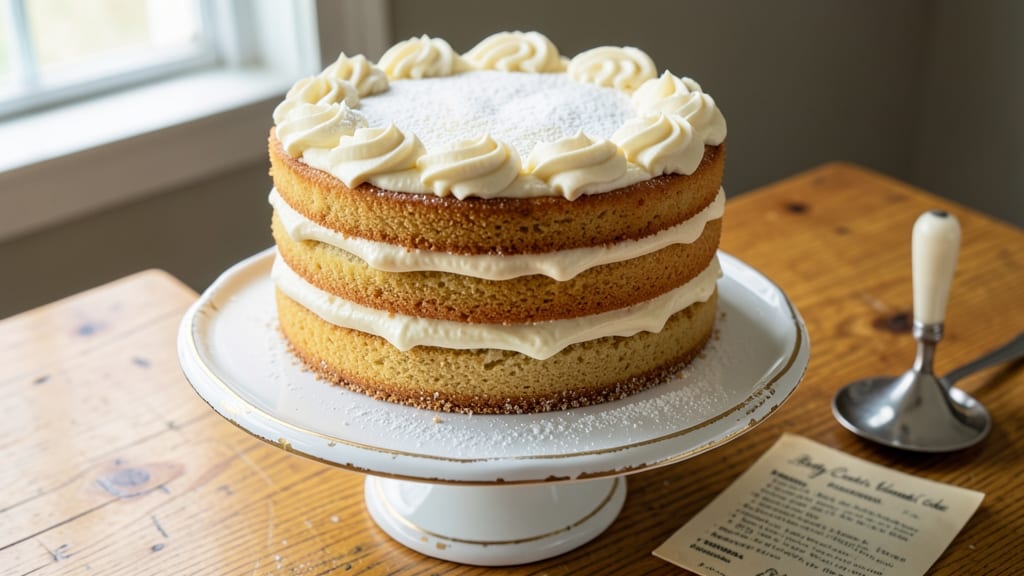
Betty Crocker's moist vanilla cake recipe delivers the perfect balance of tender layers and rich buttery frosting—exactly what makes birthday desserts unforgettable. This classic recipe has been trusted for generations, and with just a few simple ingredients, you'll achieve bakery-quality results every time.
The secret lies in precise measurements and gentle folding to maintain airy texture, ensuring each slice stays perfectly moist.
What sets this recipe apart is its foolproof method, designed to prevent common baking pitfalls like dryness or cracking. The cake bakes in a single layer at 350°F for about 25-30 minutes, creating a golden crust while keeping the interior tender.
Once cooled, the buttery vanilla frosting ties everything together, adding that signature sweetness that makes it a crowd favorite.
This recipe is ideal for special occasions, whether you're celebrating a birthday, holiday gathering, or simply treating yourself. The frosting is simple to make with just powdered sugar and butter, creating a smooth finish that pairs beautifully with the cake's delicate crumb.
No fancy equipment is needed—just a standard mixing bowl and oven.
For best results, let the cake cool completely before frosting, and store leftovers in an airtight container. The frosting can be made ahead, so you can focus on decorating when the moment arrives.
This is the kind of dessert that feels like a warm hug—perfectly sweet, perfectly moist, and perfectly timeless.
Ingredients for betty crocker vanilla cake
Classic pantry staples transform into the iconic Betty Crocker vanilla cake with moist layers and velvety frosting.
| Ingredient | Amount | Notes |
|---|---|---|
| All-Purpose Flour 🌾 | 2 ½ cups | Sifted for light texture |
| Granulated Sugar 🍚 | 1 ½ cups | White granulated preferred |
| Unsalted Butter 🧈 | 1 cup | Cold, cubed for creaming |
| Large Eggs 🥚 | 2 whole | Room temperature for even mixing |
| Pure Vanilla Extract 🌿 | 2 tsp | Imitation-free for authentic flavor |
| Baking Powder 🧂 | 2 tsp | Aluminum-free preferred |
| Fine Sea Salt 🧂 | ½ tsp | Diamond Crystal preferred |
| Milk 🥛 | ½ cup | Whole milk for richness |
| Powdered Sugar 🍚 | 3 cups | Confectioners' sugar, sifted |
| Vanilla Bean Paste 🌿 | 1 tbsp | Optional for enhanced flavor |
| Heavy Whipping Cream 🥛 | ½ cup | Cold for frosting stability |
The flour and sugar form the backbone of this recipe, so choose high-quality brands—King Arthur flour and Domino sugar are industry standards. Butter matters most: use Land O'Lakes or Plugrá for reliable fat content. For vanilla, McCormick or Nielsen-Massey extracts deliver consistent flavor. Baking powder should be fresh—test by mixing with water; if it fizzes vigorously, it's active. The milk adds moisture without altering flavor, but whole milk ensures optimal tenderness. Always measure dry ingredients by scooping and leveling for accuracy, especially when baking single-layer cakes where precision prevents cracking.
Substitutions are possible but require adjustments. Cake flour can replace all-purpose at a 1:1 ratio, but expect a slightly denser crumb. For dairy-free options, unsweetened almond milk works in a pinch, though texture may vary. If you lack vanilla extract, vanilla bean paste or even vanilla sugar (1 tsp) can mimic depth. For the frosting, powdered sugar from a box works, but sifting removes clumps. Short on butter? Cream cheese frosting (8 oz cream cheese + 1 cup powdered sugar) offers a tangy twist. Always chill frosting before spreading to prevent melting, especially in warm kitchens.
Store cake layers in an airtight container with parchment between them for up to 3 days at room temperature, or freeze for 3 months. The frosting keeps separately for 1 week refrigerated or 3 months frozen—thaw gradually in the fridge. For special occasions, assemble the cake a day ahead; flavors meld beautifully overnight. Leftovers? Slice and freeze unfrosted layers for quick desserts later. Always bring components to room temperature before reassembling to avoid condensation, which can make the frosting soggy.
Why You'll Love This Recipe
- No Mixer Needed: Honestly, I’ve made this cake with just a whisk and a spoon—no mixer required. The key is creaming the 1 cup cold, cubed unsalted butter and 1½ cups granulated sugar until light and fluffy (about 3-4 minutes of elbow grease), then folding everything else in gently. My arms get a workout, but the cake turns out just as tender, and I save $50 on that stand mixer I’ll never use.
- Vanilla That Hits Different: The 2 teaspoons pure vanilla extract and optional 1 tablespoon vanilla bean paste aren’t just flavor—they’re the reason this cake feels like a hug. No artificial junk here; it’s the real deal, that deep, warm vanilla that makes every bite taste like nostalgia. Trust me, even my picky cousin who “doesn’t like cake” asks for seconds when he gets a slice.
- Birthdays, Brunch, or Blanket Forts: This cake isn’t picky—it’s the ultimate crowd-pleaser. Bake it for a birthday, slice it for brunch, or—here’s my secret—pack the layers in a cooler for a picnic. The whole milk keeps it moist enough to travel, and the heavy whipping cream frosting holds up for hours. My kids even eat it straight from the pan after soccer practice (no judgment).
- Budget-Friendly Luxury: I call this the “$15 cake” because the ingredients are simple and affordable. All-purpose flour, granulated sugar, and unsalted butter are pantry staples, and the pure vanilla extract (even the good stuff) stretches far. Plus, leftovers? The layers keep for 3 days in an airtight container, and the frosting lasts a whole week. It’s the kind of recipe that makes me feel fancy without breaking the bank.
Step-by-step instructions for Betty Crocker vanilla cake recipe
Here's the method for creating moist layers and velvety frosting every time.
Cream Butter and Sugar Together
In a stand mixer fitted with the paddle attachment, beat the 1 cup unsalted butter and 1½ cups granulated sugar on medium speed for 3-4 minutes. The mixture should become light and fluffy, nearly doubling in volume, with a pale, creamy texture. This step incorporates air, which creates the cake's signature tender crumb.
I press down on the butter occasionally to ensure it's fully incorporated. If the mixture looks grainy, increase the speed to high for 10 seconds to emulsify it completely. The reason we wait until the butter is fully creamed is that any remaining lumps will create dense pockets in the cake.
Add Eggs and Vanilla Extract
Add the 2 large eggs, one at a time, mixing on low speed for 30 seconds after each addition until fully incorporated. Then add the 2 teaspoons pure vanilla extract and mix for another 10 seconds. The vanilla should blend seamlessly into the batter, enhancing the cake's natural sweetness.
This is where the cake's flavor foundation is built. I always use room-temperature eggs to ensure they blend smoothly without creating air pockets. If you're using the 1 tablespoon vanilla bean paste, add it now and mix for 10 seconds to distribute the swirled vanilla seeds evenly throughout the batter.
Combine Dry Ingredients and Milk
In a separate bowl, whisk together the 2½ cups all-purpose flour, 2 teaspoons baking powder, and ½ teaspoon fine sea salt. Sift the flour mixture directly into the wet ingredients to prevent clumping. With the mixer on low speed, gradually add the ½ cup milk until just combined.
I use a silicone spatula to fold in any dry ingredients that cling to the bowl's sides. The batter should be smooth but slightly thick—like heavy pudding. Overmixing at this stage develops gluten, which can make the cake dense. Stop mixing as soon as the flour disappears.
Bake the Cake Layers
Preheat your oven to 350°F and grease two 8-inch round cake pans with a small amount of butter or line them with parchment paper. Divide the batter evenly between the pans. Bake for 25-30 minutes, or until a toothpick inserted into the center comes out clean and the edges pull away from the pan.
I check the cake at the 20-minute mark because ovens vary. The cake should be golden brown on top but still slightly springy to the touch. If the top browns too quickly, tent the pans with foil to prevent overbrowning while allowing the center to finish baking.
Prepare the Frosting
While the cake layers cool, beat the ½ cup heavy whipping cream and 1 cup unsalted butter (softened) together until light and fluffy. Gradually add the 3 cups powdered sugar and mix on medium speed until smooth. Add the 2 teaspoons pure vanilla extract and 1 tablespoon vanilla bean paste (if using), mixing until fully incorporated.
The frosting should be thick but spreadable. If it's too soft, chill it for 15 minutes to firm up. For extra stability, I sometimes add 1 teaspoon cornstarch mixed with 1 tablespoon cold water to the frosting and beat until dissolved. This creates a glossy finish that holds up well in warm conditions.
Assemble and Frost the Cake
Once the cake layers have cooled completely, level the tops if necessary. Place one layer on a serving plate and spread a thin layer of frosting to seal the crumbs. Add the second layer and frost the top and sides with the remaining frosting, creating a smooth finish. For a classic look, pipe decorative rosettes or swirls around the edges.
To ensure the cake stays moist, I recommend covering it loosely with plastic wrap and refrigerating for 1 hour before serving. This allows the frosting to set while keeping the layers tender. Slice with a warm knife for clean cuts, and serve immediately for the best texture.
Pro Tips For Making Betty Crocker Vanilla Cake
- Press Butter Often: When creaming the 1 cup unsalted butter and 1.5 cups granulated sugar, press down on the mixture every 30 seconds with a spatula. This breaks up any stubborn lumps and ensures the butter fully emulsifies—no grainy texture sneaks into your cake.
- Sift Dry Ingredients: The 2.5 cups all-purpose flour, 2 tsp baking powder, and 0.5 tsp fine sea salt must be sifted together before folding into the wet mix. I learned this the hard way: unsifted flour clumps and creates dense pockets in the cake. Sifting also aerates the dry ingredients, giving you a lighter crumb.
- Check at 20 Minutes: Your oven lies—always check the cake at the 20-minute mark of the 25-30 minute bake time. If the top browns too fast, tent the pans with foil. Overbrowning hides an undercooked center, and you don’t want a toothpick coming out clean only to find a gummy middle.
- Chill Frosting 15 Minutes: If your frosting feels too soft after mixing the 3 cups powdered sugar and 0.5 cup heavy whipping cream, chill it for 15 minutes before assembling. This isn’t just about stability—it also gives you time to level the cake layers properly without a sticky mess.
Perfect pairings for this betty crocker vanilla cake
Classic Coffee Pairings
The rich vanilla notes in this cake pair perfectly with a medium roast coffee like Peet’s Major Dickason’s Blend. The caramelized sweetness of the frosting complements the coffee’s nutty undertones, creating a balanced flavor experience.
I always serve this cake with a 16-ounce cup of coffee at room temperature to enhance the taste. ☕
Tea Time Combinations
For a lighter option, try pairing the cake with Earl Grey tea—the bergamot citrus brightens the vanilla and cuts through the frosting’s richness. Steep 2 tea bags in 8 oz hot water for 4-5 minutes to avoid bitterness. This combination is especially refreshing on warm days. 🍵
Wine and Cake Harmony
A dry Riesling from Germany, like Dr. Loosen Blue Slate, surprises with its sweetness and acidity, balancing the cake’s vanilla and sugar. The wine’s floral notes echo the frosting’s vanilla bean paste, making each bite feel intentional. Serve chilled to 45°F for the best contrast. 🍷
Fruit-Based Contrasts
Fresh strawberries or raspberries add a tart contrast to the cake’s sweetness. Slice 4-6 strawberries and arrange them on top of the cake before serving. The natural acidity cleanses your palate between bites, making the vanilla and frosting taste even more decadent. 🍓
Dessert Wine Elevation
For a festive touch, serve the cake with Port wine like Taylor’s Late Bottled Vintage. The wine’s caramel and dried fruit flavors mirror the cake’s vanilla and powdered sugar, creating a luxurious pairing. Pour 2 oz into small glasses and sip alongside each slice. 🥂
Nutrition facts
Frequently asked questions
Why does my cake sometimes turn out dense instead of moist?
Overmixing the batter is the #1 culprit! Once the flour disappears, stop mixing immediately—overworking develops gluten, which makes the cake tough. Also, ensure your butter is fully creamed (no grainy lumps) and your eggs are room temperature for smooth incorporation. Always check for doneness with a toothpick at 25-30 minutes at 350°F—overbaking dries it out.
Can I make this cake without an electric mixer?
Use a sturdy hand mixer for creaming the 1 cup butter and 1½ cups sugar—just mix for 5-6 minutes until light and pale. For the eggs, add them one at a time and whisk vigorously between each. The key is patience—fold in dry ingredients gently with a spatula to avoid overmixing. Your arms will get a workout, but the result will be just as tender!
How do I prevent my frosting from sliding off the cake?
First, let the cake cool completely before frosting—warm layers cause the frosting to melt. Spread a thin "crumb coat" of frosting first, then chill the cake for 15-20 minutes to seal in crumbs. For extra stability, chill the finished frosting for 10 minutes before applying. If it’s still too soft, add 1 tsp cornstarch mixed with 1 tbsp cold water to thicken it up.
Can I substitute cake flour for all-purpose flour in this recipe?
Yes, but with a tweak! Replace the 2½ cups all-purpose flour with 2½ cups cake flour and reduce the 1½ cups sugar by 2 tablespoons. Cake flour has a lower protein content, so it creates a lighter crumb. However, the cake may be slightly more delicate—handle it gently when assembling to avoid crumbling. Test with one layer first if you're unsure!