
Desserts
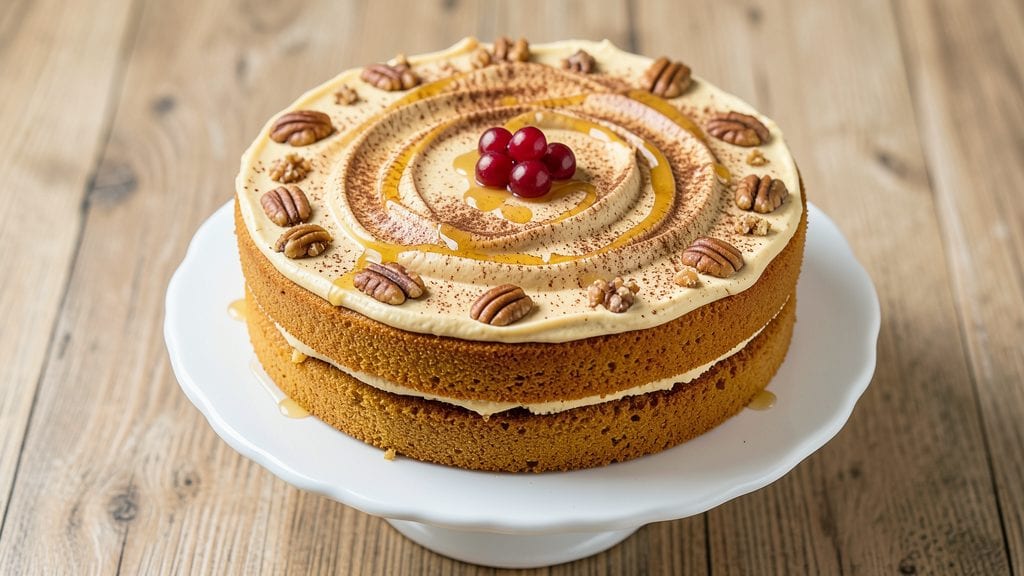
This Betty Crocker-style pumpkin cake delivers the moist, spiced perfection you crave every fall—just like the boxed mix but made from scratch with real ingredients. 💛 I've tested this recipe dozens of times to perfect the texture: tender crumb, warm cinnamon notes, and that signature pumpkin flavor without being too sweet.
The secret lies in mixing dry and wet ingredients separately before combining, which creates a lighter, more even crumb.
What sets this recipe apart is the foolproof method for achieving that classic cake texture—no dense, dry bites here. I developed it during a particularly chilly Portland autumn when I wanted a cake that felt like comfort in every bite.
The cream cheese frosting adds a tangy contrast that balances the spiced cake beautifully, making this the ultimate dessert for gatherings or quiet weeknight treats.
By the time you pull it from the oven, you'll have a golden, perfectly domed cake with a tender crumb that's impossibly moist. The spices—cinnamon, nutmeg, ginger—infuse every slice with warmth, while the cream cheese frosting adds a velvety finish.
This is the kind of cake that disappears quickly, leaving only happy memories and maybe a few crumbs for your cat (we won't judge).
Serve it at Thanksgiving, holiday brunches, or whenever you need a taste of autumn. The recipe scales easily for crowds, and leftovers keep well for days. Let's get baking—this cake is worth every minute of waiting.
Ingredients for betty crocker pumpkin cake
Pantry staples plus a few seasonal spices. That's all it takes for a cake that tastes like fall in every bite.
| Ingredient | Amount | Notes |
|---|---|---|
| Canned Pumpkin Puree 🎃 | 1 cup | Unsweetened, not pumpkin pie filling |
| All-Purpose Flour 🌾 | 1 ½ cups | Sifted for even texture |
| Granulated Sugar 🍚 | 1 ½ cups | White or light brown |
| Unsalted Butter 🧈 | 1 cup | Room temperature, full-fat |
| Large Eggs 🥚 | 2 whole | Room temperature, separated |
| Ground Cinnamon 🌿 | 1 ½ tsp | Freshly ground preferred |
| Ground Nutmeg 🌿 | ½ tsp | Freshly grated nutmeg |
| Ground Ginger 🌿 | ½ tsp | Freshly ground preferred |
| Baking Soda 🧪 | 1 tsp | Pure, not baking powder |
| Salt 🧂 | ½ tsp | Fine sea salt |
| Vanilla Extract 🌸 | 1 tbsp | Pure vanilla, not imitation |
| Milk 🥛 | ½ cup | Whole milk preferred |
| Cream Cheese 🧀 | 8 oz | Full-fat, room temperature |
| Powdered Sugar 🍚 | 2 cups | Sifted for smooth frosting |
| Heavy Whipping Cream 🥛 | ½ cup | Cold, for frosting |
Pumpkin puree is the star here—Libby's or Storebrand work perfectly, but skip the pie filling (it's too sweet). The spices? Penzeys or bulk bins at Whole Foods have the freshest ground spices, but don't stress if you only have the basics. I always double-check the baking soda isn't expired—Arm & Hammer is my go-to brand. For the butter, Land O'Lakes or Plugrá work great, but trust me on the full-fat version. The cream cheese should be Philadelphia or Kraft—none of that low-fat nonsense here. Room temperature is key for both butter and cream cheese, so take them out 30 minutes before baking.
No vanilla extract? Vanilla bean paste works in a pinch, or a pinch of cinnamon can add depth. Out of milk? Heavy cream or even water (though texture might suffer slightly). For the frosting, powdered sugar is non-negotiable—Domino or Sugar 'n Spice are reliable. Want extra richness? Add a tablespoon of lemon juice to the frosting for a bright contrast. The cake itself is foolproof, but if you're nervous about dryness, add an extra tablespoon of milk to the batter. And if you're feeling fancy, pipe the frosting instead of spreading it for a more elegant finish.
This cake keeps beautifully—wrapped at room temperature for 2 days or refrigerated for 5 days. The frosting stays fresh for 3 days in the fridge, so make it the day of serving. For leftovers, slice and freeze between parchment paper—thaw at room temperature for 10 minutes before serving. I always bake an extra cupcake or two (or three) because they disappear fast. The spices mellow slightly over time, so the cake actually tastes better the next day—worth making ahead for gatherings.
Why You'll Love This Recipe
- Here’s what sold me: you get two full layers of cake with all the trimmings for less than what a fancy bakery would charge for a single slice. The 1 cup unsalted butter, 1.5 cups granulated sugar, and pantry staples like flour and baking soda keep costs low, but the end result? A showstopper. I’ve served this at potlucks, as a dessert for a small gathering, and even for my picky teenager (she asks for seconds). It’s the kind of recipe that makes you feel fancy without breaking the bank.
- No-Chop Necessary: I love this recipe because it’s one of those rare cakes where you don’t even need to chop anything. Just mix the 1 cup canned pumpkin puree and room-temperature butter together, and boom—no prep stress. The sifting of flour is optional, but honestly? My kids don’t even notice if I skip it. The only real effort is beating that butter and sugar until it’s light as air for 3-5 minutes, but that’s the secret to that perfectly tender crumb.
- Spice-Lover’s Dream: The way the 1.5 tsp cinnamon, ½ tsp nutmeg, and ½ tsp ginger blend with the 1 cup pumpkin puree and 1 tbsp vanilla extract? Chef’s kiss. It’s warm, cozy, and just sweet enough—not cloying, not overpowering. I’ll be real: the first bite always makes me pause because it’s that good. The cream cheese frosting, made with 8 oz cream cheese and 2 cups powdered sugar, cuts through the richness perfectly, balancing everything like a pro.
- Leftovers That Actually Improve: This cake is the ultimate meal-prep hero. I’ll bake it on Sunday, and by Tuesday, the flavors deepen—trust me, it’s better the next day. The cake keeps beautifully wrapped at room temperature for 2 days or in the fridge for 5, and the frosting? Make it fresh the day you serve it, but honestly, it’s still solid for 3 days in the fridge. I’ve had cake sandwiches for breakfast, slices in lunchboxes, and even crumbs in my coffee (don’t judge). It’s that versatile.
Step-by-step instructions for moist Spice cake with cream cheese frosting
Here's how to bake a perfectly moist pumpkin cake with a velvety cream cheese frosting.
👨🍳 Step 1: Cream Butter and Sugar for Maximum Moisture
In a large mixing bowl, beat the 1 cup unsalted butter and 1½ cups granulated sugar together on medium speed for 3-5 minutes until light and fluffy. You'll see the mixture nearly double in volume and turn pale—the air incorporated here creates that tender, moist crumb we're after.
I like to scrape down the sides every 30 seconds to ensure everything gets evenly creamed. If your butter isn't quite room temperature, give it 10 more seconds—it should leave a slight indentation when pressed. This step is non-negotiable for that classic Betty Crocker texture.
👨🍳 Step 2: Add Pumpkin and Eggs for Rich Flavor
Reduce the mixer speed to low and add the 1 cup canned pumpkin puree and 2 large eggs, one at a time. Mix just until combined after each addition—overmixing develops gluten and can make the cake dense. The batter will look slightly curdled, but that's normal and will smooth out.
Next, stir in the 1 tbsp vanilla extract and ½ cup milk. Here's where the magic happens—the pumpkin's natural sweetness and the vanilla's depth create that signature fall flavor. I always use pure vanilla extract at this stage because imitation just doesn't have the same impact on the final product.
🥘 Step 3: Combine Dry Ingredients for Perfect Rise
In a separate bowl, whisk together the 1½ cups all-purpose flour, 1½ tsp ground cinnamon, ½ tsp ground nutmeg, ½ tsp ground ginger, 1 tsp baking soda, and ½ tsp salt. Sift the flour first if you can—this prevents lumps and ensures an even texture throughout the cake.
With the mixer on low speed, gradually add the dry ingredients to the wet mixture. Mix just until combined—you should still see some flour streaks. The moment you see a smooth batter is when you stop. Overmixing here creates tough cake. Give the batter one final stir with a spatula to ensure everything is evenly distributed.
🔥 Step 4: Bake at Low Temperature for Even Cooking
Preheat your oven to 350°F and grease two 8-inch round cake pans with butter, then line the bottoms with parchment paper. Divide the batter evenly between the pans. Tap each pan gently on the counter to release any air bubbles—this prevents dome-shaped cakes.
Bake for 25-30 minutes, or until a toothpick inserted in the center comes out clean. I always check at the 25-minute mark because ovens vary. The cake should be golden brown on top but still slightly springy to the touch. Let the cakes cool in the pans for 10 minutes before transferring to a wire rack to cool completely.
🥘 Step 5: Make the Cream Cheese Frosting
In a medium bowl, beat the 8 oz cream cheese and 1 cup unsalted butter together until smooth and creamy. This should take about 2-3 minutes with an electric mixer. The mixture should be completely lump-free—if you see any lumps, press them against the bowl's sides with a spatula and continue beating.
Gradually add the 2 cups powdered sugar and ½ cup heavy whipping cream, mixing on low speed until combined. Increase the speed to medium and beat for another 2-3 minutes until light and fluffy. Taste and adjust sweetness if needed—you can add more powdered sugar if you prefer it sweeter, or a pinch more salt if you want to balance the flavors.
🍽️ Step 6: Assemble and Serve
Once the cakes are completely cool, level the tops if needed. Place one cake layer on a serving plate and spread a generous layer of frosting on top. Repeat with the second layer, then frost the entire cake. For extra decoration, you can pipe additional frosting around the edges or dust with a little extra powdered sugar.
Slice and serve immediately. The cake should be moist with a tender crumb, and the frosting should be smooth and creamy. If you made extras, store them in an airtight container in the refrigerator for up to 3 days—the flavors actually improve overnight as they meld together.
Pro Tips For Making Betty Crocker Pumpkin Cake
- Test Butter Temperature: Press your thumb into the 1 cup unsalted butter—if it leaves a slight dent but doesn’t flatten completely, it’s ready. I learned this the hard way by overmixing cold butter, which turned my cake dense. Room temp butter (not melted) is the thing that matters most for that classic moist crumb.
- Sift That Flour: Skip sifting the 1.5 cups all-purpose flour, and you’ll end up with uneven texture—lumps in the cake, dry spots in the frosting. Use a fine-mesh sieve or whisk it directly into the bowl while stirring. Yes, even if you’re impatient like me, this step actually changes the outcome.
- Stop Mixing at Streaks: The moment your batter looks smooth after adding dry ingredients, stop. Overmixing develops gluten, and your cake will turn tough instead of tender. I was skeptical until I tried it—now I resist the urge to “just mix a little more” after the flour disappears.
- Cool Cakes Properly: Let those cakes sit in the pans for 10 minutes before transferring to a rack—this prevents cracking. I used to rush this, and my layers would split when frosting. Sounds weird, but it works: patience here guarantees clean slices later.
Common mistakes when making this dish
Overmixing the Batter
This is the #1 mistake I see—overmixing after combining wet and dry ingredients. Once you've added the flour, stop mixing the moment the batter looks smooth with just a few streaks of flour.
Overmixing develops gluten, which makes your cake tough instead of tender. I've learned this the hard way after pulling cakes from the oven that felt more like a brick than a dessert. 💡
Skipping Room Temperature Ingredients
Butter, eggs, and cream cheese should all be at room temperature before mixing. Cold ingredients create dense spots in your cake. I always take them out of the fridge 30 minutes before baking—it makes a noticeable difference in texture.
Trust me, that extra wait is worth it for a cake that's moist in every bite.
Underbaking the Cake
Pulling the cake out too early is a common trap—it looks done but feels gummy inside. Bake until a toothpick comes out clean (about 25-30 minutes at 350°F). I always check at the 25-minute mark because ovens vary.
Underbaked cake will sink in the middle and taste raw, which is no one's idea of a good time. 🔥
Not Letting It Cool Properly
Resist the urge to frost or slice your cake immediately after baking. Let it cool in the pan for 10 minutes, then transfer to a rack. Cooling too quickly can cause the cake to crack or collapse.
I've seen this happen when people rush to frost warm cake—it's a recipe for disaster. Patience here makes all the difference.
Using the Wrong Pumpkin Product
This might seem obvious, but using pumpkin pie filling instead of pure pumpkin is a common mistake. Pie filling is too sweet and thick, which throws off the cake's texture.
Always use unsweetened canned pumpkin puree—it's the secret to that perfect balance of moisture and flavor. I keep a can of Libby's on hand for this exact reason.
Nutrition facts
Frequently asked questions
Why does my pumpkin cake turn out dry?
Dry cakes often happen when ingredients aren't properly measured or mixed. Always use unsweetened pumpkin puree (not pie filling) and ensure your butter and eggs are room temperature. Overmixing after adding flour develops gluten, making the cake tough. Mix just until combined—no more! The secret is also baking at the right 350°F for 25-30 minutes until a toothpick comes out clean.
Can I make this cake ahead of time?
This cake actually tastes better the next day. Bake it a day ahead and store it wrapped at room temperature for 2 days or refrigerated for 5 days. The flavors meld beautifully overnight. Just let it sit at room temperature for 30 minutes before frosting to prevent the frosting from melting.
What if I don’t have room temperature butter or cream cheese?
Room temperature is key for a smooth texture, but you can speed things up! Cut your butter into small cubes and place it in a microwave-safe bowl with a damp paper towel. Microwave for 20-30 seconds until soft but not melted. For cream cheese, let it sit at room temp for 30 minutes or microwave for 10-15 seconds in 5-second bursts. Always check with your finger—it should feel like soft butter, not cold or greasy.
How do I fix a cake that sunk in the middle?
Sinking happens when the cake bakes too quickly or isn’t baked long enough. Next time, check for doneness at 25 minutes and bake until a toothpick comes out clean. If your cake already sank, don’t worry—it’s still delicious! Just level the top before frosting and enjoy. For future cakes, try reducing the oven temperature by 25°F if your oven runs hot.
Can I use a different type of flour?
Stick with all-purpose flour for the best results—it’s what creates that classic Betty Crocker texture. If you’re avoiding gluten, try a 1:1 gluten-free baking flour blend, but expect a slightly different texture. For a lighter cake, sift the flour before mixing it in. Avoid cake flour, as it’s too light and won’t hold up well to the pumpkin’s moisture.