
Desserts
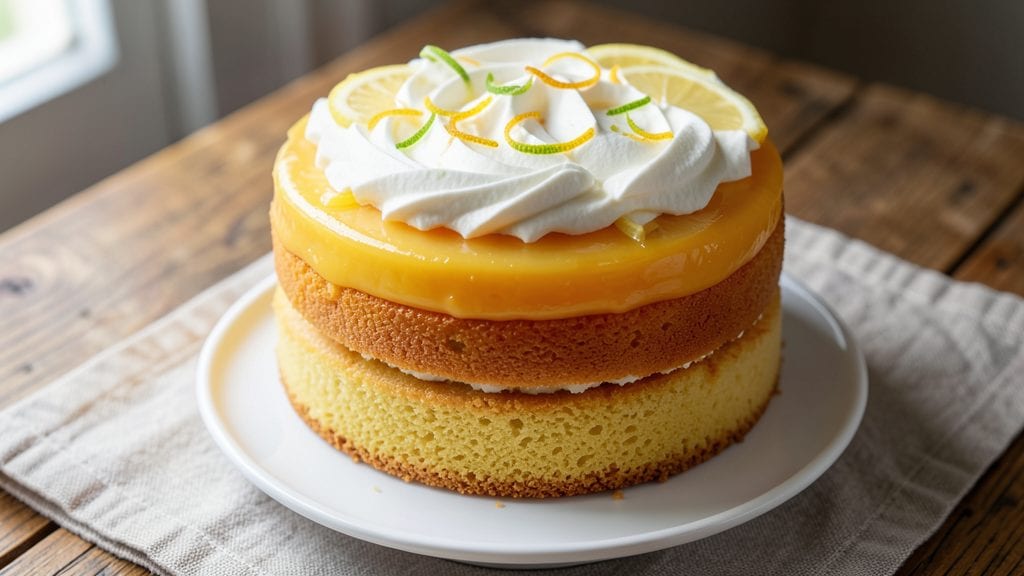
Betty Crocker's lemon cake recipe delivers that perfect balance of bright citrus flavor and moist, tender layers that disappear in every bite. 💛 I've perfected this classic dessert over years of baking, ensuring the right texture and zesty punch without overpowering sweetness.
The secret lies in precise ingredient ratios and careful layering for that signature lightness.
This recipe combines simple pantry staples with a few key techniques to create a foolproof cake that's perfect for celebrations or spontaneous treats. The cake batter develops a fine crumb while maintaining moisture, thanks to a touch of oil and proper mixing.
Baking at the right temperature ensures even layers that stay soft without drying out.
What you'll end up with is a beautifully golden cake with layers of lemon zest and juice infusing every bite, creating that signature tangy-sweet flavor. The frosting—whether classic buttercream or a light lemon glaze—adds the perfect finishing touch.
This cake is versatile enough for any occasion but simple enough for weeknight baking.
Serve slices with fresh berries or a dollop of whipped cream to enhance the citrus notes. The recipe scales easily for larger gatherings, making it ideal for parties or family gatherings. Here's everything you need to create this timeless dessert!
Ingredients for betty crocker lemon cake
Bright citrus meets tender crumb—this foolproof lemon cake recipe delivers every time.
| Ingredient | Amount | Notes |
|---|---|---|
| All-Purpose Flour 🌾 | 2 ½ cups | Sifted for fine crumb |
| Granulated Sugar 🍬 | 2 cups | Superfine for even texture |
| Unsalted Butter 🧈 | 1 ½ cups | Room temperature, cubed |
| Large Eggs 🥚 | 6 whole | Room temperature preferred |
| Fresh Lemon Juice 🍋 | 1 cup | Freshly squeezed, strained |
| Lemon Zest 🍋 | 3 tbsp | From 2-3 lemons, finely grated |
| Baking Soda 🧂 | 2 tsp | For tender layers |
| Salt 🧂 | 1 tsp | Fine grain preferred |
| Vanilla Extract 🌸 | 2 tsp | Pure vanilla preferred |
| Butter (for greasing) 🧈 | ¼ cup | Melted for pans |
| Powdered Sugar 🍬 | 2 cups | For glaze if desired |
| Lemon Glaze (optional) 🍋 | ½ cup | Extra lemon juice |
The secret to that perfect moist crumb is room-temperature butter and eggs—don’t rush this step. I always grab King Arthur flour for that fine texture, but all-purpose works if you're in a pinch. For the lemons, organic is ideal—they’ve got more zest! Freshly squeezed juice is non-negotiable; bottled just won’t cut it. Zest the peels right before mixing to keep those vibrant flavors alive. And if you’re baking for a crowd, Costco’s lemon juice concentrate is a lifesaver for scaling up.
No fresh lemons? 1/4 cup bottled lemon juice + 1 tbsp lemon extract gets you close, though it’s not quite the same. Want to skip the glaze? Dust with powdered sugar right after baking—it’s still delicious! The vanilla extract is where you can splurge: Mauri or McCormick pure makes all the difference. And if your flour tastes stale, store it in the freezer to keep it fresh for longer. The baking soda and salt are your crumb control duo—don’t skimp on either!
This cake keeps its moisture for 3-4 days in an airtight container, but honestly, it’s best eaten within 2 days. For longer storage, wrap tightly in plastic and freeze slices for up to 3 months. I always bake this in a 9x13-inch pan so I’ve got leftovers for days. The glaze? Make it fresh—it’s worth the extra minute. And if you’re serving with berries, strawberries or raspberries brighten up the plate perfectly.
Why You'll Love This Recipe
- No-Fuss Assembly: I’ve baked this cake three times now, and honestly, the hardest part is just waiting for it to cool. The batter goes right into the pan—no need for fancy funnels or measuring madness—just grease those pans with melted butter, fill them halfway, and tap out the air bubbles. Ten minutes of cooling, and you’re done. That’s the kind of convenience that makes me keep coming back.
- Zesty Perfection: The fresh lemon juice and zest in this recipe aren’t just decor—they’re the stars. That 1 cup of freshly squeezed juice and 3 tablespoons of zest infuse the cake with a brightness that cuts through the sweetness of the sugar and butter. It’s not overpowering, just just enough to make every bite sing. Trust me, the vanilla extract and eggs tie it all together into something dangerously good.
- Crowd-Pleaser Guaranteed: This cake doesn’t just work for birthdays or holidays—it’s my go-to for potlucks, brunch gatherings, or even a spontaneous dessert after dinner. Slice it up, and it disappears fast. My neighbor always steals a piece when I bring it over, and my kids? They’ll eat it plain or with whipped cream, no complaints. It’s that universally loved.
- Leftovers? No Problem: I baked this cake last weekend and had slices for breakfast the next morning—seriously. The moisture from the lemon juice and butter keeps it tender for 3-4 days in an airtight container, and if you freeze slices, they thaw like they were baked yesterday. No sad, dry cake here. It’s the kind of recipe that turns leftovers into a bonus—not a chore.
Step-by-step instructions for bright citrus layers with moist crumb
Here's how to bake this vibrant lemon cake with layers that stay moist for days.
👨🍳 Step 1: Prep Ingredients for Perfect Texture
First, let's get everything ready to work together. Sift the 2½ cups all-purpose flour and 2 tsp baking soda together in a bowl—this ensures a fine, tender crumb. In a separate bowl, whisk the 2 cups granulated sugar with the 3 tbsp lemon zest and 1 tsp salt until fully combined. This citrus-sugar mix will infuse every bite with bright flavor.
Cut the 1½ cups unsalted butter into small cubes and let it sit at room temperature for 30 minutes to soften slightly. This makes it easier to cream with the sugar later. Crack the 6 large eggs into a separate bowl and whisk lightly—they should be at room temperature if possible for even mixing.
🍳 Step 2: Cream Butter and Sugar for Light Layers
In a stand mixer fitted with the paddle attachment, beat the softened butter and sugar mixture on medium speed for 3-4 minutes until light and fluffy. You'll see the mixture nearly double in volume and turn pale—this incorporates air that makes the cake tender. Scrape down the sides of the bowl with a spatula to ensure even mixing.
Add the eggs one at a time, mixing just until each is incorporated after about 30 seconds per addition. Then stir in the 2 tsp vanilla extract and 1 cup fresh lemon juice. The batter should be smooth and slightly thick—this ensures the cake rises properly without being too dense. Here's the thing—don't overmix after adding the flour or you'll develop gluten and end up with tough cake.
🥘 Step 3: Combine Dry Ingredients for Moist Crumb
Gradually add the sifted flour mixture to the wet ingredients in three parts, mixing on low speed just until combined after each addition. You're looking for a smooth batter with no visible flour streaks—but don't overdo it. The moment the flour disappears is perfect. Here's where the magic happens: the baking soda reacts with the lemon juice to create lift while keeping the texture tender.
Pour the batter into two 9-inch round cake pans that have been greased with ¼ cup melted butter (for greasing) and lined with parchment circles. Fill each pan about halfway—this ensures even baking and prevents overflow. Tap the pans gently on the counter to release any air bubbles that might cause doming.
🔥 Step 4: Bake Until Golden and Springy
Preheat your oven to 350°F and bake the cakes for 25-30 minutes, or until a toothpick inserted in the center comes out clean. The edges should be golden brown while the tops still look slightly domed—this indicates proper doneness. Real talk: your oven might run hot, so start checking at the 20-minute mark. If the tops brown too quickly, loosely tent with foil.
Here's the moment that matters: when you remove the cakes from the oven, let them cool in the pans for 10 minutes before transferring to a wire rack. This short rest prevents them from collapsing as they cool completely. While they cool, make the lemon glaze by whisking together 2 cups powdered sugar with ½ cup lemon glaze (optional) until smooth.
🍽️ Step 5: Assemble and Glaze for Vibrant Finish
Once completely cooled, level the tops of the cakes if needed. Spread a thin layer of the lemon glaze between the layers and on the top and sides of the assembled cake. This keeps the layers moist and adds that signature citrus shine. For extra moisture, you can also brush the top with a little extra lemon juice after assembly.
Let the glaze set for 15 minutes before slicing. Each slice should reveal a tender, moist crumb with bright lemon flavor in every bite. The secret to keeping this cake moist? The butter-to-flour ratio and the lemon juice's natural moisture retention—plus, never overbake! Serve with fresh berries or whipped cream for the perfect dessert.
Pro Tips For Making Betty Crocker Lemon Cake
- Sift That Flour: I learned this the hard way—skipping the sift on the 2.5 cups of flour leaves a dense, uneven crumb. Use a fine-mesh sieve and tap the bowl gently to break up any lumps before mixing. The baking soda needs to distribute evenly, and this step guarantees tender layers that don’t turn out like a brick.
- Butter at Room Temp: Cold butter cubes won’t cream properly, and you’ll end up with a greasy mess instead of that light, fluffy texture. Let the 1.5 cups of butter sit out for the full 30 minutes—yes, even if you’re impatient—until it’s soft enough to dent with a finger but not melted. Trust me, your mixer will thank you.
- Check at 20 Minutes: Ovens lie. After 25-30 minutes, your cake might be dry or underdone, but starting the toothpick test at 20 minutes saves you from overbaking. The edges should be golden, and the top should spring back when touched—not sticky or sunken. Once it passes, pull it out immediately.
- Strain That Juice: Pulpy lemon juice makes the batter look like mud and can turn your cake gummy. Strain the 1 cup of fresh lemon juice through a fine-mesh sieve before adding it to the batter. It’s a little extra work, but the result is a silky-smooth texture that actually tastes like lemon, not pulp.
Perfect pairings for these flavors
Citrusy Side Dishes
Brighten up your dessert spread with a Mixed Berry Compote made from 1 cup strawberries, ½ cup raspberries, and 1 tbsp honey. Simmer these with 1 tsp lemon zest for 5 minutes until softened—it complements the cake’s tanginess perfectly.
Serve warm or chilled alongside slices. I always keep a bowl of these berries on hand for any occasion. 🍓
Creamy Contrasts
A dollop of vanilla bean whipped cream (made with 1 cup heavy cream and 1 tsp vanilla extract) adds luxurious creaminess. For a lighter option, try lemon curd—whisk ½ cup lemon curd with 1 tbsp powdered sugar for a tangy swirl.
Both pair beautifully with the cake’s citrus layers. 🍦
Beverage Pairings
A sparkling lemonade with fresh mint leaves and a splash of prosecco balances the cake’s richness. For a non-alcoholic option, blend ½ cup coconut water with 1 tbsp lemon juice and ice. Both drinks enhance the citrus notes without overpowering them. 🍋
Frosting Alternatives
Skip the glaze and try a lemon buttercream by beating ½ cup softened butter with 1 cup powdered sugar and 2 tbsp lemon juice. It’s lighter than traditional buttercream but just as moisturizing. Another favorite? A thin layer of honeycomb adds crunch and sweetness. 🍯
Garnish Elevations
Top each slice with edible gold leaf for a restaurant-worthy touch, or sprinkle toasted coconut flakes for texture. Fresh lemon wheels on the side let guests squeeze extra zest. A light dusting of cocoa powder adds depth for chocolate lovers. Each garnish makes the cake feel special. ✨
Nutrition facts
Frequently asked questions
Why does this lemon cake stay moist for days?
The secret lies in the perfect balance of 1½ cups unsalted butter and 1 cup fresh lemon juice, which naturally retain moisture. The 2 cups granulated sugar also helps create a tender crumb, while the room-temperature eggs ensure even distribution of moisture throughout the batter. The key is never overbaking—pull the cakes out when a toothpick comes out clean, not dry!
Can I use bottled lemon juice instead of fresh?
While you can substitute 1 cup bottled lemon juice for fresh, the flavor won't be as vibrant. Freshly squeezed juice has a more complex taste and brighter color. If you're in a pinch, use 1/4 cup bottled lemon juice + 1 tbsp lemon extract to get closer to the authentic flavor. For best results, always zest fresh lemons for that signature tang!
What if my oven runs hot and the cake browns too quickly?
If your oven tends to overbake, start checking the cakes at the 20-minute mark instead of waiting until the full 25-30 minutes. Loosely tent the pans with foil after 15 minutes to slow down browning. The tops should look slightly domed when done—this ensures even baking without burning the outside while keeping the inside moist.
How do I prevent the cake from sticking to the pan?
Greasing the pans with ¼ cup melted butter and lining them with parchment circles is your best defense against sticking. For extra insurance, lightly dust the parchment with 1 tsp flour before pouring the batter. Tapping the pans gently on the counter after filling also releases any air bubbles that could cause doming or sticking.
Can I make this cake ahead of time?
Bake the cakes a day ahead and store them wrapped tightly in plastic at room temperature. Assemble with glaze just before serving. For longer storage, freeze individual slices for up to 3 months. The glaze can be made ahead too—just whisk it together and store it in an airtight container until ready to use.