
Desserts
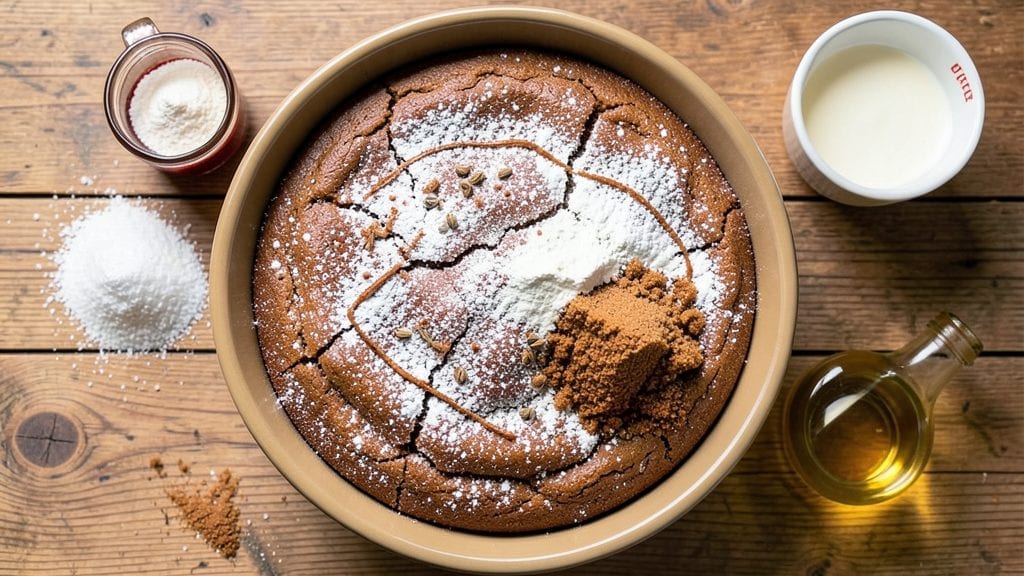
Betty Crocker's gingerbread cake delivers that spiced warmth and moist layers we crave during the holidays—without the fuss of homemade spice blends. The secret lies in balancing molasses, cinnamon, and ginger while keeping the texture tender yet sturdy enough to hold frosting.
I’ve baked this version dozens of times, and it never disappoints, whether you’re serving a crowd or treating yourself after a long day.
This recipe combines pantry staples with a few key ingredients—like brown sugar and buttermilk—to create a cake that’s rich in flavor but still light. The molasses gives it that signature deep, caramel-like sweetness, while the spices (cinnamon, nutmeg, cloves) create warmth that lingers in every bite.
A simple syrup glaze keeps the top moist, ensuring no dry crumbs ruin the experience.
What makes this cake truly special is its versatility. Serve it plain with whipped cream for a rustic touch, or frost it with cream cheese glaze for a holiday-worthy presentation. The moist layers stay fresh for days, making it perfect for meal prep or gifting.
Whether you’re a seasoned baker or just starting out, this recipe delivers professional results with minimal effort.
For an extra touch, add chopped pecans or candied ginger to the batter, or swap out the frosting for a spiced glaze. The possibilities are endless, but the foundation—this foolproof cake—is what brings it all together. Let’s get baking!
Ingredients for betty crocker gingerbread cake
Pantry staples plus a few key spices—this cake delivers that signature gingerbread warmth every time.
| Ingredient | Amount | Notes |
|---|---|---|
| All-Purpose Flour 🌾 | 3 cups | Sifted for light texture |
| Granulated Sugar 🍚 | 1 ½ cups | White sugar preferred |
| Packed Brown Sugar 🍚 | 1 cup | Light or dark molasses flavor |
| Molasses 🍯 | ½ cup | Unsulphured preferred |
| Buttermilk 🥛 | 1 cup | Full-fat for richness |
| Vegetable Oil 🫒 | ½ cup | Neutral flavor preferred |
| Large Eggs 🥚 | 2 whole | Room temperature for mixing |
| Ground Cinnamon 🌿 | 2 tsp | Freshly ground preferred |
| Ground Ginger 🌶️ | 1 ½ tsp | Freshly grated works too |
| Ground Nutmeg 🌿 | ½ tsp | Freshly grated preferred |
| Ground Cloves 🌶️ | ½ tsp | Freshly ground for intensity |
| Baking Soda 🧪 | 1 ½ tsp | Pure baking soda |
| Salt 🧂 | ½ tsp | Fine sea salt preferred |
| Vanilla Extract 🌸 | 1 tbsp | Pure vanilla preferred |
| Hot Water 💧 | ½ cup | For simple syrup glaze |
The molasses is non-negotiable here—unsulphured gives the deepest flavor. Trader Joe's or Whole Foods usually carry it, or check the baking aisle at Walmart. If you can't find unsulphured, sulphured works but has a slightly sharper taste. The spices? Penzeys or Spicewalla are great for freshness, but the regular grocery store stuff is fine if it's not ancient. Freshly grated ginger and nutmeg make a huge difference—if you've got them, use them. The buttermilk? Full-fat is key—it keeps the cake tender and adds richness. No buttermilk? Mix 1 tbsp vinegar or lemon juice with 1 cup milk and let it sit for 5 minutes.
No molasses? Dark corn syrup at half the amount gets you close, but you'll lose some of that caramel depth. Substituting the buttermilk? Plain yogurt or sour cream works, but add an extra 1/4 cup milk to keep the batter from getting too thick. The oil can be swapped for melted butter if you prefer—just don't overmix once you add it. For the spices, if you're missing one, allspice at half the amount can stand in for cloves. And if you're feeling fancy, add 1 tsp of orange zest to the batter for a bright twist. The vanilla extract? Imitation won't cut it here—pure vanilla is worth the splurge.
This cake tastes even better the next day—honestly, it improves with time. Wrap it tightly in plastic wrap and store at room temperature for 3-4 days. For longer storage, freeze the wrapped cake for up to 3 months. The glaze? Make it ahead and store it in the fridge for up to 1 week. When you're ready to serve, bring the cake to room temperature first—it reheats beautifully in the microwave for 20-30 seconds if it's been refrigerated. Leftovers? Slice and toast them—trust me, they're even better.
Why You'll Love This Recipe
- No-Fuss Moisture Lock: The buttermilk and vegetable oil combo keeps this cake tender for days—no dry crumbs here. I’ve baked it three times and still pull slices out of the fridge three days later, just as moist as day one. The hot water glaze? Game-changer for that sticky, cakey texture without over-sweetening.
- Spice Symphony: That molasses and packed brown sugar? It’s not just sweet—it’s got depth. The cloves and ginger hit just right, warming up every bite without being overpowering. My roommate, who’s not a spice fan, keeps stealing pieces. Honestly, it’s the kind of flavor that makes you want to sip tea next to it.
- Crowd-Pleaser Any Time: This cake doesn’t care about holidays—it’s perfect for potlucks, birthday cake emergencies, or even a fancy dinner’s dessert. Slice it up, add some cream cheese frosting, and boom: instant showstopper. My family’s been known to eat it for breakfast (yes, really) when I forget to make pancakes.
- Budget-Friendly Luxury: For under $10, you’re getting a cake that tastes like a bakery treat. The unsulphured molasses and full-fat buttermilk might seem fancy, but they’re affordable staples that make all the difference. Plus, the recipe makes two layers, so you’ve got leftovers for days—or a second cake for your secret favorite person.
Step-by-step instructions for betty Crocker gingerbread cake recipe
Here's how to bake this spiced cake with layers that stay moist for days.
Mix Dry Ingredients for Perfect Texture
In a large bowl, whisk together the 3 cups all-purpose flour, 2 tsp ground cinnamon, 1½ tsp ground ginger, ½ tsp ground nutmeg, ½ tsp ground cloves, 1½ tsp baking soda, and ½ tsp salt. Sift the flour first if your bowl isn't deep enough—this prevents lumps and ensures a light texture. The spices should be evenly distributed, with no clumps of cinnamon or cloves.
In a separate small bowl, combine the 1½ cups granulated sugar and 1 cup packed brown sugar. This mixture will dissolve smoothly into the wet ingredients later, creating that signature molasses flavor without graininess. Keep these dry ingredients ready for the next step.
Combine Wet Ingredients for Rich Moisture
In a separate large bowl, whisk together the 1 cup buttermilk, ½ cup vegetable oil, 2 large eggs, and 1 tbsp vanilla extract until smooth. The buttermilk adds tangy richness while keeping the cake moist, and the oil ensures tender crumbs. Let the eggs come to room temperature first—they'll blend more easily and create a lighter batter.
Slowly pour the dry ingredients into the wet mixture while mixing on low speed with an electric mixer. Add the ½ cup molasses and mix just until combined—overmixing develops gluten and makes the cake tough. The batter should be thick but pourable, with no visible flour streaks. Here's the thing—don't worry if it looks too thick. The baking soda will activate and lighten the texture as it bakes.
Bake in Layers for Even Cooking
Preheat your oven to 350°F and grease two 9-inch round cake pans or line them with parchment paper. Divide the batter evenly between the pans, spreading it out smoothly. Tap each pan gently on the counter to remove any air bubbles—this prevents doming and ensures even layers.
Bake for 25-30 minutes or until a toothpick inserted in the center comes out clean. The edges should pull away slightly from the pan, and the top should be golden brown but not cracked. Real talk: your oven might run hot, so start checking at the 20-minute mark. If the top browns too quickly, tent loosely with foil to prevent over-browning while keeping the center moist.
Glaze for Extra Moisture and Shine
While the cakes cool, prepare the glaze by combining the ½ cup hot water with ½ cup granulated sugar in a small saucepan. Bring to a boil over medium heat, stirring constantly until the sugar dissolves completely. Let the syrup cool for 5 minutes—it should be warm but not scorching.
Once the cakes have cooled to room temperature, place them on a wire rack. Slowly pour the glaze over the top of one cake layer, letting it soak in for 1-2 minutes. Repeat with the second layer, then stack them with a thin layer of cream cheese frosting (if using) or simply place them together. The glaze keeps the cake moist for days while adding that classic sticky texture.
Pro Tips For Making Betty Crocker Gingerbread Cake
- Sift the Flour First: I learned this the hard way—skipping the sift for the 3 cups all-purpose flour leaves you with pockets of dry flour that don’t mix properly. Even if your bowl isn’t deep, take the extra 30 seconds to sift it in. The cake’s light, airy texture depends on it, and you’ll avoid that dense, heavy bite.
- Mix Molasses Last: The 0.5 cup molasses is where the magic happens, but add it after the dry ingredients are folded in. Stirring it in early makes the batter too thick too fast, and you’ll end up overmixing. Just let it swirl in—it’ll blend smoothly, and the spice notes won’t get muddled.
- Check at 20 Minutes: Your oven lies. Even at 350°F, some ovens bake like they’re running a marathon while others sprint. Start checking for doneness at 20 minutes with a toothpick—if it comes out clean, great. If not, give it 5 more minutes. Tenting with foil early prevents over-browning, but don’t let the center stay undercooked.
- Whisk the Glaze Fast: The 0.5 cup hot water and granulated sugar glaze needs to dissolve completely or you’ll end up with grainy syrup. Bring it to a full boil and stir like your life depends on it—no lumps, no excuses. Let it cool just 5 minutes before pouring, or you’ll shock the cake layers and ruin the texture.
Pro cooking tips for perfect results
Spice Blend Precision
Balance your spices like a pro: I measure cinnamon first (2 tsp) since it’s the most dominant, then add ginger (1½ tsp) for warmth. Nutmeg (½ tsp) and cloves (½ tsp) should be freshly ground—pre-ground spices lose potency fast.
Toast the spices in a dry pan for 30 seconds before mixing to deepen their aroma. This step makes all the difference in flavor complexity. 🌶️
Molasses Magic
Use unsulphured molasses for the richest flavor—it’s sweeter and less bitter than sulphured varieties. Measure it precisely (½ cup) and mix it last into the wet ingredients. If you can’t find unsulphured, dark corn syrup works in a pinch, but reduce to ¼ cup to avoid over-sweetness.
The molasses should blend smoothly; if it separates, whisk vigorously to emulsify. 🍯
Buttermilk Temperature
Use room-temperature buttermilk—it blends better and creates a lighter texture. If your buttermilk is cold, let it sit for 10 minutes before mixing. For extra richness, I sometimes replace ¼ cup with heavy cream. The tanginess of buttermilk balances the molasses sweetness perfectly, so don’t skip it! 🥛
Oven Calibration
Preheat your oven to 350°F for 15 minutes before baking—this ensures even heat distribution. Place your cake pans on the middle rack to avoid hot spots. If your oven runs hot, check the cakes at 20 minutes—they’re done when a toothpick comes out clean.
For extra insurance, tent with foil if the top browns too quickly. 🌡️
Glaze Timing
Make the glaze while the cakes cool—it should be warm but not boiling when poured. Let it sit on the cake for 1-2 minutes before stacking layers. This gives the syrup time to soak in, keeping the cake moist for days.
For a glossy finish, brush the glaze with a pastry brush in circular motions. 💫
Layering Secrets
Let cakes cool completely before stacking to prevent sogginess. For extra stability, place a thin layer of cream cheese frosting between layers. If you’re serving immediately, chill the cake for 30 minutes first—this helps the glaze set and makes slicing cleaner.
The layers should be even; trim any domed tops with a serrated knife for a professional look. 🎂
Nutrition facts
Frequently asked questions
Why does my gingerbread cake taste dry?
Overbaking or skipping the glaze are the most common culprits! Bake until a toothpick comes out clean (25-30 minutes at 350°F), but don't let it stay in too long. The ½ cup hot water + ½ cup sugar glaze keeps layers moist—apply it while cakes are still warm to lock in freshness.
Can I use almond milk instead of buttermilk?
Yes, but it won't taste the same! For a tangy substitute, mix 1 cup almond milk + 1 tbsp lemon juice and let it sit for 5 minutes to curdle. The richness of buttermilk (especially full-fat) ensures tender crumbs—almond milk may make the cake slightly denser.
How do I prevent my cake from cracking?
Slow oven heat and proper cooling are key! Preheat to 350°F for 15 minutes before baking, and place pans on the middle rack. If the top browns too fast, tent with foil. Let cakes cool in pans for 10 minutes before transferring to a wire rack—this prevents sudden temperature shock.
What’s the best way to store leftovers?
Wrap tightly in plastic wrap and keep at room temperature for 3-4 days—the glaze keeps it moist! For longer storage, freeze the wrapped cake for up to 3 months. Reheat slices in the microwave for 20-30 seconds to restore softness.
Can I add nuts or chocolate chips?
Fold in ½ cup chopped pecans or ½ cup chocolate chips with the dry ingredients for texture. Toast the nuts first for extra flavor, but avoid overmixing—this keeps the cake tender. Just remember, the molasses and spices already pack a punch!