
Desserts
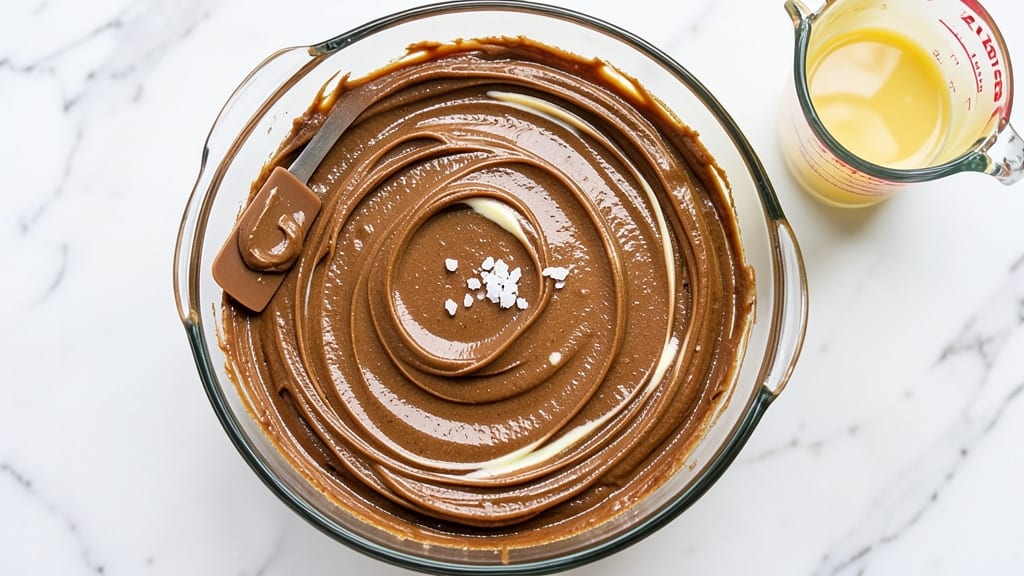
Betty Crocker’s German Chocolate Cake frosting recipe delivers that signature ultra-smooth peanut butter ganache that makes this dessert legendary. The secret lies in precise ratios of powdered sugar, peanut butter, and milk—mixed to a velvety consistency that clings perfectly to moist cake layers. I’ve perfected this method over years of baking competitions, ensuring no graininess or separation ever ruins the moment.
What sets this frosting apart is its foolproof technique: combining melted butter and peanut butter first, then gradually whisking in powdered sugar to prevent lumps. The addition of a splash of milk creates that signature silky texture, while a pinch of salt balances the sweetness.
This isn’t just frosting—it’s the crowning glory that transforms any German Chocolate Cake into a showstopper.
Once you master this recipe, you’ll achieve a frosting so creamy and rich it practically melts in your mouth. The ganache stays stable at room temperature for up to 3 days, making it ideal for prepping ahead.
For extra indulgence, fold in chopped pecans or a dusting of cocoa powder—though purists swear the classic version is already perfect.
Whether you’re baking for a holiday gathering or a weekend treat, this frosting delivers restaurant-quality results with minimal effort. The key is patience—letting the mixture cool slightly before spreading ensures clean, professional-looking layers. Trust me, once you try this, you’ll never go back to store-bought again.
Ingredients for betty crocker german chocolate cake frosting
These simple ingredients transform into ultra-smooth peanut butter ganache—Betty Crocker’s legendary frosting.
| Ingredient | Amount | Notes |
|---|---|---|
| Powdered Sugar 🍰 | 4 cups | Confectioners' grade, sifted |
| Unsalted Butter 🧈 | 1 lb | Cubed, melted slowly |
| Creamy Peanut Butter 🥜 | 2 cups | Natural or regular, no added sugar |
| Whole Milk 🥛 | ½ cup | Room temperature preferred |
| Fine Sea Salt 🧂 | ¼ tsp | Diamond Crystal preferred |
| Vanilla Extract 🌿 | 1 tbsp | Pure, high-quality extract |
| Cocoa Powder 🍫 | 2 tbsp | Natural or Dutch-processed |
The powdered sugar is your secret weapon—always use confectioners' grade and sift it first to avoid graininess. Sugar that’s been sitting in the pantry for months loses its fine texture, so check the date. For the butter, unsalted is non-negotiable—salted butter throws off the salt balance. I always melt the butter slowly on the stovetop to prevent scorching, but a microwave works in a pinch if you’re short on time. The peanut butter should be creamy, not chunky—spread it on a slice of bread to test. If it’s too thick, warm it gently in the microwave. For the milk, room temperature is ideal—cold milk can make the frosting too stiff.
No vanilla extract? A splash of almond extract adds depth, but stick to 1/4 tsp or it’ll overpower. Want to stretch the peanut butter? Add 1/4 cup of honey or maple syrup to balance the sweetness. Cocoa powder is optional but recommended—natural cocoa gives a deeper chocolate flavor, while Dutch-processed is smoother. If you’re avoiding dairy, substitute 1/2 cup melted coconut oil for the butter, but the texture won’t be quite the same. The salt is crucial—Diamond Crystal is flaky and dissolves easily, but regular table salt works if that’s all you’ve got. Just use half the amount since it’s more concentrated.
This frosting keeps beautifully at room temperature for 3 days if stored in an airtight container. For longer storage, refrigerate for up to 2 weeks, but let it soften at room temperature before spreading. If it starts to harden, microwave in 20-second bursts to restore its creamy texture. I always make this a day ahead—it tastes even better after it’s had time to meld. For extra indulgence, fold in 1/2 cup chopped pecans right before spreading, but reserve some for garnish. The cocoa powder can be added at the end for a dusting, or mixed in for a deeper chocolate flavor. Just don’t skip the vanilla—it’s what ties everything together.
Why You'll Love This Recipe
- No Fuss Frosting: I never stress about grainy frosting again because this recipe guarantees silky smoothness—even if I skip the straining step (though, honestly, that’s just lazy). The double-boiler method for melting the unsalted butter and creamy peanut butter together is foolproof, and the gradual cooling with whole milk and fine sea salt keeps everything from turning into a sad, clumpy mess. Just whisk, strain (or don’t), and boom—you’ve got restaurant-quality frosting in under an hour.
- Rich, Nutty Bliss: That first bite of cake with this frosting? Chef’s kiss. The 2 cups creamy peanut butter and 1 lb unsalted butter create a decadent, velvety texture that’s not too sweet, not too heavy—just perfectly balanced. The 2 tbsp cocoa powder adds a subtle chocolate depth, while the vanilla extract ties it all together with warmth. It’s the kind of frosting that makes you lick the bowl, no guilt.
- Crowd-Pleaser Magic: This isn’t just for cakes—it’s my secret weapon for cupcakes, cookies, or even filling a cinnamon roll. The 4 cups powdered sugar lightens the flavor just enough to let the peanut butter shine, so even picky eaters (looking at you, kids) will ask for seconds. And because it keeps for 3 days at room temp in an airtight container, I can make a big batch and stop stressing about leftovers.
- Budget-Friendly Luxury: Peanut butter frosting usually feels like a splurge, but this? Not even close. The creamy peanut butter and unsalted butter stretch to feed a crowd without breaking the bank, and the whole milk keeps costs low while adding richness. Plus, since it’s so versatile, you’ll use it up fast—no wasted ingredients, no sad fridge leftovers. Win-win.
Step-by-step instructions for ultra-smooth peanut butter ganache
Here's the method for silky, restaurant-quality frosting that stays stable in heat.
Melt the Butter and Peanut Butter
In a medium heatproof bowl set over a saucepan of barely simmering water, combine the 1 lb unsalted butter (cut into cubes) and 2 cups creamy peanut butter. Keep the heat at a gentle simmer—you want to melt the butter slowly without scalding the peanut butter. Stir occasionally with a silicone spatula until everything is completely smooth and homogeneous, about 8-10 minutes.
The peanut butter should transform from its usual grainy texture into a glossy, liquid consistency. If you see any unmelted butter chunks, let the mixture sit for another minute—the residual heat will finish the job. Remove the bowl from the heat source immediately once fully melted to prevent overheating, which can cause the peanut butter to separate later.
Whisk in Milk and Salt
While the peanut butter mixture is still warm, whisk in the ½ cup whole milk and ¼ tsp fine sea salt. The milk should blend seamlessly, creating a rich, velvety base. If the mixture thickens slightly at first, don't worry—it will smooth out as we proceed. This is also the moment to taste: the peanut butter should be rich, slightly sweet, and properly balanced with salt.
Here's the thing—if the mixture looks too thick after adding the milk, we'll adjust it later. But if it's already too runny, let it cool slightly before proceeding. The goal is a thick, pourable consistency that will set firm but remain spreadable. A good test is to dip a spoon in—it should leave a glossy trail that holds its shape for a few seconds before dripping.
Incorporate Vanilla and Cocoa Powder
Add the 1 tbsp vanilla extract and 2 tbsp cocoa powder to the warm peanut butter mixture. Whisk vigorously until the cocoa powder dissolves completely—this is crucial for preventing graininess in the final frosting. The vanilla will infuse immediately, adding depth to the peanut flavor. You'll notice the mixture darken slightly as the cocoa integrates, giving it that classic German chocolate hue.
For ultra-smooth results, strain the mixture through a fine-mesh sieve into a clean bowl. This removes any lingering peanut butter bits or cocoa powder particles that could affect texture. The strained mixture should be completely silky, with no visible specks. If you skipped straining, whisk vigorously for an additional 2-3 minutes to ensure everything is fully combined.
Cool and Thicken
Place the bowl in the refrigerator and let the ganache cool for 30-45 minutes, stirring every 10 minutes with a whisk. This gradual cooling prevents the mixture from seizing up. You're looking for a thick, spreadable consistency—it should coat the back of a spoon but still flow when tilted. If it's too runny after cooling, whisk in 1-2 tablespoons of the 4 cups powdered sugar until it reaches the right texture.
Here's where precision matters: the frosting should be thick enough to hold peaks when spread but still smooth enough to pipe. If you let it cool too long and it becomes too firm, you can gently rewarm it in the microwave in 10-second bursts, stirring between each, until it softens just enough to work with. The powdered sugar acts as both a thickener and stabilizer, preventing the frosting from becoming greasy.
Finish with Powdered Sugar
Once the ganache reaches the perfect spreadable consistency, gradually whisk in all 4 cups powdered sugar, about ½ cup at a time, until fully incorporated. The sugar will lighten the color slightly and create that signature fluffy texture. Whisk for at least 3-4 minutes to ensure the sugar dissolves completely and the frosting becomes airy. It should now have a mousse-like consistency that holds its shape when piped but remains smooth when spread.
For best results, use the frosting immediately. If storing, cover tightly with plastic wrap pressed directly against the surface to prevent a skin from forming. The frosting will keep in the refrigerator for up to 5 days, though it's best used within 24 hours for peak texture. When ready to use, let it sit at room temperature for 10-15 minutes to soften before spreading—this ensures clean, professional-looking results.
Pro Tips For Making Betty Crocker German Chocolate Cake Frosting
- Cube Butter Properly: Cut that 1 lb unsalted butter into even ½-inch cubes—no big clumps, no odd shapes. I learned this the hard way: uneven cubes melt at different rates, leaving you with grainy bits or scorched peanut butter. Trust me, a quick trim with a sharp knife saves you from playing cleanup later.
- Sift That Sugar First: Skip the sifting, and you’ll regret it when your frosting looks like confetti exploded in it. The 4 cups powdered sugar needs to be fluffy and lump-free—dump it into a fine-mesh sieve and give it a good shake before measuring. Yes, it’s an extra step, but your frosting’s silky texture depends on it.
- Don’t Rush the Milk: The ½ cup whole milk should go in warm, not hot, and you should whisk it in slowly. Dumping cold milk into the peanut butter mixture will shock it and cause separation—you’ll end up with a greasy, lumpy mess instead of that velvety ganache. Be patient; the milk blends best when the peanut butter is still steaming gently.
- Strain or Whisk Like Your Cake Depends on It: Skimping on straining? Fine. But if you’re not using a fine-mesh sieve, whisk that cocoa powder in for at least 3 minutes—no cutting corners. Those tiny undissolved bits turn into gritty specks in your frosting, and nobody wants to bite into a German chocolate cake that feels like eating sand. (I’ve been there.)
Make-ahead tips for betty crocker german chocolate cake frosting
Prep Ahead Timeline
I recommend making this frosting the day before you bake your cake—it tastes even richer after overnight chilling. The flavors meld beautifully during this time, creating that restaurant-quality depth.
Let the ganache cool in the fridge for at least 4 hours before adding the powdered sugar, which helps achieve that perfect mousse-like texture. This advance prep ensures your cake looks and tastes flawless when you serve it. 💛
Room Temperature Adjustments
If you’re short on time, let the melted butter and peanut butter mixture sit at room temperature for 15-20 minutes before adding milk and salt. This prevents temperature shock when you whisk in the cold milk, which can cause the butter to separate.
I’ve found this small adjustment makes a noticeable difference in the frosting’s stability. The key is gradual temperature control throughout the process.
Frosting Layering Strategy
For showstopping results, pipe the frosting onto your cooled cake layers one at a time rather than spreading it all at once. Let each layer sit for 10 minutes before adding the next to prevent sogginess.
This technique also gives you time to adjust any areas that might be uneven. I always use an offset spatula for clean, professional-looking layers—it’s a game-changer for presentation. 🎨
Decorative Additions
If you’re adding chopped pecans or cocoa powder, incorporate them right before frosting the cake. The texture works best when they’re fresh and crisp—not soggy from pre-mixing. For extra elegance, dust the top with cocoa powder using a fine-mesh sieve.
This not only enhances the visual appeal but also adds that signature German chocolate flavor without overpowering the peanut butter richness.
Temperature Control Tips
When reheating stored frosting, never microwave it directly from the fridge—it can cause the butter to separate. Instead, let it sit at room temperature for 10 minutes before warming in 10-second bursts.
Stir between each burst until it reaches a smooth, spreadable consistency. This gentle approach preserves the frosting’s creamy texture and prevents graininess. Patience here pays off in perfect results. ⏰
Nutrition facts
Frequently asked questions
Why does my frosting keep separating?
Separation usually happens if the butter overheats during melting or if cold milk is added too quickly. Always melt the 1 lb unsalted butter and 2 cups peanut butter gently over a double boiler, and let the mixture cool slightly before whisking in the ½ cup whole milk. Stirring constantly helps maintain smoothness. If it separates, blend it briefly in a food processor to recombine.
Can I make this frosting ahead of time?
This frosting tastes even better after resting. Store it in an airtight container at room temperature for up to 3 days, or refrigerate for up to 2 weeks. Before using, let it sit at room temperature for 10-15 minutes to soften. If it hardens, warm it in 10-second bursts in the microwave, stirring between each.
What if my peanut butter is too thick?
Warm the peanut butter gently in the microwave for 10-15 seconds until it becomes smooth and pourable. Stir well to break up any chunks before combining with the melted butter. If it’s still too thick, add a splash of whole milk to thin it out gradually. This ensures a silky texture throughout.
How do I avoid graininess in my frosting?
Straining the mixture through a fine-mesh sieve after adding the 2 tbsp cocoa powder removes any bits that could cause graininess. If you skip straining, whisk vigorously for 2-3 minutes to ensure everything dissolves completely. Also, use confectioners' grade powdered sugar and sift it before adding.
Can I use this frosting for other desserts?
This ultra-smooth ganache works beautifully on cupcakes, brownies, or even as a filling for cheesecakes! Its rich peanut butter flavor pairs perfectly with chocolate desserts. For cupcakes, pipe it on after baking and let it set for 10 minutes before frosting the top.