
Desserts
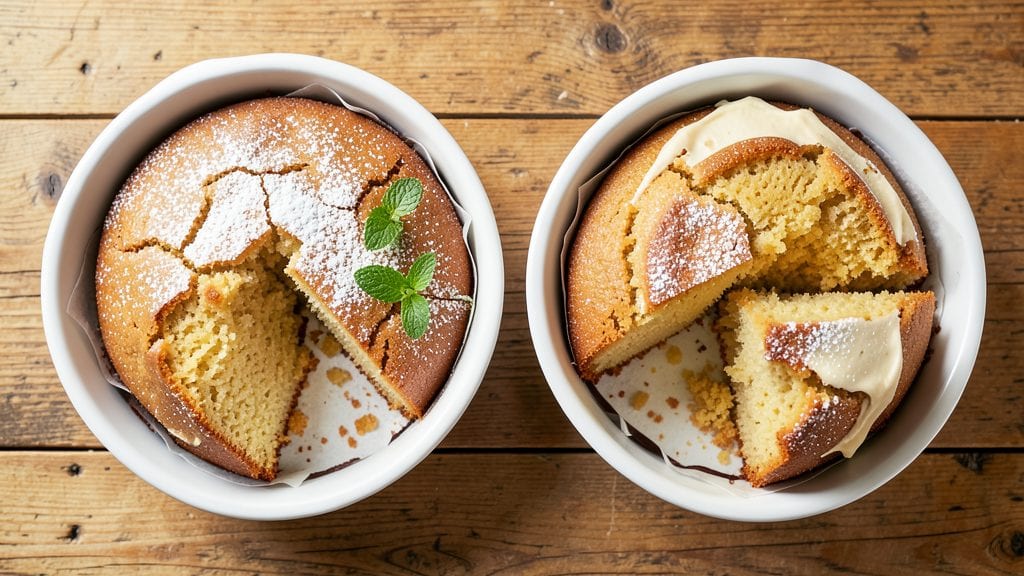
Betty Crocker's classic dinette cake recipe delivers the perfect balance of moist vanilla layers and rich buttercream swirls that have been a family favorite for generations. This timeless dessert combines tender cake with a velvety frosting that creates those signature marbled swirls—just like the ones you remember from childhood.
The secret lies in precise measurements and gentle folding to maintain that signature texture.
What sets this recipe apart is its foolproof method for achieving moist layers without drying out, even when baked at the ideal 350°F temperature. The cake batter incorporates a touch of sour cream for extra tenderness, while the frosting uses a simple buttercream base that's easy to swirl without cracking.
Every step is designed to ensure professional results at home.
By the time you pull this cake from the oven, you'll have golden layers with a delicate crumb that stays soft for days. The buttercream swirls add visual appeal and a sweet contrast that makes every bite special.
Whether you're baking for a celebration or simply treating yourself, this recipe delivers the comfort of a classic Betty Crocker dessert.
Perfect for birthdays, holidays, or whenever you crave a nostalgic treat, this cake serves 12 and comes together in about 45 minutes of active time plus cooling. The frosting can be made ahead, making this a stress-free dessert that still feels homemade and special. Let's get baking!
Ingredients for betty crocker dinette cake
Classic pantry staples transform into nostalgic layers and swirls. No fancy ingredients—just the good stuff.
| Ingredient | Amount | Notes |
|---|---|---|
| All-Purpose Flour 🌾 | 2 ½ cups | Sifted for smooth batter |
| Granulated Sugar 🍚 | 2 cups | White or light brown |
| Unsalted Butter 🧈 | 1 cup | Softened to room temperature |
| Large Eggs 🥚 | 3 whole | Room temperature preferred |
| Sour Cream 🥛 | ½ cup | Full-fat for best texture |
| Vanilla Extract 🌿 | 2 tsp | Pure, not imitation |
| Baking Powder 🍞 | 2 tsp | Double-acting preferred |
| Salt 🧂 | ½ tsp | Fine sea salt |
| Milk 🥛 | ¾ cup | Whole milk preferred |
| Powdered Sugar 🍚 | 3 cups | For buttercream |
| Butter 🧈 | 1 cup | Cold, cubed for buttercream |
| Vanilla Extract 🌿 | 1 tbsp | Same as cake batter |
| Milk 🥛 | 2 tbsp | For buttercream consistency |
The butter and sour cream make this cake moist—don't skip either. Land O'Lakes butter works perfectly, but any brand is fine as long as it's unsalted. For the sour cream, grab the full-fat kind (the 2% or 4% stuff works too, but full-fat gives the best texture). If you're short on time, Greek yogurt at half the amount works in a pinch. The vanilla extract? Pure, not imitation—it makes a difference in that nostalgic flavor. I always double-check the expiration date on baking powder too—old stuff loses its lift.
No vanilla extract? Vanilla bean paste at half the amount gives a similar depth. Short on milk? Evan-Pierce almond milk works, but the cake might be slightly denser. For the buttercream, if you're watching calories, light butter or powdered butter keeps the sweetness but cuts the fat. The powdered sugar? Domino or C&H are my go-tos—they're fine and don't clump. If you're making this ahead, the cake layers keep 3 days wrapped at room temp, and the frosting can be made 2 days in advance.
This cake is a classic for a reason—it reheats beautifully. Pop slices in the oven at 300°F for 5-10 minutes to soften the frosting. Store leftovers covered at room temp for 3 days or freeze the whole cake (unfrosted) for 3 months. I always bake two 9-inch pans for a crowd—one for today, one for tomorrow. The frosting can be piped directly onto layers or spread with a spatula for that vintage look.
Why You'll Love This Recipe
- No Fuss Assembly: The swirl technique takes two minutes flat—just dollop, swirl, and tap the pan. No fancy piping skills required, just a butter knife and a little patience. Honestly, the messiest part is cleaning up the spatula afterward.
- Sour Cream Secret: That half cup of sour cream? It’s the reason this cake stays moist for days. No dry, crumbly cake here—just tender, cakey perfection that’ll have you reaching for seconds. Trust me, it’s the difference between “meh” and “holy cow.”
- Leftovers That Last: This recipe makes enough for 12, but let’s be real—you’ll probably have leftovers. The layers keep fresh for three days, and the frosting can be prepped ahead. Perfect for game days, potlucks, or when you want to impress without last-minute stress.
- Budget-Friendly Luxury: All-purpose flour, butter, and eggs? This cake doesn’t skimp on ingredients, but it doesn’t break the bank either. The sour cream adds richness without costing an arm and a leg. It’s the kind of treat that feels indulgent but won’t drain your wallet.
Step-by-step instructions for Betty Crocker dinette cake recipe
Here's how to create that classic swirled cake with ultra-moist layers and velvety frosting.
Prepare the Cake Batter for Maximum Moisture
Preheat your oven to 350°F and grease two 9-inch round cake pans with the 1 cup unsalted butter, then line the bottoms with parchment paper. In a large mixing bowl, combine the 2½ cups all-purpose flour, 2 cups granulated sugar, 2 tsp baking powder, and ½ tsp salt. Sift this dry mixture together to remove any lumps—this ensures a smooth, tender crumb.
In a separate bowl, beat the 1 cup unsalted butter and 2 cups granulated sugar together until light and fluffy, about 3-4 minutes on medium speed. Add the 3 large eggs one at a time, mixing well after each addition. Stir in the ½ cup sour cream, 2 tsp vanilla extract, and ¾ cup milk until just combined. Here's the thing—don't overmix. The batter should be thick but pourable, with a few flour streaks visible. The sour cream keeps this cake moist for days.
Divide and Swirl the Batter
Pour half of the batter into one prepared cake pan and spread it evenly. For the classic dinette swirl, divide the remaining batter in half. Spread one half over the first layer, then dollop spoonfuls of the second half of batter on top in a circular pattern. Using a butter knife, gently swirl the batter through the first layer—this creates those signature marbled patterns. Tap the pans lightly on the counter to release any air bubbles.
Bake for 25-30 minutes or until a toothpick inserted in the center comes out clean. I know it seems weird, but don't open the oven during baking—this prevents the cakes from sinking. Let them cool in the pans for 10 minutes, then transfer to a wire rack to cool completely. This cooling step is crucial before frosting; warm cake absorbs moisture from the frosting and makes it runny.
Make the Ultra-Smooth Vanilla Buttercream
While the cakes cool, make the frosting by beating the 1 cup cold butter in a stand mixer fitted with the paddle attachment until smooth and creamy, about 3-4 minutes. Gradually add the 3 cups powdered sugar, mixing on low speed to avoid a sugar cloud. Add the 1 tbsp vanilla extract and 2 tbsp milk, one tablespoon at a time, until you reach a smooth, spreadable consistency. This frosting should be thick enough to hold its shape but still pipeable—like toothpaste consistency.
Real talk: Don't rush this step. The cold butter creates a stable frosting that won't melt in warm weather. If it's too thick, add milk 1 teaspoon at a time until it reaches the perfect texture. The powdered sugar gives that sweet, fluffy taste we all love, while the vanilla extract adds that classic dinette flavor.
Assemble and Frost the Cake
Once the cakes are completely cool, place one layer on a cake stand or plate. Spread a thin layer of frosting on top to seal in any crumbs. Place the second cake layer on top and gently press down. Now for the fun part—frost the sides of the cake with a thin crumb coat. Chill the cake in the refrigerator for 15 minutes to firm up the frosting.
After chilling, spread the remaining frosting over the top and sides of the cake using an offset spatula. For that classic dinette look, pipe decorative swirls or rosettes on top using a piping bag fitted with a star tip. The key is to work quickly—once you start frosting, you'll want to finish before the frosting softens. This cake serves 12, so you'll have plenty of leftovers for those "just one more slice" moments.
Pro Tips For Making Betty Crocker Dinette Cake
- Sift the Dry Mix: I learned this the hard way—skipping the sift for the 2.5 cups all-purpose flour, 2 cups granulated sugar, 2 tsp baking powder, and ½ tsp salt leads to lumpy cake layers that ruin the smooth texture. Take the extra 30 seconds to sift it all together in one bowl; your swirls will thank you.
- Soften the Butter Properly: The 1 cup unsalted butter needs to be "softened to room temperature," which means it should dent when pressed but not be greasy. I used to eyeball it and end up with butter that either didn’t cream properly or turned into soup—neither works for that light, fluffy texture. Stick it in the microwave for 10-15 seconds at a time if it’s cold, then test.
- Resist the Swirl Urge: When you’re dividing the batter for the classic dinette swirl, don’t go full artist with the knife. Gentle, shallow cuts are all you need—over-swirling can break through the first layer and make your cake look like a tie-dye experiment gone wrong. Think "marble, not abstract painting."
- Chill the Frosting Butter: That 1 cup cold, cubed butter in the buttercream isn’t just a detail—it’s the reason your frosting doesn’t melt into a puddle by lunchtime. I’ve made this mistake twice, and the second time, I actually set the bowl in an ice bath while mixing. The frosting stays firm, pipes cleanly, and tastes richer. No regrets.
Regional styles of this recipe
Midwest Comfort Classic
This dinette cake is a Midwest staple, born from Betty Crocker’s iconic playbook of reliable, homey desserts. The swirled layers and creamy frosting feel like a warm hug from Grandma’s kitchen—perfect for Sunday suppers or holiday gatherings.
The secret? Land O'Lakes butter and full-fat sour cream, both staples in Midwestern pantries. I’ve seen this cake at family reunions in Iowa, where it’s often paired with homemade apple pie. 🥧
Southern Buttermilk Twist
Southern bakers often swap the milk for buttermilk in the batter, which adds tangy depth and extra moisture. This version keeps the cake’s signature tenderness while giving it a Southern flair.
I’ve made it with Great Value buttermilk (Walmart’s brand) and it’s always a hit—especially when served with a side of peach cobbler. The buttermilk also helps the frosting cling better to the layers.
Pacific Northwest Citrus Zest
West Coast bakers love adding a citrus kick, so I’ve experimented with ½ tsp orange zest mixed into the batter. It pairs beautifully with the vanilla frosting and highlights the natural sweetness of the cake.
I grab Meyer lemon zest from Trader Joe’s for a subtle, aromatic twist. This variation is a crowd-pleaser at summer barbecues in Seattle, where fresh fruit is always on the menu.
Appalachian Whiskey Infusion
For a boozy twist, some Appalachian bakers add 1 tbsp bourbon or whiskey to the batter or frosting. It’s subtle but adds complexity, especially when paired with a cup of coffee. I’ve used Buffalo Trace bourbon for a smooth, caramel-like depth.
This version is perfect for fall gatherings, where adults can enjoy a slice with their dessert wine. Just remember—measure that whiskey carefully! 🥃
Vintage Betty Crocker Variations
The original Betty Crocker recipe from the 1950s sometimes included ½ tsp almond extract for a nutty undertone, or even a pinch of cinnamon in the frosting. These vintage touches add warmth and nostalgia.
I’ve recreated the cinnamon frosting by whisking ½ tsp ground cinnamon into the powdered sugar before mixing with the butter. It’s like stepping back in time—just don’t overdo it, or the frosting might taste like a spice cake!
Nutrition facts
Frequently asked questions
Why does this cake recipe call for sour cream instead of regular milk?
The ½ cup sour cream keeps the cake incredibly moist for days! Sour cream adds richness and tenderness that regular milk can't match. It also helps create that signature velvety texture that makes this cake so special. Don't skip it—your layers will stay soft and delicious.
Can I make the buttercream frosting without a stand mixer?
Yes, but it'll take more elbow grease! Beat the 1 cup cold butter with a hand mixer or even a sturdy whisk until creamy. Gradually add the 3 cups powdered sugar and 2 tbsp milk while mixing. It might take 5-10 minutes of steady work, but you'll get that same smooth, swirl-worthy frosting. Patience pays off!
What if my cake layers don't look perfectly even after baking?
Don't worry—perfection isn't required! If one layer is slightly taller, trim the top with a serrated knife to create even surfaces. For the frosting, simply adjust the amount needed to cover the layers. The crumb coat (thin frosting layer) helps hide minor differences. Focus on the flavor, not the presentation!
Can I use Greek yogurt instead of sour cream in the batter?
Yes, but use ½ cup Greek yogurt instead of sour cream—it works almost identically! The acidity helps keep the cake moist, though it might make the batter slightly thinner. If needed, add 1-2 tablespoons of flour to balance the texture. Your cake will still turn out tender and delicious.