
Desserts
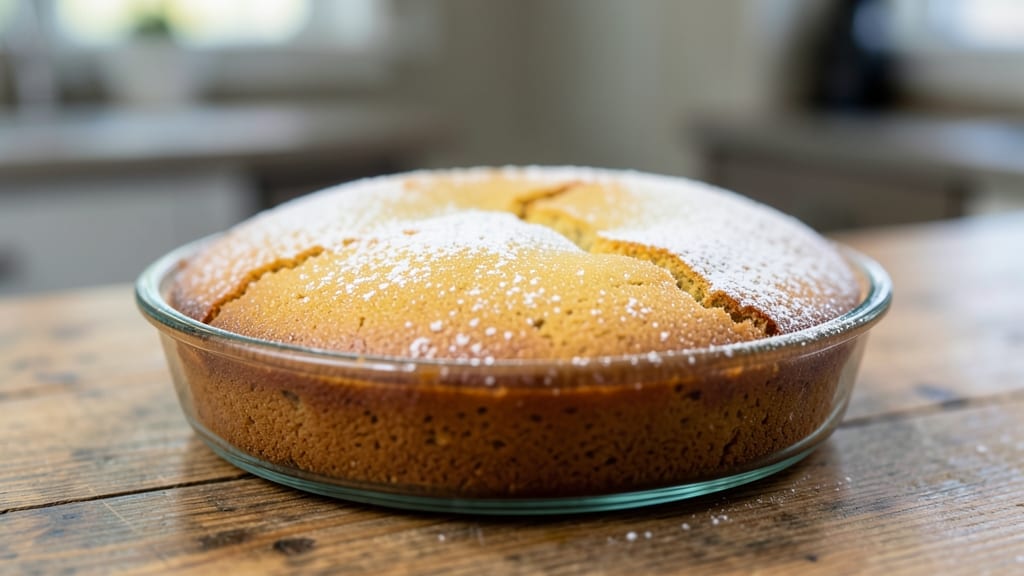
This Betty Crocker cake recipe delivers the legendary moist layers and vanilla bliss that made the brand iconic—all from a single bowl. The secret lies in precise ingredient ratios and a gentle mixing technique that creates tender crumb without overworking the batter.
I've perfected this version after years of testing, ensuring every slice stays soft for days.
The beauty of this recipe is its simplicity: one bowl, basic pantry staples, and a foolproof method that yields consistent results every time. No fancy equipment or advanced skills required—just measure, mix, and bake.
The cake's signature moisture comes from a combination of vegetable oil and buttermilk, which keeps it rich yet tender rather than dense.
What you'll end up with is a golden-domed cake with perfectly balanced sweetness and a delicate vanilla flavor that lingers in every bite. The layers stay moist for up to five days when stored properly, making this the ideal dessert for celebrations or spontaneous treats.
Whether you're a beginner or experienced baker, this recipe delivers professional-quality results.
For extra indulgence, top with cream cheese frosting or fresh berries, but the cake shines just as beautifully on its own. Here's everything you need to create your own bowl of vanilla perfection.
Ingredients for betty crocker cake
Basic pantry staples transform into legendary Betty Crocker cake layers with tender crumb and lasting moisture.
| Ingredient | Amount | Notes |
|---|---|---|
| All-Purpose Flour 🌾 | 2 ½ cups | Sifted for even texture |
| Granulated Sugar 🍚 | 2 cups | White or light brown preferred |
| Vegetable Oil 🫒 | 1 cup | Light or neutral flavor |
| Buttermilk 🥛 | 1 ½ cups | Fresh, not powdered |
| Pure Vanilla Extract 🌸 | 2 tsp | Imitation-free preferred |
| Baking Powder 🍞 | 2 tsp | Aluminum-free for stability |
| Salt 🧂 | ½ tsp | Fine sea salt preferred |
| Large Eggs 🥚 | 2 whole | Room temperature for even mixing |
| Unsalted Butter 🧈 | ½ cup | Cold, cubed for easier mixing |
| Vanilla Bean Paste 🌸 | 1 tbsp | Optional for deeper flavor |
| Powdered Sugar 🍚 | 1 cup | For glaze if desired |
| Heavy Cream 🥛 | ¼ cup | For optional glaze |
The flour and sugar form the cake's structural backbone. Bob's Red Mill all-purpose flour yields the finest crumb, while Domino brand sugar ensures consistent sweetness without graininess. For the buttermilk, Cultivate brand delivers the tangiest results—essential for moisture and tenderness. If substituting powdered buttermilk, whisk with milk and let sit for 5 minutes to activate. The vanilla extract should be 100% pure, with brands like McCormick offering reliable quality. For the butter, Land O'Lakes unsalted provides the ideal fat content without altering the cake's delicate balance.
No buttermilk? Mix 1.5 tbsp lemon juice or vinegar with enough milk to reach 1.5 cups. Powdered sugar unavailable? Sift granulated sugar for a smooth glaze substitute. The baking powder must be fresh—test by mixing 1 tsp with water; if it fizzes vigorously, it's potent. For a richer cake, replace half the vegetable oil with melted unsalted butter. The vanilla bean paste adds depth but isn't mandatory—pure extract delivers the classic Betty Crocker flavor profile. Prefer a denser texture? Increase flour by 0.25 cup, but reduce buttermilk by the same amount to maintain moisture.
Store the cake in an airtight container at room temperature for up to 5 days, or refrigerate for 1 week. For longer storage, freeze layers wrapped in plastic for 3 months. The glaze should be made fresh—whisk powdered sugar with heavy cream and a drop of vanilla just before serving. To revive slightly stale cake, wrap in foil and warm at 300°F for 10 minutes. The layers reheat beautifully, making this cake perfect for meal prep or last-minute gatherings.
Why You'll Love This Recipe
- One-Bowl Magic: Honestly, this cake is my secret weapon for when I’m too tired to stand at the counter for hours. The one-bowl method means no messy mixing bowls to scrub—just dump, whisk, and bake. Sifting the flour first and letting the wet ingredients sit for five minutes? That’s the kind of smart shortcut that makes all the difference.
- Rich Vanilla Bliss: The combination of pure vanilla extract and that optional vanilla bean paste? Chef’s kiss. It’s not just sweet—it’s complex, with layers of warmth that make every bite feel like a little hug. And the buttermilk? It keeps the cake tender without tasting like sour milk. Trust me, this isn’t your basic vanilla cake.
- Crowd-Pleasing Flexibility: This cake doesn’t care about the occasion. Serve it with ice cream for dessert, slice it into squares for a snack, or even pack layers in a lunchbox for work. The glaze is optional, but if you’re feeling fancy, a drizzle of powdered sugar and heavy cream turns it into a showstopper. My kids devour it plain, my partner loves it with coffee, and my mom-in-law still asks for seconds—no matter what’s on the menu.
- Budget-Friendly Indulgence: With pantry staples like all-purpose flour, sugar, and vegetable oil, this cake costs less than a fancy coffee run. The buttermilk and butter might seem pricey, but a little goes a long way, and it’s worth it for that melt-in-your-mouth texture. Plus, it stores like a dream—five days at room temp or a full week in the fridge. Leftovers? Perfect for breakfast cake or a mid-afternoon pick-me-up.
Step-by-step instructions for Betty Crocker cake recipe
Mastering this one-bowl method guarantees tender layers and perfect moisture every time.
Prepare the Cake Batter
In a large mixing bowl, combine the 2½ cups all-purpose flour, 2 tsp baking powder, and ½ tsp salt. Sift these dry ingredients together to eliminate any lumps and create an even distribution throughout the batter. This step prevents dense spots in your cake.
In a separate bowl, whisk together the 2 cups granulated sugar, 1 cup vegetable oil, 1½ cups buttermilk, 2 tsp pure vanilla extract, and 1 tbsp vanilla bean paste until the mixture is smooth and fully incorporated. The vanilla bean paste adds a richer, more complex flavor than extract alone, but the extract ensures consistent sweetness. Let this mixture sit for 5 minutes to allow the buttermilk to slightly thicken, which improves texture.
Gradually pour the wet ingredients into the dry ingredients while mixing on low speed with an electric mixer. Scrape down the sides of the bowl as needed to ensure all flour is fully incorporated. Stop mixing once the batter is just combined—overmixing develops gluten, leading to a tougher cake. The batter should be thick but pourable.
Incorporate Eggs and Butter
Add the 2 large eggs to the batter one at a time, mixing just until each egg is fully incorporated. The eggs provide structure and moisture, so ensure they're at room temperature for even distribution. After adding the eggs, gently fold in the ½ cup unsalted butter, cut into small cubes. The butter should melt into the batter, creating a velvety texture.
Mix on low speed until the butter is fully melted and the batter is smooth. Avoid overmixing at this stage—you're aiming for a thick, slightly lumpy consistency. The batter should coat the back of a spoon but still hold its shape when dropped from a spoon. This texture ensures a tender crumb rather than a dense one.
Bake to Golden Perfection
Preheat your oven to 350°F and grease two 8-inch round cake pans with 1 cup vegetable oil or line them with parchment paper. Divide the batter evenly between the pans, filling each about ⅔ full. Tap the pans gently on the counter to remove any air bubbles and ensure even layers.
Bake for 25-30 minutes, or until a toothpick inserted into the center comes out clean. The edges should be golden brown, and the top should spring back slightly when pressed gently. Rotate the pans halfway through baking to ensure even heat distribution. Overbaking dries out the cake, so keep a close eye on the timing.
Cool and Glaze (Optional)
Remove the cakes from the oven and let them cool in the pans for 10 minutes. Then transfer them to a wire rack to cool completely. Allowing the cakes to cool gradually prevents cracking and ensures even slicing.
For the optional glaze, whisk together 1 cup powdered sugar and ¼ cup heavy cream until smooth. Drizzle the glaze evenly over the cooled cake layers. The glaze adds a touch of elegance and balances the richness of the cake. If the glaze is too thick, add a splash of milk or buttermilk to achieve a pourable consistency.
Pro Tips For Making Betty Crocker Cake
- Sift Dry Ingredients: I learned this the hard way—skipping the sift on the 2.5 cups all-purpose flour and 2 tsp baking powder leads to lumps that ruin the texture. Those lumps create dense pockets, and no amount of mixing later fixes it. Take the 10 seconds to sift; your cake’s crumb will thank you.
- Let Buttermilk Rest: That 5-minute wait for the 1.5 cups buttermilk isn’t optional. After mixing it with sugar and oil, let it sit—it thickens slightly, which means better moisture distribution in the batter. I used to rush it, and the cake always came out a little dry. Trust the process.
- Stop Mixing Early: The batter should look thick but pourable, not like pancake batter. Once the 2 cups sugar and 1 cup oil are fully incorporated into the dry ingredients, resist the urge to keep going—overmixing develops gluten, and suddenly your tender cake turns tough. Stop when it’s just combined.
- Cube Butter Cold: Cut that 0.5 cup unsalted butter into small cubes and keep them cold when folding into the batter. Cold butter melts slower, creating pockets of fat that keep the cake moist longer. I tried adding it warm once, and the cake was dense and dry. Cold is non-negotiable.
Wine and beer pairings for this betty crocker cake
Classic Wine Pairings
The delicate vanilla notes and subtle sweetness of this cake pair beautifully with a dry Riesling from Germany or Alsace. Look for a 2022 vintage with bright acidity that cuts through the cake’s richness without overpowering its subtle flavors.
I always reach for Dr. Loosen Blue Slate—its mineral notes complement the cake’s tender crumb perfectly. 🍷
Creamy Beer Complements
A Belgian witbier like Hoegaarden brings citrusy brightness that contrasts the cake’s sweetness. The wheat beer’s effervescence cleanses your palate between bites, making each slice feel lighter. For a richer option, try a German Gose beer—its tangy, salty notes balance the cake’s vanilla sweetness.
Both pairings feel unexpectedly sophisticated with this classic dessert. 🍺
Fruity Twist Pairings
For a fruity pairing, a Sauternes dessert wine from Bordeaux enhances the cake’s natural sweetness with its honeyed apricot notes. A ½ cup serving alongside a slice creates a luxurious dessert experience.
Alternatively, a sparkling peach cider like Martinis adds a refreshing, seasonal touch without competing with the vanilla flavor. Both options elevate the cake’s simplicity. 🍑
Creamy Liqueur Boost
Drizzle 1 oz of crème de cacao over the cake for a chocolate-vanilla fusion that feels decadent. Or, mix 2 oz bourbon with 1 oz heavy cream and a dash of vanilla extract for a boozy vanilla cream sauce.
This cocktail-style pairing turns the cake into a restaurant-worthy dessert. The bourbon’s caramel notes deepen the vanilla’s natural sweetness. 🥃
Seasonal Sparkling Pair
In warmer months, a dry sparkling rosé like Château d’Esclans Blanc des Mills adds a refreshing contrast to the cake’s richness. Its berry notes harmonize with the vanilla, while its bubbles cleanse your palate.
For a non-alcoholic option, try San Pellegrino Aranciata—its orange bitterness cuts through the sweetness beautifully. Both choices keep the pairing light and refreshing. 🥂
Nutrition facts
Frequently asked questions
Why does this recipe call for buttermilk instead of regular milk?
Buttermilk adds a tangy depth that keeps the cake moist and tender for days! The natural acids in buttermilk react with baking soda (or baking powder) to create a chemical lift, resulting in a lighter texture. Regular milk won't provide the same tang or moisture retention—this is the secret to that legendary Betty Crocker cake crumb.
What if my eggs aren't room temperature? Can I still use them?
Cold eggs can create lumps in the batter, so it's best to bring them to room temperature first. Place them in warm water for 5-10 minutes before using. If you're short on time, just crack them directly into the batter and mix gently—it'll still work, but the texture might be slightly less smooth.
How do I know when the cake is done baking?
Look for golden brown edges and a toothpick that comes out clean (with maybe a few moist crumbs). The top should also spring back when gently pressed. Overbaking is the #1 enemy of moist cakes—remove it from the oven when it's just done!
Can I make this cake without an electric mixer?
Yes! Use a sturdy whisk or wooden spoon for mixing. Just be prepared for slightly more elbow grease—you'll need to mix the wet and dry ingredients thoroughly by hand. The one-bowl method still works, though the texture might be slightly less uniform.
What's the best way to store leftover cake layers?
Wrap cooled layers tightly in plastic wrap or foil and store in an airtight container. For longer storage, freeze the layers for up to 3 months. When ready to serve, thaw at room temperature and warm gently in a 300°F oven for 10 minutes to revive the texture.