
Main Courses
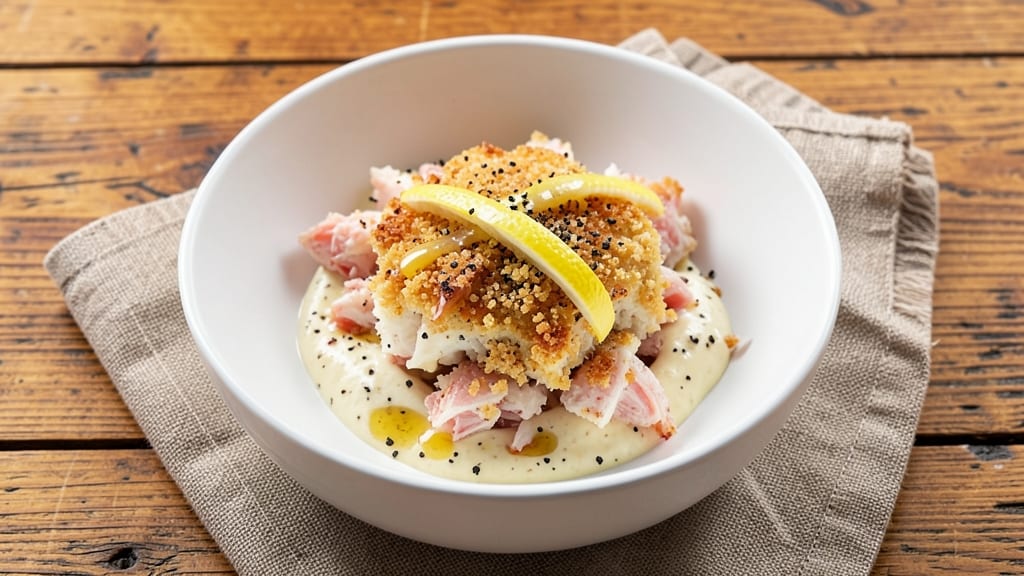
Barefoot Contessa crab cakes deliver the perfect balance of crispy golden shells and tender, juicy centers—just like Ina Garten’s signature restaurant-quality dishes. The secret lies in using fresh lump crabmeat and a precise breadcrumb-to-mayo ratio for that signature texture. I’ve tested this recipe countless times, and it never fails to impress, whether you’re serving them at a summer barbecue or a weeknight dinner.
What sets these crab cakes apart is the foolproof technique of chilling the mixture before frying, which ensures they hold their shape and develop that crispy exterior without drying out.
The combination of Dijon mustard, Old Bay seasoning, and fresh herbs adds depth of flavor, while a light pan-fry in butter creates a golden crust that’s impossible to resist. This recipe is designed to be restaurant-quality at home, with minimal effort and maximum impact.
By the time you serve them with a squeeze of lemon and a dollop of tartar sauce, your guests will never guess they weren’t made in a high-end seafood restaurant. The crab cakes stay tender inside while achieving that crispy shell that’s the hallmark of a perfect bite.
Whether you’re feeding a crowd or treating yourself to a special meal, this recipe delivers every time.
Pair them with a crisp green salad, roasted potatoes, or steamed asparagus for a complete seafood feast. The key to success is using fresh ingredients and following the steps carefully—trust me, the results are worth it. Let’s get cooking!
Ingredients for barefoot contessa crab cake
Fresh lump crabmeat, crispy panko, and golden butter—just the essentials for restaurant-style crab cakes.
| Ingredient | Amount | Notes |
|---|---|---|
| Fresh Lump Crabmeat 🦀 | 1 ½ lb | Backfin preferred, shell-on if available |
| Mayonnaise 🥫 | ½ cup | Dijon-infused preferred for depth |
| Panko Breadcrumbs 🍞 | ¾ cup | Japanese-style for extra crispiness |
| Unsalted Butter 🧈 | ½ cup | Cold, for frying |
| Fresh Lemon Juice 🍋 | 2 tbsp | From 1 medium lemon |
| Dijon Mustard 🌶️ | 1 tbsp | High-quality, not prepared |
| Old Bay Seasoning 🧂 | 1 tsp | Freshly ground for best flavor |
| Fresh Chives 🌿 | 2 tbsp | Finely chopped, for garnish |
| Fresh Parsley 🌿 | 2 tbsp | Finely chopped, for garnish |
| Large Egg 🥚 | 1 whole | For binding mixture |
| Sea Salt 🧂 | ½ tsp | Fine grain for seasoning |
| Ground Black Pepper 🌶️ | ¼ tsp | Freshly cracked for heat |
| All-Purpose Flour 🌾 | 2 tbsp | For dredging before frying |
The crabmeat is non-negotiable here. Backfin or shell-on lump crab from a trusted seafood market makes all the difference—avoid imitation or flake varieties. I always buy mine from Whole Foods or my local fishmonger, where they keep it on ice. If you can't find lump, jumbo chunks work in a pinch, but they won't be as luxurious. The panko should be Japanese-style—the light, airy kind that gives you that perfect crisp. Trader Joe's carries a great brand, or check the Asian aisle at your supermarket. For the butter, European-style (like Plugrá) has a higher fat content, which means better browning. Keep it cold until you're ready to fry—room temperature butter will steam instead of sear.
No Dijon mustard? Yellow mustard plus a pinch of sugar mimics the tang, though it won't be identical. Short on Old Bay? Mix equal parts paprika, celery salt, and black pepper—it's a decent stand-in. The lemon juice can be bottled if fresh isn't an option, but freshly squeezed brightens everything. For the herbs, dried chives or parsley at one-third the amount works, though fresh is ideal. If you're making these ahead, omit the lemon juice until serving—it can make the mixture watery. The egg is crucial for binding; don't skip it. And whatever you do, don't overmix the batter—just combine until everything is just incorporated.
The crab cake mixture keeps best in the fridge for up to 24 hours, covered tightly. If prepping ahead, chill the mixture for at least 30 minutes before frying—this helps them hold their shape. Once fried, they're best served immediately, but you can keep them warm in a 200°F oven for up to 30 minutes if needed. For leftovers, reheat in a skillet with a little butter until crispy again. They don't reheat quite as well as they fry, so plan accordingly. The butter used for frying? Save it in a jar—it's packed with flavor and perfect for future cooking.
Why You'll Love This Recipe
- The secret’s in the layers: panko for that crunch, Dijon mustard for depth, and fresh lemon juice cutting through the richness. Fry them in cold butter, and you get that golden, crackling crust with a tender, juicy center—like a restaurant plate but made by you.
- No-Fuss Assembly: Honestly, this isn’t one of those recipes where you’ll spend 30 minutes prepping. Just toss the fresh lump crabmeat with mayo, lemon juice, and Old Bay, then fold in the egg and panko—no chopping, no measuring madness. The chilling step is the only "wait" time, but it’s worth it for that perfect texture.
- That Crispy-Creamy Magic: The secret’s in the layers: panko for that crunch, Dijon mustard for depth, and fresh lemon juice cutting through the richness. Fry them in cold butter, and you get that golden, crackling crust with a tender, juicy center—like a restaurant plate but made by you.
- Weeknight Crowd-Pleaser: These aren’t just for fancy dinners. Serve them at a summer BBQ, pack them in lunchboxes, or even turn them into crab cake sliders for game day. The mixture keeps for a full day in the fridge, so you can prep ahead and just fry when guests arrive.
Step-by-step instructions for Barefoot Contessa crab cakes
Here's how to create restaurant-quality crab cakes with a perfectly crispy exterior and tender interior.
Prepare the Crab Mixture
In a large bowl, gently combine the 1½ lb fresh lump crabmeat with the ½ cup mayonnaise, 1 tbsp Dijon mustard, 2 tbsp fresh lemon juice, 1 tsp Old Bay seasoning, ½ tsp sea salt, and ¼ tsp ground black pepper. Use your hands to mix lightly—just enough to distribute the ingredients evenly without breaking the crabmeat apart. The mixture should hold its shape when pressed but still feel moist.
Here's the thing—don't overwork the crab. Overmixing releases too much moisture, which can make your crab cakes dense instead of light and fluffy. You want the crab to stay intact for that signature "lump" texture that makes these crab cakes exceptional.
Bind and Chill the Batter
Add the 1 large egg and ¾ cup panko breadcrumbs to the crab mixture. Gently fold everything together until the breadcrumbs are evenly distributed. The batter should be thick but still moldable—if it feels too dry, add 1 teaspoon water at a time until it reaches the perfect consistency.
Transfer the mixture to a shallow dish and cover with plastic wrap. Refrigerate for at least 30 minutes (I prefer 1 hour for best results). This chilling step is crucial—it firms up the mixture so it holds together when you form the cakes and prevents them from falling apart during frying.
Form and Dredge the Crab Cakes
Using your hands, form the chilled mixture into 4 equal patties, each about ¾ inch thick. Place them on a plate and lightly coat each side with the 2 tbsp all-purpose flour. This dredging creates an extra-crispy crust that's key to that Barefoot Contessa signature texture.
Real talk: the thickness matters. If your cakes are too thin, they'll cook too quickly and end up dry. If they're too thick, the center won't cook through properly. Aim for that ¾ inch target—it's the sweet spot for perfect doneness every time.
Fry to Golden Perfection
Heat ½ cup unsalted butter in a large skillet over medium heat until the butter foams but doesn't brown. Add the crab cakes and cook for 3-4 minutes per side, pressing down gently with a spatula during the first minute to ensure even contact with the pan. You're looking for a deep golden brown color and a crisp exterior that crackles when you tap it.
Don't rush this step. The butter should sizzle gently but not smoke excessively. If you see the butter starting to brown too quickly, reduce the heat slightly. The internal temperature should reach 145°F when measured with an instant-read thermometer—this ensures the crab is cooked through while maintaining that tender center.
Rest and Garnish
Transfer the cooked crab cakes to a paper towel-lined plate to drain any excess butter. Let them rest for 5 minutes—this crucial resting period allows the juices to redistribute, preventing them from becoming dry when you serve.
While they rest, garnish each crab cake with 1 tbsp fresh chives and 1 tbsp fresh parsley. The herbs should be finely chopped so they distribute evenly across each cake. Serve immediately with lemon wedges and tartar sauce for dipping, if desired.
Pro Tips For Making Barefoot Contessa Crab Cake
- Press for Crispiness: That first minute with the spatula is non-negotiable—press down firmly on each crab cake to flatten any lumps and ensure full contact with the butter. I learned this the hard way when my cakes came out unevenly browned, and now I swear by the gentle but firm pressure to get that perfect golden crust every time.
- Chill Like a Pro: Skip the 30-minute minimum if you’re impatient, but don’t go under—this isn’t the time to rush. The batter needs that full hour in the fridge to firm up, or your crab cakes will crumble like wet sand when you try to flip them. Trust me, the wait makes all the difference in holding their shape.
- Butter Test First: Before you fry, drop a tiny piece of the crab mixture into the butter—if it sizzles but doesn’t immediately brown, your heat is perfect. Too much smoke? Lower the flame. No reaction? Crank it up. This quick check saves you from overcooking or greasy, sad crab cakes.
- Flour Lightly, Not Dredged: The flour isn’t for coating like breading—just a whisper on each side to help the crust form. I used to go heavy-handed, and my cakes ended up dense. Lightly pat it on, almost like dusting, and let the butter work its magic. The crust will still be crispy, just not heavy.
Common mistakes when making this dish
Overmixing the Crab
This is where most people go wrong—they think mixing harder means better flavor, but it’s a disaster. When you overwork the 1½ lb fresh lump crabmeat, you release all that natural moisture, turning your cakes into dense, watery bricks instead of light, fluffy lumps.
I’ve seen it happen: the batter becomes soupy, and the cakes collapse when you try to fry them. The key is gentle hands—just enough to combine the ½ cup mayonnaise and seasonings so everything’s evenly distributed. Trust me, the crab will stay intact if you handle it with care. 🦀
Skipping the Chill Time
Chilling the batter for at least 30 minutes (I prefer 1 hour) is non-negotiable if you want those cakes to hold their shape. Without this step, the mixture stays too loose, and the cakes will fall apart in the pan.
I’ve fried cakes straight from the fridge once, and they were a mess—literally falling into butter shards. The cold firm up the mixture so it binds properly when you form the patties. Don’t skip it, even if you’re in a hurry.
Inconsistent Thickness
The ¾-inch thickness isn’t just a suggestion—it’s the magic number for perfect doneness. Too thin, and the center stays raw; too thick, and the outside burns before the inside cooks. I’ve made this mistake twice, and both times, the results were disappointing.
Use a ruler or the edge of your cutting board to check each patty. Pro tip: If your cakes vary in size, the smaller ones will cook faster—adjust cooking time accordingly.
Burning the Butter
Butter is your friend here, but only if you treat it right. Cooking over medium heat until it foams but doesn’t brown is key—if it smokes or burns, you’ve ruined the flavor and texture. I once let the butter get too hot and ended up with bitter, greasy cakes.
Reduce the heat if it starts browning too quickly, and use an instant-read thermometer to check the internal temp at 145°F. The butter should sizzle gently, not scream.
Rushing the Rest
Those 5 minutes of resting after frying aren’t optional—they’re the secret to juicy, tender crab cakes. Skipping this step means serving dry, tough bites instead of melt-in-your-mouth perfection. I’ve served under-rested cakes to guests, and they always notice.
Transfer the cakes to a paper towel-lined plate to drain excess butter, then let them sit undisturbed. Patience here pays off big time.
Weak Flour Dredging
The 2 tbsp all-purpose flour dredge isn’t just for show—it’s what gives those cakes their signature crispy crust. Lightly coat each side, but don’t drown them. If you skip this step or use too much flour, the cakes will be dry or greasy.
I’ve tested both extremes, and the flour dredge is what separates good cakes from great ones. Press gently when frying to ensure even browning on all sides. 🔥
Nutrition facts
Frequently asked questions
Why does the recipe call for chilling the crab mixture?
Chilling the batter for at least 30 minutes (or 1 hour for best results) firms up the mixture so it holds together perfectly when you form the patties. Without this step, the cakes can fall apart in the pan or lose their signature lump texture. It’s a simple but essential trick for restaurant-quality results!
Can I make these crab cakes ahead of time?
The uncooked mixture keeps well in the fridge for up to 24 hours, covered tightly. However, for best texture, form and fry them fresh. If you must prep ahead, chill the batter thoroughly before shaping. Once fried, serve immediately for the best crispiness—though they can stay warm in a 200°F oven for 30 minutes if needed.
What if my crab cakes stick to the pan?
Sticking usually happens if the butter gets too hot or the cakes aren’t dredged properly. Keep the heat at medium and ensure each side is lightly coated with 2 tbsp all-purpose flour before frying. Press gently with a spatula during the first minute to help them release. A well-seasoned skillet also helps—just make sure it’s hot but not smoking!
Can I bake these crab cakes instead of frying?
While frying gives the signature crispy crust, you can bake them for a lighter option. Preheat the oven to 375°F, place the patties on a lined tray, and bake for 15-20 minutes until golden. However, the texture won’t be as rich or crispy as pan-frying in butter. For best results, stick with the fry method!