
Main Courses
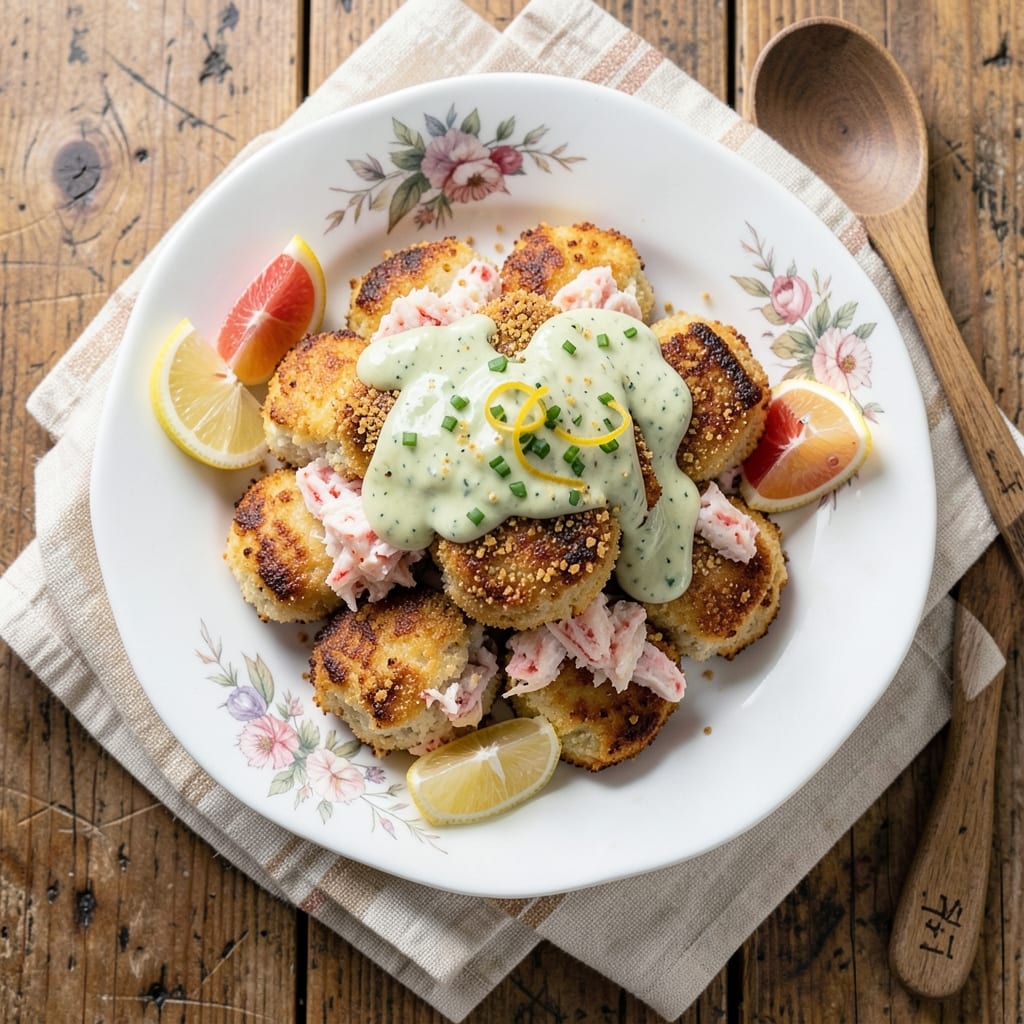
This amazing crab cake recipe delivers the perfect balance of crispy shells and flaky centers—just like your favorite seafood restaurant. I’ve perfected this technique over years of trial and error, and it’s now my go-to for impressing guests without the fuss. The secret lies in using the right mix of fresh crab, sturdy breadcrumbs, and a touch of mayo for binding, all shaped just so for that golden, crunchy exterior.
What sets these crab cakes apart is the texture—crispy on the outside, tender and moist inside, with just enough herby brightness to cut through the richness. I pan-fry them in batches to ensure even cooking, but you can also bake or air-fry for a lighter version. The key is pressing the patties gently to keep them together while they cook, so they hold their shape without falling apart.
Serve them with a dollop of tartar sauce, a squeeze of lemon, and a crisp green salad to balance the richness. The aroma alone will have everyone at the table anticipating that first bite—crunchy, savory, and bursting with sweet crab flavor. This recipe is foolproof, restaurant-quality, and worth every minute of prep.
Whether you’re hosting a dinner party or just craving a seafood treat, these crab cakes are a game-changer. Let’s get cooking—your taste buds will thank you!
Ingredients for amazing crab cake
Fresh crab, crispy crunch, and restaurant-quality flavor—just 13 ingredients away.
| Ingredient | Amount | Notes |
|---|---|---|
| Fresh Lump Crabmeat 🦀 | 1 ½ lb | Backfin preferred, picked for shells |
| Panko Breadcrumbs 🍞 | ¾ cup | Japanese-style for extra crunch |
| Mayonnaise 🥫 | ¼ cup | Full-fat for best binding |
| Large Eggs 🥚 | 1 whole | Room temperature for even mixing |
| Fresh Lemon Juice 🍋 | 1 tbsp | Brightens the crab flavor |
| Chopped Fresh Chives 🌿 | ¼ cup | Finely minced for herby bite |
| Dijon Mustard 🌶️ | 1 tsp | Adds tangy depth |
| Old Bay Seasoning 🧂 | 1 tsp | Classic seafood flavor |
| Salt 🧂 | ½ tsp | Diamond Crystal preferred |
| Black Pepper 🌶️ | ¼ tsp | Freshly cracked |
| Vegetable Oil 🫒 | ½ cup | For frying (high smoke point) |
| All-Purpose Flour 🌾 | ¼ cup | For dredging |
| Tartar Sauce 🥫 | ½ cup | For serving (homemade or store-bought) |
The crab makes or breaks this dish. Backfin lump crabmeat is ideal—it holds its shape better than claw meat, and picking out shells gives you that ultra-smooth texture. Seafood markets or the seafood counter at Whole Foods usually have the best quality, but frozen works in a pinch if it's labeled 'sweet crabmeat'. Look for bright white color and minimal water content. I always buy extra because I love sneaking these into sandwiches later. The panko is non-negotiable—Japanese-style stays crispy while regular breadcrumbs get soggy. Grab a bag at Trader Joe's or any Asian market if you can't find it at the grocery store.
No fresh crab? High-quality frozen crabmeat is your next best bet—just thaw it overnight in the fridge. Running low on mayo? Greek yogurt at half the amount works for a lighter version. Skip the Old Bay? Mix 1/2 tsp paprika + 1/4 tsp garlic powder + pinch of cayenne gets you close. The lemon juice is crucial—freshly squeezed makes all the difference, but bottled works if you're in a hurry. Chives can be swapped for parsley if that's what you've got, but I'd recommend picking up a bunch—they grow fast and add that fresh herby note that keeps the crab cakes bright.
Crab cakes keep best in the fridge for 2 days if you make them ahead, but they're even better fresh. For leftovers, reheat in a skillet with a splash of water to keep them moist. The tartar sauce? Homemade is ideal—mayo, capers, pickles, lemon, and a touch of Dijon—but the jarred stuff at Trader Joe's is surprisingly good. Store any extra sauce in the fridge for up to 1 week. Pro tip: make a double batch of crab cake mix and freeze half for next time—just thaw and fry when you're ready.
Why You'll Love This Recipe
- No-Fuss Assembly: I swear, these crab cakes come together faster than I can say "lump crabmeat." Just mix the crab, mayo, egg, and lemon juice—no chopping, no fancy techniques—then fold in the panko. Honestly, the hardest part is deciding whether to shape them into patties or balls.
- Bright & Buttery Magic: That lemon juice isn’t just garnish—it cuts through the richness of the crab and mayo, giving each bite a zesty punch. And the panko? It soaks up just enough egg to get that golden, shatteringly crisp crust while keeping the inside tender. Between us, that combo is dangerously addictive.
- Weeknight to Dinner Party: I make these for lazy Tuesdays (they’re ready in 20 minutes) and fancy summer gatherings (they look impressive). Freeze half the batter for later—just thaw and pan-fry—and suddenly you’ve got a crowd-pleaser that feels special without the stress.
- Leftovers That Don’t Suck: Unlike so many crab cake recipes, these reheat like a dream. Toss them in a skillet with a splash of lemon and butter, and they’re crispy again—no sad, rubbery texture here. Plus, the mayo binds them so well they hold up to sandwiches or salads for days. My secret weapon for busy mornings.
Step-by-step instructions for crispy crab cakes
Here's how to create golden, crispy crab cakes with tender centers every time.
Prepare the Crab Mixture
In a large bowl, gently combine the 1.5 lb fresh lump crabmeat with the 0.25 cup mayonnaise, 1 whole large eggs, 1 tbsp fresh lemon juice, 0.25 cup chopped fresh chives, 1 tsp Dijon mustard, 1 tsp Old Bay seasoning, 0.5 tsp salt, and 0.25 tsp black pepper. I use my hands for this part—it helps distribute the ingredients evenly while keeping the delicate crab texture intact.
Be careful not to overmix. Just fold everything together until combined—you want to preserve the crab's natural flakiness. If your crabmeat has any shells or debris, pick them out now. The mixture should look moist but not soupy, holding together when pressed gently. This is your foundation for those perfect crab cakes.
Add the Panko for Crunch
Gently fold in the 0.75 cup panko breadcrumbs using a rubber spatula. Work quickly but carefully—you want to distribute the panko evenly without compacting the mixture. The panko will create that beautiful crispy exterior we're after, but too much handling will make the cakes dense.
Here's the thing—don't worry if the mixture looks wet. The panko will absorb some of that moisture as you work, and the cakes will hold together when you form them. If it seems too loose, you can add just a little more panko, but don't overdo it or you'll lose that tender crab texture.
Form and Chill the Cakes
Using a lightly oiled spoon or your hands, form the mixture into 4 equal patties, about ¾-inch thick. I like to make them slightly larger than the serving size—they'll shrink a bit when frying. Place them on a plate and cover with plastic wrap. Refrigerate for at least 30 minutes (up to 2 hours).
Chilling is crucial—it helps the cakes hold their shape when frying and prevents them from falling apart. The cold mixture also means more even cooking, giving you that perfect balance of crispy exterior and flaky interior. While they're chilling, preheat your oven to 200°F for later warming if needed.
Create the Crispy Crust
Set up a breading station with three shallow dishes: one with 0.25 cup all-purpose flour, one with beaten 1 whole large egg, and one with 0.75 cup panko breadcrumbs mixed with 1 tsp Old Bay seasoning and 0.25 tsp black pepper. Heat 0.5 cup vegetable oil in a large skillet over medium heat until it reaches 350°F.
Working with one cake at a time, dredge it in flour, shaking off any excess. Dip in the beaten egg, letting any excess drip off, then press into the panko mixture, coating both sides thoroughly. This triple coating ensures maximum crispiness. Carefully slide the coated cake into the hot oil, being mindful not to splash.
Fry to Golden Perfection
Cook the crab cakes for 2-3 minutes per side until they're deep golden brown and crispy. You'll know they're ready when they release easily from the pan and the internal temperature reaches 165°F. Don't overcrowd the pan—cook them in batches if needed to maintain the oil temperature.
Transfer the cooked crab cakes to a paper towel-lined plate to drain any excess oil. Keep them warm in a 200°F oven while you fry the remaining cakes. Serve immediately with 0.5 cup tartar sauce on the side and a squeeze of fresh lemon. The contrast of crispy exterior and tender crab will make these the star of your meal.
Pro Tips For Making Amazing Crab Cake
- Drain the Crab Right: Lump crabmeat comes packed in water or brine—don’t skip draining it. Spread it on a paper towel and let it sit for 10 minutes while you prep the rest. Wet crab makes soggy cakes, and nobody wants that.
- Chill the Mixture: After mixing everything, pop the crab cake batter in the fridge for 20-30 minutes. I learned this the hard way—skipping it leads to crumbling cakes when you fry them. Cold batter holds its shape better.
- Use a Mixer for Panko: Pulse the panko in a food processor for 10 seconds before adding it to the mix. This breaks up any big chunks and distributes it evenly, so every bite has that perfect crunch without clumps.
- Fry in Batches: Crowd the pan, and the oil temp drops—guaranteed. Fry 2-3 cakes at a time over medium-high heat, and don’t move them until you see a deep golden crust. Patience here makes all the difference.
Troubleshooting this dish
Cakes Falling Apart
If your crab cakes crumble when forming or frying, it’s usually because the mixture is too wet or you’re overhandling it. First, check your crabmeat—if it’s too moist (like fresh crab straight from the market), drain it in a fine-mesh strainer for 5-10 minutes before mixing. Also, avoid overmixing when combining ingredients; just fold everything together until just combined. For extra stability, add 1-2 tbsp more panko or 1 tbsp finely chopped parsley to help bind the mixture. 💡
Uneven Cooking
Uneven doneness—some parts crispy, others still raw—usually means your oil temperature isn’t consistent. Invest in a candy or deep-fry thermometer (like the Thermoworks Thermapen) to maintain 350°F oil. If you don’t have one, use the "cold drop test": add a drop of water to the oil—if it sizzles and evaporates immediately, it’s ready. Also, avoid overcrowding the pan; cook in batches with 2-3 minutes per side for even browning. ⚡
Soggy Instead of Crispy
Soggy crab cakes are often the result of steam escaping during frying. To fix this, chill the formed cakes for at least 30 minutes before frying—this firms them up. Also, pat them very gently with a paper towel before coating to remove excess moisture. For extra crispiness, double-coat them: after the initial flour-egg-panko layer, dip them in 1 more beaten egg and press into fresh panko. This creates a stronger barrier against steam. 🔥
Oil Smoking or Burning
If your oil starts smoking or the cakes burn before cooking through, your heat is too high. Reduce to medium-low heat and let the oil return to 325-350°F before frying. Never rush this step—rushing causes uneven cooking and burnt exteriors. For a safer alternative, try air-frying at 375°F for 6-8 minutes, flipping halfway, which gives you more control over temperature. 🌡️
Dry or Tough Texture
Overcooking or using too much panko can make crab cakes dry. If yours turn out tough, check your frying time—aim for 2-3 minutes per side max—and use a meat thermometer to confirm 165°F internal temp. To prevent dryness, add 1 tbsp extra mayo or Greek yogurt to the mixture for moisture. Also, avoid pressing too hard when forming the cakes; gently shape them to keep the texture tender. 💫
Nutrition facts
Frequently asked questions
Can I use frozen crabmeat instead of fresh?
Yes, but thaw it properly first! Place frozen crabmeat in the fridge overnight or use the cold water method (sealed in a bag for 30-60 minutes). Drain thoroughly and pat dry with paper towels to remove excess moisture—this prevents soggy cakes. For best texture, pick out any remaining shells or cartilage before mixing.
How do I make these crab cakes without mayo?
Swap the mayo for 0.25 cup Greek yogurt or 0.25 cup sour cream for a lighter version, or use 2 tbsp melted butter for richness. For binding power, add 1 extra tbsp flour to compensate. The texture will be slightly less tender but still delicious. The key is keeping the mixture cohesive—don't skip the chilling step!
What's the best way to reheat leftover crab cakes?
Reheat gently to avoid drying them out! Place in a 350°F oven for 5-7 minutes or warm in a skillet over low heat with a splash of water for 2-3 minutes per side. For crispiness, broil for 1-2 minutes at the end. Never microwave—it makes them rubbery. Pro tip: freeze extras (uncooked) on a tray, then transfer to a bag for easy reheating later.
Can I bake these instead of frying?
Preheat oven to 400°F and bake on a parchment-lined sheet for 12-15 minutes, flipping halfway. Brush with melted butter first for crispiness. For extra crunch, broil for 1-2 minutes at the end. Baked cakes are lighter but still delicious—just watch closely to avoid over-browning. Air fry at 375°F for 6-8 minutes** for a middle-ground option.
Why do some recipes add hot sauce or Worcestershire?
Those ingredients add depth but aren't essential. Hot sauce (like Tabasco) brings heat, while Worcestershire adds umami. For this recipe, I prefer the classic Old Bay and lemon brightness, but