
Desserts
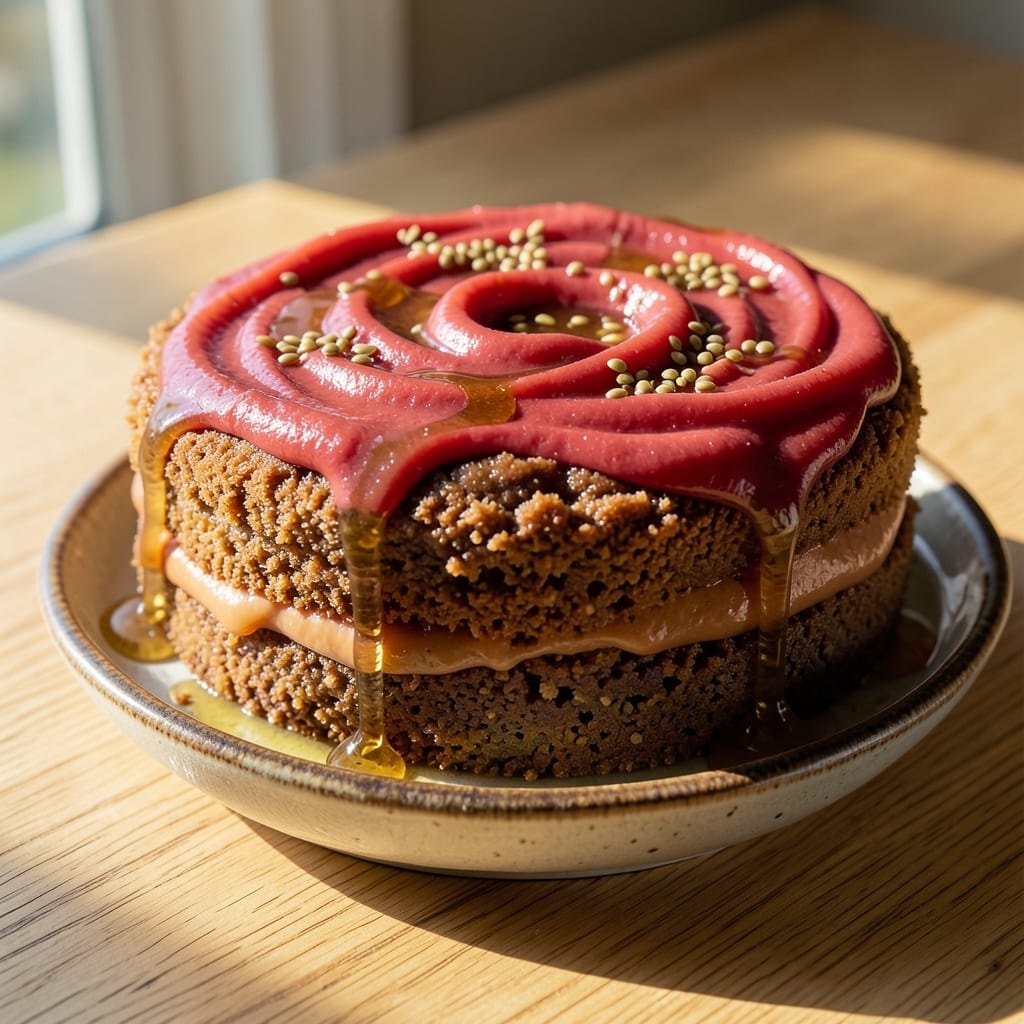
This gluten-free amaranth cake delivers a surprisingly rich, fudgy texture that rivals traditional wheat-based desserts—without a hint of flour. The secret lies in properly soaking the tiny amaranth grains to unlock their nutty depth and create a tender crumb. I developed this recipe after years of experimenting with ancient grains, and it's become my go-to for both dietary restrictions and special occasions.
Amaranth's naturally gluten-free profile makes this cake perfect for those avoiding wheat, but its flavor and texture will win over anyone. The cake's structure comes from a blend of soaked amaranth, flax eggs, and coconut oil, creating layers that are both moist and satisfyingly dense. The nutty undertones pair beautifully with chocolate or citrus variations, offering versatility beyond basic vanilla.
What you'll achieve is a fudgy, gluten-free cake with a satisfying crumb that holds together beautifully while still delivering that melt-in-your-mouth quality. The baking process is straightforward—just mix, bake, and let the amaranth work its magic—but the results are anything but ordinary. This recipe proves gluten-free desserts can be just as indulgent as their traditional counterparts.
The best part? This cake freezes exceptionally well, making it perfect for meal prep or gifting. Whether you're accommodating dietary needs or simply exploring ancient grains, this amaranth cake delivers on both nutrition and flavor. Let's get started on creating your gluten-free masterpiece.
Ingredients for amaranth cake
Ancient grains meet modern indulgence—these 13 ingredients transform into a decadent gluten-free masterpiece.
| Ingredient | Amount | Notes |
|---|---|---|
| Amaranth Grains 🌾 | 1 ½ cups | Soaked overnight in 3 cups water |
| Unsweetened Applesauce 🍎 | 1 cup | For moisture and binding |
| Flaxseeds 🌱 | 3 tbsp | Ground into meal for flax eggs |
| Water 💧 | 9 tbsp | For flax egg mixture |
| Coconut Oil 🥥 | ½ cup | Melted, full-fat for richness |
| Maple Syrup 🍁 | ¾ cup | Pure, grade B preferred |
| Vanilla Extract 🌿 | 1 tbsp | Pure alcohol-free preferred |
| Baking Soda 🧂 | 1 tsp | Pure, aluminum-free |
| Salt 🧂 | ½ tsp | Fine sea salt |
| Unsweetened Cocoa Powder 🍫 | ½ cup | Dutch-processed for smoothness |
| Dark Chocolate Chips 🍫 | 1 cup | 70% cacao or higher |
| Almond Milk 🥛 | ½ cup | Unsweetened, for moisture |
| Orange Zest 🍊 | 1 tbsp | Freshly grated for brightness |
Amaranth is the star here, and soaking it overnight is non-negotiable—it unlocks that nutty depth and tender crumb. Bob's Red Mill or Navitas Organics brands are my go-tos for amaranth, but any certified gluten-free source works. The cocoa powder should be Dutch-processed (like Valrhona) for that velvety texture, not bitter. Dark chocolate chips? 70% cacao or higher—the higher the better for that intense chocolate flavor. I always grab Lindt Excellence or Ghirardelli for this recipe, but any good-quality brand will do.
No applesauce? Mashed banana or pumpkin puree works in a pinch, but applesauce keeps it neutral. Flaxseeds must be freshly ground—pre-ground won't work. Running short on almond milk? Oat milk or coconut milk are great swaps, but avoid dairy milk entirely. The maple syrup should be grade B. No vanilla extract? Vanilla bean paste is even better, but pure extract is fine. And if you're feeling adventurous, swap the orange zest for lemon or lime zest—just adjust the amount to taste.
This cake freezes like a dream—up to 3 months in an airtight container. I always wrap individual slices in parchment paper before freezing for easy thawing. For best texture, let it sit at room temperature for 30 minutes before serving. The flavor actually improves over time, so make it a day ahead if you can. Store leftovers in the fridge for 5-7 days, but honestly? It rarely lasts that long.
Why You'll Love This Recipe
- No-Fuss Mixer: I swear by this recipe on days when I’d rather not bake—just blend, pour, and bake. The flaxseeds and amaranth do all the heavy lifting while I’m still deciding what to watch on TV.
- Nutty-Sweet Magic: That applesauce keeps it moist without tasting like dessert, and the toasted amaranth adds this unexpected, toasty depth. Honestly, it’s the kind of flavor that makes you pause mid-bite.
- Breakfast or Snack: Between us, this cake is my go-to for quick breakfasts or after-school snacks. The coconut oil makes it rich enough to satisfy, but the texture’s light enough to eat cold straight from the fridge.
- Pantry Staple Power: I make a double batch and freeze half—no weird textures, just a ready-to-bake solution when I’m out of time or ingredients. And since amaranth and flaxseeds are cheap, it’s a win for my wallet too.
Step-by-step instructions for gluten-free amaranth cake
This cake delivers rich, fudgy layers with a nutty amaranth depth—here's how to nail it.
Prepare the Amaranth Base
Drain the soaked amaranth grains thoroughly, reserving the soaking liquid. In a food processor, grind the drained amaranth into a fine meal—think texture of cornmeal. This step is crucial for that signature grainy texture that sets this cake apart. If you don't have a food processor, use a clean coffee grinder in batches for consistent results.
In a separate bowl, whisk together the ground flaxseeds and 9 tbsp water until completely dissolved. Let it sit for 5 minutes to thicken into a gel-like consistency—this acts as our egg substitute. The mixture should be smooth with no visible seeds remaining. This flax egg will bind our cake beautifully while keeping it gluten-free.
Combine Wet Ingredients
In a large mixing bowl, melt the coconut oil until completely liquid (about 30 seconds in the microwave). Add the maple syrup, vanilla extract, and orange zest, whisking until fully incorporated. The orange zest will infuse bright citrus notes that cut through the richness of the amaranth and chocolate.
Add the flax egg mixture and unsweetened applesauce, whisking until smooth. The applesauce provides moisture and helps create that tender crumb. Stir in the almond milk and 1 cup unsweetened applesauce—this combination gives the cake its signature moist yet dense texture. The mixture should be thick but pourable, like heavy batter.
Fold in Dry Ingredients
In a separate bowl, sift together the amaranth meal, unsweetened cocoa powder, baking soda, and salt. This ensures even distribution of leavening agents throughout the batter. Gently fold these dry ingredients into the wet mixture using a spatula, being careful not to overmix. You'll see some streaks of cocoa—this is normal and actually enhances the marbled effect.
Fold in 1 cup dark chocolate chips using a gentle folding motion. The chocolate should be evenly distributed but still visible—this creates pockets of fudgy goodness throughout each slice. The batter will be thick and almost like cookie dough at this stage. Real talk: if it looks too thick, don't worry—it'll come together beautifully in the oven.
Bake in Layers for Richness
Preheat your oven to 350°F. Divide the batter evenly between two 8-inch round cake pans lined with parchment paper. Bake for 25-30 minutes until a toothpick inserted in the center comes out with a few moist crumbs (not wet batter). The edges should be set but the center should still have a slight give—this ensures that dense, fudgy texture we're after.
Let the cakes cool in the pans for 10 minutes, then transfer to a wire rack to cool completely. This gradual cooling prevents cracking and helps set the layers properly. While they cool, prepare your filling—mix together 0.5 cup melted coconut oil, 0.5 cup maple syrup, and 1 tbsp vanilla extract for the perfect ganache-like layer between cakes.
Assemble and Enjoy
Once completely cool, place one cake layer on a plate and spread the ganache mixture evenly over the top. Place the second layer on top and press down gently. Dust the top with a light layer of unsweetened cocoa powder for that professional finish. The contrast between the rich chocolate ganache and the nutty amaranth creates an unforgettable flavor experience.
Slice into 8 equal portions and serve at room temperature. Each bite delivers that perfect balance of earthy amaranth, deep chocolate, and bright citrus notes. The texture is dense yet moist, with pockets of melted chocolate in every slice. This cake keeps well for 3 days at room temperature or can be refrigerated for up to 5 days—though I doubt it'll last that long!
Pro Tips For Making Amaranth Cake
- Soak Amaranth Right: Amaranth grains need a good 8–12 hours in water (or more if you’re short on time) to soften properly—don’t skimp. I used to rush this, and the cake turned out dense and chewy. Trust the process, even if it means starting the night before.
- Blend Applesauce Smooth: Run the unsweetened applesauce through a fine-mesh sieve before mixing—this removes pulp that can make the cake gummy. I learned this after my first batch had that weird, sticky texture. A quick press with a spoon works too, but the sieve is faster.
- Melt Coconut Oil Slow: Warm the coconut oil gently (just enough to soften, not melt completely) before mixing—this prevents clumping and ensures even distribution. I once dumped cold oil straight into the batter and ended up with a lumpy mess. A 30-second microwave zap does the trick if you’re in a hurry.
- Bake Low and Slow: Amaranth cakes can dry out fast, so bake at 325°F (160°C) for 35–40 minutes, not the higher temp you’d use for flour-based cakes. I burned the outside of mine twice before realizing this—now I check at 30 minutes and tent foil if needed.
Storing and reheating this dish
Room Temperature Storage
This cake stays fresh at room temperature for 3 days when stored in an airtight container with parchment paper between layers. I use a glass cake carrier with snap-on lid from Pyrex—it keeps moisture in while preventing sogginess. Let the cake cool completely before storing to avoid condensation buildup. The flavors actually deepen over time, making it perfect for making ahead. 💫
Refrigerator Storage
For longer freshness, refrigerate for up to 5-7 days in the same airtight container. The cold temperature helps preserve the moist texture, though the cake may dry out slightly. To revive, wrap a slice in a damp paper towel and microwave for 10-15 seconds—this restores that perfect fudgy consistency. I always store individual portions separately if I know I'll be eating it over several days. ✨
Freezer Storage
This cake freezes beautifully for up to 3 months, making it ideal for meal prep or gifts. Wrap each layer individually in plastic wrap, then place in a freezer bag with all air removed. When ready to serve, thaw at room temperature for 2 hours or microwave for 20 seconds per slice. The texture remains remarkably intact—just as moist and rich as fresh-baked. 🥶
Reheating Tips
For best results, reheat slices in the oven at 300°F for 5-7 minutes to restore that warm, gooey texture. If using the microwave, heat for 10 seconds per slice on medium power—just enough to soften without drying out. Avoid over-reheating, as this can make the amaranth texture gummy. A quick spritz of almond milk before reheating helps maintain moisture. 🔥
Make-Ahead Magic
This cake is my go-to for parties because it bakes, cools, and can be stored for up to 3 days before serving. For even better results, bake it 1 day ahead—the flavors meld beautifully. Store the assembled cake in the fridge overnight, then bring to room temperature before slicing. The contrast between the warm cake and cold fridge storage actually enhances the texture contrast when served. 💡
Nutrition facts
Frequently asked questions
Why does amaranth need to be soaked before baking?
Soaking amaranth grains for 8-12 hours softens their tough outer shells, unlocking their nutty flavor and creating a tender crumb. Unsoaked amaranth can taste bitter and result in a dense, grainy texture. The soaking process also helps the grains absorb moisture, which is essential for that perfect fudgy consistency in this cake.
Can I substitute flax eggs with another vegan binder?
Yes! You can use chia seeds (1 tbsp chia + 3 tbsp water per "egg") or aquafaba (3 tbsp for 1 flax egg). For best results, adjust the amount slightly based on your chosen binder's thickness. Chia eggs need 10 minutes to thicken, while aquafaba works immediately. The flax version is my favorite for this recipe, though.
What makes this cake gluten-free but still rich?
The magic comes from the amaranth meal (ground soaked grains) and coconut oil combination. The amaranth provides a hearty, nutty base while the coconut oil adds richness without dairy. The applesauce and almond milk keep it moist, and the chocolate chips create pockets of fudgy indulgence. Together, these ingredients mimic traditional cake textures perfectly.
How do I fix a cake that's too dry or crumbly?
If your cake turns out dry, try these fixes: brush slices with warm maple syrup or almond milk before serving, or store it in an airtight container with a slice of apple to add moisture. For future bakes, reduce the oven temperature by 25°F or check for doneness 2-3 minutes early. The amaranth absorbs moisture differently than flour, so don't overbake!
Can I make this cake without chocolate?
Replace the cocoa powder and chocolate chips with 1 extra cup of amaranth meal and 1 tsp cinnamon for a spiced version. Add 1 tbsp lemon zest instead of orange for brightness, or keep it plain vanilla. The cake's nutty flavor shines on its own—just omit the chocolate elements entirely. This works especially well for those with chocolate allergies.