
Beverages
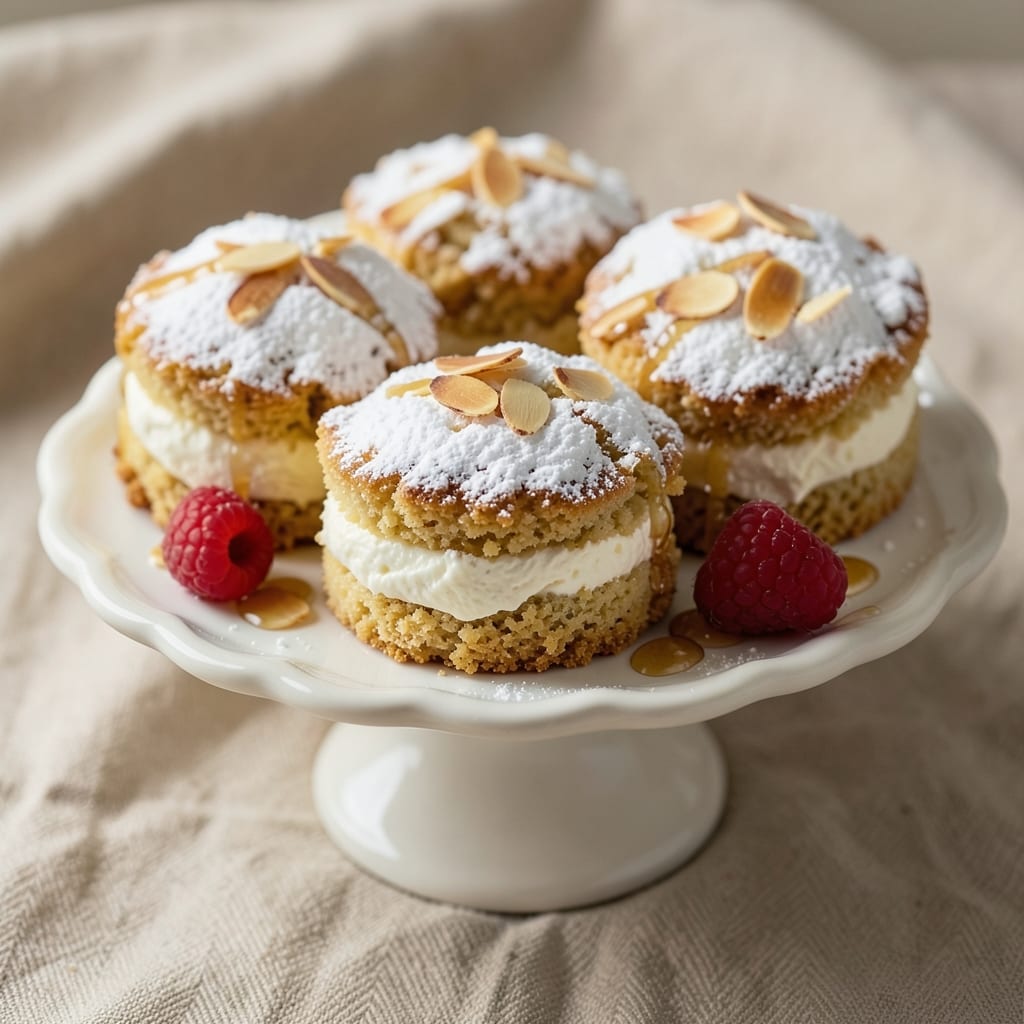
This almond ricotta tea cakes recipe transforms afternoon tea into an elegant experience with tender crumb and velvety swirls. 💛 The secret lies in balancing almond flour's nutty depth with ricotta's subtle creaminess, creating a cake that's light yet rich—perfect for pairing with your favorite tea. I've perfected the ratio of eggs and leavening to ensure these delicate cakes rise just enough to stay moist without becoming dense.
What makes these tea cakes truly special is their vanilla swirl, which adds a delicate sweetness that complements the nutty almond flavor. The recipe uses a simple mixing method that keeps the texture tender and the crumb fine, while baking at 350°F ensures a golden finish without overcooking. The result is a cake that's elegant enough for special occasions but simple enough for everyday indulgence.
Each bite delivers a harmonious blend of textures—crisp edges, tender crumb, and a creamy ricotta center that melts in your mouth. The almond flour gives these cakes a subtle nutty aroma, while the vanilla swirl adds a touch of sophistication. This recipe serves 12 tea cakes, making it perfect for sharing or enjoying with a cup of tea throughout the afternoon.
For best results, let the batter rest for 15 minutes before baking to ensure even rising. The cakes are best served warm, straight from the oven, when their aroma is at its peak. Whether you're hosting a tea party or treating yourself to a quiet afternoon indulgence, these almond ricotta tea cakes are sure to impress.
Ingredients for almond ricotta tea cakes
These 12 delicate tea cakes bring nutty almond flavor and creamy ricotta to every sip of tea.
| Ingredient | Amount | Notes |
|---|---|---|
| Almond Flour 🥜 | 1 ½ cups | Finely ground, unsweetened preferred |
| Whole Milk Ricotta Cheese 🧀 | 1 cup | Full-fat for creaminess |
| Large Eggs 🥚 | 3 whole | Room temperature for best mixing |
| Granulated Sugar 🍚 | ½ cup | Superfine preferred for smooth texture |
| Vanilla Extract 🌸 | 1 tbsp | Pure vanilla preferred |
| Baking Powder 🍞 | 1 tsp | Aluminum-free recommended |
| Salt 🧂 | ¼ tsp | Fine sea salt preferred |
| Unsalted Butter 🧈 | ½ cup | Cold, cubed for swirl |
| Vanilla Sugar 🍬 | 2 tbsp | Or mix sugar with vanilla bean |
| Powdered Sugar 🍚 | ¼ cup | For dusting finished cakes |
| Almond Slices 🥜 | ¼ cup | For garnish, toasted |
Almond flour is the star here—Bob's Red Mill or King Arthur brands keep the texture tender. Grab the full-fat ricotta from Whole Foods or the dairy section; it makes all the difference. Eggs should be at room temperature for even mixing, so take them out 15 minutes before baking. The vanilla extract? Pure Madagascar bourbon adds depth, but imitation works if you're pinching pennies. Baking powder matters—Aluminum-free ensures no metallic aftertaste. Salt is key for balancing sweetness, so don't skip it.
No almond flour? Substitute with 1 cup all-purpose flour plus 1/4 cup ground almonds—the texture won't be identical, but it's better than nothing. Full-fat ricotta unavailable? Part-skim works but may be slightly drier. Running low on vanilla extract? Vanilla sugar does the trick (just use 1 tbsp sugar + 1/2 tsp vanilla powder). For the swirl, cold butter is non-negotiable—it creates those gorgeous marbled streaks. The almond slices? Toast them first—they add crunch and aroma. Powdered sugar can be swapped for confectioners' sugar if you're in a pinch.
These cakes keep beautifully for 3 days in an airtight container at room temperature, but they're best enjoyed fresh. For make-ahead prep, bake them 1 day ahead and store in layers with parchment between each. Reheat in a 200°F oven for 5 minutes to restore warmth. The vanilla swirl keeps them moist, so they reheat beautifully. Freeze for up to 1 month—just thaw at room temperature before serving. Trust me, they taste even better the second day!
Why You'll Love This Recipe
- No Mixer Needed: I swear by this recipe when I’m too tired to pull out appliances—just whisk the eggs and ricotta by hand until smooth. The almond flour does all the heavy lifting, so no need to overthink it.
- Velvet Creaminess: That whole milk ricotta? It’s the star—rich but not heavy, with just enough vanilla to make each bite feel like a hug. The almond flour adds a subtle nutty crunch that balances it perfectly.
- Breakfast or Snack: Honestly, these work for both—eat them warm with a sprinkle of sugar for breakfast or pack them for a grab-and-go snack. They’re small enough to share but satisfying enough to eat the whole batch.
- Pantry-Friendly Leftovers: Between us, they keep well for days in the fridge, and I’ve even frozen them (yes, even on a Tuesday night). Reheat in a toaster or oven—still tender, still delicious. Zero waste, all flavor.
Step-by-step instructions for almond ricotta tea cakes
Here's how to create these delicate, vanilla-swirled tea cakes that pair perfectly with your favorite brew.
👨🍳 Step 1: Mix Wet Ingredients for a Silky Base
In a medium bowl, whisk together the 1 cup whole milk ricotta cheese and 0.5 cup granulated sugar until completely smooth. I like to press the ricotta through a fine-mesh sieve first to remove any lumps—this ensures a velvety texture in your cakes. Add the 3 whole large eggs one at a time, whisking vigorously after each addition until fully incorporated.
Stir in the 1 tbsp vanilla extract and 0.25 tsp salt, mixing until just combined. The mixture should be thick but pourable. Here's the thing—room temperature eggs blend better, so if yours are straight from the fridge, let them sit for 10 minutes before mixing. This prevents a gummy texture in your finished cakes.
👨🍳 Step 2: Combine Dry Ingredients and Fold Gently
In a separate bowl, sift together the 1.5 cups almond flour and 1 tsp baking powder. I always sift the almond flour first—it's lighter and aerates better, which helps create those delicate tea cake layers. Make a well in the center and pour in the wet ingredients. Using a spatula, gently fold everything together until just combined.
Don't overmix here—you're looking for a thick, shaggy batter with a few flour streaks still visible. Overmixing develops gluten and makes the cakes dense. If the mixture seems too thick, add 1-2 teaspoons of milk to loosen it slightly. The batter should hold its shape when dropped from a spoon but still be pourable.
🥘 Step 3: Create the Signature Vanilla Swirl
In a small bowl, mix the 0.5 cup cold unsalted butter with the 2 tbsp vanilla sugar until crumbly. Here's where it gets fun—drop spoonfuls of this butter mixture into your batter and gently swirl with the spatula to create marbled patterns. You want visible streaks of vanilla butter throughout the batter for that signature swirl effect.
For best results, work quickly but carefully. The cold butter should stay in chunks rather than melting completely into the batter. This creates pockets of rich, vanilla-infused butter that melt beautifully during baking, creating those gorgeous swirls in each cake. If the batter feels too warm, chill it for 10 minutes before proceeding.
🔥 Step 4: Pipe and Bake to Golden Perfection
Preheat your oven to 350°F and line a baking sheet with parchment paper. Fit a piping bag with a small round tip (about ½-inch diameter) and fill it with your batter. Pipe 1-inch diameter circles onto the prepared baking sheet, spacing them about 2 inches apart—they'll spread slightly during baking.
Bake for 12-15 minutes until the edges are golden brown and the tops look slightly cracked. Here's the critical checkpoint: a toothpick inserted into the center should come out with a few moist crumbs but no wet batter. Real talk—they'll look underdone when you first take them out, but they'll set up beautifully as they cool.
⏰ Step 5: Cool and Garnish for Elegant Presentation
Let the cakes cool on the baking sheet for 5 minutes before transferring them to a wire rack. While they're still warm, sprinkle the 0.25 cup almond slices on top and toast them in the oven for 1-2 minutes until lightly golden. This adds a beautiful crunchy garnish that contrasts perfectly with the tender cake.
Once completely cooled, dust the tops with 0.25 cup powdered sugar using a fine-mesh sieve for that elegant tea cake finish. These delicate treats are perfect for serving with your afternoon tea—each bite delivers a perfect balance of tender almond cake, creamy ricotta filling, and rich vanilla swirls.
Pro Tips For Making Almond Ricotta Tea Cakes
- Mix Ricotta Until Smooth: I learned this the hard way—lumpy ricotta makes dense, rubbery cakes. Use a hand mixer or food processor to break it down until it’s almost like a thick pudding. No chunks means no surprises in your bites.
- Weigh Almond Flour Precisely: Almond flour is finicky—scooping it by volume leads to dry or gummy cakes. Use a kitchen scale for accuracy; 1 cup packed equals about 120 grams. Trust me, your cakes will thank you.
- Bake Low and Slow: These cakes need time to set properly. Start at 325°F (not higher) and bake until the edges are golden but the center still jiggles slightly. Overbaking turns them dry—check with a toothpick at 20 minutes.
- Room-Temp Eggs and Dairy: Cold eggs and ricotta can make the batter separate or cakes sink. Let them sit out for 30 minutes before mixing. Warm ingredients blend better and give you a lighter texture. (Yes, even if you’re impatient like me.)
Dietary considerations for these flavors
Gluten-Free Adaptation
To make these tea cakes gluten-free, replace the almond flour with a 1:1 gluten-free almond flour blend like King Arthur Measure for Measure. This blend mimics the texture of regular almond flour while maintaining the delicate crumb structure. For extra insurance, add ½ tsp xanthan gum to help bind the batter—it's crucial for preventing crumbly results. The ricotta and vanilla swirl remain unchanged, so the flavor stays rich and creamy. 🥜
Dairy-Free Options
For a dairy-free version, swap the whole milk ricotta for dairy-free ricotta like Violife or Tofutti. These alternatives maintain the creamy texture while keeping the recipe cohesive. Replace the unsalted butter in the swirl with dairy-free butter such as Miyoko's or Earth Balance. The vanilla sugar and powdered sugar remain the same, ensuring the sweetness and aroma stay intact. 🧀
Nut-Free Substitutions
If you're avoiding nuts, replace the almond flour with gluten-free oat flour (blend rolled oats into a fine powder) or coconut flour—though coconut flour absorbs more liquid, so you may need to add 1-2 extra tablespoons of milk. For the almond slices, use toasted coconut flakes or crushed pistachios for garnish. The texture will differ slightly, but the vanilla swirl keeps the cakes delightfully moist and flavorful. 🥥
Lower-Sugar Adaptation
To reduce sugar, cut the granulated sugar to ⅓ cup and replace the vanilla sugar with 1 tbsp monk fruit sweetener or erythritol. The cakes will still taste sweet but with a more balanced flavor profile. For the powdered sugar dusting, use a ½:½ mix of powdered sugar and coconut sugar to add subtle caramel notes. The ricotta and butter swirl remain unchanged, so the richness stays intact. 🍬
Egg-Free Version
For an egg-free adaptation, replace the 3 eggs with 3 tablespoons ground flaxseed mixed with 9 tablespoons water (let it sit for 5 minutes to thicken). This mixture mimics the binding properties of eggs while keeping the cakes tender. The almond flour and ricotta still provide structure, so the texture remains light and airy. The vanilla swirl and baking process stay the same, ensuring the signature flavor and appearance. 🥚
Nutrition facts
Frequently asked questions
Why does the recipe call for room temperature eggs?
Room temperature eggs blend more smoothly into the ricotta mixture, preventing lumps and creating a velvety texture. Cold eggs can make the batter gummy, while room temp eggs help the cakes rise evenly and stay tender. Simply take them out 15 minutes before mixing for perfect results.
Can I make these tea cakes without a piping bag?
Use a ziplock bag with a small corner snipped off or a spoon to drop small mounds of batter onto the baking sheet. For more uniform cakes, wet your fingers slightly and shape the batter into 1-inch diameter rounds. Just space them 2 inches apart to prevent spreading.
How do I fix if my batter is too thick or too thin?
If too thick, add 1-2 teaspoons of milk to loosen. For thin batter, fold in 1-2 tablespoons of almond flour until it holds shape when dropped. The ideal consistency is thick but pourable—like heavy cream. Overmixing can also thin the batter, so fold just until combined.
Should I bake these at a higher temperature to speed things up?
Never exceed 350°F—higher temps cause the cakes to brown too quickly on the outside while staying undercooked inside. The ricotta needs gentle heat to melt properly, creating that creamy center. For even baking, rotate the pan halfway through the 12-15 minute timeframe.
How can I make these tea cakes extra moist?
Add 1 tablespoon of lemon juice to the ricotta mixture for brightness, or replace 1 tablespoon of almond flour with 1 tablespoon of ground flaxseed for extra moisture. Wrap baked cakes in plastic wrap and store in the fridge for up to 3 days to maintain freshness.