
Desserts
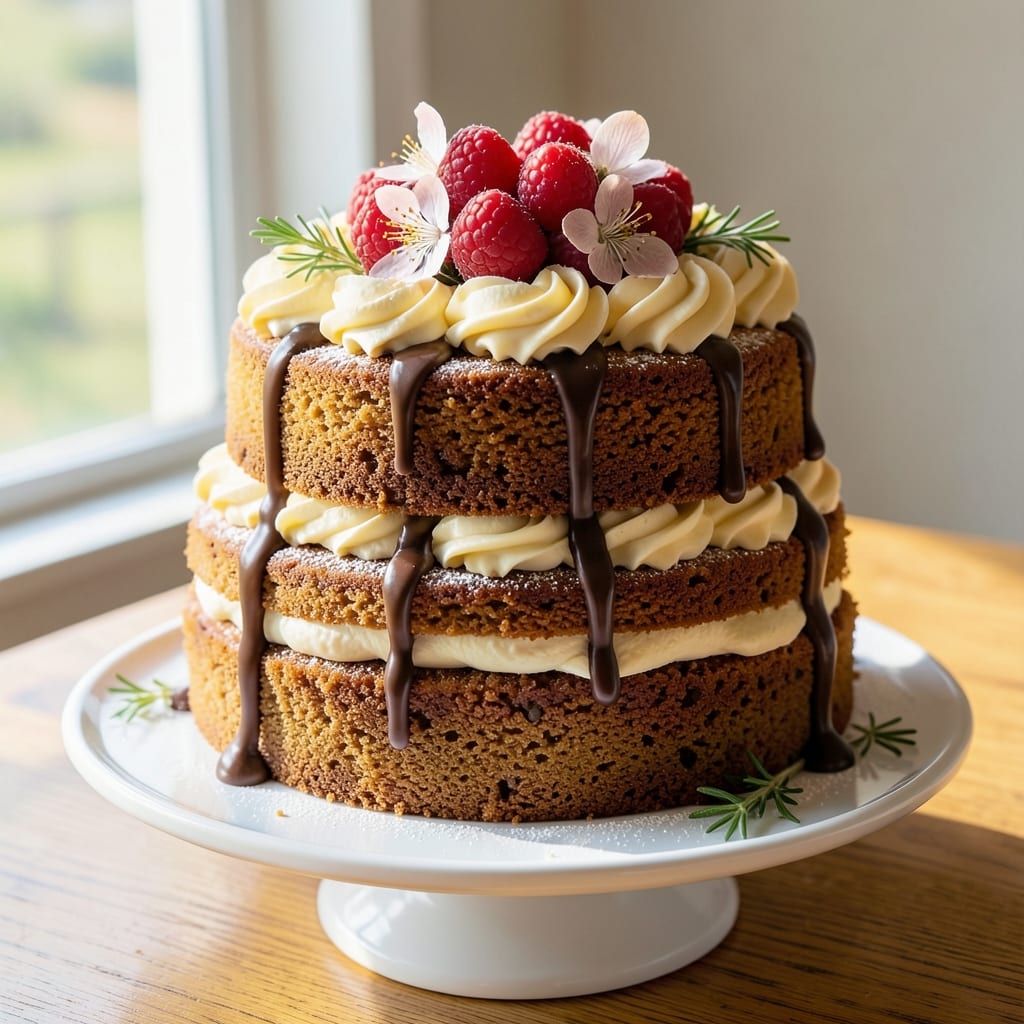
This almond paste pound cake delivers layers of fragrant vanilla-almond flavor with a signature buttery crust—perfect for special occasions or tea-time indulgence. The secret lies in almond paste's rich, nutty depth that transforms ordinary pound cake into something extraordinary. Every bite reveals tender crumb and subtle almond notes that linger beautifully.
Crafting this cake requires precise technique: creaming butter and sugar until light, folding in almond paste for even distribution, and baking at 325°F for golden perfection. The recipe balances traditional pound cake structure with almond's natural moisture, ensuring a cake that stays tender for days. Professional bakers swear by this method for restaurant-quality results at home.
What sets this apart is the almond paste's dual role—adding intense flavor while preventing dryness, a common issue in pound cakes. The buttery crust forms naturally from the egg wash, creating that coveted golden finish. Serve dusted with powdered sugar or paired with Earl Grey tea for an elegant touch.
With just 10 ingredients and 60 minutes of active time, this cake delivers restaurant-worthy elegance without the fuss. The recipe scales perfectly for gatherings while maintaining its delicate balance of textures. Let's create something truly memorable with every slice.
Ingredients for almond paste pound cake
Twelve elegant ingredients crafting restaurant-quality vanilla-almond layers with signature buttery crust.
| Ingredient | Amount | Notes |
|---|---|---|
| Unsalted Butter 🧈 | 1 ½ cups | Cold, cut into 1-inch cubes |
| Granulated White Sugar 🍚 | 2 ½ cups | Superfine preferred for smooth texture |
| Large Eggs 🥚 | 6 whole | Room temperature, separated |
| Almond Paste 🌰 | 1 ½ cups | High-quality, finely textured |
| All-Purpose Flour 🌾 | 3 cups | Sifted, spooned lightly |
| Pure Vanilla Extract 🌿 | 2 tbsp | Bourbon or Madagascar preferred |
| Baking Powder 🧂 | 1 ½ tsp | Aluminum-free for tender crumb |
| Salt 🧂 | ½ tsp | Fine sea salt, Diamond Crystal |
| Whole Milk 🥛 | 1 cup | Room temperature, full-fat |
| Powdered Sugar 🍚 | ½ cup | For egg wash and dusting |
The almond paste is non-negotiable here—Laffa or Marzipan House brands deliver that signature fine texture and rich flavor. Costco or specialty baking stores stock the best quality, but avoid anything with visible graininess. For the butter, Plugrá or Land O'Lakes unsalted work perfectly, though European-style butter like Bergère adds luxurious depth. The eggs should be large, organic, and fresh—room temperature ensures even distribution when folding. Superfine sugar dissolves more smoothly, but if you only have granulated, pulse it briefly in a food processor for a similar effect.
No almond paste? Homemade almond butter blended with powdered sugar works in a pinch, though texture won't be identical. Substituting vanilla bean paste for extract adds complexity, but pure Madagascar vanilla is ideal for its floral notes. For a lighter cake, replace up to half the milk with unsweetened almond milk, though the buttery richness suffers slightly. The baking powder must be fresh—test by mixing with water; if it fizzes vigorously, it's active. Diamond Crystal salt is preferred for its fine grain, but any sea salt works if you sift it.
Store the cake in an airtight container at room temperature for up to 5 days, though it's best enjoyed within 3 days for peak moisture. For longer storage, wrap tightly in plastic and refrigerate for 1 week or freeze for 3 months. The buttery crust stays crisp for about 24 hours at room temperature—reheat slices at 300°F for 5 minutes to restore it. Dust with powdered sugar just before serving to maintain that elegant restaurant finish.
Why You'll Love This Recipe
- No-Fuss Mixing: I swear by this recipe’s simplicity—just cream butter and sugar, fold in eggs, then gently stir in the almond paste and flour. No sifting, no overmixing, no stress. The batter comes together in minutes, and honestly? That’s half the battle won.
- Rich, Nutty Luxury: The almond paste gives this cake a depth that’s hard to resist—creamy, slightly sweet, with that unmistakable marzipan warmth. It’s like a hug for your taste buds, buttery and sophisticated without tasting like you slaved over it.
- Weeknight Hero: Slice it fresh for breakfast with coffee, pack it for lunches, or serve it at dinner with tea. It keeps beautifully for days, so I always bake a double batch. (Yes, even on a Tuesday night—I’m not perfect, but this cake is.)
- Budget-Friendly Indulgence: Almond paste might sound fancy, but a little goes a long way, and the rest of the ingredients are pantry staples. You get a showstopper dessert without breaking the bank, and leftovers? They disappear faster than I can say “second slice.”
Step-by-step instructions for almond paste pound cake
Here's the method for a perfectly layered cake with tender crumb and rich almond flavor.
Cream Butter and Sugar Until Light and Fluffy
In a stand mixer fitted with the paddle attachment, beat the 1.5 cups unsalted butter (cold, cut into 1-inch cubes) and 2.5 cups granulated white sugar on medium speed for 3-4 minutes. You're looking for a pale, fluffy mixture that nearly doubles in volume and leaves faint ribbons when the beaters are lifted. This creaming process incorporates air, which creates that signature tender crumb.
I always use superfine sugar for this recipe—it dissolves more evenly and prevents graininess in the final cake. If you're using regular granulated sugar, pulse it in a food processor first to refine the texture. Scrape down the sides of the bowl every 30 seconds to ensure even mixing, as the butter needs to fully emulsify with the sugar.
Add Eggs and Almond Paste in Stages
Add the 6 whole large eggs (room temperature) one at a time, mixing on low speed after each addition until fully incorporated. This gradual addition prevents the batter from curdling. After all eggs are added, mix in the 2 tbsp pure vanilla extract and the 1.5 cups almond paste until completely smooth.
The almond paste should blend seamlessly into the batter—this is where the cake gets its signature nutty depth. If you notice any lumps, press them through a fine-mesh sieve to ensure an even texture. The batter should now be thick, glossy, and hold its shape when spooned. This is your baseline for proper consistency before adding dry ingredients.
Combine Dry Ingredients and Milk Gradually
In a separate bowl, whisk together the 3 cups all-purpose flour (sifted), 1.5 tsp baking powder, and 0.5 tsp salt. With the mixer on low speed, alternately add the dry ingredients and 1 cup whole milk, beginning and ending with the flour mixture. Mix just until combined—overmixing develops gluten, which makes the cake dense rather than tender.
Here's the thing—you want to see a few flour streaks remain in the batter. This ensures you haven't overworked the gluten. The batter should be thick but pourable, with a smooth, velvety texture. If it looks too stiff, add an extra 1 tablespoon milk to loosen it. The goal is a batter that's just thick enough to hold its shape when poured but still flows easily.
Prepare and Bake the Cake Layers
Preheat your oven to 350°F and grease three 9-inch round cake pans with butter or baking spray, then dust with flour. Divide the batter evenly among the pans. For an extra buttery crust, brush the sides of each pan with melted butter before adding the batter. Bake for 25-30 minutes, or until a toothpick inserted into the center comes out clean and the tops spring back when pressed gently.
I like to rotate the pans halfway through baking for even browning. The cake should rise about ½ inch above the pan edges and have a golden, even color. If the tops brown too quickly, tent the pans with foil after 20 minutes. Let the cakes cool in their pans for 10 minutes before transferring to a wire rack to cool completely.
Assemble and Finish the Cake
Once the layers are completely cool, level the tops if necessary using a serrated knife. For the filling, whip the 0.5 cup powdered sugar with 2 tablespoons milk until smooth and spreadable. Place one layer on a cake stand or plate and spread with half the filling. Repeat with the remaining layers and filling, finishing with the top layer.
For the crust, whisk the remaining 0.5 cup powdered sugar with 1 tablespoon milk and brush it over the top and sides of the cake. Dust with a light layer of powdered sugar for a professional finish. Let the cake sit for 1 hour before slicing to allow the filling to set. The result should be layers of tender, moist cake with a delicate almond flavor and a buttery, powdered sugar crust.
Pro Tips For Making Almond Paste Pound Cake
- Cream Butter Slowly: Beat the butter and sugar until it’s pale and fluffy—about 5 minutes with an electric mixer. I learned this the hard way: rushing it leaves pockets of air that collapse during baking, giving you a dense, sad cake instead of that light, airy texture you’re after. ---
- Toast the Almond Paste: Warm the almond paste in the oven (350°F for 5–7 minutes) before mixing it into the batter. It softens the fat, blends smoother, and prevents those weird streaks of raw almond paste in your final slice—trust me, it’s a game-changer. ---
- Don’t Overmix the Batter: Fold in the flour and almond paste just until combined—lumpy is fine, tough is not. Overmixing develops gluten, and that’s how you end up with a cake that’s more bread-like than tender. Stop when the flour disappears, even if it looks uneven. ---
- Test for Doneness Early: Pull the cake from the oven when the edges are golden but the center still jiggles slightly—a toothpick should come out with a few moist crumbs, not wet batter. Almond paste cakes finish baking after they’re out, so resist the urge to bake it rock-solid.
Common mistakes when making your almond paste pound cake
Overmixing the Batter
This is the #1 mistake that turns tender pound cake into dense brick. Once you add the flour, mix only until combined—about 20-30 seconds after the last flour disappears. Overmixing develops gluten, which creates a tough, chewy texture instead of that signature tender crumb. I've ruined many cakes by letting the mixer run too long, so I now set a timer for 1 minute total after adding flour. 💡
Incorrect Almond Paste Texture
Using lumpy almond paste creates uneven flavor distribution and can leave dry spots in your cake. Always press your 1.5 cups almond paste through a fine-mesh sieve before adding it to the batter. I recommend Laffa or Marzipan House brands—they're finely textured and blend smoothly. If your paste has visible graininess, it won't dissolve properly, leading to that unpleasant sandy texture in every bite.
Skipping Room Temperature Ingredients
Cold eggs and butter are the silent cake killers. Room temperature ingredients blend more evenly, creating a lighter texture. Let your 6 eggs and 1.5 cups butter sit at room temperature for 1-2 hours before starting. I learned this the hard way—once I used cold eggs and ended up with a cake that was dense and greasy. For a quick fix, place eggs in warm water for 10 minutes and cut butter into ½-inch cubes (not large chunks) to help them come to temperature faster.
Improper Baking Time
Underbaking leaves your cake gummy, while overbaking dries it out. The key is baking until a toothpick comes out clean with just a few moist crumbs—about 25-30 minutes at 350°F. I've seen cakes pulled too soon with a "clean" toothpick that still felt underdone. For perfect doneness, press the center gently—it should spring back slowly, not bounce right up. If the tops brown too quickly, tent with foil after 20 minutes to prevent over-browning while the center finishes cooking.
Neglecting the Crust
The buttery powdered sugar crust is what makes this cake special, but many home bakers skip it entirely. Brush the sides of your pans with melted butter before adding batter, then create that signature crust by whisking 0.5 cup powdered sugar with 1 tbsp milk and brushing it over the cooled cake. The crust should be thin but even—don't overdo it, or it'll taste like sugar. I like to dust with extra powdered sugar right before serving to keep it looking fresh and elegant. 🥧
Using Low-Quality Almond Paste
Not all almond pastes are created equal. Cheap or grainy almond paste can make your cake taste bitter and leave an unpleasant texture. Always use high-quality brands like Laffa or Marzipan House, available at specialty stores or online. If you must substitute, blend 1 cup almond butter with ½ cup powdered sugar until smooth, but expect slightly less intense flavor. The difference in quality is noticeable—professional bakers won't compromise on this ingredient for any cake, especially one where almond flavor is the star.
Nutrition facts
Frequently asked questions
Can I make this almond paste cake in a single layer instead of three?
For a single 9-inch layer, use the same batter but bake in a single greased pan for 45-50 minutes at 325°F. The baking time increases because there's more cake mass to cook through. Reduce the powdered sugar crust to ¼ cup since you're covering less surface area. This works beautifully for individual servings or smaller gatherings.
How do I store leftovers to keep them moist?
Store your cake in an airtight container at room temperature for up to 5 days, but wrap individual slices in plastic wrap to maintain freshness. For longer storage, refrigerate the whole cake (covered) for 1 week or freeze for 3 months. To revive stale slices, warm them at 300°F for 5 minutes—the heat reactivates the moisture.
What's the best way to add extra almond flavor?
For deeper almond notes, fold in 1 teaspoon almond extract with the vanilla or sprinkle ½ cup toasted sliced almonds on top before baking. You can also replace ½ cup flour with almond flour for a nuttier texture. Just remember: almond paste already provides rich flavor, so add enhancements gradually to avoid overpowering the delicate balance.
Can I substitute marzipan for almond paste?
Yes! Marzipan works perfectly in a 1:1 ratio, though it's slightly sweeter and denser. For best results, use high-quality marzipan (like Marzipan House) and press it through a sieve first. The texture will be slightly firmer, but the flavor remains rich and nutty. Avoid store-brand marzipan with visible sugar crystals—it can create graininess in your cake.
Why did my cake turn out dense instead of tender?
Dense cake usually means overmixing or underbaking. Mix the batter only until combined (about 20 seconds after flour disappears) and bake until a toothpick comes out clean with moist crumbs. Also check your almond paste—lumpy paste creates uneven texture. For extra tenderness, let your cake cool completely before slicing to prevent crumb breakdown.