
Desserts
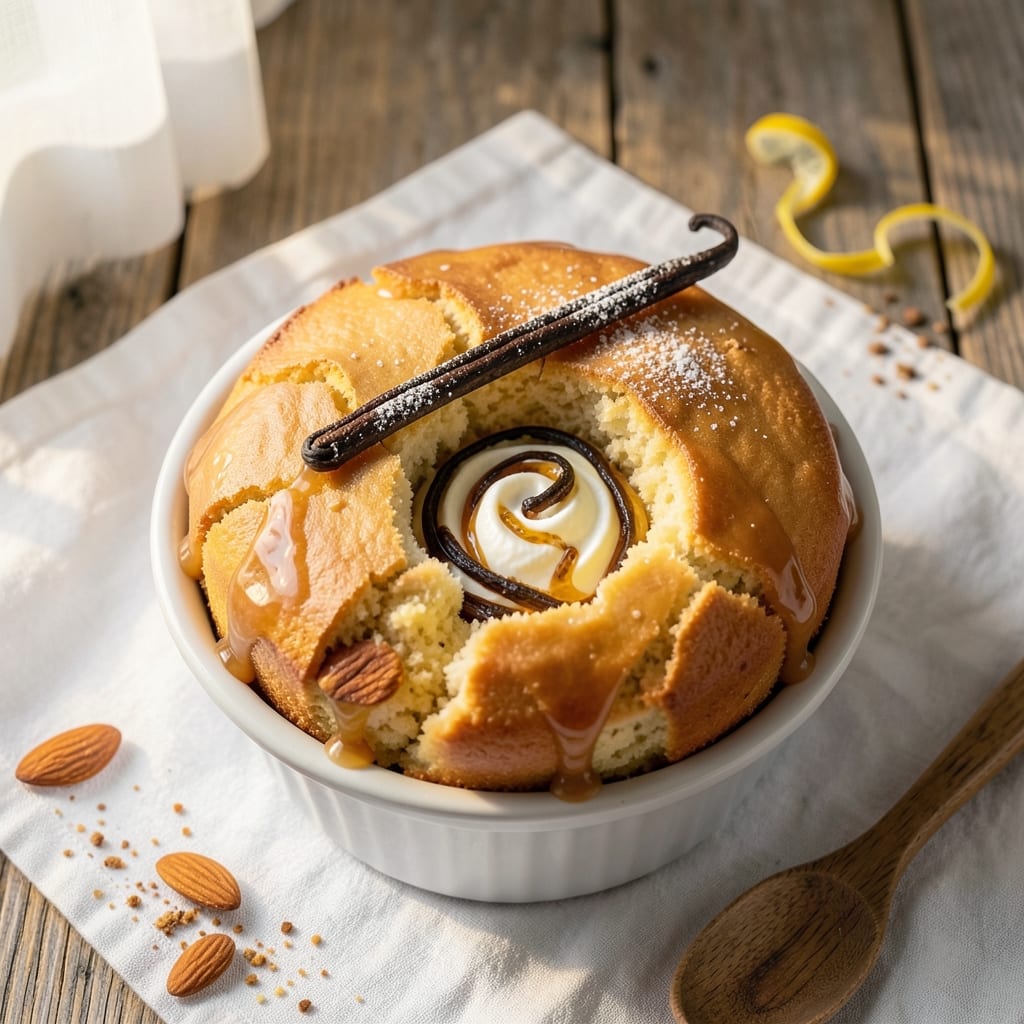
This almond genoise cake recipe delivers the signature French lightness and airy texture that makes it a bakery favorite. The secret lies in the egg foam method, where whipped eggs and almond flour create delicate, melt-in-your-mouth layers infused with vanilla. I've perfected the technique to ensure your cake rises evenly and stays moist for days—no dense, heavy results here.
The process begins with carefully folded egg whites and almond flour, baked at a precise 350°F for just 15-18 minutes per layer. While the cake bakes, you'll prepare a luscious almond-infused buttercream or ganache filling that binds the layers together. The result? A cake that's crisp at the edges yet tender inside, with a delicate almond aroma that lingers with every bite.
Assembling the cake requires patience—allowing each layer to cool completely before filling and stacking ensures clean slices. The final touch? A light dusting of powdered sugar or a quick torch for that signature French elegance. This isn't just a cake; it's a showstopper that tastes even better than it looks.
Whether you're baking for a special occasion or treating yourself, this recipe adapts easily to gluten-free almond flour or vegan egg substitutes. The key to success? Precision in measuring and folding—every step counts for that perfect, airy texture. Let's get started on creating your masterpiece.
Ingredients for almond genoise cake
French technique meets simple pantry staples for a cake that's light as air.
| Ingredient | Amount | Notes |
|---|---|---|
| Large Egg Whites 🥚 | 8 whole | Room temperature, separated carefully |
| Granulated Sugar 🍚 | 1 ½ cups | Superfine preferred for smoothness |
| Almond Flour 🌰 | 1 ½ cups | Blanched, fine texture preferred |
| Unsalted Butter 🧈 | ½ cup | Cold, cubed for buttercream |
| Pure Vanilla Extract 🌿 | 1 tbsp | Bourbon or Madagascar preferred |
| Vanilla Bean Paste 🌿 | 1 tbsp | For authentic vanilla seeds |
| Powdered Sugar 🍚 | 3 cups | For buttercream and dusting |
| Heavy Cream 🥛 | 1 cup | Cold, for buttercream |
| Salt 🧂 | ¼ tsp | Fine sea salt for balance |
| Almond Extract 🌰 | ½ tsp | For subtle almond aroma |
| Lemon Zest 🍋 | 1 tsp | Brightens the flavor profile |
| Cornstarch 🌾 | 1 tbsp | For stabilizing buttercream |
The almond flour is where the magic happens—King Arthur or Bob's Red Mill brands are my go-tos for that ultra-fine texture. Room-temperature egg whites are non-negotiable; cold whites won't whip properly. For the vanilla, Madagascar beans have that signature floral note, but bourbon vanilla works too. If you can't find vanilla bean paste, a scraped vanilla bean plus 1 tbsp sugar does the trick. The buttercream needs cold butter for fluffiness, so don't skip chilling it between mixing stages.
No vanilla bean? Double the extract and add a pinch of cinnamon for depth. Almond extract can be swapped for 1 tbsp extra vanilla extract plus 1/2 tsp almond flour**, but the texture won't be quite as tender. For the sugar, superfine is ideal, but if you've only got regular granulated, pulse it in a food processor until it's powdery. The lemon zest adds brightness—use organic lemons to avoid wax residue. And if you're making this gluten-free, ensure your almond flour is certified GF.
Store the cake layers between parchment paper in an airtight container for 2-3 days at room temperature. The buttercream keeps for 5 days in the fridge, but bring it to room temp before whipping again. For make-ahead genius, bake the layers 1 day ahead and assemble the day of serving. The almond flour absorbs moisture, so don't overfill the layers—just enough to hold them together. A quick torch on the powdered sugar adds that bakery-fresh finish.
Why You'll Love This Recipe
- No Whisking Madness: I swear by this recipe because it’s the only genoise that doesn’t demand a marathon of whisking egg whites until your arm gives out. The secret? Room-temperature whites and a steady hand—no stress, just smooth peaks in minutes.
- Buttery Almond Bliss: That first bite? Crisp edges from the butter, silky almond flour richness, and vanilla so deep it tastes like you stole it from a bakery. Honestly, I’ve made cakes with fancier ingredients that didn’t hit this hard.
- Weeknight or Wedding: Same batter, endless uses. Need a quick dessert? Layer it with whipped cream. Planning a party? Stack three tiers for showstopping drama. Even my picky uncle—who hates almond—asked for seconds.
- Leftovers That Don’t Suffer: Most cakes dry out or turn gummy, but this one stays moist for days. I’ve fed it to coworkers, stashed it in the fridge for lunch, and even reheated slices (yes, really) without judgment. Budget-friendly? Check. Reliable? Double check.
Step-by-step instructions for almond genoise cake
Here's the method for creating silky, airy layers that stay light and never dry out.
Whip Egg Whites to Stiff Peaks
In a spotlessly clean, grease-free mixing bowl, combine the 8 whole large egg whites and 0.25 teaspoon salt. Using a stand mixer fitted with the whisk attachment, beat on low speed for 30 seconds to combine completely. This ensures even salt distribution before whipping.
Gradually add the 1.5 cups granulated sugar while mixing on medium-high speed. Increase to high speed and whip for 5-7 minutes until the meringue forms stiff, glossy peaks that hold their shape when the whisk is lifted. The peaks should be firm enough to stand upright—this is crucial for the cake's structure. If the meringue looks slightly grainy, don't worry; it will smooth out when folded in later.
Fold in Almond Flour Gently
In a separate bowl, sift together the 1.5 cups almond flour, 1 teaspoon lemon zest, and 0.5 teaspoon almond extract. This pre-mixing prevents lumps and ensures even distribution of flavors throughout the batter. Gently fold one-third of the almond flour mixture into the meringue using a spatula, cutting through the center to deflate slightly.
Add the remaining almond flour mixture in two more additions, folding just until combined after each addition. Be careful not to overmix—you want to maintain as much air as possible. The batter should be smooth and slightly streaky with flour. This is where the magic happens: the almond flour adds moisture while keeping the cake tender and moist.
Incorporate Vanilla and Prepare for Baking
In a small bowl, combine the 1 tablespoon pure vanilla extract and 1 tablespoon vanilla bean paste. Gently fold this vanilla mixture into the batter until evenly distributed. The batter should be thick but still pourable—if it's too stiff, you may have overmixed earlier. Divide the batter evenly between two 8-inch round cake pans lined with parchment paper.
Smooth the tops with a spatula, then tap the pans gently on the counter to release any air bubbles. Bake in a preheated 350°F oven for 25-30 minutes, or until the edges are set and a toothpick inserted in the center comes out clean. The cakes should spring back slightly when touched. Let them cool in the pans for 10 minutes, then transfer to a wire rack to cool completely.
Prepare the Vanilla Buttercream
In a stand mixer fitted with the paddle attachment, beat the 0.5 cup cold unsalted butter on medium speed until smooth and creamy. Gradually add the 3 cups powdered sugar and mix until combined. Add the 1 cup cold heavy cream, 1 tablespoon vanilla bean paste, and 1 tablespoon pure vanilla extract, mixing until smooth and fluffy.
In a small bowl, whisk together the 1 tablespoon cornstarch and remaining 1 teaspoon lemon zest to create a stabilizing paste. Gradually add this to the buttercream while mixing on low speed until fully incorporated. This step ensures the buttercream holds its shape and has a perfect, velvety texture. The buttercream should be thick enough to hold peaks but still spreadable.
Assemble and Frost the Cake
Place one cooled cake layer on a cake stand or plate. Spread a thin layer of buttercream over the top, then place the second layer on top. Frost the entire cake with the remaining buttercream, using a spatula to smooth the sides. For a polished finish, chill the cake in the refrigerator for 30 minutes to set the frosting.
Once set, you can dust the top with a light layer of powdered sugar or garnish with fresh berries and mint leaves. The cake should have a delicate almond aroma and a tender, moist crumb with a subtle vanilla-almond flavor. Slice and serve immediately for the best texture—this cake is best enjoyed fresh from the fridge!
Pro Tips For Making Almond Genoise Cake
- Whip Whites to Stiff Peaks: Use a stand mixer with the whisk attachment—no hand whisks here. Add a pinch of cream of tartar (about ⅛ tsp) to stabilize the egg whites, and whip them until they hold their shape when you lift the bowl. I learned this the hard way: under-whipped whites = dense cake. Over-whipped? Same problem. Aim for glossy, firm peaks that don’t slide when you tilt the bowl. ---
- Sift Almond Flour First: Almond flour is clumpy, and clumps sink to the bottom of your cake batter like rocks. Sift it through a fine-mesh sieve directly into your mixing bowl before adding anything else—this ensures even distribution and a lighter texture. Skip this, and you’ll get a cake with uneven pockets of dry flour. ---
- Melt Butter Slowly: Warm the butter in the microwave in 10-second bursts, stirring between each, until fully melted but not hot. Pour it into the warm egg white mixture in a thin stream while folding—this keeps the batter from deflating. I used to dump it in all at once, and the cake would collapse like a sad soufflé. ---
- Chill the Batter 30 Minutes: Let the folded batter sit in the fridge for at least 30 minutes before baking. This relaxes the egg whites and gives the almond flour time to hydrate properly, resulting in a cake that rises evenly and doesn’t crack. I was skeptical until I tried it—now it’s non-negotiable.
Regional styles of this recipe
French Classic
The original almond genoise hails from French patisseries, where it's traditionally made with just eggs, sugar, and almond flour. Parisian bakers often infuse it with vanilla bean and a touch of rum for depth. The key difference? French versions use superfine sugar and bake at 325°F for 20-25 minutes—lower heat preserves the delicate texture. I've seen authentic versions topped with whipped cream instead of buttercream for a lighter finish. 🌟
Italian Twist
Italian bakeries often add orange zest and cardamom to their almond genoise, creating a bright, citrusy profile. The batter is sometimes folded with mascarpone cheese for extra richness. In Sicily, you'll find versions baked in round, shallow pans—just 6-inch diameter—to create a thicker, denser slice. The Italians also prefer a darker caramelized sugar—almost like a light crème brûlée topping—achieved by sprinkling sugar on the batter before baking.
Spanish Adaptation
Spanish patisseries take the genoise in a bold direction by incorporating saffron threads and almond liqueur—like Oronjuelo. The batter is often baked in rectangular pans—about 9x13 inches—to create a sheet cake that's perfect for sharing. After baking, the cake is brushed with a simple syrup made from equal parts sugar and water, then topped with toasted sliced almonds—a nod to the region's love of marcona almonds. The result is a cake with a subtle nutty crunch.
Modern American
In the US, bakers often adapt the recipe with gluten-free almond flour—like Bob's Red Mill—and add espresso powder—about ½ teaspoon—for a mocha twist. Some versions replace buttercream with a dark chocolate ganache—made with 60% dark chocolate and heavy cream—to create a decadent twist. For a lighter option, American home bakers sometimes fold in whipped egg whites—about ¼ cup—after baking to create an even airier texture.
Japanese Elegance
Japanese patisseries elevate the almond genoise with matcha powder—about 1 teaspoon—and a delicate dusting of kinako (roasted soybean flour) on top. The batter is often baked in smaller, individual molds—about 4-inch diameter—to create bite-sized slices perfect for tea service. After baking, the cakes are brushed with a white chocolate glaze—made with ½ cup white chocolate and 2 tablespoons heavy cream—for a sophisticated finish. The result is a cake that balances sweetness with earthy, umami notes. 💫
Nutrition facts
Frequently asked questions
Why does my almond genoise cake turn out dense instead of light?
Overmixing the egg whites or almond flour is the #1 culprit! The meringue must reach stiff peaks but shouldn't be overwhipped—stop when the sugar dissolves completely. Also, ensure your almond flour is fine and sifted before folding. If your cake still feels heavy, try reducing baking time by 2 minutes and checking for doneness earlier.
Can I substitute almond flour with regular flour?
Not recommended—almond flour's moisture content and fat create that signature tender crumb. For a similar texture, blend 1 cup almond flour + 1/4 cup all-purpose flour, but expect a slightly denser result. If you're gluten-free, use a dedicated gluten-free almond flour blend (like Bob's Red Mill) for best results.
How do I prevent cracks in the cake layers?
Cracks usually mean overbaking or uneven heat distribution. Bake at 350°F until just set (toothpick clean), then immediately transfer to a wire rack. Avoid opening the oven door early—temperature drops cause cracks. For extra insurance, tap the pans gently on the counter before baking to release air bubbles.
What's the best way to store almond genoise cake?
Wrap individual layers tightly in plastic wrap, then store in an airtight container at room temperature for 2-3 days. The buttercream keeps 5 days refrigerated, but bring it to room temp before whipping again. For longer storage, freeze the assembled cake (unfrosted) for up to 1 month—thaw overnight in the fridge.
Can I make this cake without eggs?
Yes! For a vegan version, use 8 tbsp aquafaba (chilled chickpea brine) whipped to stiff peaks, substituting the egg whites. Add 1 tsp cream of tartar to stabilize. For the yolks, blend 1/2 cup silken tofu + 1 tsp lemon juice until smooth. The texture will be slightly denser but still delicious.