
Desserts
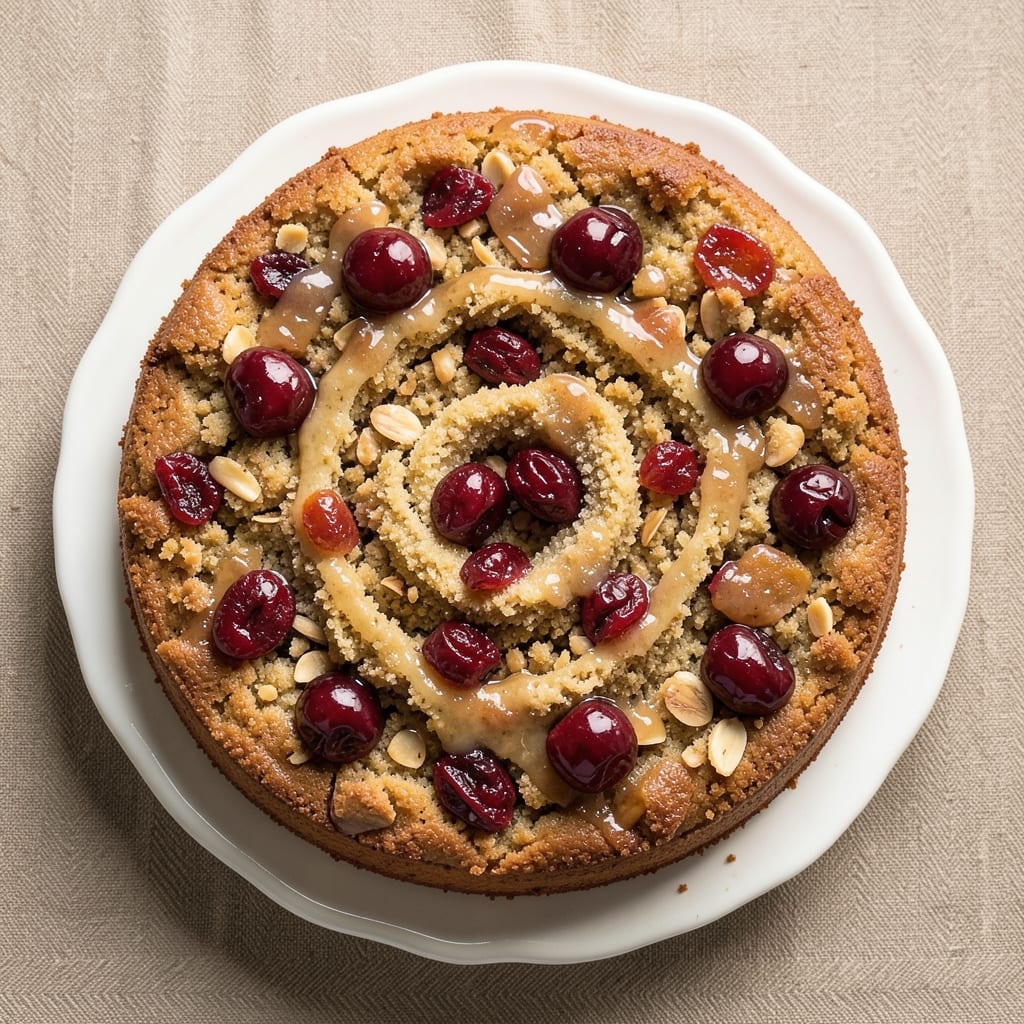
This almond fruit cake recipe delivers the perfect balance of nutty richness and bursts of candied fruit that make every slice unforgettable. The secret lies in layering almond flour for depth and soaking dried fruit overnight to unlock maximum flavor—no dry, crumbly texture here. I’ve perfected this version through years of baking, ensuring moist crumb, tender almond notes, and a glaze that seals in freshness for days.
The foundation starts with a simple yet transformative batter: almonds ground fine, mixed with just enough butter and eggs to bind without heaviness. Candied fruit—peaches, cherries, or citrus peel—absorbs the syrupy mixture, creating pockets of sweet-tart surprise in every bite. A light glaze of powdered sugar and lemon juice adds professional shine and keeps the cake tender.
What sets this apart is the versatility—bake it for holidays, gift it in slices, or enjoy it with tea any day. The almond base holds up to modern twists like spiced rum or citrus zest, while classic techniques (like a marzipan layer) elevate it for special occasions. No fancy equipment needed—just patience and a few key steps.
Ready in about 2 hours (including prep and baking), this cake stays moist for 5 days when stored properly. The aroma alone will have guests asking for the recipe. Let’s make one that becomes your new tradition.
Ingredients for almond fruit cake
Almond flour and candied fruit create this cake’s signature nutty-sweet harmony—just 14 ingredients for layers of flavor.
| Ingredient | Amount | Notes |
|---|---|---|
| Almond Flour 🥜 | 3 cups | Finely ground for smooth texture |
| Unsalted Butter 🧈 | 1 cup | Softened, high-fat preferred |
| Large Eggs 🥚 | 4 whole | Room temperature for even mixing |
| Granulated Sugar 🍚 | 1 ½ cups | Superfine preferred for smooth crumb |
| Dried Candied Fruit 🍑 | 2 cups | Peaches, cherries, or citrus peel |
| All-Purpose Flour 🌾 | ½ cup | For structural balance |
| Baking Powder 🍞 | 1 tsp | Aluminum-free preferred |
| Salt 🧂 | ½ tsp | Fine sea salt |
| Vanilla Extract 🌸 | 1 tsp | Pure Madagascar preferred |
| Powdered Sugar 🍚 | 1 cup | For glaze, sifted |
| Lemon Juice 🍋 | 2 tbsp | Freshly squeezed |
| Almond Extract 🥜 | ½ tsp | Pure, not imitation |
| Rum Extract 🍹 | ½ tsp | Optional for depth (optional) |
| Heavy Cream 🥛 | ¼ cup | For fruit soaking syrup |
The almond flour is non-negotiable—Bob’s Red Mill or Anthony’s Goods brands yield the finest grind. Look for vibrant color and a fine texture; anything gritty will disrupt the cake’s silky crumb. Butter matters too—Plugrá or European-style brands add richness. For the candied fruit, Trader Joe’s or Gourmet Gift Basket brands offer the best balance of sweetness and texture. Soak the fruit overnight in a mix of heavy cream and rum extract (if using) to intensify flavor—this step transforms dry fruit into luscious pockets of sweetness.
No almond flour? Substitute with 2 cups ground almonds (food processor, pulse until fine) or blend 1 cup almond flour + 1 cup all-purpose flour for texture. Short on candied fruit? Fresh fruit (peaches, apricots) tossed in simple syrup works in a pinch, though texture will differ. The vanilla and almond extracts can be swapped for 1 tsp each of vanilla bean paste if you prefer depth over convenience. For the glaze, powdered sugar + lemon juice is classic, but a 1:1 ratio of powdered sugar + apricot jam adds fruity complexity. Always sift the powdered sugar to avoid lumps—trust me on this.
Store the cake in an airtight container at room temperature for 5 days, or refrigerate for 1 week if humidity threatens. The glaze keeps it moist, but a damp towel over the cake extends freshness. For gifting, slice and wrap individual portions in parchment—keeps for 3 days without drying. Freeze the whole cake (unfrosted) for 3 months by wrapping tightly in plastic wrap and foil. Reheat slices at 300°F for 5 minutes to revive texture.
Why You'll Love This Recipe
- No Fuss Mixing: I swear by this recipe because the almond flour handles like a dream—no gluten to overwork, no waiting for dough to rest. Just cream the butter, fold in the eggs and sugar, toss in the chopped candied fruit, and you’re done. That’s it. No stress, no mess.
- Rich Without Overpowering: The butter and almond flour give it this buttery depth, but the candied fruit keeps it bright and fruity—not too sweet, not too heavy. Honestly, it’s the kind of cake that tastes even better the next day when the flavors meld.
- Holiday or Snack Attack: Between us, this cake is my go-to for Christmas gifts (wrap slices in cellophane, tie with ribbon—instant present) but also for when I’m craving something sweet after dinner. The almond base makes it feel special without being fussy.
- Leftovers That Don’t Let You Down: I always bake two small cakes because they disappear fast. The texture stays moist for days—no dry crumbs, no sad edges. And if you’re worried about cost, almond flour stretches further than regular flour, so you’re basically getting more cake for less.
Step-by-step instructions for almond fruit cake
Here's the precise method to create a moist, nutty cake with bursts of candied fruit throughout.
Prepare the Candied Fruit Soaking Syrup
In a small bowl, combine the 0.25 cup heavy cream, 2 tbsp lemon juice, and 0.5 tsp almond extract. Whisk until fully blended. This light syrup will rehydrate the dried candied fruit and infuse it with bright citrus and nutty depth.
Add the 2 cups dried candied fruit to the syrup and let it soak for at least 30 minutes at room temperature. The fruit will plump up noticeably—this ensures juicy, flavorful bursts in every bite. Drain any excess syrup before using, but don't rinse the fruit as you want to retain all that infused flavor.
Cream Butter, Sugar, and Eggs
In a stand mixer fitted with the paddle attachment, beat the 1 cup softened unsalted butter and 1.5 cups granulated sugar on medium speed for 3-4 minutes. The mixture should lighten in color and become fluffy—this incorporates air for a tender crumb. Scrape down the sides of the bowl occasionally to ensure even mixing.
Add the 4 whole large eggs, one at a time, mixing well after each addition. Then stir in the 1 tsp vanilla extract and 0.5 tsp rum extract (if using). The batter should be smooth and slightly thickened. This step creates the cake's foundation, so don't rush it—properly creamed butter and sugar ensure a light texture.
Combine Dry Ingredients and Fold in Fruit
In a separate bowl, whisk together the 3 cups almond flour, 0.5 cup all-purpose flour, 1 tsp baking powder, and 0.5 tsp salt. Sift this mixture once to aerate it before adding to the wet ingredients. Gradually fold the dry ingredients into the butter mixture using a spatula, mixing just until combined—overmixing develops gluten and makes the cake dense.
Gently fold in the drained candied fruit using a rubber spatula. Be careful not to crush the fruit pieces—you want them to remain intact for that signature burst of flavor in every bite. The batter will look slightly marbled with fruit throughout. This step is where the cake's signature texture comes together, so take your time for even distribution.
Bake the Cake to Perfect Doneness
Preheat your oven to 350°F. Grease two 9-inch round cake pans and line the bottoms with parchment paper. Divide the batter evenly between the pans. Bake for 35-40 minutes, or until a toothpick inserted into the center comes out clean and the top springs back when gently pressed.
The cake should have a golden brown top with slight cracking—this indicates proper doneness. Rotate the pans halfway through baking for even heat distribution. Let the cakes cool in the pans for 10 minutes, then transfer to a wire rack to cool completely before glazing. This gradual cooling prevents cracking as the cake sets.
Prepare and Apply the Powdered Sugar Glaze
Once the cakes are completely cool, sift 1 cup powdered sugar onto a clean plate or shallow dish. In a small bowl, combine any remaining fruit syrup from the soaking process with 1-2 tbsp water to create a thin glaze. Dip the top of each cake into the powdered sugar, then gently press it into the surface for even coverage.
For a glossy finish, brush the sides of the cakes with the thin syrup glaze. Let the glaze set for 15 minutes before slicing. This final step adds both visual appeal and a subtle sweetness that complements the nutty, fruity flavors throughout the cake. The result should be a beautifully glazed cake with a tender crumb and bursts of candied fruit in every bite.
Pro Tips For Making Almond Fruit Cake
- Bake at 325°F—Not Higher: I learned this the hard way—almond flour dries out fast, and 350°F makes it tough and dense. Keep it low and slow (about 50-60 minutes) so the cake stays moist and the fruit stays tender. Patience here makes all the difference.
- Toast the Almond Flour First: Skip this, and your cake will taste flat. Spread the almond flour on a baking sheet and toast for 8-10 minutes at 350°F until it smells nutty and golden. It’s the thing that turns a good cake into an amazing one—trust me.
- Don’t Overmix the Batter: After folding in the candied fruit, give it one gentle stir—just enough to distribute. Overmixing incorporates air, which makes almond flour cakes collapse. Think "marble swirls," not "whipped meringue."
- Use Room-Temp Eggs and Butter: Cold eggs and butter make the batter lumpy and uneven. Let them sit out for 30 minutes before mixing—yes, even if you’re impatient like me. The cake will rise better and have a smoother texture. (Your future self will thank you.)
Troubleshooting this dish
Dry, Crumbly Cake
If your almond fruit cake turns out dry or crumbly, the issue likely stems from overmixing the batter or insufficient moisture. Almond flour absorbs liquid differently than all-purpose flour, so be gentle when folding in the dry ingredients—overmixing develops gluten and creates a dense, dry texture. To prevent this, ensure your candied fruit is properly soaked in the heavy cream mixture for at least 30 minutes (overnight is even better). This step infuses moisture into the fruit, which then distributes throughout the cake during baking. Also, check your butter—it should be softened but not melted at room temperature for proper emulsification with the sugar. 💡
Uneven Baking
Uneven baking often results from poor heat distribution or incorrect pan preparation. Always grease your 9-inch round cake pans thoroughly and line the bottoms with parchment paper to prevent sticking and ensure even heat transfer. Rotate the pans halfway through baking (after 20 minutes) to promote consistent browning. If your oven runs hot, consider baking at 325°F instead of 350°F for a more gradual cook. A toothpick inserted into the center should come out clean or with a few moist crumbs—this is the true test of doneness, not just color. ⏰
Fruit Sinking to Bottom
The candied fruit sinking to the bottom is a classic issue in fruit cakes, but a few adjustments can fix it. First, fold the fruit in last and use a light hand—gentle mixing keeps the fruit suspended in the batter. For extra stability, toss the soaked fruit in 1 tablespoon of flour before folding it in; this creates a light coating that helps it stay distributed. If you notice sinking during baking, try baking in a water bath (place the cake pans in a larger pan filled with 1 inch of hot water) to create a steadier heat environment. This method also helps prevent cracking on the top. 🌟
Cracked Top
A cracked top usually means the cake baked too quickly or the oven was too hot. To prevent this, ensure your oven is fully preheated to 350°F and avoid opening the oven door during the first 20 minutes of baking. If your cake still cracks, try baking at a slightly lower temperature (325°F) or covering the top loosely with aluminum foil during the first 15 minutes to slow the browning process. Once the cake is fully baked, let it cool gradually in the pan for 10 minutes before transferring to a wire rack—this helps the structure set evenly and reduces the risk of cracking. ✨
Glaze Not Setting
If your powdered sugar glaze won’t stick or sets unevenly, humidity or improper preparation is usually to blame. Always sift the powdered sugar before using to avoid lumps, and ensure your cakes are completely cool before glazing—warm cakes release moisture, which can prevent the glaze from adhering. For extra hold, mix the glaze with 1-2 teaspoons of milk or heavy cream instead of water; this creates a slightly thicker consistency that clings better. Store the glazed cake in an airtight container to preserve its shine and prevent it from absorbing moisture from the air. 💫
Nutrition facts
Frequently asked questions
Can I substitute almond flour with regular flour?
You can try, but the texture will change dramatically. For every 1 cup of almond flour, blend ½ cup almond flour + ½ cup all-purpose flour to maintain some nutty character. The cake will be lighter but less moist. For best results, stick with almond flour—it's what creates that signature tender crumb and rich flavor.
How long should I soak the candied fruit?
Soak the fruit for at least 30 minutes to rehydrate, but overnight yields the best flavor infusion. The longer it soaks, the more the fruit absorbs the citrus-almond syrup, creating those juicy bursts. Drain well before folding into batter—excess moisture can make the cake dense. Pro tip: Save the soaking liquid for the glaze!
Why does my cake crack on top?
Cracking usually means the cake baked too quickly or the oven was too hot. Prevent it by:
- Preheating thoroughly to 350°F
- Avoiding oven door openings in the first 20 minutes
- Baking at 325°F if your oven runs hot
- Cooling the cake gradually in the pan for 10 minutes before transferring The cracks are harmless but can be minimized with these adjustments.
Can I make this cake gluten-free?
Yes! Replace the 0.5 cup all-purpose flour with 0.5 cup gluten-free 1:1 baking flour (like Bob's Red Mill). For the almond flour, ensure it's certified gluten-free. The texture will be slightly denser but still delicious. Test your gluten-free flour blend first—some brands absorb moisture differently.
How do I store leftovers?
Keep the cake in an airtight container at room temperature for 5 days or refrigerate for 1 week. For gifting, slice and wrap portions in parchment—they'll stay fresh for 3 days. Freeze unfrosted cake for 3 months by wrapping tightly. To revive, reheat slices at 300°F for 5 minutes. The glaze helps preserve moisture!