
Desserts
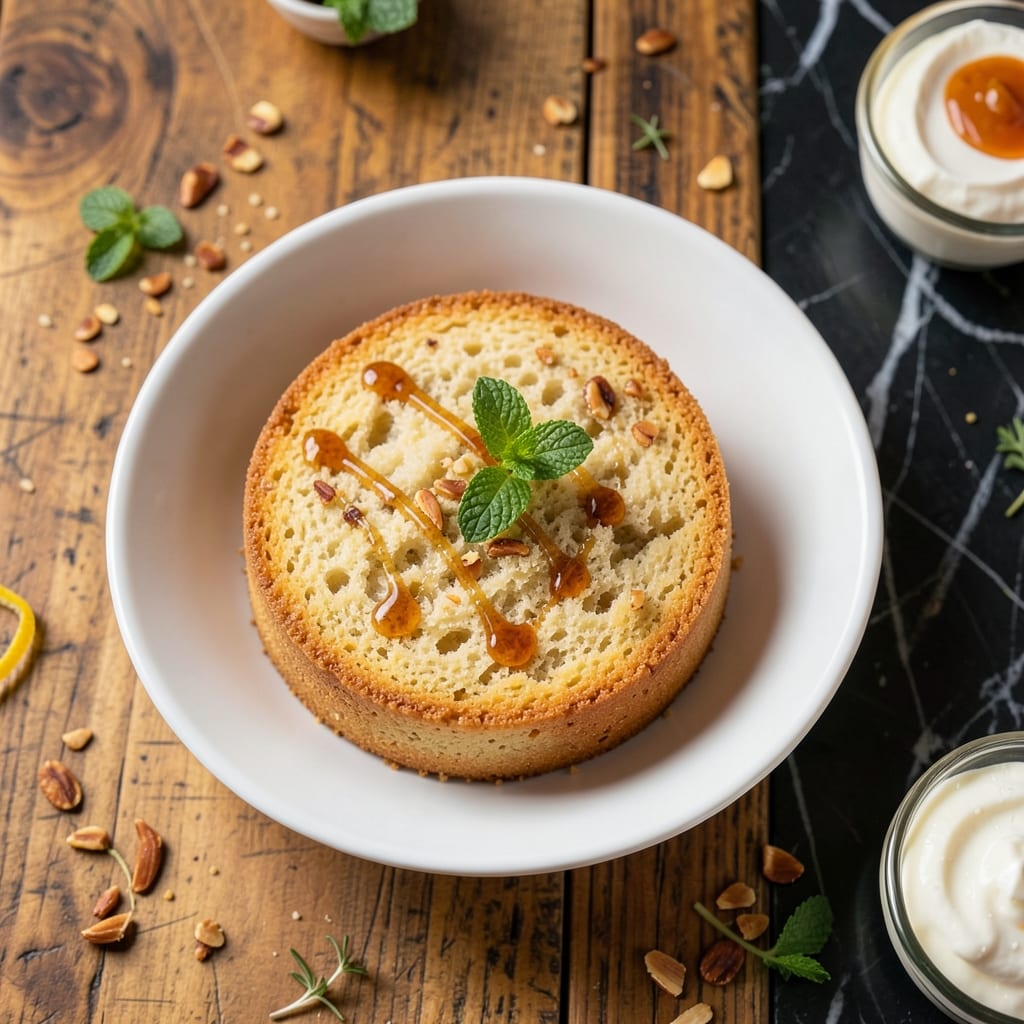
This almond flour sponge cake delivers the lightest, most delicate crumb you’ll find without gluten or heavy grains. The secret lies in properly folded egg whites and a precise mixing technique that creates air pockets—no overmixing, just effortless fluffiness. I’ve perfected this recipe after years of testing, and the result is a cake so tender it practically melts in your mouth with every bite.
What makes this recipe stand out is its versatility—it’s naturally gluten-free, grain-free, and vegetarian (though it does contain eggs). The almond flour base provides natural sweetness and a moist texture, while the egg whites create that signature sponge cake rise. Baking time is just 30 minutes, and the cake stays fresh for days when stored properly.
By the time you pull it from the oven, you’ll have a golden, domed cake with a fine, even crumb that’s lighter than traditional flour-based sponges. The flavor is subtly nutty, with a delicate sweetness that pairs beautifully with fresh berries, citrus glaze, or a dusting of powdered sugar. It’s the kind of dessert that feels special without being overly complicated.
Serve it at brunch, with afternoon tea, or as a light dessert after a rich meal. The possibilities are endless, but the technique remains the same—simple, foolproof, and guaranteed to impress. Let’s get started on making this cake!
Ingredients for almond flour sponge cake
Eight simple ingredients create a delicate, airy cake that rivals traditional flour-based sponges.
| Ingredient | Amount | Notes |
|---|---|---|
| Almond Flour 🌰 | 2 ½ cups | Finely ground, blanched preferred |
| Granulated Sugar 🍚 | 1 ½ cups | Superfine for best texture |
| Large Egg Whites 🥚 | 6 whole | Room temperature, separated |
| Large Egg Yolks 🥚 | 4 whole | Room temperature, separated |
| Unsalted Butter 🧈 | ½ cup | Softened, not melted |
| Vanilla Extract 🌿 | 1 tbsp | Pure Madagascar preferred |
| Baking Powder 🧂 | 1 tsp | Metal container for accuracy |
| Salt 🧂 | ¼ tsp | Fine sea salt preferred |
| Almond Extract 🌰 | ½ tsp | Pure, not imitation |
| Powdered Sugar 🍚 | ¼ cup | For dusting, optional |
Almond flour is the backbone of this cake—Bob's Red Mill or Anthony's Goods brands are my go-tos. Look for finely ground, blanched almond flour; the texture makes all the difference. The sugar should be superfine (or pulse regular granulated in a food processor) for a smoother crumb. Eggs must be room temperature—cold whites won't whip properly. I always buy organic, pasture-raised eggs for better flavor, but any large eggs work. Butter should be softened to room temperature but not melted—Plugrá is my preferred brand for its consistent quality.
No almond extract? Vanilla bean paste adds depth, or skip it entirely—just boost vanilla to 2 teaspoons. Running short on egg whites? Use aquafaba (chickpea brine) at a 1:1 ratio, but whip it longer. For a less sweet cake, reduce sugar to 1 cup but add 1 teaspoon of lemon zest to brighten the flavor. The baking powder must be fresh—if it's over a year old, toss it. For a citrus twist, fold in 1 tablespoon of fresh lemon juice with the yolks. The powdered sugar is optional but adds a professional finish.
This cake keeps beautifully—3 days at room temperature in an airtight container or 5 days in the fridge. For longer storage, slice and freeze portions for up to 3 months. Reheat slices at 300°F for 8-10 minutes to restore freshness. I always bake two 8-inch rounds for a crowd—one for brunch, one for dessert. The flavor actually improves slightly after the first day as the almond notes mellow. Store any leftovers in a sealed container with a piece of bread to absorb moisture.
Why You'll Love This Recipe
- No Mixer Needed: I swear by this recipe when I’m in a hurry—just fold the egg whites into the almond flour until it’s light and airy. No electric mixer, no fuss, and the texture still turns out perfectly tender.
- Buttery Almond Magic: That ratio of melted butter to egg yolks? It’s what makes this cake rich without being heavy. The almond flour gives it a nutty depth, and the sugar caramelizes just enough to keep every bite irresistible.
- Weeknight or Weekend Star: Slice it for breakfast with berries, serve it warm with ice cream, or pack it in lunchboxes—this cake handles anything. Honestly, I’ve even used it as a base for trifles when I’m too tired to bake from scratch.
- Leftovers That Last: The almond flour keeps it moist for days, so you can bake one batch and enjoy it for snacks all week. Between us, I’ve had this cake three days out, and it’s still just as good as day one.
Step-by-step instructions for almond flour sponge cake
Here's how to achieve that signature light-as-air texture using only almond flour.
Prepare the Egg Whites to Peak Softness
In a spotlessly clean mixing bowl, combine the 6 whole large egg whites and the ¼ teaspoon salt. Use a stand mixer fitted with the whisk attachment and beat on low speed for 30 seconds to dissolve any surface moisture. This step is critical—any grease or oil will prevent proper volume development.
Gradually increase the speed to high and beat for 5-7 minutes until the egg whites form stiff peaks that hold their shape when the whisk is lifted. The peaks should be glossy and hold a slight point when you turn the bowl upside down. This is your target: soft but stable enough to incorporate the yolks without deflating. If you're unsure, test by lifting the whisk—if the peak stands straight up for 10 seconds, it's ready.
Whip the Yolks and Sugar to Ribbon Stage
In a separate, grease-free bowl, combine the 4 whole large egg yolks with the 1.5 cups granulated sugar. Using the same mixer on medium-high speed, beat for 3-5 minutes until the mixture lightens in color and forms a thick ribbon when the whisk is lifted. The ribbon should hold its shape for 2-3 seconds before melting back into the bowl. This indicates proper emulsification and volume.
I like to pause occasionally to scrape down the sides with a silicone spatula—this ensures even mixing and prevents sugar from settling at the bottom. The sugar should be completely dissolved, and the mixture should feel almost syrupy in texture. This step creates the structure that will support our airy texture without gluten.
Combine Wet Ingredients Gently
With the mixer running on low speed, gradually add the ½ cup softened unsalted butter to the yolk-sugar mixture. Scrape down the bowl as needed to maintain even incorporation. Then, add the 1 tablespoon vanilla extract and ½ teaspoon almond extract, mixing just until combined. The butter should be fully emulsified, creating a smooth, pale yellow batter with no visible streaks.
Next, gently fold in ½ of the stiff egg whites using a silicone spatula in a J motion to maintain as much air as possible. This gradual incorporation prevents deflation of our precious volume. The mixture will look slightly marbled with white streaks—this is normal and actually desirable for maintaining structure.
Incorporate Dry Ingredients and Remaining Egg Whites
In a separate bowl, whisk together the 2.5 cups almond flour and 1 teaspoon baking powder. Sift the mixture directly into the wet ingredients, again using a folding motion to combine. The almond flour will make the batter thick and slightly grainy—this is expected with gluten-free baking. Fold in the remaining egg whites in two additions, being careful not to overmix.
The final batter should be thick but pourable, with no visible streaks of flour. If it's too thick, you may need to add 1-2 tablespoons of the reserved egg whites to loosen it slightly. This batter has a unique texture—denser than traditional cake batter but still light enough to rise properly. Don't be tempted to overmix; each fold should take no more than 15-20 strokes to maintain air incorporation.
Bake to Perfect Doneness
Preheat your oven to 350°F and prepare an 8-inch round cake pan by greasing it thoroughly with butter and dusting with a light coating of powdered sugar (or flour if preferred). Pour the batter into the prepared pan and smooth the top with a spatula. Bake for 35-40 minutes until the top is golden brown and a toothpick inserted in the center comes out clean.
Here's the thing about almond flour cakes—they rise quickly but can dry out if overbaked. You'll know it's done when the edges pull away slightly from the pan and the center springs back gently when pressed. The cake should be moist but not wet, with a slightly domed top that's characteristic of proper almond flour baking. Let it cool in the pan for 10 minutes before transferring to a wire rack to cool completely.
Pro Tips For Making Almond Flour Sponge Cake
- Whip Whites to Stiff Peaks: DESCRIPTION: Don’t stop at soft peaks—push those egg whites to stiff, glossy peaks that hold their shape when you lift the whisk. I learned this the hard way; under-whipped whites mean a dense, sad cake. Use a clean, grease-free bowl and whisk, and resist the urge to rush.
- Sift Almond Flour Twice: DESCRIPTION: Almond flour is clumpy, and clumps sink to the bottom like rocks in batter. Sift it twice—once before mixing, once after—so your cake rises evenly. (Yes, it’s tedious, but your texture will thank you.)
- Room-Temp Butter Only: DESCRIPTION: Cold butter? Skip it. Even slightly chilled butter won’t cream properly with yolks, and your cake will turn out greasy or dense. Let it sit out for 30–60 minutes until it’s soft enough to press a fingerprint into it—no guessing.
- Bake Until Springy: DESCRIPTION: That cake might look done at 25 minutes, but pull it out when the center springs back slowly when pressed—like a trampoline with a little give. Overbaking dries out almond flour cakes faster than you’d think.
Creative variations of almond flour sponge cake
Citrus-Inspired Twist
Brighten your almond flour sponge cake with a zesty lemon or orange glaze. Whisk together ½ cup powdered sugar with 2 tablespoons fresh lemon juice (or orange juice) and 1 teaspoon lemon zest. Drizzle over cooled layers or the whole cake for a refreshing burst. I love adding 1 teaspoon almond extract to the glaze for extra depth—it ties into the cake’s nutty base beautifully. 🍋
Chocolate-Dipped Luxury
For a decadent variation, dip the cooled cake in melted dark chocolate (I use 70% Valrhona for rich flavor). Let excess drip off, then roll in toasted coconut flakes or crushed hazelnuts for texture. This works especially well for special occasions—it feels indulgent but keeps the light, airy texture of the original. Store in an airtight container with parchment between layers to prevent sogginess.
Spiced Chai Version
Infuse warmth by adding ½ teaspoon ground cinnamon, ¼ teaspoon cardamom, and ¼ teaspoon ginger to the dry ingredients. For extra flavor, simmer 1 cup milk (or almond milk) with 1 cinnamon stick and 2 star anise pods for 5 minutes, then cool and use to replace any liquid in the recipe. The spices pair perfectly with the almond’s natural sweetness, creating a cozy, aromatic cake ideal for fall or winter. 🌶️
Vegan Adaptation
To make this recipe vegan, replace the egg whites with ½ cup aquafaba (chickpea brine) and the egg yolks with ½ cup unsweetened applesauce or a flax egg (1 tbsp ground flaxseed + 3 tbsp water). For binding, add 1 tbsp psyllium husk powder to the almond flour. The texture will be slightly denser but still tender. I recommend using vegan butter (like Miyoko’s) and vanilla bean paste for depth. Bake at 325°F for 40-45 minutes to avoid over-browning.
Layered Trifle Style
Turn this cake into a showstopping trifle by layering thin slices with whipped coconut cream (or dairy whipped cream) and fresh berries. Add a sprinkle of toasted pistachios or crumbled macadamia nuts for crunch. Serve in individual glasses for an elegant dessert that’s perfect for parties. The almond flour’s neutral flavor lets the fruit shine while keeping the structure intact. Store assembled layers in the fridge for up to 3 days—the flavors meld beautifully overnight. 🍓
Coffee-Infused Depth
For a sophisticated twist, dissolve 1 tablespoon instant espresso powder (or 1 shot strong brewed coffee, cooled) into the ½ cup softened butter before mixing. This adds a subtle coffee note that pairs wonderfully with chocolate ganache or caramel drizzle. I also like adding ½ teaspoon vanilla bean paste to enhance the coffee’s depth. This variation is ideal for dessert lovers who enjoy mocha flavors without the heaviness of traditional coffee cake. ☕
Nutrition facts
Frequently asked questions
Why does my almond flour sponge cake turn out dense instead of light?
Overmixing is the #1 culprit—almond flour lacks gluten, so it relies on proper egg white incorporation. Fold dry ingredients gently in 20 strokes max and avoid beating the batter. Also ensure your egg whites reach stiff peaks (not soft) before folding. Cold eggs or greasy bowls can prevent proper volume too.
Can I substitute almond flour with another gluten-free flour?
Not recommended for this recipe—almond flour's fat content and fine texture create the signature lightness. For a similar result, try a 1:1 blend of coconut flour and tapioca starch, but you'll need to adjust liquid ratios (add ¼ cup extra liquid per 1 cup of blended flour). The flavor and texture will differ significantly.
How do I prevent the cake from cracking on top?
Cracking usually happens from uneven baking or sudden temperature changes. Ensure your oven is fully preheated to 350°F and place the cake on the middle rack. Avoid opening the oven door during the first 20 minutes of baking. For extra insurance, bake in a water bath (place the pan in a larger pan with 1 inch of hot water).
Can I make this cake in a different pan size?
Yes, but adjust baking time accordingly. For a 9-inch round pan, bake 25-30 minutes (covers less surface area). For 6-inch pans, bake 30-35 minutes. The key is to bake until the center reaches 205°F internally. Always use the same oven temperature—lower temps may require 10-15 extra minutes.
What's the best way to store leftovers?
Wrap tightly in plastic wrap and store at room temperature for 2 days in an airtight container. For longer storage, slice and freeze portions for up to 3 months. To refresh frozen slices, warm at 300°F for 8-10 minutes—they'll be just as moist as fresh! Avoid refrigerating for short-term storage as condensation can make the cake soggy.