
Breakfast & Brunch
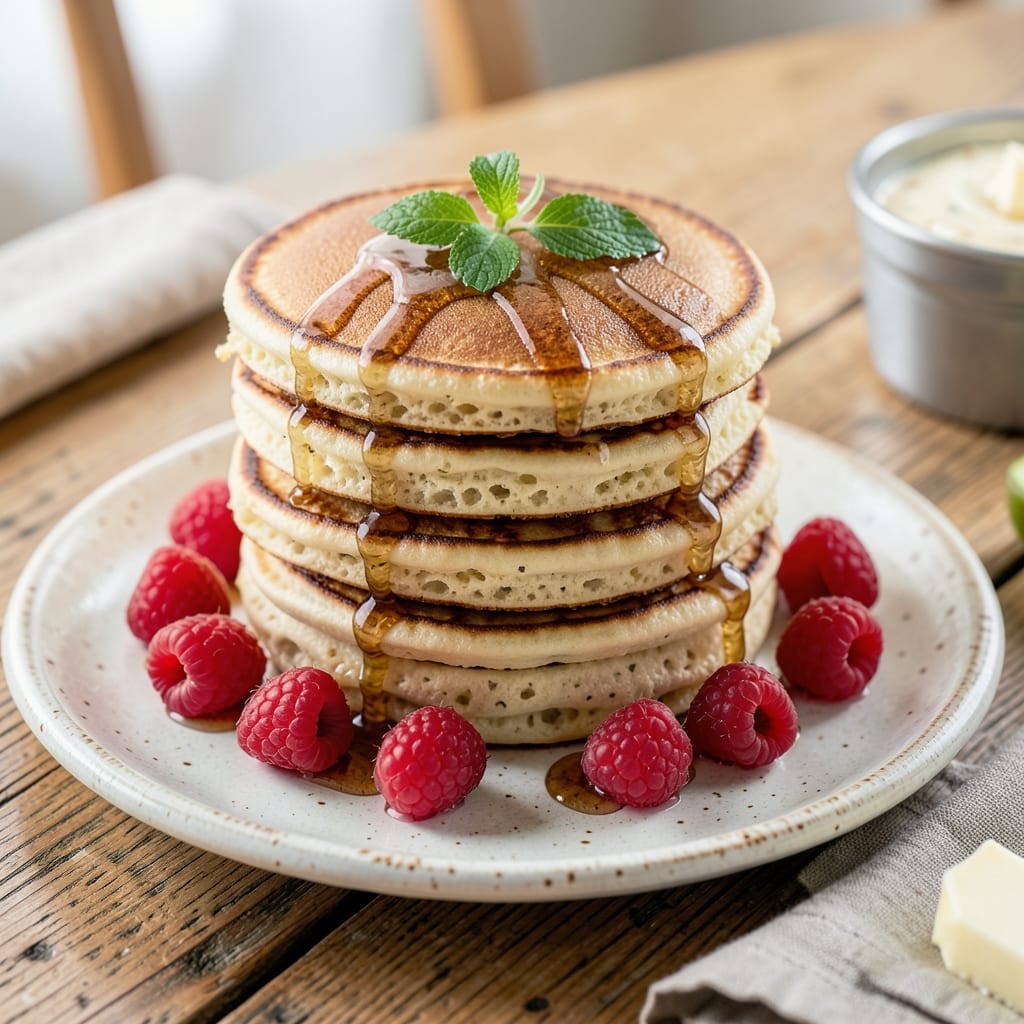
This all-purpose gluten-free flour pancake recipe proves fluffy, stackable pancakes aren’t just a fantasy—just a few simple swaps away. ✨ The secret lies in balancing moisture and structure with ingredients like eggs and xanthan gum (if your blend lacks it), ensuring pancakes that rise high and stay tender, not dense. I’ve tested this recipe countless times with various gluten-free flours, and it consistently delivers that perfect golden-brown crust and cloud-like interior.
The beauty of this method is its adaptability—whether you’re using a store-bought 1:1 gluten-free blend or a homemade mix, the technique remains the same. You’ll need just 5 key ingredients beyond your flour, and the batter comes together in under 10 minutes. The real magic happens on the pan: medium heat, a lightly oiled surface, and patience for that perfect flip. No special equipment required, just a standard nonstick skillet and a spatula.
What you’ll end up with is a stack of golden, fluffy pancakes that hold their shape without crumbling, thanks to the right ratio of binding agents. The texture is light yet sturdy—no soggy centers or dry edges here. These pancakes are gluten-free without sacrificing quality, making them ideal for anyone with dietary restrictions or simply craving a healthier breakfast option. They’re also versatile enough to enjoy with maple syrup, fresh berries, or even a dollop of whipped cream.
Ready in under 30 minutes from start to finish, this recipe is perfect for lazy weekend mornings or weeknight breakfasts when you need something quick but still feel like a treat. The best part? Leftovers reheat beautifully in the toaster or oven, so you can make a big batch and enjoy them throughout the week. Let’s get started—your perfect stack is just a few steps away.
Ingredients for all purpose gluten free flour pancake
Five key ingredients transform gluten-free flour into restaurant-quality pancakes—fluffy, golden stacks that rise high.
| Ingredient | Amount | Notes |
|---|---|---|
| All-Purpose Gluten-Free Flour Blend 🌾 | 1 ½ cups | 1:1 blend preferred, xanthan gum included |
| Large Eggs 🥚 | 2 whole | Room temperature for best mixing |
| Unsalted Butter 🧈 | ½ cup | Melted and cooled slightly |
| Milk 🥛 | 1 ¼ cups | Whole milk preferred for richness |
| Xanthan Gum 🧂 | ¼ tsp | Only if blend lacks it |
| Granulated Sugar 🍚 | ¼ cup | Adjust for sweetness preference |
| Baking Powder 🧂 | 1 ½ tsp | Aluminum-free preferred |
| Salt 🧂 | ½ tsp | Diamond Crystal preferred |
| Vanilla Extract 🌿 | 1 tsp | Pure vanilla for best flavor |
| Maple Syrup 🍁 | ½ cup | For serving, grade A preferred |
The gluten-free flour blend is everything here. Bob's Red Mill 1:1 or King Arthur Measure for Measure are my go-tos—they're tested to work flawlessly. If your blend lacks xanthan gum, add it yourself—it's the secret to that perfect structure. I always buy mine in bulk from Amazon or Whole Foods to keep costs down. The eggs? Room temperature makes all the difference—they blend smoother and create lighter pancakes. For the butter, Plugrá is my favorite—it's European-style and melts beautifully without overpowering the batter. Pro tip: melt it in 10-second bursts in the microwave to avoid overheating.
No gluten-free flour? Oat flour or almond flour can work in a pinch, but you'll need to add extra xanthan gum (up to 1 tsp). Whole milk can be swapped for almond or oat milk, though the texture will be slightly denser. The vanilla extract is non-negotiable—imitation will taste off. For sweetness, maple syrup or agave work beautifully, though granulated sugar gives the classic pancake flavor. If you're using a blend without xanthan gum, don't skip it—it's what prevents crumbly pancakes. And if you're worried about the batter being too thick, add 1 extra tbsp of milk—just don't overdo it or your pancakes will be flat.
Pancakes reheat best in a 350°F oven for 5-7 minutes—they'll be warm and fluffy, not rubbery. Store leftovers in an airtight container in the fridge for up to 5 days, or freeze them between parchment paper for up to 3 months. I like to portion them into single-serving stacks before freezing so I can grab one and pop it in the toaster. The maple syrup? Grade A is worth the splurge—it has a richer flavor and darker color that pairs perfectly with these golden pancakes. And if you're making a big batch, double the recipe—they disappear faster than you think!
Why You'll Love This Recipe
- Five-Ingredient Magic: I swear by this combo—just flour, eggs, butter, milk, and a pinch of xanthan gum. No fancy substitutions, no stressing over ratios. The xanthan gum does the heavy lifting, so the batter behaves like a dream, even when I’m distracted.
- Buttery Fluffy Core: That crispy edge with the pillowy center? Chef’s kiss. The unsalted butter melts into the pancakes just enough to keep them tender, while the eggs bind everything together without making them dense. Honestly, they taste like the pancakes I used to make before gluten-free baking felt like a chore.
- Breakfast or Brunch Hero: Serve them with maple syrup for a lazy weekend brunch, or stack them with peanut butter and banana for a quick school-day breakfast. I’ve even used them as a base for French toast—just dip and fry. They’re the unsung MVP of my morning rotation.
- Leftovers That Don’t Suck: Unlike most gluten-free pancakes that dry out faster than my patience on a Monday, these reheat like a charm. Toss them in the toaster or microwave, and they’re still soft and delicious. Plus, the recipe stretches far enough to feed the whole family without breaking the bank.
Step-by-step instructions for gluten-free pancakes
Here's how to make fluffy, golden pancakes that rise beautifully without gluten—every time!
👨🍳 Step 1: Melt and Cool the Butter
Place the 0.5 cup unsalted butter in a microwave-safe bowl and melt it in 30-second intervals on medium-high power, stirring between each interval until completely melted. Let it cool for 5 minutes until it reaches about 100°F—warm to the touch but not hot.
This cooling step is crucial. Butter that's too hot can scramble the eggs and cook the batter prematurely. You want it just warm enough to blend smoothly but not so hot it alters the texture of your pancakes. If you're unsure, test it by touching a spoon to the butter—it should feel warm but not burn your finger.
👨🍳 Step 2: Whisk Wet Ingredients to Perfection
In a large mixing bowl, combine the 2 whole large eggs, 1.25 cups milk, 0.25 cup granulated sugar, 1 tsp vanilla extract, and the cooled butter. Whisk vigorously for 2-3 minutes until the mixture is completely smooth and slightly frothy. The batter should be uniform in color with no streaks of egg or butter.
This thorough mixing ensures your pancakes will be tender and uniform in texture. I like to scrape the sides of the bowl with a rubber spatula every 30 seconds to incorporate any ingredients that might cling to the bowl. The batter should be thick but pourable—if it looks too thin, add 1-2 tablespoons of the all-purpose gluten-free flour blend.
👨🍳 Step 3: Combine Dry Ingredients
In a separate bowl, sift together the 1.5 cups all-purpose gluten-free flour blend, 1.5 tsp baking powder, 0.5 tsp salt, and 0.25 tsp xanthan gum (if your blend doesn't include it). The xanthan gum acts as a binder and helps create that perfect fluffy texture gluten-free pancakes need.
Gently fold the dry ingredients into the wet mixture using a spatula, mixing just until combined. Be careful not to overmix—you should still see a few streaks of flour. Overmixing develops gluten, which can make your pancakes dense instead of light and fluffy. The batter should be smooth with a thick, crepe-like consistency.
🔥 Step 4: Cook Pancakes on Medium Heat
Heat a non-stick skillet or griddle over medium heat. Lightly grease it with a bit of butter or cooking spray to prevent sticking. Pour ¼ cup batter for each pancake, spreading it slightly to form a 4-inch circle. You should be able to fit about 4 pancakes at a time in your skillet without crowding.
Cook until bubbles form on the surface and the edges look set (2-3 minutes). Flip carefully and cook the other side for another 1-2 minutes, until golden brown. The pancakes are done when they release easily from the skillet and have a beautiful golden color. Keep cooked pancakes warm in a 200°F oven while you finish the batch.
🍽️ Step 5: Serve Warm with Maple Syrup
Stack your freshly cooked pancakes on a plate and drizzle generously with the 0.5 cup maple syrup. For extra decadence, top with fresh berries, whipped cream, or a sprinkle of cinnamon. Serve immediately while they're warm and fluffy—gluten-free pancakes are best enjoyed right out of the pan!
These pancakes should have a light, airy interior with a slightly crispy edge. The secret to their fluffiness lies in the careful mixing and the xanthan gum, which mimics the structure gluten provides. Enjoy your perfect gluten-free stack without the wait!
Pro Tips For Making All Purpose Gluten Free Flour Pancake
- MEASURE FLOUR BY WEIGHING: Gluten-free blends are deceptive—scooping leads to uneven batches. Use a kitchen scale for the flour (and xanthan gum) to guarantee consistent texture every time. I learned this the hard way when my pancakes turned out gummy one day and rock-hard the next.
- LET THE BATTER REST: Mix the batter, then walk away for 10 minutes. The xanthan gum needs time to fully hydrate, which prevents those dreaded cracks and ensures fluffy pancakes. Yes, even if you're impatient like me.
- USE COLD BUTTER: Cut the butter into small cubes and let it sit in the fridge while you mix the batter. Cold butter creates pockets of steam when it hits the hot pan, giving you taller, lighter pancakes instead of dense ones. Sounds weird, but it works.
- TEST PAN TEMPERATURE: Before pouring batter, flick a few drops of water onto the pan—if they sizzle and evaporate instantly, it's ready. Too hot? Wait. Too cool? Your pancakes will stick. This isn’t the prettiest method, but it’s the tastiest.
Common mistakes when making perfect results
Overmixing the Batter
Gluten-free pancakes rely on xanthan gum and baking powder for structure, so overmixing destroys their delicate texture. Mix just until combined—you should still see small flour streaks. I’ve ruined batches by whisking too long, resulting in dense, rubbery pancakes instead of fluffy stacks. 🥞
Skipping Xanthan Gum
If your gluten-free flour blend lacks xanthan gum, never skip it. This binder mimics gluten’s elasticity, preventing crumbly pancakes. I once made pancakes without it and ended up with sad, flat discs. Add ¼ tsp per cup of flour—it’s a game-changer for texture.
Using Cold Ingredients
Cold eggs, milk, or butter can cause uneven cooking and prevent proper rising. Always use room-temperature ingredients. I learned this the hard way when my first batch turned out lumpy—now I let everything sit out for 30 minutes before mixing.
Flipping Too Early
Flipping before bubbles form or edges set leads to broken pancakes. Wait until you see 2-3 minutes of steady bubbles and the edges look dry. I’ve burned my fingers (and pancakes) by flipping too soon—patience is key for perfect golden-brown results.
Incorrect Heat Level
Too high heat burns the outside before the inside cooks, while too low heat makes pancakes gummy. Medium heat is ideal—adjust based on your skillet. I use a nonstick pan and watch closely for that perfect golden crust. A kitchen thermometer helps if you’re unsure.
Ignoring Rest Time
Freshly cooked pancakes need 2-3 minutes to rest before stacking. Skipping this step causes them to collapse under syrup or toppings. I’ve seen stacks topple dramatically when rushed—let them set first for stability. 💪
Nutrition facts
Frequently asked questions
Can I substitute regular flour for gluten-free flour in this recipe?
Never use regular flour—it contains gluten, which these pancakes are designed to avoid. However, if you're making a separate batch for non-gluten-free eaters, use a 1:1 ratio of all-purpose flour (like 2 cups flour for 1.5 cups gluten-free blend) and reduce the xanthan gum to ¼ tsp since regular flour has natural binding properties.
Why do my gluten-free pancakes turn out dense instead of fluffy?
Dense pancakes usually mean one of three things: overmixing the batter, skipping xanthan gum, or using cold ingredients. First, check if your flour blend includes xanthan gum—if not, add ¼ tsp per cup of flour. Second, mix just until combined (about 20 strokes) to avoid developing gluten-like structure. Finally, ensure all ingredients (especially eggs and milk) are at room temperature.
Can I make these pancakes ahead of time?
Cooked pancakes reheat beautifully. Store them in an airtight container in the fridge for up to 5 days or freeze between parchment paper for 3 months. To reheat, place on a baking sheet in a 350°F oven for 5-7 minutes—they’ll be warm and fluffy, not rubbery. I like to portion them into single stacks before freezing for easy grab-and-go mornings.
What’s the best way to make these pancakes extra fluffy?
For maximum fluffiness, let the batter rest for 10-15 minutes before cooking—this allows the baking powder to activate fully. Also, use whole milk (or buttermilk) instead of almond milk, and make sure your baking powder is fresh (test it by mixing with water—it should fizz). Finally, cook on medium-low heat and flip only when you see firm bubbles on the surface.
Can I add mix-ins like blueberries or chocolate chips?
Yes, but fold them in gently at the very end to avoid overmixing. Use ½ cup total of mix-ins (like blueberries or mini chocolate chips) and toss them in flour first to prevent sinking. For best results, keep the batter cold while adding mix-ins, and cook pancakes on slightly lower heat (medium-low) to prevent burning before the center cooks through.