
Desserts
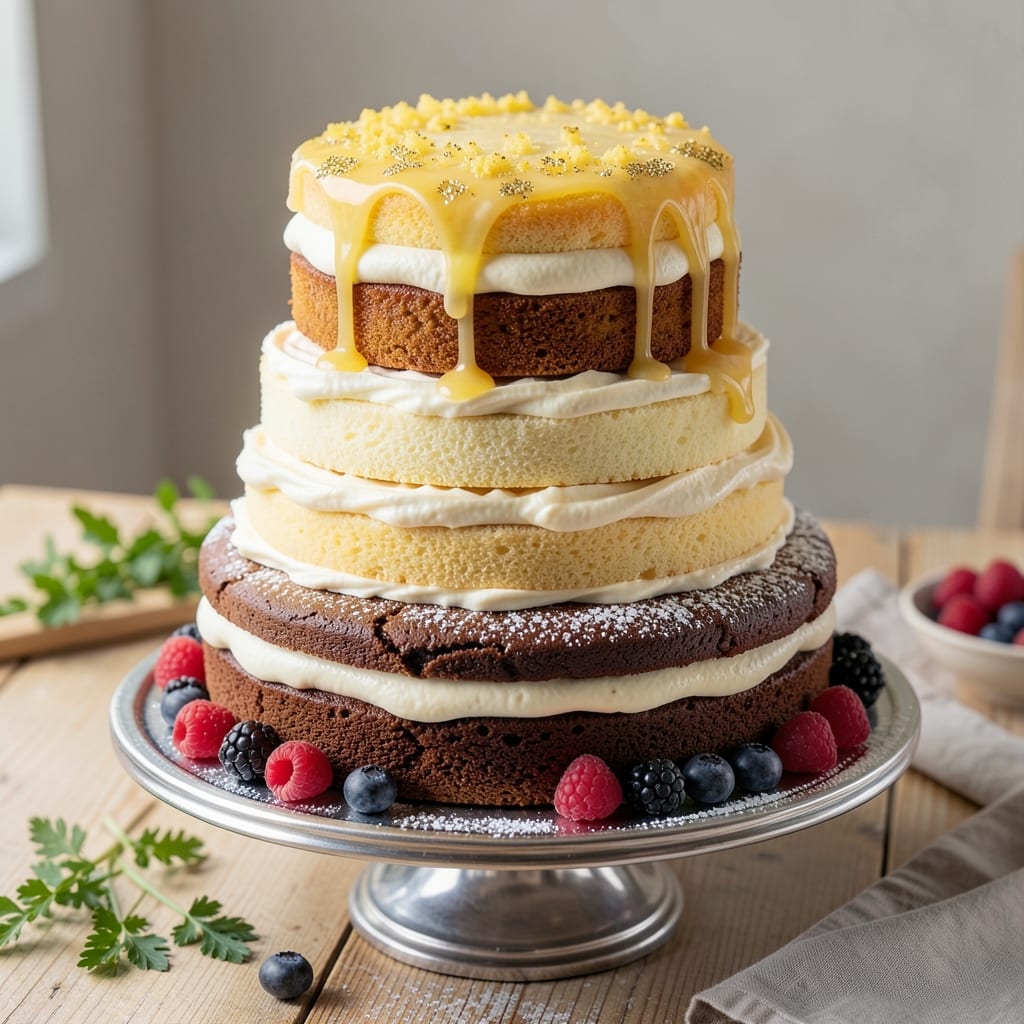
This all-purpose cake recipe is your secret weapon for any celebration—birthdays, showers, or just because. 💛 The beauty of this vanilla base lies in its simplicity and versatility, allowing you to customize it with chocolate, fruit, or even almond extract for endless flavor possibilities. Whether you're a beginner or a seasoned baker, this foolproof method delivers a moist, tender crumb every time.
The foundation of this recipe is a balanced mix of butter, sugar, and eggs, creating a rich yet light texture. A touch of vanilla extract adds depth, while baking powder ensures a perfect rise. The key to success lies in creaming the butter and sugar properly—this step incorporates air, resulting in a cake that's both tender and airy. Preheating the oven to 350°F guarantees even baking, and a water bath (optional but recommended) prevents cracking in larger cakes.
Once baked, you'll have a cake with a golden, even top and a moist interior that stays fresh for days. The beauty of this recipe is its adaptability—frost with buttercream, drizzle with ganache, or layer with fresh berries for a stunning presentation. It's the perfect blank canvas for any occasion, ensuring your dessert always shines.
For best results, let the cake cool completely before frosting to prevent melting. This recipe yields a 9-inch cake, but you can easily scale it up for larger gatherings. The possibilities are endless, so let your creativity guide you. Let's get baking!
Ingredients for all purpose cake
Eleven simple yet powerful ingredients create the perfect vanilla canvas for any celebration.
| Ingredient | Amount | Notes |
|---|---|---|
| Unsalted Butter 🧈 | 1 cup | Softened to room temperature |
| Granulated Sugar 🍚 | 1 ½ cups | White or light brown preferred |
| Pure Vanilla Extract 🌿 | 2 tsp | High-quality, Madagascar bourbon preferred |
| Large Eggs 🥚 | 2 whole | Room temperature for best mixing |
| All-Purpose Flour 🌾 | 2 cups | Sifted for even texture |
| Baking Powder 🧂 | 2 tsp | Double-acting preferred |
| Fine Sea Salt 🧂 | ½ tsp | Diamond Crystal brand recommended |
| Whole Milk 🥛 | ½ cup | Room temperature |
| Vegetable Oil 🫒 | ¼ cup | Light, neutral flavor |
| Lemon Zest 🍋 | 1 tbsp | Freshly grated for brightness |
| Cornstarch 🌾 | 1 tbsp | For extra moisture retention |
The butter and sugar are your power duo—room temperature butter is non-negotiable for that perfect creamy texture. Land O'Lakes unsalted butter is my go-to, but any high-quality brand works. For sugar, Domino or C&H brands are reliable, but light brown adds subtle caramel notes if you want depth. The vanilla extract? Madagascar bourbon is the gold standard—it's worth the splurge for that rich, complex flavor. Pro tip: if your vanilla smells faint, it's past its prime. The eggs should be room temperature when you measure them, so pull them out 30 minutes before baking.
No vanilla extract? Almond extract at half the amount gives a similar depth, though with a nutty twist. Short on butter? Substitute with vegetable oil at the same weight—it'll be slightly denser but still delicious. The milk can be swapped for buttermilk or even water in a pinch, though whole milk gives the best texture. For a gluten-free version, replace the flour with a 1:1 gluten-free baking blend—just add an extra 0.5 tsp xanthan gum if your blend doesn't include it. The lemon zest is optional but adds a bright pop that balances the richness. If you're making this ahead, store the dry ingredients separately for up to 2 weeks—just mix when ready to bake.
This batter keeps covered in the fridge for up to 24 hours—perfect for overnight prep. For longer storage, freeze the batter in an airtight container for 3 months. Thaw overnight in the fridge before baking. The baked cake stays moist covered at room temperature for 3 days or wrapped in plastic in the fridge for 5 days. Want to make it ahead? Bake the cake, cool completely, then wrap tightly in plastic wrap. It'll stay fresh for 5-7 days—ideal for parties where you need to bake days in advance. The possibilities are endless: frost with buttercream, drizzle with ganache, or layer with fresh berries for a stunning presentation.
Why You'll Love This Recipe
- The secret’s in the creaming: soft butter and sugar whipped together until light, then eggs folded in gently. That’s all it takes for a tender crumb that stays fresh for days—not dry, not dense, just ridiculously good.
- Pantry Staples Only: I swear by this recipe because it uses what’s already in my kitchen—no specialty ingredients, just butter, sugar, eggs, and flour. Honestly, the first time I made it, I didn’t even measure the vanilla exactly and it still came out rich and perfect.
- Moist Without Gimmicks: The secret’s in the creaming: soft butter and sugar whipped together until light, then eggs folded in gently. That’s all it takes for a tender crumb that stays fresh for days—not dry, not dense, just ridiculously good.
- Birthday to Brunch: Slice it for a celebration cake or bake a mini version for breakfast. I’ve used it for everything from potlucks to Sunday morning pancake toppings, and it never lets me down. Between us, it’s my go-to for last-minute desserts.
Step-by-step instructions for versatile vanilla cake
This foolproof vanilla base delivers perfect texture every time—moist, tender crumb with just the right rise.
👨🍳 Step 1: Cream Butter, Sugar, and Zest for Maximum Flavor
In a stand mixer fitted with the paddle attachment, beat the 1 cup unsalted butter and 1.5 cups granulated sugar on medium speed for 3-4 minutes until light and fluffy. You'll see the mixture nearly double in volume and turn pale—this incorporates air for that signature tender crumb. Here's the thing—don't rush this step. The butter should be completely smooth with no graininess remaining.
Once the butter-sugar mixture is fully creamed, add the 1 tbsp lemon zest and mix for another 30 seconds until evenly distributed. The lemon zest adds subtle brightness that makes this vanilla base more versatile. I like to use a microplane for zesting—it gives you fine, even particles that dissolve completely into the batter. This is where the magic starts—proper creaming ensures your cake will have that perfect balance of moisture and structure.
👨🍳 Step 2: Incorporate Eggs and Wet Ingredients
Add the 2 whole large eggs, one at a time, mixing on low speed for 30 seconds after each addition. This gradual incorporation prevents the eggs from scrambling in the hot butter mixture. After the eggs are fully incorporated, add the 2 tsp pure vanilla extract and mix for another 10 seconds until just combined.
Next, whisk together the 0.5 cup whole milk, 0.25 cup vegetable oil, and 1 tbsp cornstarch in a separate bowl. The cornstarch helps create that signature moist texture that keeps this cake fresh for days. With the mixer running on low speed, gradually add the wet milk mixture to the butter-sugar-egg mixture. Scrape down the sides of the bowl as needed to ensure everything comes together smoothly. The batter should be thick but pourable—like heavy pudding.
👨🍳 Step 3: Combine Dry Ingredients for Perfect Texture
In a medium bowl, whisk together the 2 cups all-purpose flour, 2 tsp baking powder, and 0.5 tsp fine sea salt. I always sift the flour first—this prevents lumps and ensures an even texture throughout the cake. The baking powder is what gives this cake its lift, while the salt balances the sweetness and enhances all the other flavors.
With the mixer on low speed, gradually add the dry ingredients to the wet mixture. Mix just until combined—you should still see some flour streaks remaining. This is crucial: overmixing develops gluten, which can make your cake tough instead of tender. Once the dry ingredients are incorporated, give the batter one final stir with a silicone spatula to make sure everything is evenly distributed. The batter should be smooth and slightly thick, with no flour pockets remaining.
🔥 Step 4: Bake to Golden Perfection
Preheat your oven to 350°F and grease two 8-inch round cake pans (or one 9x13-inch pan) with butter or baking spray. Divide the batter evenly between the prepared pans—this ensures even baking. Bake for 25-30 minutes or until a toothpick inserted into the center comes out clean. The edges should be golden brown, but the top might still look slightly underdone—this is normal and will set as it cools.
I press down gently on the center of each cake with my finger during the last 2 minutes of baking—this prevents doming and gives you a perfectly flat top. As soon as the cakes are done, remove them from the oven and let them cool in the pans for 10 minutes. Then transfer to a wire rack to cool completely before frosting or serving. The cooling process is important—it allows the cakes to set properly and prevents them from becoming gummy.
⏰ Step 5: Rest and Serve (The Secret to Moistness)
Here's where most people make a mistake: cutting into the cake too soon. Let the cakes cool completely to room temperature before slicing—this can take 1-2 hours, but it's worth the wait. The cornstarch in this recipe helps retain moisture, but the cake still needs time to fully set its structure.
Once completely cooled, you can frost with your favorite vanilla buttercream, dust with powdered sugar, or serve plain. This versatile base works equally well for layer cakes, sheet cakes, or even cupcakes. The key to its success is the cornstarch—it creates that signature moist texture that keeps this cake delicious even a day or two later. Store leftovers covered at room temperature for up to 3 days or refrigerated for up to 5 days.
Pro Tips For Making All Purpose Cake
- CREAM BUTTER UNTIL PALE: I learned this the hard way—skipping this step means dense, greasy cake. Beat the unsalted butter and sugar on medium-high until it’s light, fluffy, and nearly white (about 3-5 minutes). The air whipped into the butter is what makes your cake rise properly, not just melt the sugar.
- WEIGH YOUR FLOUR: Scooping flour from the bag packs it down, adding extra moisture and sinking your cake. Use a kitchen scale for precision—spoon the flour into the cup, level it off, and measure by weight (1 cup all-purpose flour = ~125g). Your texture will thank you.
- DON’T OVERMIX AFTER FLOUR: The second you add flour, stop mixing the moment it’s just combined. Overmixing develops gluten, turning your tender cake into a chewy loaf. Use a spatula to fold gently—lumps are fine, but don’t fight them.
- LET EGGS ROOM TEMP: Cold eggs from the fridge won’t blend smoothly, leaving streaks in your batter. Take them out 30 minutes before mixing—yes, even if you’re impatient like me. Room-temperature eggs emulsify better, giving you a silky batter that bakes evenly.
Common mistakes when making perfect results
Overmixing the Batter
This is the #1 mistake I see—overmixing develops gluten, turning your tender cake into a dense brick. Once you've incorporated all the dry ingredients, stop mixing as soon as you see just a few flour streaks remaining. I recommend using a silicone spatula for the final stir to ensure gentle incorporation without overworking the batter. 💡
Skipping Room Temperature Ingredients
Cold butter and eggs are the silent cake killers. Room temperature butter should be soft enough to leave a slight indentation when pressed, and eggs should sit at about 68°F. I pull my eggs out 30 minutes before baking and microwave the butter in 10-second bursts until pliable. Cold ingredients cause uneven texture and poor rise.
Incorrect Oven Temperature
Your oven runs hotter than you think! Always preheat to 350°F for 15 minutes before baking. I test my oven with an oven thermometer—many run 25°F hotter than set. Baking at too high a temperature causes the outside to brown before the center cooks through, while too low a temperature leads to dense, gummy cake.
Opening the Oven Too Soon
The first 20 minutes of baking are critical—resist the urge to peek! Every time you open the oven door, you lose 25°F of heat and disrupt the even baking process. I set a timer and only open the oven after 25 minutes to check for doneness. The cake will continue cooking as it cools, so slightly underbaking is better than overbaking.
Using Old Baking Powder
Baking powder loses its lift over time—after 6 months, it's only about 50% effective. I keep mine in the freezer to preserve freshness and date the package when I open it. Old baking powder causes flat, dense cakes. For this recipe, 2 tsp double-acting baking powder is crucial for that perfect rise—don't substitute with baking soda unless you're adding acid.
Not Greasing Pans Properly
Grease your pans with butter or baking spray and line the bottoms with parchment paper for easy removal. I use a pastry brush to apply a thin layer of melted butter to the sides of the pans as well. Without proper greasing, cakes stick to the pans and develop a tough crust. For round pans, I also dust them lightly with flour after greasing to prevent sticking.
Nutrition facts
Frequently asked questions
Can I make this cake without eggs?
Yes! For an egg-free version, replace the 2 eggs with 2 tbsp ground flaxseed mixed with 6 tbsp water (let sit for 5 minutes to thicken) or ½ cup unsweetened applesauce. The texture will be slightly denser but still moist thanks to the cornstarch. For best results, use a flax egg for a more neutral flavor profile.
How do I adjust this recipe for a 9x13-inch sheet cake?
Increase the batter by 50%—use 1.5 cups butter, 2.25 cups sugar, 3 eggs, 3 cups flour, and 3.5 tsp baking powder. Bake in a 9x13-inch pan at 350°F for 35-40 minutes. The longer baking time ensures even cooking in the wider pan. Press down gently on the center during the last 2 minutes to prevent cracking.
Why did my cake crack on top?
Cracking usually happens when the cake bakes too quickly or the oven is too hot. Try these fixes: Lower the oven temperature to 325°F and bake for 5-10 minutes longer than directed. For a 9-inch cake, place the pan on the middle rack and avoid opening the oven during the first 20 minutes. A water bath (baking pan filled with 1 inch of hot water) also helps prevent cracking in larger cakes.
Can I use this batter for cupcakes?
Fill 24 standard cupcake liners with batter (about 2 tbsp each) and bake at 350°F for 18-20 minutes or until a toothpick comes out clean. The cornstarch keeps them moist, but cupcakes bake faster than cakes. For extra flavor, add ½ tsp cinnamon or 1 tbsp cocoa powder to the dry ingredients. Frost with your favorite filling!
How do I store leftover cake?
Wrap the cake tightly in plastic wrap or aluminum foil to keep it fresh. At room temperature, it stays moist for 3 days. For longer storage, refrigerate for up to 5 days or freeze for 3 months. To reheat, warm slices in the microwave for 10-15 seconds or at 300°F for 5 minutes. The cornstarch helps maintain moisture even after storage.