
Desserts
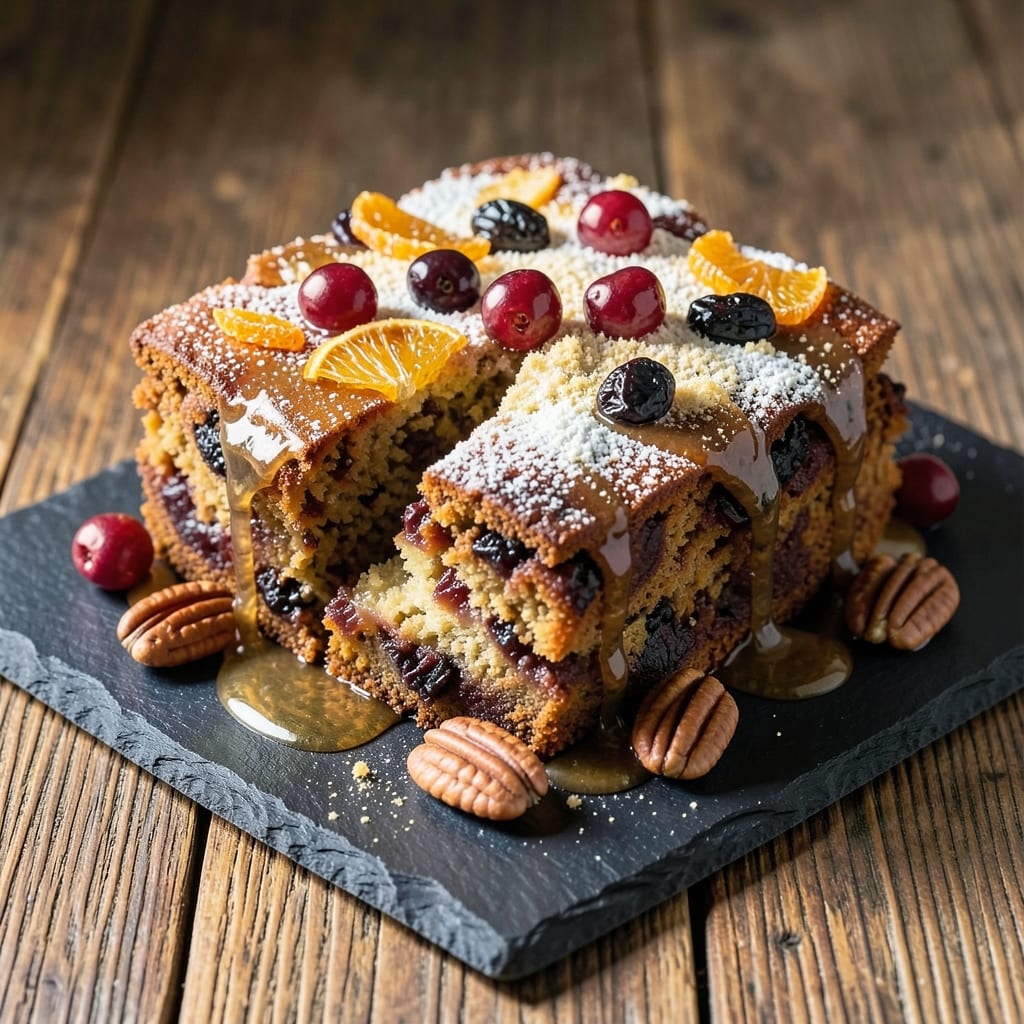
This alcohol-soaked fruit cake delivers moisture that lasts for months—no dry crumbs in sight. 💛 The secret lies in a rich, buttery base infused with boozy layers of rum, brandy, or liqueur, which tenderizes the cake and keeps it irresistibly soft. I’ve perfected this technique over years of baking, ensuring every slice stays rich and flavorful, even after weeks of storage.
The recipe starts with a classic fruit cake foundation—flour, sugar, butter, and eggs—then transforms into something extraordinary through the alcohol-soaking process. You’ll marinate the cake in a blend of your favorite spirits, allowing the flavors to meld and the texture to stay velvety for days. This isn’t just dessert; it’s a centerpiece for holidays, gifts, or special occasions.
What sets this apart is the foolproof method for balancing moisture and flavor. The cake bakes up dense yet tender, then soaks in alcohol for at least 24 hours (longer for deeper flavor). The result? A cake that’s moist, aromatic, and packed with layers of warmth—perfect for slicing thin or serving whole. No one will guess it’s been stored for weeks.
Serve with a dusting of powdered sugar, a drizzle of glaze, or even a sprinkle of citrus zest for extra brightness. This cake improves with age, making it ideal for gifting or prepping ahead. Let’s get baking—your taste buds (and guests) will thank you.
Ingredients for alcohol soaked fruit cake
Buttery, boozy, and built to last—this cake’s secret is in the soak.
| Ingredient | Amount | Notes |
|---|---|---|
| All-Purpose Flour 🌾 | 3 cups | Sifted for fluffiness |
| Granulated Sugar 🍚 | 1 ½ cups | White or light brown |
| Unsalted Butter 🧈 | 1 cup | Cold, cubed for creaming |
| Large Eggs 🥚 | 4 whole | Room temperature preferred |
| Dried Mixed Fruit 🍇 | 1 ½ cups | Chopped if large pieces |
| Dark Rum 🍹 | 1 cup | Aged 4+ years preferred |
| Brandy 🍷 | ½ cup | Or substitute with bourbon |
| Orange Liqueur 🍊 | ¼ cup | Like Cointreau or Triple Sec |
| Vanilla Extract 🌸 | 1 tbsp | Pure, high-quality preferred |
| Ground Cinnamon 🌿 | 1 tsp | Freshly ground for warmth |
| Ground Nutmeg 🌿 | ½ tsp | Freshly grated preferred |
| Powdered Sugar 🍚 | ½ cup | For dusting or glaze |
| Lemon Zest 🍋 | 1 tbsp | Freshly grated for brightness |
The alcohol is non-negotiable here—it’s what keeps this cake moist for months. Grab a good dark rum (like Kraken or Diplomatico) and a quality brandy (Cognac or Armagnac if you’re fancy). The orange liqueur adds that bright citrus note that cuts through the richness. For the dried fruit, Trader Joe’s or bulk bins have the best variety—look for plump raisins, chopped dates, and candied citrus peel. Freshly grated nutmeg and cinnamon make all the difference, so don’t use the dusty old jars from the back of your pantry. If you’re feeling extra, toast the spices in a dry pan for 30 seconds to wake up the flavors.
No rum? Bourbon or even vodka will work in a pinch (though the flavor won’t be as complex). Short on brandy? Extra rum or a splash of amaretto adds depth. The fruit can be fresh if you’re in season—use chopped apples, pears, or cherries, but reduce the alcohol by a quarter cup to balance moisture. For the butter, European-style (like Plugrá) has higher fat content, which makes the cake even richer. And if you’re worried about raw eggs, use pasteurized ones or make a flax egg substitute (1 tbsp ground flax + 3 tbsp water = 1 egg). The cake will still turn out perfectly.
This cake gets better with time, so make it a week ahead if you can. Wrap tightly in plastic wrap, then foil, and store at room temperature—it’ll keep for up to 3 months without drying out. For gifting, slice it into individual portions and wrap each piece in parchment paper. If you’re feeling fancy, brush the top with a simple glaze (powdered sugar + a splash of orange liqueur) before serving. The alcohol flavors deepen over time, so the longer it soaks, the more complex it gets—trust the process.
Why You'll Love This Recipe
- No-Fuss Mixing: I swear, this cake comes together with just a bowl and a whisk—no stand mixer, no fancy techniques. The butter and sugar cream in minutes, and the eggs fold right in. Honestly, the hardest part is deciding when to stop stirring.
- Boozy Fruit Magic: That alcohol-soaked fruit? It’s what turns this from good to ridiculously good—think plump raisins, juicy cherries, and a subtle kick of brandy or rum that lingers in every bite. The dried fruit softens just enough to burst with flavor when you slice it.
- Holiday or Hangry Fix: I’ve made this for Christmas morning, birthday celebrations, and even as a last-minute dinner when I forgot to grocery shop. The cake keeps beautifully for days, and the alcohol infusion makes it feel special without requiring a fancy occasion.
- Pantry Goldmine: Between us, this recipe uses ingredients you already own—flour, sugar, butter, eggs—and stretches them into something impressive. Leftovers? They’re even better the second day, and it’s the kind of cake that tastes like a treat but won’t break the bank.
Step-by-step instructions for alcohol-soaked fruit cake
Here's how to bake a rich, moist fruit cake that stays delicious for months.
👨🍳 Step 1: Soak the Fruit in Alcohol Mixture
In a large bowl, combine the 1.5 cups dried mixed fruit, 1 cup dark rum, 0.5 cup brandy, 0.25 cup orange liqueur, and 1 tbsp vanilla extract. Let it soak for at least 2 hours (or up to 24 hours for maximum flavor absorption). You'll notice the fruit plumps up and develops a beautiful glossy sheen from the alcohol infusion.
Here's the thing—this soaking step is what makes your cake stay moist for months. The alcohol evaporates during baking, leaving behind intense flavor and a cake that won't dry out. I like to stir the mixture occasionally to ensure all fruit pieces get coated evenly. If you're short on time, you can microwave the fruit and alcohol together for 3-4 minutes to speed up the process, but soaking overnight gives the best results.
🍳 Step 2: Cream Butter and Sugar
In a stand mixer fitted with the paddle attachment, beat the 1 cup cold cubed unsalted butter and 1.5 cups granulated sugar on medium speed for 3-5 minutes until light and fluffy. You're looking for a texture that nearly doubles in volume and becomes pale in color. This creaming process incorporates air, which helps create that tender crumb we want in a fruit cake.
I always use cold butter for this step—it creates smaller air pockets that distribute more evenly. If your butter starts to melt too quickly, reduce the mixer speed to low for a minute or two. The mixture should be smooth but still hold its shape when you lift the paddle. This ensures your cake will have that perfect balance of richness without being greasy.
🥘 Step 3: Add Eggs and Dry Ingredients
Add the 4 whole large eggs, one at a time, mixing well after each addition. Then stir in the 3 cups sifted all-purpose flour, 1 tsp ground cinnamon, 0.5 tsp ground nutmeg, and 1 tbsp lemon zest on low speed just until combined. Be careful not to overmix—the dough should be thick and slightly sticky, with a few flour streaks remaining.
Real talk: This is where many fruit cakes go wrong. Overmixing develops gluten, which makes the cake tough instead of tender. I like to use a spatula to gently fold in the soaked fruit mixture at this point, reserving any excess liquid that might have accumulated during soaking. You might think you need to add more flour, but trust me—the cake needs that moisture to stay moist for months.
🔥 Step 4: Bake in Two Stages
Preheat your oven to 325°F. Pour the batter into two greased and floured 9-inch round cake pans (or one 10-inch tube pan if you prefer). Bake for 30 minutes, then reduce heat to 275°F and continue baking for another 45-60 minutes or until a toothpick inserted in the center comes out clean. The lower temperature in the second stage prevents overbrowning while ensuring even cooking.
Here's the crucial part: Don't open the oven door during baking. The temperature fluctuations can cause the cake to sink in the middle. When you do open it, you'll see a beautifully domed top with a crackly crust. The cake should spring back slowly when gently pressed in the center—this is your sign it's done. Let it cool in the pans for 15 minutes before transferring to a wire rack.
⏰ Step 5: Glaze and Rest for Maximum Moisture
While the cake is still warm, whisk together the 0.5 cup powdered sugar with 2-3 tablespoons of the reserved fruit-soaking liquid (or water if you didn't reserve any) to make a simple glaze. Drizzle this over the cooled cake and let it set for 10 minutes. This glaze adds that professional finish and helps lock in moisture.
For the best results, wrap the cake tightly in plastic wrap and let it rest at room temperature for 24 hours before slicing. This resting period allows the flavors to meld and the cake to develop its signature moist texture. Store any leftovers in an airtight container at room temperature—this cake actually improves with age, getting more flavorful as the alcohol continues to infuse the fruit.
Pro Tips For Making Alcohol Soaked Fruit Cake
- SOAK FRUIT OVERNIGHT: I learned this the hard way—rushing the alcohol soak leaves your fruit cake dry and cloying. Use at least 1 cup of alcohol (brandy, rum, or sherry) per pound of dried fruit, and let it sit in a sealed container for 12-24 hours. The longer, the better—it’s the difference between a cake that tastes like sugar and one that sings with depth.
- CREAM BUTTER AND SUGAR LONG: Skip the rushed mixing, and beat your butter and sugar until it’s pale, fluffy, and holds a ribbon when the beater lifts. I used to stop at "lightened"—big mistake. This step aerates the batter, balancing the density of the fruit and keeping the crumb tender. (Yes, even if you’re impatient like me.)
- WEIGH YOUR FRUIT: Dried fruit varies wildly by brand, and eyeballing leads to either a soggy or dry cake. Weigh your mixed fruit before soaking—aim for 1½ cups per pound of batter. Too much fruit crowds the cake; too little feels sparse. A kitchen scale solves this forever.
- BAKE LOW AND SLOW: Fruit cake needs patience—bake at 300°F (150°C) for 1.5–2 hours until the internal temp hits 205–210°F (96–99°C). The slow cook turns the alcohol into moisture, not steam, so the cake stays moist, not gummy. Resist the urge to check early; it’s not done until the thermometer says so.
Troubleshooting perfect results
Cake Too Dense
If your cake turns out dense instead of moist, the issue is likely overmixing or insufficient leavening. I’ve found that using cold butter and creaming it properly is key—beat it with sugar until light and fluffy (3-5 minutes on medium speed). Also, avoid adding extra flour to compensate for wetness; the alcohol-soaked fruit provides enough moisture. For extra lift, whisk your egg whites separately and fold them in at the end—this adds air without overmixing. 💡
Dry or Crumbly Texture
Dryness usually means the cake baked too long or wasn’t sealed properly after baking. First, check your oven temperature—325°F for the first 30 minutes, then 275°F afterward is critical. If your cake still dries out, try brushing warm slices with a simple syrup made from equal parts sugar and water (heated until dissolved). For prevention, always wrap baked cakes tightly in plastic wrap while still warm, then foil. Store in an airtight container at room temperature. ❄️
Alcohol Smell Too Strong
If the boozy aroma overpowers the cake, you likely used too much alcohol or didn’t bake long enough for it to evaporate. Start with the recommended amounts (1 cup rum, 0.5 cup brandy, 0.25 cup liqueur) and let the fruit soak for only 2 hours (not overnight). For a milder flavor, reduce the alcohol by 25% and add extra vanilla or citrus zest to balance. If the cake still tastes too sharp, a dusting of powdered sugar or a glaze with orange juice can mellow the intensity. 🍊
Cake Didn’t Rise Properly
Uneven rising often stems from old baking powder or improper mixing. Ensure your baking powder is fresh (test by mixing 1 tsp with water—it should bubble vigorously). Also, sift your flour thoroughly to avoid lumps, and don’t overmix after adding the dry ingredients. For extra insurance, add 1 tsp baking soda to the dry mix—it reacts with the acidity in the fruit and alcohol, creating lift. Preheat your oven for at least 30 minutes to ensure even heat distribution. 🔥
Fruit Not Plumping
If your dried fruit stays shriveled after soaking, the alcohol mixture might be too strong or the soak time too short. For best results, use a 1:1 ratio of alcohol to fruit (e.g., 1 cup alcohol per 1.5 cups fruit) and soak for at least 4 hours. If using very dense fruits like dates, microwave the mixture for 2-3 minutes to help them absorb liquid. For extra plumpness, toss the fruit in 1 tbsp warm water before adding alcohol. 🍇
Cracked or Sunken Top
Cracks or a sunken center usually mean the cake baked too long or cooled too quickly. To prevent this, bake until a toothpick comes out clean but pull it out 2-3 minutes early—the residual heat will finish cooking. Let the cake cool in the pan for 15 minutes before transferring to a rack. For a domed top, avoid opening the oven door during baking. If your cake still sinks, try baking in a water bath (place the pan in a larger pan with 1 inch of hot water) for even heat distribution. 🌡️
Nutrition facts
Frequently asked questions
Can I use fresh fruit instead of dried in this recipe?
Yes, but you’ll need to adjust the alcohol ratio. Use 1.5 cups chopped fresh fruit (like apples, pears, or cherries) and reduce the alcohol by ¼ cup to balance moisture. Drain excess liquid after soaking for 30 minutes—fresh fruit releases more juice than dried. For best texture, toss fresh fruit in 1 tbsp flour before adding to the batter to absorb extra liquid.
How long should I soak the cake in alcohol after baking?
For optimal flavor and moisture, soak the cooled cake in the alcohol mixture for at least 24 hours—longer (up to 72 hours) deepens the boozy notes. Place the cake in an airtight container with the alcohol mixture, turning it daily. The longer it soaks, the more tender it becomes, but 48 hours is perfect for balanced flavor without overpowering the fruit.
What’s the best way to store this cake for gifting?
Wrap individual slices in parchment paper, then place them in an airtight container. Store at room temperature for up to 3 months—the alcohol preserves moisture and flavor. For whole cakes, wrap tightly in plastic wrap, then foil. Label with the date and a note about storage. The cake actually improves with age, so it’s perfect for holiday gifts!
Can I make this cake without alcohol?
Yes, but replace the alcohol with 1.5 cups apple juice or orange juice plus 1 tbsp vanilla extract for depth. The cake will still be moist, though the flavor won’t develop as richly. For a non-alcoholic twist, add 2 tbsp orange zest or 1 tsp almond extract to mimic the boozy warmth. The texture will be slightly less tender but still delicious.
Why does this cake stay moist longer than others?
The alcohol-soaking process is the secret! When baked, the alcohol evaporates but leaves behind moisture-retaining compounds. The fruit absorbs the alcohol, becoming plump and juicy, while the cake’s dense crumb traps steam. Plus, the glaze seals in moisture. Unlike traditional fruit cakes, this one relies on the alcohol’s humectant properties—think of it like a natural preservative for texture.