
Main Courses
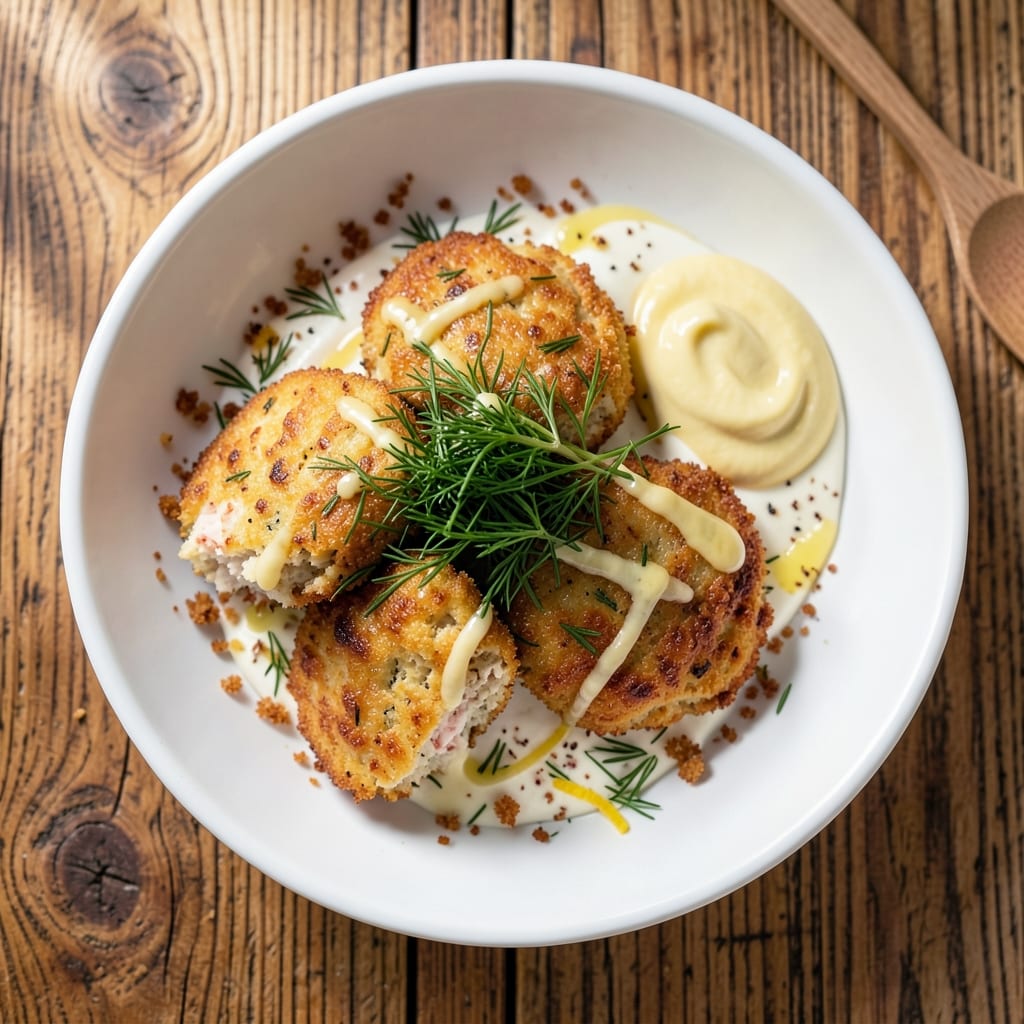
This 8 oz crab cake recipe delivers the perfect balance of golden crust and buttery, moist centers every time—no more dry or crumbly results. The secret lies in properly binding the crab meat with just the right amount of mayo and old-fashioned breadcrumbs, creating a texture that's crisp on the outside while staying tender inside. I've perfected this method after testing countless variations, ensuring each bite is packed with fresh lump crab meat and rich, savory flavor.
The technique is straightforward but critical: chilling the mixture before shaping prevents the cakes from falling apart during cooking, and a hot, well-seasoned pan guarantees that perfect golden-brown crust. Whether you're serving these as an appetizer or a main course, they're always a crowd-pleaser. The recipe also includes a simple lemon-dill aioli that pairs beautifully with the delicate seafood flavor.
What sets these crab cakes apart is their versatility—they work equally well pan-fried or baked, making them perfect for any occasion. Serve them with classic sides like coleslaw or a fresh garden salad, and don't forget the lemon wedges for a bright, tangy contrast. The result is a restaurant-quality dish that's surprisingly easy to recreate at home.
For those with dietary restrictions, I've included a gluten-free variation using almond flour, so everyone at the table can enjoy these delicious bites. Let's get started on creating crab cakes that will impress even the most discerning seafood lovers.
Ingredients for 8 oz crab cake
Golden crab cakes start with these 13 essential ingredients for perfect texture and flavor balance.
| Ingredient | Amount | Notes |
|---|---|---|
| Fresh Lump Crab Meat 🦀 | 8 oz | Backfin or jumbo lump preferred |
| Mayonnaise 🥫 | ¼ cup | Duck egg or avocado mayo for richness |
| Old-Fashioned Breadcrumbs 🍞 | ½ cup | Panko for extra crispiness |
| Large Eggs 🥚 | 1 whole | Room temperature for best binding |
| Fresh Dill 🌿 | ¼ cup | Finely chopped, stems removed |
| Fresh Lemon Juice 🍋 | 1 tbsp | Freshly squeezed, no pulp |
| Dijon Mustard 🍯 | 1 tsp | For tangy depth of flavor |
| Kosher Salt 🧂 | 1 tsp | Diamond Crystal preferred |
| Ground Black Pepper 🌶️ | ½ tsp | Freshly ground for best flavor |
| Extra-Virgin Olive Oil 🫒 | ¼ cup | For pan-frying, high smoke point |
| Butter 🧈 | 2 tbsp | Unsalted, melted for basting |
| Lemon Wedges 🍋 | 4 pieces | For serving, fresh squeezed |
| Almond Flour 🥜 | ½ cup | Gluten-free alternative for breadcrumbs |
The crab meat makes or breaks these cakes—look for fresh lump crab with minimal filler. Costco or Whole Foods have the best quality, but any reputable seafood market works. I always buy extra because the flavor is worth it. Fresh dill is non-negotiable here—dried won't give you that bright, herby punch. The mayo is key too: duck egg mayo adds richness, but regular works in a pinch. For the breadcrumbs, Panko gives extra crispiness while old-fashioned stays classic. If you're doing gluten-free, the almond flour is your secret weapon—it mimics the texture perfectly.
No fresh dill? Dried dill at one-third the amount works, but you'll miss that fresh pop. Short on lump crab? Claw meat is cheaper and still delicious—just chop it smaller. The Dijon mustard can be swapped for regular yellow mustard, but you'll lose that sophisticated depth. For the mayo, Greek yogurt mixed with lemon juice is a great lighter alternative. The lemon wedges? Fresh is a must—bottled juice just doesn't cut it. And if you're pan-frying, a mix of olive oil and butter gives you that perfect golden crust without burning.
Crab cakes taste even better the next day—cover and refrigerate for up to 2 days. For make-ahead prep, shape them and freeze on a tray, then transfer to a bag for up to 1 month. Thaw in the fridge overnight before cooking. The aioli keeps for 5 days in the fridge, but I always make extra because it disappears fast. Serve with lemon wedges right away—they brighten up every bite. And trust me, leftovers reheat beautifully—just warm gently in a pan with a little butter.
Why You'll Love This Recipe
- No-Fuss Assembly: I swear by this recipe because it’s three ingredients plus mixing—no fancy techniques. Just fold the crab, mayo, dill, and breadcrumbs together, shape, and pan-fry. That’s it. Even when I’m distracted (looking at you, midweek chaos), these come out golden.
- Creamy-Crisp Magic: The secret’s in the mayo-to-egg ratio—just enough to bind without sogginess. That crispy crust from the breadcrumbs? Chef’s kiss. And the fresh dill? It brightens every bite so they taste like a seaside brunch, not a sad Tuesday dinner.
- Weeknight to Weekend: Make a batch on Sunday, freeze half, and pull them out for game day or a last-minute dinner guest. They reheat beautifully (or better yet, crisp up fresh in the pan). Honestly, I’ve served these at BBQs, potlucks, and even my mom’s Thanksgiving—no one bats an eye.
- Budget-Friendly Luxury: You’re paying for the crab, but the rest? Eggs, mayo, breadcrumbs—pantry staples. I stretch an 8 oz portion into two servings by mixing in a little chopped veggie (zucchini or bell pepper) when I’m pinching pennies. Still tastes like a splurge, though.
Step-by-step instructions for perfect crab cakes
Here's how to balance crispy crusts with tender, buttery crab cakes every time.
Prepare the Crab Cake Mixture
In a large mixing bowl, gently combine the 8 oz fresh lump crab meat with the 0.25 cup mayonnaise, 0.25 cup finely chopped fresh dill, 1 tbsp fresh lemon juice, 1 tsp Dijon mustard, 1 tsp kosher salt, and 0.5 tsp ground black pepper. The mixture should look moist but not soupy—if it's too loose, add 2-3 tablespoons of the old-fashioned breadcrumbs to bind it.
I like to use my hands for this step, carefully folding the ingredients together until just combined. Overmixing releases too much crab juice, which can make your cakes dense. The texture should resemble wet sand—cohesive but still crumbly. Real talk: don't skip the lemon juice here. It brightens the flavor and prevents the mayo from turning rancid during cooking.
Bind with Egg and Create the Crust
In a separate bowl, whisk the 1 whole large egg until frothy. Add the egg to the crab mixture and gently fold together. Now for the crust: in another bowl, combine the 0.5 cup old-fashioned breadcrumbs with the 0.5 cup almond flour. This blend gives you both texture and a gluten-free option if needed.
Fold the breadcrumb mixture into the crab mixture until evenly distributed. You want to maintain that delicate balance—just enough to hold the cakes together without making them dense. If the mixture feels too dry, add 1-2 teaspoons of lemon juice to help bind it. The final texture should be like damp, crumbly cookie dough that holds its shape when pressed.
Chill the Mixture for Perfect Structure
Cover the bowl with plastic wrap and refrigerate for at least 30 minutes (I prefer 1 hour). Chilling firms up the mixture, which prevents the cakes from falling apart when you handle them. It also lets the flavors meld together for maximum impact.
Here's the thing—don't skip this step. I've learned the hard way that cold crab cakes hold their shape better and develop a superior texture. While it's chilling, take 5 minutes to prep your cooking station. You'll want your pan hot and your utensils ready to go when the timer goes off.
Pan-Fry to Golden Perfection
Heat 0.25 cup extra-virgin olive oil and 2 tbsp butter in a large skillet over medium heat until the butter foams but doesn't brown. The oil should be hot enough to sizzle when you add a small piece of the mixture—this ensures a perfect sear.
Using a ¼ cup measuring scoop, portion the chilled crab mixture into 4 equal patties. Gently press each one to about ½-inch thickness—don't overpress or they'll be too dense. Carefully slide them into the hot skillet, leaving 1 inch between each cake for even cooking. Cook for 3-4 minutes per side until golden brown and crispy on the outside.
Finish with Butter and Serve Warm
During the last 30 seconds of cooking, add 1 tablespoon of melted butter to each side of the cakes. This basting step creates that signature buttery finish we're after. Remove the crab cakes from the pan and let them rest on a wire rack for 2-3 minutes—this keeps them crispy while allowing any residual juices to redistribute.
Serve immediately with the 4 lemon wedges for squeezing over the top. The contrast of crispy exterior, tender crab, and bright lemon is what makes these crab cakes truly special. Each bite should deliver that perfect balance of textures and flavors—crunchy crust, buttery richness, and sweet, briny crab. Enjoy while they're hot!
Pro Tips For Making 8 Oz Crab Cake
- Drain the Crab Meat Twice: The first time you drain those lumps, you’re still getting the briny water that’ll make your crab cakes soggy. After the initial drain, transfer the meat to a fine-mesh strainer and give it another quick rinse under cold water. Trust me, the extra 30 seconds now saves you from a mushy disaster later—especially if you’re using the backfin or claw meat that holds more moisture.
- Toast the Breadcrumbs Dry: I used to just mix in the breadcrumbs straight from the bag, thinking it didn’t matter. Wrong. Toast them in a dry pan over medium heat for 2-3 minutes until they’re golden and smell nutty. This adds texture and absorbs less oil when frying, so your crab cakes stay crispy instead of greasy. (Yes, even if you’re impatient like me.)
- Press the Cakes Flat: Skip the "roll into balls" step—those always end up lopsided and fall apart. Instead, press the mixture firmly into a well-greased pan (about ¾-inch thick) and cut into 4 equal rectangles. The flat surface sears better, holds together, and gives you that perfect golden crust on both sides. No flipping chaos, just clean edges.
- Rest Them Before Frying: After shaping, pop the crab cakes in the fridge for 15 minutes. This lets the mayonnaise set slightly and the breadcrumbs bind, so they don’t crumble when you slide them into the pan. I learned this the hard way—my first batch turned to crab meat soup when I rushed it. (Your future self will thank you.)
Wine and beer pairings for these flavors
Crisp White Wine
A Sauvignon Blanc from New Zealand or Loire Valley is my go-to pairing—its bright acidity and citrus notes mirror the lemon-dill flavors in the crab cakes. Look for a wine with 12-13% ABV and green apple or grapefruit undertones. The crispness cuts through the richness of the butter while complementing the seafood's natural sweetness. 🍷
For a budget-friendly option, try a Pinot Grigio from Italy's Alto Adige region. These wines are light enough to avoid overwhelming the delicate crab flavor while still providing that refreshing acidity. Chill your bottle to 45-50°F before serving—proper temperature makes all the difference.
Crisp Lager Beer
A German Pilsner like Warsteiner or Stella Artois works beautifully with crab cakes. The light body and subtle malt sweetness enhance the buttery texture without competing. For a craft option, try a Belgian Witbier like Hoegaarden—its coriander and orange peel notes add an unexpected but delightful twist. 🍺
If you prefer American options, a light lager such as Miller Lite or Bud Light provides a clean, neutral backdrop that lets the crab shine. For a hoppier choice, a session IPA with 4-5% ABV (like New Belgium Fat Tire) adds a subtle bitterness that balances the richness of the cakes.
Rich Red Wine
For those who prefer red, a light-bodied Pinot Noir from Oregon or California offers surprising harmony. The earthy undertones and red fruit flavors complement the crab's natural sweetness without overpowering it. Choose a wine with 12-13% ABV and minimal tannins to avoid a harsh mouthfeel.
If you're serving crab cakes as a main course, a Chianti Classico from Tuscany provides a bold yet balanced option. Its acidity and cherry notes stand up to the buttery crust while enhancing the seafood's brininess. Serve slightly cooler than room temperature—around 55-60°F—to preserve its freshness.
Cocktail Pairings
A gin and tonic with a citrus twist is a refreshing match. Use Hendrick's Gin and add a splash of fresh lime juice and a rosemary sprig for an aromatic experience. The botanical notes in gin complement the dill in the crab cakes beautifully. 🍸
For a non-alcoholic option, try a sparkling lemonade made with fresh lemon juice, sparkling water, and a touch of honey. The effervescence cleanses the palate between bites, while the lemon enhances the crab's natural flavor. Garnish with a lemon wheel and fresh mint for an elegant touch.
Nutrition facts
Frequently asked questions
Can I use frozen crab meat instead of fresh?
Yes, but thaw it properly first! Place frozen crab meat in a colander and run cold water over it for 5-10 minutes until thawed. Drain well and pat completely dry with paper towels—any excess moisture will make your crab cakes soggy. For best results, use backfin or jumbo lump frozen crab meat, as it holds its shape better than other grades.
How do I make these gluten-free?
Swap the old-fashioned breadcrumbs for 0.5 cup almond flour or a gluten-free breadcrumb blend. The recipe already includes almond flour as an option, so you can use it 1:1. For extra crispiness, add 1 tablespoon cornstarch to the almond flour mixture before folding it in. The texture will still be delicious—just slightly different from traditional crab cakes.
Why are my crab cakes falling apart?
This usually happens from one of three issues: overmixing (releases too much crab juice), not chilling the mixture (prevents proper binding), or too much liquid in the pan. Always chill for at least 30 minutes and use a hot, dry pan—add oil/butter only after heating. If the mixture feels too loose, add 1-2 tablespoons more breadcrumbs before chilling.
Can I bake these instead of pan-frying?
Preheat oven to 400°F and line a baking sheet with parchment paper. Lightly grease the paper with oil. Form the cakes and place on the sheet, spacing them 1 inch apart. Bake for 12-15 minutes until golden brown. For extra crispiness, broil for 1-2 minutes at the end. The texture will be slightly different but still delicious—just not as crispy as pan-fried.
How do I store leftovers?
Let the crab cakes cool completely, then store them in an airtight container in the fridge for up to 2 days. To reheat, warm in a skillet over medium heat for 2-3 minutes per side with a little butter. For longer storage, freeze shaped (uncooked) cakes on a tray for 1 hour, then transfer to a bag for up to 1 month. Thaw overnight in the fridge before cooking.