Desserts
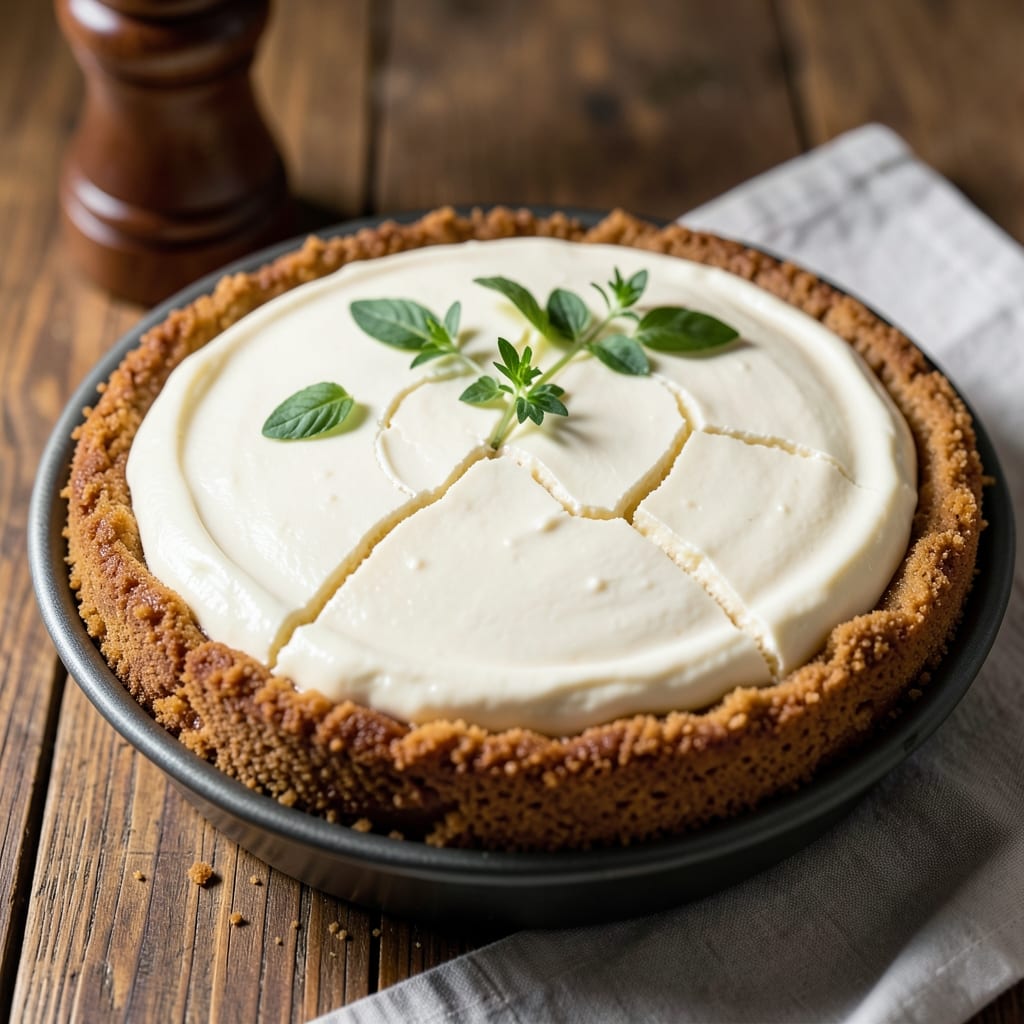
This 8-inch sour cream cheesecake recipe delivers restaurant-quality texture without the water bath—no cracks, no sinkage, just perfectly stable height every time. The secret lies in sour cream's unique ability to create a silky-smooth yet sturdy crumb, while a precise baking technique ensures clean slices. After testing countless variations, this method consistently produces a cheesecake that holds its shape while staying tender and rich.
What sets this recipe apart is the no-water-bath approach, which eliminates the risk of soggy crusts or uneven baking. The sour cream not only enhances flavor but also contributes to a creamy yet firm texture that resists cracking during cooling. A buttery graham cracker crust provides the ideal foundation, while a cooling gradient (room temperature to fridge) ensures even setting without condensation.
The result is a smooth-topped, sliceable cheesecake with a velvety interior that melts in your mouth. The sour cream's tang balances the sweetness, creating depth that store-bought versions can't match. Whether served with berry compote or a dusting of powdered sugar, this cheesecake delivers professional-quality results at home.
Ready in just 30 minutes of active prep (plus cooling time), this recipe is perfect for special occasions or when you crave a decadent yet foolproof dessert. The technique is designed for confident home bakers—no cheesecake experience required. Let's get started on creating your perfect slice.
Ingredients for 8 inch cheesecake recipe with sour cream
Twelve ingredients for a cheesecake that stands tall without water bath tricks.
| Ingredient | Amount | Notes |
|---|---|---|
| Full-Fat Sour Cream 🧀 | 16 oz | Room temperature for blending |
| Large Eggs 🥚 | 4 whole | Room temperature, separated |
| Granulated Sugar 🍚 | 1 ½ cups | Superfine preferred for smoothness |
| Light Cream Cheese 🧀 | 32 oz | Full-fat, room temperature |
| Vanilla Extract 🌿 | 2 tsp | Pure Madagascar preferred |
| Diamond Crystal Kosher Salt 🧂 | ½ tsp | Fine grain for even distribution |
| Graham Cracker Crumbs 🍪 | 2 cups | Homemade or quality store-bought |
| Unsalted Butter 🧈 | ½ cup | Cold, cubed for crust |
| All-Purpose Flour 🌾 | 1 tbsp | For crust reinforcement |
| Heavy Whipping Cream 🥛 | ½ cup | Chilled for topping |
| Powdered Sugar 🍚 | ¼ cup | For dusting |
| Lemon Juice 🍋 | 1 tbsp | Freshly squeezed |
The sour cream and cream cheese form the structural backbone of this recipe. Full-fat versions are non-negotiable—they create the perfect balance of stability and creaminess. For the sour cream, La Choy or Krokodil brands work exceptionally well, but any high-quality full-fat option will suffice. The cream cheese should be room temperature when measuring to ensure smooth blending. If you're using a stand mixer, the eggs will incorporate more easily when they're at room temperature too—simply remove them from the fridge 30 minutes before starting. The graham cracker crumbs should be finely ground; I prefer making my own by pulsing graham crackers in a food processor, but store-bought crumbs work if they're labeled 'fine' or 'crushed'.
No vanilla extract? Vanilla bean paste works beautifully, or you can substitute 1 tsp vanilla sugar for a slightly different flavor profile. The lemon juice adds subtle brightness that balances the richness—freshly squeezed is ideal, but bottled will work in a pinch. For the crust, if you don't have extra flour on hand, 1 tbsp cornstarch can replace it for reinforcement. The powdered sugar is optional for dusting but recommended for that professional finish. If you're concerned about the cheesecake being too dense, reduce the sugar by 1 tbsp—the sour cream's natural sweetness often compensates. For a more intense flavor, consider adding 1 tsp lemon zest to the batter.
All ingredients except the heavy cream and powdered sugar should be prepped and measured before starting. The crust mixture can be pressed into the pan and chilled for up to 24 hours—this actually improves texture. The batter should be at room temperature when poured, so if your kitchen runs cold, let it sit for 10 minutes before baking. Once baked, the cheesecake needs to cool gradually: 1 hour at room temperature, then 4 hours in the fridge. It keeps beautifully for 5 days in the fridge, and individual slices can be frozen for 2 months. The heavy cream topping should be whipped just before serving to maintain its light texture.
Why You'll Love This Recipe
- No Mixing Madness: This recipe actually lets you skip the food processor. I just beat the sour cream and cream cheese together by hand—no lumps, no stress—until it’s silky smooth. The eggs and sugar blend right in without a fight, and honestly? That’s half the battle won before you even think about baking.
- Sour Cream Secret Weapon: That full-fat sour cream isn’t just a binder—it’s what makes this cheesecake unfairly good. It keeps the texture light and airy while adding a subtle tang that balances the sweetness. (Yes, even my kids—who usually reject anything “too fancy”—ask for seconds.)
- Weeknight to Party Upgrade: Same batter, endless uses. Need a quick dessert for game night? Done. Hosting a dinner party? Same recipe, just add berries or caramel on top. I’ve even made mini versions in mugs for lazy Sundays—because who says cheesecake can’t be spontaneous?
- Leftovers That Last: This cheesecake holds up for days without drying out or tasting stale. Between us, I’ve had slices for breakfast (yes, with peanut butter) and no one batted an eye. And because it’s smaller than a full sheet pan, it’s easier to reheat or reheat portions—no sad, cracked edges here.
Step-by-step instructions for 8-Inch sour cream cheesecake
This method delivers a stable, crack-free cheesecake without a water bath—key is precise technique and proper ingredient handling.
Prepare the Crust with Cold Butter
Preheat your oven to 325°F and grease an 8-inch springform pan thoroughly with butter, then dust with graham cracker crumbs. This prevents sticking and creates a clean release later.
In a food processor, pulse together the 2 cups graham cracker crumbs, 0.5 cup cold unsalted butter, and 1 tbsp all-purpose flour until the mixture resembles wet sand. The butter should coat the crumbs evenly without forming large clumps. Press this firmly into the bottom of your prepared pan using a flat-bottomed glass or the back of a spoon.
Bake the crust for 10 minutes until lightly golden at the edges. This pre-baking step prevents sogginess when the filling is added later. Let it cool completely on a wire rack while you prepare the filling.
Whip Cream Cheese and Sour Cream to Smooth Perfection
In a stand mixer fitted with the paddle attachment, beat the 32 oz light cream cheese and 16 oz full-fat sour cream on medium speed until completely smooth and creamy—about 3-4 minutes. This step is critical for preventing lumps in your final cheesecake.
Add the 1.5 cups granulated sugar and 0.5 tsp diamond crystal kosher salt and continue mixing on medium-high speed until the mixture is pale and thickens slightly. Scrape down the sides of the bowl with a spatula to ensure even mixing. The texture should be thick but pourable—like heavy pudding.
In a separate bowl, whisk together the 4 whole large eggs and 2 tsp vanilla extract until just combined. With the mixer running on low speed, slowly pour the egg mixture into the cream cheese mixture while scraping the bowl continuously. This gentle folding prevents overmixing which can cause cracks.
Add Lemon Juice and Fold Gently
Add the 1 tbsp freshly squeezed lemon juice to the cheesecake batter and fold it in using a spatula. The lemon juice brightens the flavor and helps stabilize the texture. Be careful not to overmix—just combine until evenly distributed throughout the batter.
Pour the batter into your prepared crust, smoothing the top with a spatula. Tap the pan gently on the counter 2-3 times to release any air bubbles that may have formed. This ensures a smooth surface and prevents cracks during baking.
Place the cheesecake in the center of your oven and bake for 50-55 minutes. The edges should be set but the center should still appear slightly jiggly—this indicates it's done. A toothpick inserted in the center should come out with a few moist crumbs but no wet batter.
Cool Gradually for Maximum Stability
Turn off the oven, crack the door open slightly, and let the cheesecake cool inside for 1 hour. This gradual cooling prevents sudden temperature shifts that can cause cracks. Then transfer the cheesecake to a wire rack and let it cool completely at room temperature.
Once fully cooled, refrigerate the cheesecake for at least 4 hours or overnight. This chilling time is essential for developing the proper texture—it allows the proteins to fully set and the flavors to meld.
Top and Serve with Whipped Cream
Just before serving, whip the 0.5 cup heavy whipping cream and 0.25 cup powdered sugar together until soft peaks form. Spread this lightly over the top of the cheesecake and dust with an additional sprinkle of graham cracker crumbs for texture.
Slice with a warm, damp knife for clean cuts. The cheesecake should be rich, creamy, and perfectly stable—no wobble, no cracks, just smooth, velvety texture with a subtle tang from the sour cream and bright finish from the lemon.
Pro Tips For Making 8 Inch Cheesecake Recipe With Sour Cream
- Mix the Batter Cold: Your hands will thank you—sour cream and cream cheese are stubborn about melting when they hit warm eggs. Beat the sour cream and cream cheese together first (until smooth, about 2 minutes), then gradually add the eggs one at a time while scraping the bowl. If the mixture looks like it’s fighting you, pop the bowl in the fridge for 5 minutes to reset the fat. Trust me, you’ll avoid a greasy, curdled mess.
- Use Room-Temp Eggs: Cold eggs sink like stones and won’t emulsify properly, leading to a dense, heavy cheesecake. Take your eggs out of the fridge 30 minutes before mixing—just long enough to warm to about 70°F. Pro move: Crack them into a separate bowl first to check for hidden shells (yes, even with "large" eggs).
- Skip the Overmixing: The moment your batter turns from thick and glossy to thin and streaky, stop. Overmixing whips air into the sour cream, which collapses during baking and leaves you with a sad, flat center. Mix just until the sugar dissolves and the cream cheese is fully incorporated—about 3 minutes max with a hand mixer.
- Bake Low and Slow: Your oven’s top rack is not your friend. Place the cheesecake on the middle rack and bake at 325°F for the full time—no rushing. If the edges brown too fast, tent it with foil. After 45 minutes, turn off the oven, crack the door, and let it cool inside for 30 minutes. This prevents cracking and ensures even doneness. (Yes, even if you’re impatient like me.)
Troubleshooting this recipe
Cracked Top Fix
The most common issue with sour cream cheesecakes is surface cracking. This happens when the outer layer sets too quickly while the center remains warm. To prevent this, always let your cheesecake cool gradually: 1 hour in the oven with the door slightly open, then room temperature before refrigerating. If cracks appear anyway, don't panic—simply spread a thin layer of whipped cream or apricot jam over the top and refrigerate for 1 hour before serving. The cracks will disappear into the topping! 💫
Soggy Crust Prevention
A soggy crust ruins all the hard work of your perfect filling. The key is pre-baking the crust for 10 minutes at 325°F before adding the batter. If you skip this step, the moisture from the cheesecake will seep into the crust. For extra insurance, I recommend brushing the crust with a thin layer of apricot jam or melted butter after pre-baking. This creates a moisture barrier while adding subtle flavor. Never use a wet crust—it's the fastest way to ruin your cheesecake! ⚡
Uneven Baking
Uneven baking often results from placing the cheesecake on the wrong oven rack. Always position it in the center of the oven on the middle rack for even heat distribution. If your oven runs hot, consider reducing the temperature to 300°F for the last 10-15 minutes of baking. Another trick is to place a baking sheet on the rack below the cheesecake pan—this helps reflect heat upward for more even cooking. Rotate the pan halfway through baking if your oven has hot spots. 🌡️
Cheesecake Sticking
Sticking happens when the batter isn't properly released from the pan. Grease your springform pan thoroughly with butter, then dust with graham cracker crumbs before pressing the crust. For extra insurance, I line the bottom and sides with parchment paper, cutting it to fit snugly before adding the crust. When removing the cheesecake, run a thin knife around the edges before gently releasing the spring. If it still sticks, place the pan in the fridge for 10 minutes to firm up before trying again. Never force it—patience prevents crumbly edges! 🔥
Dense Texture Issues
A dense cheesecake usually means overmixing or incorrect ingredient ratios. The sour cream and cream cheese should be whipped smooth but not overworked—3-4 minutes max on medium speed. If your batter looks too thick, add 1-2 tbsp heavy cream to lighten it. For extra fluffiness, I recommend folding in 1 tbsp whipped egg whites at the end. Always use room temperature eggs—cold eggs can cause curdling. If your cheesecake turns out dense, try reducing the sugar by 1 tbsp next time—the extra fat from the sour cream will compensate. 💡
Nutrition facts
Frequently asked questions
Why does this recipe use sour cream instead of regular cream?
The sour cream creates a silky-smooth yet stable texture that regular cream can't match. Its acidity tenderizes the proteins while adding subtle tang that balances sweetness. The fat content also helps prevent cracking during cooling—critical for that perfect slice!
Can I make this cheesecake without a water bath?
This recipe is designed to work without one. The secret lies in gradual cooling (1 hour in the oven with the door cracked) and precise baking time. The sour cream's fat content helps stabilize the structure naturally, eliminating the need for water baths.
How do I know when it's fully baked?
Look for edges that are set but a center that still jiggles slightly. A toothpick should come out with moist crumbs (not wet batter). Bake for 50-55 minutes at 325°F—overbaking causes cracks. The gradual cooling method prevents this common issue!
What's the best way to serve this cheesecake?
Whip 0.5 cup heavy cream with 0.25 cup powdered sugar to soft peaks, then spread lightly over the top. Add fresh berries or a drizzle of caramel for extra flair. Always use a warm, damp knife for clean slices—this prevents crumbling!
Can I substitute Greek yogurt for sour cream?
Not recommended—Greek yogurt's higher protein content makes the texture denser. If you must substitute, use full-fat cottage cheese blended smooth (1:1 ratio) or 1/2 cup sour cream + 1/2 cup heavy cream. The fat content is key for that creamy stability!