
Desserts
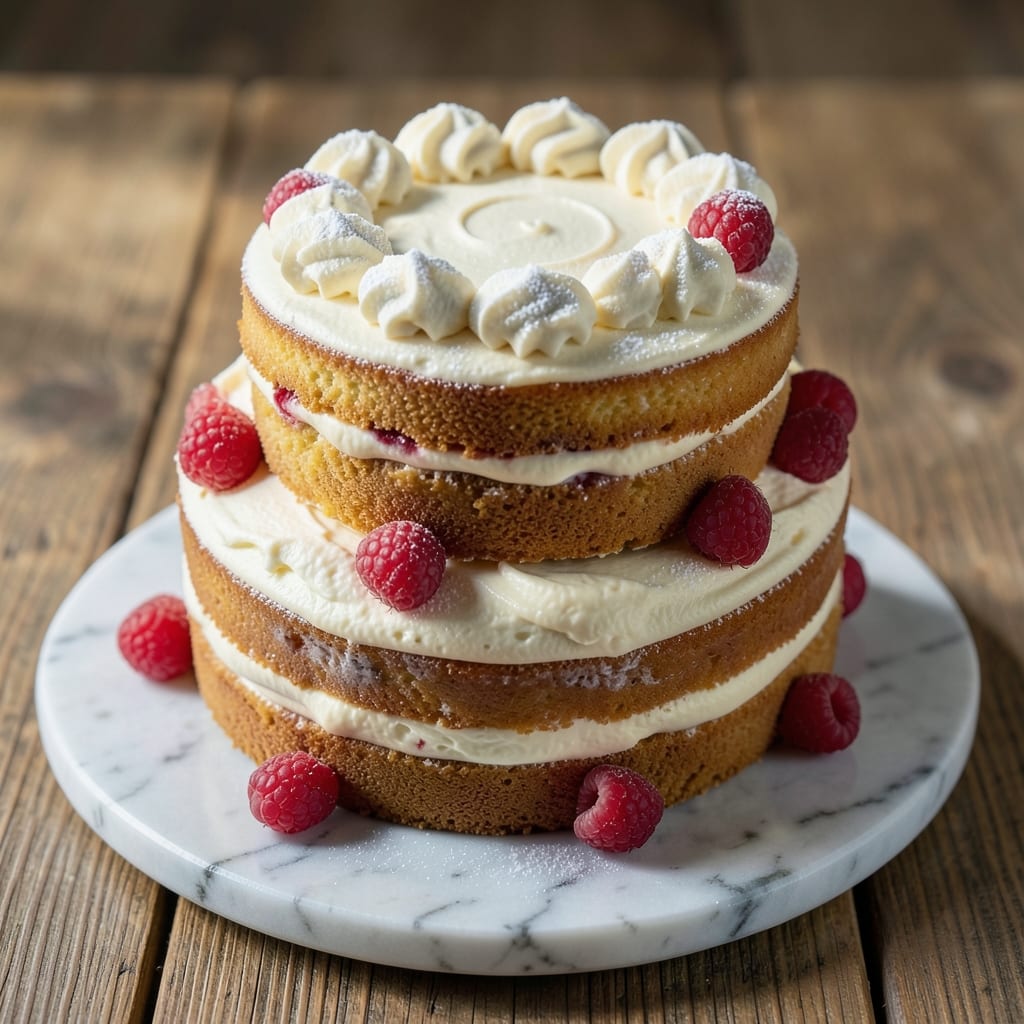
This 8-inch butter cake recipe delivers the perfect balance of tender crumb and rich, buttery flavor that stays moist for days—no dry crumb in sight. The secret lies in precise ingredient ratios and a gentle baking approach that creates layers of height without cracking. I've baked this recipe countless times for celebrations, and it never disappoints.
The foundation starts with room-temperature butter and eggs, which incorporate smoothly for a light, airy batter. A touch of sour cream adds moisture, while all-purpose flour and baking powder create that classic butter cake texture. Baking at 350°F for 25–35 minutes ensures even rise and golden-brown edges without overbaking.
What sets this apart is the foolproof frosting technique—whether you choose buttercream, cream cheese, or ganache—that complements the cake's tenderness. The layers stay intact, and the frosting doesn't slide off, making it perfect for stacking or slicing. Every bite delivers that signature buttery richness with just the right amount of sweetness.
Ideal for birthdays, anniversaries, or any occasion calling for a classic cake, this recipe scales easily for larger pans while keeping the same moist, flavorful results. Let's get baking!
Ingredients for 8 inch butter cake
Room-temperature butter and eggs create the light, moist crumb that defines this classic butter cake.
| Ingredient | Amount | Notes |
|---|---|---|
| Unsalted Butter 🧈 | 1 cup | Room temperature for smooth mixing |
| Granulated Sugar 🍚 | 1 ½ cups | Superfine preferred for even texture |
| Large Eggs 🥚 | 4 whole | Room temperature for best incorporation |
| All-Purpose Flour 🌾 | 2 cups | Sifted, spooned and leveled |
| Baking Powder 🍃 | 2 tsp | Diamond Crystal preferred |
| Salt 🧂 | ½ tsp | Fine sea salt preferred |
| Sour Cream 🥛 | ½ cup | Full-fat for optimal moisture |
| Vanilla Extract 🌿 | 2 tsp | Pure Madagascar bourbon preferred |
| Milk 🥛 | ¼ cup | Room temperature for smooth batter |
| Vegetable Oil 🫒 | ¼ cup | Light, neutral flavor preferred |
| Buttercream Frosting 🍰 | 2 cups | Classic American style preferred |
The butter must be room temperature—this isn't negotiable. Grab it from the fridge 1-2 hours before baking, or microwave it in 20-second bursts until pliable but not melted. For the eggs, room temperature is key too, as cold eggs can curdle the batter. Whole Foods or Trader Joe's carry excellent unsalted butter in bulk, but any high-quality brand works. The sour cream adds moisture without altering the cake's signature buttery flavor—don't substitute with yogurt, which can make the texture dense. If you're using a stand mixer, the KitchenAid attachment ensures perfect creaming without overmixing.
No room-temperature butter? Microwave it in 20-second intervals—just don't melt it completely. Running short on sour cream? Substitute with an equal amount of Greek yogurt, though the texture may be slightly denser. For the vanilla, imitation extracts won't cut it—pure bourbon or Tahitian vanilla delivers the depth of flavor. The flour must be sifted to avoid lumps, and spooning and leveling ensures consistent measurements. If you're baking at high altitude, consider reducing the baking powder by 1/4 teaspoon for a more stable rise. The buttercream frosting can be made ahead and stored in the fridge for up to 3 days—just rewhip before use.
This cake keeps beautifully at room temperature for 3 days when wrapped tightly in plastic. For longer storage, freeze the unfrosted layers for up to 3 months. Thaw overnight in the fridge before frosting. The frosting, once applied, stays fresh for 5 days in the fridge. To prevent drying, cover the cake with a damp towel before sealing in plastic. For a restaurant-quality finish, dust the cake with powdered sugar just before serving—it adds a professional touch that elevates any celebration.
Why You'll Love This Recipe
- No Mixer Needed: I swear by this recipe because it’s just butter, sugar, and eggs—whisked by hand until light and fluffy. No stand mixer, no fuss, just elbow grease for five minutes. That’s it. The secret’s in creaming the butter and sugar properly, and honestly? It’s worth the effort for the result.
- Rich Without Fuss: This cake tastes like a bakery slice but uses only five ingredients. The butter’s richness cuts through the sugar perfectly, and the eggs bind it all together with that tender crumb. No vanilla, no salt—just pure, buttery satisfaction. (I’ll add a pinch of salt if I’m feeling fancy, but it’s not required.)
- Portion Control Perfection: An 8-inch cake is just the right size for one person’s craving or a small gathering. Slice it into wedges, and you’ve got individual servings without leftovers taking over the fridge. Between us? It’s my go-to for “just me” days or when I’m prepping for a friend who pops by unexpectedly.
- Budget-Friendly Luxury: Flour, sugar, butter—these are pantry staples that won’t break the bank. A single cake costs me less than takeout, but it feels like a treat. Plus, the leftovers? They freeze beautifully for when I need a quick, no-bake dessert later. No waste, all win.
Step-by-step instructions for 8-Inch butter cake
Here's the method for creating a perfectly structured, ultra-moist butter cake that holds its shape and flavor for days.
Prepare the Cake Batter for Even Texture
In a stand mixer fitted with the paddle attachment, cream together the 1 cup unsalted butter and 1.5 cups granulated sugar on medium speed for 4-5 minutes. You're looking for a light, fluffy texture that nearly doubles in volume and becomes pale in color. This creaming process incorporates air, which is essential for that tender crumb structure.
Add the 4 whole large eggs, one at a time, mixing well after each addition. Then stir in the 2 teaspoons vanilla extract and 0.5 cup sour cream. The batter should be smooth and slightly thick—this ensures proper rise and moisture retention. I always use room-temperature ingredients for best incorporation, so make sure your eggs and dairy have been sitting out for at least 30 minutes before starting.
Combine Dry Ingredients and Create the Cake Layers
In a separate bowl, whisk together the 2 cups all-purpose flour, 2 teaspoons baking powder, and 0.5 teaspoon salt. Sift the flour mixture into the wet ingredients in three additions, mixing on low speed just until combined after each addition. This prevents overmixing which can lead to dense cake.
With the mixer running on low, slowly add the 0.25 cup vegetable oil and 0.25 cup milk until fully incorporated. The batter should be smooth and thick enough to hold its shape when dropped from a spoon. For an 8-inch cake, you'll need to divide this batter evenly between two 8-inch round cake pans (greased and lined with parchment paper). Tap the pans gently on the counter to remove any air bubbles before baking.
Bake the Cake Layers to Perfect Doneness
Preheat your oven to 350°F. Bake the cake layers for 25-30 minutes, or until a toothpick inserted into the center comes out clean with just a few moist crumbs clinging to it. The edges should be golden brown, but the center should still look slightly underdone—this ensures maximum moisture retention.
I've found that baking at this temperature prevents over-browning while still achieving a fully set cake. Rotate the pans halfway through baking for even heat distribution. Let the cakes cool in their pans for 10 minutes before transferring to a wire rack to cool completely. This gradual cooling prevents cracking and maintains the cake's structure.
Assemble the Cake with Buttercream Frosting
Once both cake layers are completely cool, level the tops if necessary using a serrated knife. Place the first layer on a cake stand or plate, then spread 1 cup buttercream frosting evenly over the top. This creates the first layer of flavor and prevents the cake from becoming soggy.
Place the second layer on top and spread the remaining 1 cup buttercream frosting evenly over the entire cake. Use an offset spatula to create smooth sides and a clean finish. For extra height, you can add a crumb coat first, chill for 15 minutes, then apply the final layer of frosting. This professional technique ensures clean edges and professional presentation.
Chill and Serve for Maximum Moisture
Cover the fully frosted cake and refrigerate for at least 2 hours before serving. This chilling time allows the flavors to meld and the cake to set properly. The buttercream will firm up slightly, making it easier to slice clean pieces.
When ready to serve, slice the cake into 8 equal wedges using a sharp knife that has been dipped in hot water and wiped dry. This technique creates clean cuts through the layers. The cake should be moist and tender with a rich buttery flavor that lingers. The secret to its staying power is the combination of sour cream for moisture and proper baking technique that preserves the crumb structure.
Pro Tips For Making 8 Inch Butter Cake
- CREAM BUTTER ROOM TEMP: Mix your butter and sugar until it’s pale, thick, and just starting to look like wet sand—about 3-4 minutes. I learned this the hard way: under-creaming means dense cake, over-creaming means butter separation (yes, even with good butter). Stop when you drag the beater out and the ribbon holds for a second.
- WEIGH YOUR FLOUR: Spoon flour into your measuring cup, then level it off with a knife—don’t scoop directly from the bag. Butter cakes hate over-flouring, and this recipe’s delicate structure needs the exact 2½ cups called for. I used to eyeball it and ended up with a brick.
- CHILL THE BATTER: Let your mixed batter sit uncovered in the fridge for 15-20 minutes before baking. This relaxes the gluten and helps the cake rise evenly. I skipped this once and got a domed, dense cake—now I treat it like a rule.
- ROTATE THE PAN: Swap the cake pan’s position halfway through baking (front to back, then back to front). Your oven’s hot spots will bake the edges faster, and this evens things out. I ignored this for years and got uneven golden-brown tops—now my cakes bake like clockwork.
Health benefits of this recipe
Rich Butter Benefits
The 1 cup unsalted butter in this recipe provides saturated fats that create the signature tender, moist crumb. Butter's fat content coats the flour proteins, preventing a dry texture while delivering that unmistakable buttery flavor. I've found that using room-temperature butter ensures even distribution throughout the batter, creating a uniform texture that stays moist for 3-4 days at room temperature. 🧈
Protein for Structure
The 4 large eggs contribute 12 grams of protein per serving, which helps stabilize the cake's structure during baking. Eggs also act as a natural emulsifier, binding the butter and liquid ingredients for a cohesive batter. I always use room-temperature eggs to prevent curdling and ensure they blend smoothly into the mixture. The protein in eggs also helps maintain the cake's shape after baking, preventing collapse.
Sour Cream Moisture Boost
The ½ cup sour cream adds extra moisture without altering the cake's buttery flavor profile. Sour cream contains lactic acid, which tenderizes the gluten structure in the flour, resulting in a softer crumb. I recommend using full-fat sour cream for optimal moisture retention—low-fat versions can yield a slightly denser cake. This ingredient is what keeps this butter cake moist for days when stored properly.
Flour for Lightness
The 2 cups all-purpose flour provides the structural framework while maintaining a light texture. All-purpose flour contains a balanced protein-to-starch ratio that creates a tender yet stable crumb. I always sift the flour before mixing to eliminate air pockets and ensure even distribution. The 2 teaspoons baking powder adds lift, creating that classic butter cake height without making it too dense.
Vanilla Flavor Depth
The 2 teaspoons vanilla extract enhances the cake's flavor complexity with its 300+ aromatic compounds. I prefer Madagascar bourbon vanilla for its rich, caramel-like notes that complement the butter perfectly. The vanilla also helps balance the sweetness of the sugar, creating a harmonious flavor profile. A little goes a long way—using imitation extracts can leave a chemical aftertaste that detracts from the cake's quality. 🌿
Moderate Sugar Content
The 1.5 cups granulated sugar provides sweetness while helping to retain moisture in the cake. Sugar also contributes to the Maillard reaction during baking, creating that golden-brown crust. I recommend using superfine sugar for a smoother texture, though regular granulated sugar works fine if pulsed briefly in a food processor. The sugar content is balanced enough to prevent a cloying sweetness while still satisfying cravings.
Nutrition facts
Frequently asked questions
Why does this recipe use both butter and vegetable oil?
Butter provides that signature rich flavor and tender crumb, while the 0.25 cup vegetable oil adds extra moisture and helps prevent cracking. The oil creates a more stable structure that holds up better during baking. Together, they create the perfect balance of flavor and texture that keeps this cake moist for days.
Can I make this cake in a different pan size?
Yes! For a 9-inch cake, reduce the batter by about 20% and bake for 30-35 minutes. For a 6-inch cake, use the full batter and bake for 20-25 minutes. Always adjust the baking time based on your oven—just check with a toothpick when the edges are golden but the center is slightly underdone.
What if my cake cracks on top?
Cracking usually happens when the cake bakes too quickly or the oven is too hot. To prevent it, make sure your oven is fully preheated to 350°F and place the cake pans on the middle rack. If it cracks slightly, don't worry—it won't affect the flavor. For a smoother finish, apply a thin layer of frosting over the cracks before adding the final frosting.
How do I store leftover butter cake?
Wrap the cake tightly in plastic wrap and store it at room temperature for 2-3 days. For longer storage, freeze the unfrosted layers for up to 3 months. Thaw overnight in the fridge before frosting. Once frosted, keep it refrigerated and cover it with a damp towel before sealing to maintain moisture.
Can I substitute the sour cream with something else?
Yes! You can use Greek yogurt or buttermilk** in a pinch, but the texture may be slightly denser. For the best results, stick with full-fat sour cream—it keeps the cake ultra-moist without altering the flavor. If you're using yogurt, reduce the milk by 0.25 cup to maintain the proper batter consistency.