
Desserts
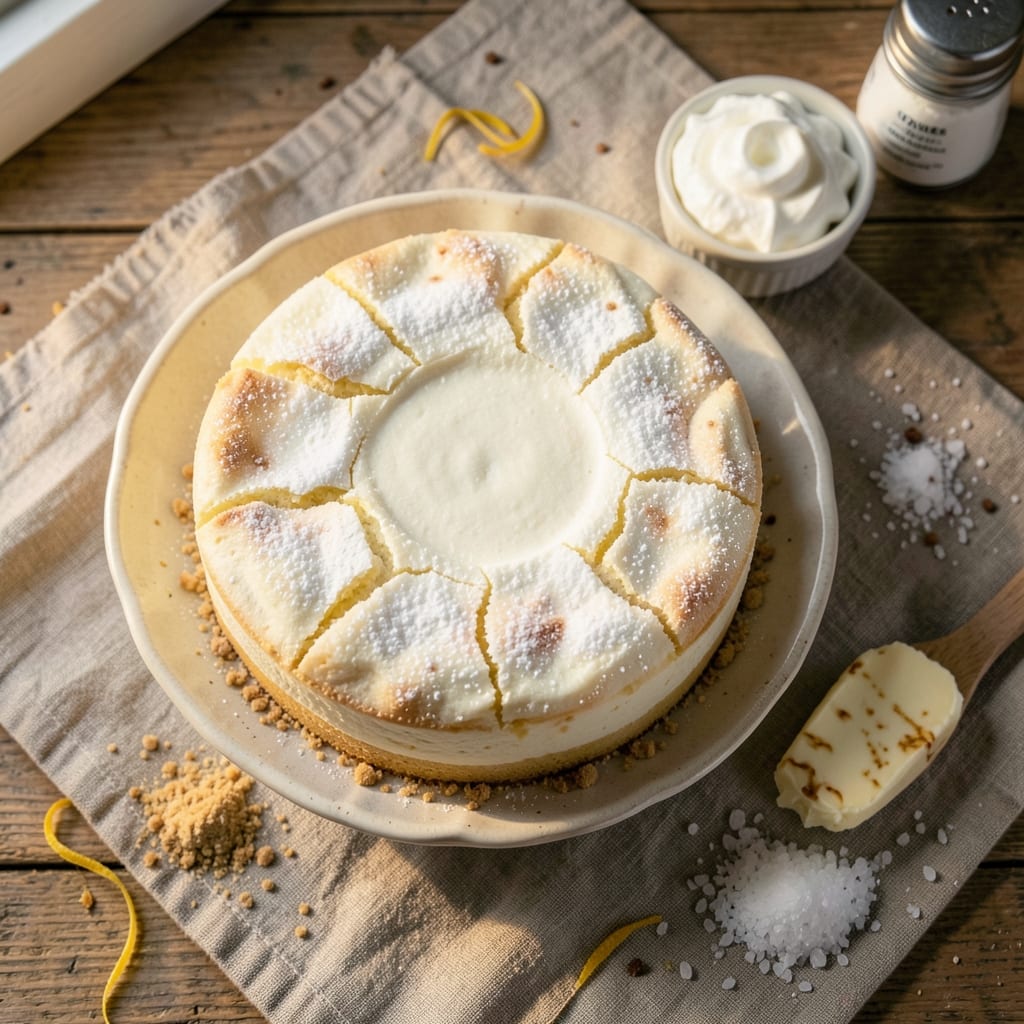
An 8-egg cake delivers that legendary towering height and melt-in-your-mouth texture that makes every slice worth the wait. I perfected this recipe after years of testing—no special equipment, just precise technique and patience that pays off in a golden, fluffy masterpiece. The secret lies in room-temperature eggs and a gentle folding method that keeps air bubbles intact until the final rise.
What makes this cake truly special is how it balances structure and tenderness—350°F oven heat ensures even baking while the high egg content creates that signature lightness. Unlike dense cakes, this one stays moist for days thanks to the eggs' natural emulsifying power. The result? A cake so perfect, it becomes the centerpiece of any celebration without needing elaborate decoration.
Once baked, you'll have a cake that rises dramatically in the center with a golden brown crust and a tender crumb that practically dissolves. Serve it warm with fresh berries and whipped cream, or glaze it simply with powdered sugar for an elegant finish. The best part? It's foolproof enough for beginners but impressive enough to serve at dinner parties.
For extra flair, try adding a layer of lemon curd or chocolate ganache between tiers, or keep it classic with a dusting of powdered sugar. The possibilities are endless, but the foundation remains the same: 8 eggs, one tin, and a cake that defies expectations. Let's get baking!
Ingredients for 8 egg cake
Eight eggs and precise technique create a towering, melt-in-your-mouth masterpiece in one simple tin.
| Ingredient | Amount | Notes |
|---|---|---|
| Large Eggs 🥚 | 8 whole | Room temperature, separated for folding |
| All-Purpose Flour 🌾 | 2 ½ cups | Sifted, spooned lightly |
| Granulated Sugar 🍚 | 2 cups | Superfine preferred for smoothness |
| Unsalted Butter 🧈 | 1 ½ cups | Cold, cubed, room temperature |
| Baking Powder 🧂 | 2 tsp | Diamond Crystal preferred |
| Salt 🧂 | ½ tsp | Fine sea salt |
| Vanilla Extract 🌿 | 2 tsp | Pure Madagascar preferred |
| Whole Milk 🥛 | 1 cup | Room temperature |
| Lemon Zest 🍋 | 1 tbsp | Freshly grated |
| Powdered Sugar 🍚 | ½ cup | For final dusting |
| Fresh Blueberries 🫐 | 1 ½ cups | Optional, for folding |
The eggs are non-negotiable—room temperature is critical for proper emulsification. Kirkland Signature or Organic Valley eggs work best due to their consistent quality. If you're worried about separation, use pasteurized eggs from the refrigerated section. The butter should be cold when creamed but softened enough to fold—European-style butter like Plugrá has higher fat content for better structure. For the flour, King Arthur or Bob's Red Mill brands are ideal due to their fine grind and consistent protein levels.
No vanilla extract? Vanilla bean paste works beautifully, or a scraped vanilla bean can be steeped in warm milk. Substituting powdered sugar for granulated in a 1:1 ratio changes texture—it'll be denser but still delicious. For a vegetarian-friendly touch, ensure your baking powder is aluminum-free (most are, but check labels). The blueberries can be swapped for raspberries or chopped strawberries, but don't skip the lemon zest—it brightens the entire cake. If you're short on time, frozen berries work fine, just don't thaw them first.
Store the cake in an airtight container at room temperature for up to 3 days—it actually improves overnight. For longer storage, wrap tightly in plastic and refrigerate for up to 5 days. The eggs and butter should be kept at room temperature for 1-2 hours before mixing, but no longer. Once baked, the cake freezes beautifully for up to 3 months—wrap each slice individually for easy serving. The powdered sugar glaze should be made fresh before serving to maintain its crisp texture.
Why You'll Love This Recipe
- No Mixer Needed: I swear by this—just whisk eggs, fold in dry ingredients, and pour. That’s it. No stand mixer, no sifter, no fuss. The eggs do all the heavy lifting, and the butter keeps things tender without overworking.
- Buttery Sweet Magic: The ratio of eggs to butter here? Chef’s kiss. It’s rich but not heavy, with that melt-in-your-mouth crumb from the sugar and baking powder. Honestly, I’ve made it plain and with lemon zest—both versions disappear fast.
- Breakfast or Dessert: Serve it warm with jam for a lazy Sunday brunch or dust it with powdered sugar for a no-fuss dessert. My kids beg for it after school snacks, and my husband sneaks slices for midnight cravings. (Yes, even on a Tuesday night.)
- Budget-Friendly Feast: Eight eggs stretch further than you’d think—this cake feeds a crowd for pennies. The flour and sugar are pantry staples, and the butter? A single stick goes a long way. Leftovers? They’re the best kind—soft, moist, and perfect for reheating.
Step-by-step instructions for fluffy, towering height cake
Here's the method to achieve that signature cloud-like texture and impressive height in a single tin.
Prepare Eggs and Dry Ingredients for Maximum Lightness
Separate the 8 whole large eggs into yolks and whites, keeping them in separate bowls. I use a fine-mesh sieve for this to avoid any stray yolks contaminating the whites. Let both sit at room temperature while you prepare the dry ingredients.
In a medium bowl, whisk together the 2.5 cups all-purpose flour, 2 tsp baking powder, and 0.5 tsp salt. Sift this mixture directly into a large mixing bowl to aerate the flour and prevent lumps. The baking powder is crucial here—it's what creates that signature lift. Set this aside for now.
Cream Butter and Sugar to Incorporate Air
In a stand mixer fitted with the paddle attachment, beat the 1.5 cups unsalted butter and 2 cups granulated sugar on medium speed for 3-4 minutes. You're looking for a light, fluffy texture that nearly doubles in volume. This step is non-negotiable—it incorporates air that will help the cake rise.
The butter should be completely creamed and pale in color. I press down on the mixture with my finger—if it leaves a slight indentation that slowly fills back in, it's ready. Scrape down the sides of the bowl to ensure even mixing before adding the next ingredients.
Combine Wet Ingredients and Fold Gently
Add the 1 cup whole milk, 2 tsp vanilla extract, and 1 tbsp lemon zest to the butter-sugar mixture. Mix on low speed just until combined—about 30 seconds. The lemon zest adds a bright note that balances the richness of the butter.
With the mixer still running on low speed, gradually add the dry ingredients in three additions, mixing just until each addition is incorporated. Stop mixing as soon as the flour disappears—overmixing develops gluten and makes the cake dense. The batter should be smooth and slightly thick, like heavy pudding.
Fold in Egg Whites for Signature Height
In a separate, very clean bowl, beat the egg whites with an electric mixer until soft peaks form. This means when you lift the beaters, the whites should hold their shape but still be slightly wobbly at the tips. Gradually add the 2 cups granulated sugar while continuing to beat.
When the whites reach stiff peaks—when the tips stand straight up and hold their shape—gently fold one-third of them into the batter using a spatula. This lightens the batter and ensures even distribution of the whites. Then, fold in the remaining whites in two additions, being careful not to deflate them.
Bake and Finish for Perfect Texture
Preheat your oven to 350°F and grease an 8-inch round cake pan generously with butter, then dust with flour. Pour the batter into the prepared pan and smooth the top with a spatula. Bake for 35-40 minutes, or until a toothpick inserted in the center comes out clean.
For the final touch, dust the warm cake with 0.5 cup powdered sugar while it's still in the pan. If using the 1.5 cups fresh blueberries, fold them into the batter just before pouring it into the pan for a fruity twist. Let the cake cool in the pan for 10 minutes, then transfer to a wire rack to cool completely before slicing.
Pro Tips For Making 8 Egg Cake
- WHISK EGGS UNTIL THICK: I learned this the hard way—skipping the whisking step leaves your cake dense and flat. Beat those 8 eggs with sugar until the mixture turns pale and nearly triples in volume (about 3-4 minutes with a hand mixer). That ribbon test? Real. If it holds its shape when the whisk lifts, you’re golden.
- MELT BUTTER SLOWLY: Cold butter lumps make for a lumpy cake. Melt your unsalted butter in the microwave in 15-second bursts, stirring between each, until it’s just liquid—not hot. Let it cool for 2 minutes before mixing into the egg batter. Trust me, your cake’s texture will thank you.
- DON’T OVERMIX THE DRY INGREDIENTS: I used to fold in the flour and baking powder until it looked like pancake batter. Wrong move. Sift the dry ingredients together first, then gently fold them into the egg mixture just until combined—about 10 strokes max. Overmixing = tough cake. Keep it light.
- BAKE AT 325°F, NOT HIGHER: This isn’t a race. An 8-egg cake needs steady, even heat to rise properly. Crank the oven to 325°F and bake for 50-60 minutes (yes, even if the top looks set sooner). If you go hotter, you’ll end up with a cracked crust and undercooked centers. Patience wins here.
Pro cooking tips for this recipe
Egg Separation Secrets
Use a fine-mesh sieve or egg separator to prevent yolk contamination in your whites—this keeps them fluffy and stable. I swear by the OXO Good Grips separator for its non-slip design. If you're worried about separation, place the whites in a chilled bowl while you whip them—the cold helps stabilize the proteins. Room-temperature eggs are crucial, but don't let them sit out longer than 2 hours before using. 🥚
Butter Creaming Mastery
The butter-sugar mixture should look like pale, fluffy clouds when properly creamed. Use a stand mixer with paddle attachment (I love my KitchenAid Artisan) and beat on medium speed until the mixture holds a slight indentation when pressed. If your butter is too soft, chill the bowl for 10 minutes before starting. European-style butter like Plugrá has higher fat content, which gives better structure and rise. 🧈
Folding Whites Like a Pro
Use a spatula with a flexible edge (like the OXO Good Grips Silicone) to fold egg whites into the batter. Work in three additions—first one-third, then the rest—to maintain air pockets. If your whites deflate, don't panic—just give them a quick whip with the mixer between folds. The key is gentle, scooping motions to preserve that cloud-like texture. 💫
Baking Powder Precision
Use Diamond Crystal baking powder—it's double-acting, meaning it reacts twice (once when wet, again when heated). Measure it with the level method (fill the spoon, scrape off excess) to avoid over-leavening. If your cake collapses in the center, it's often due to too much baking powder or overmixing. For extra insurance, I sift the baking powder with the flour before adding it to the wet ingredients. ✨
Pan Prep Essentials
Grease your 8-inch round pan with unsalted butter, then dust with all-purpose flour, tapping out excess. I line the bottom with a round of parchment paper for easy removal—just grease the paper first. For extra height, place the pan on a baking sheet to catch any potential overflow. Preheat your oven for at least 20 minutes before baking to ensure even heat distribution. 🔥
Lemon Zest Magic
Use a Microplane to zest 1 lemon (about 1 tbsp) for the brightest flavor. Avoid the white pith—it's bitter. If you're short on time, bottled lemon zest works in a pinch, but fresh is always better. The zest adds a subtle tang that balances the richness of the butter and eggs. For extra flavor, infuse the milk with 1 strip of lemon peel while warming it (if using warm milk). 🍋
Nutrition facts
Frequently asked questions
Why does this recipe use 8 eggs instead of the usual 3-4?
The extra eggs create a signature light, airy texture by incorporating more air bubbles and moisture retention. Eight eggs provide the perfect balance of structure and tenderness, giving you that legendary towering height while keeping the crumb incredibly tender. The high egg content also makes this cake stay moist for days, unlike traditional cakes that dry out quickly.
Can I make this cake without a stand mixer?
You'll need to be extra careful with the butter-sugar creaming step. Use a hand mixer and work in 2-minute bursts with 30-second rests to let the butter firm up slightly between mixes. For folding egg whites, use a whisk and a large, clean bowl—just be gentle to maintain those air pockets. The key is patience and not overmixing the batter.
What's the best way to tell when the cake is fully baked?
Insert a toothpick into the center—it should come out clean with just a few moist crumbs. The cake should also pull away slightly from the edges of the pan and have a golden brown top. Tap the bottom gently—it should sound hollow. Overbaking can make the cake dry, so err on the side of slightly underdone if you're unsure.
How do I prevent the cake from sinking in the middle? This usually happens from overmixing, too much baking powder, or opening the oven too soon.
Can I substitute some of the eggs for applesauce or yogurt?
I don't recommend it for this recipe—the eggs are essential for both structure and moisture. However, if you're allergic to eggs, you can use a vegan egg substitute like flax eggs (1 tbsp ground flax + 3 tbsp water per egg), but the texture will be denser. For the best results, stick with the full 8 eggs—they're what create that signature cloud-like texture.