
Desserts
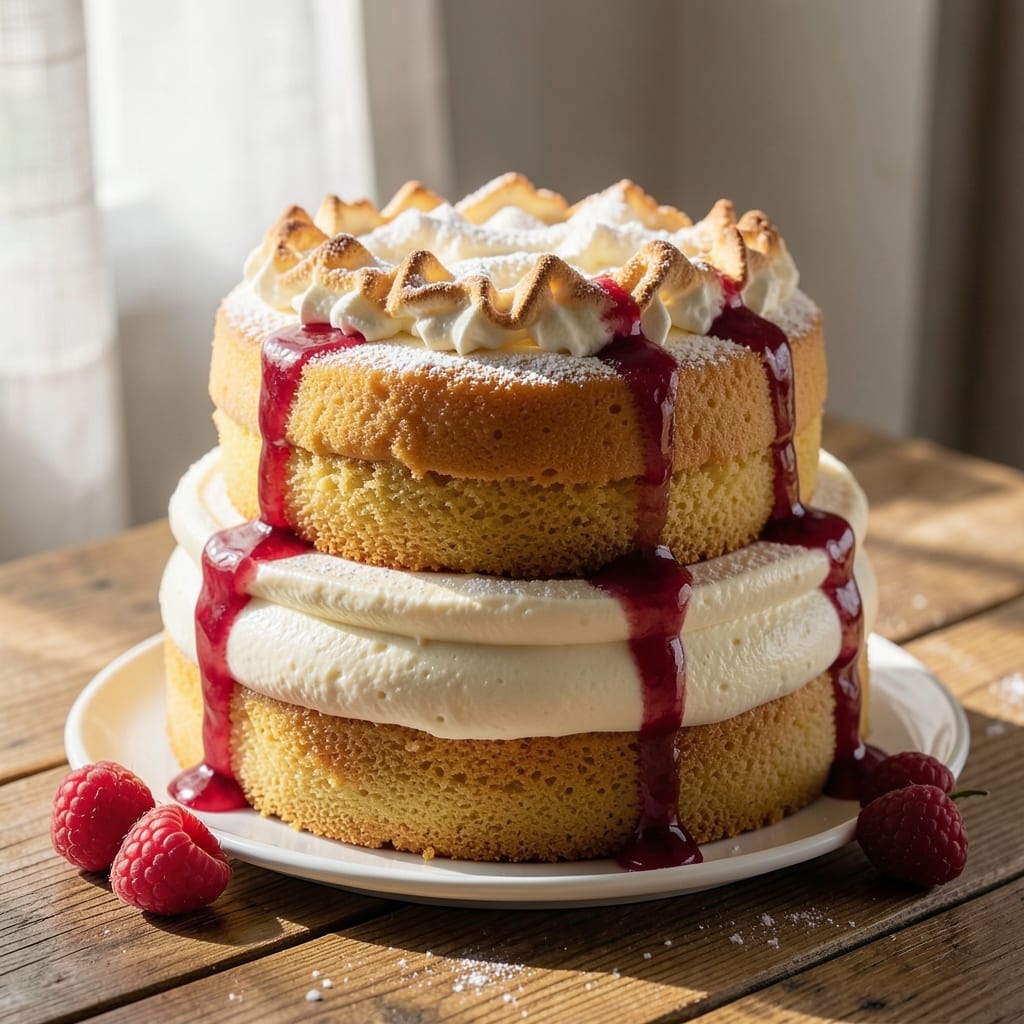
This 7-Up pound cake recipe using cake flour delivers the perfect balance of citrusy lemon-lime fizz and rich vanilla sweetness in every moist, tender bite. 💛 The secret lies in cake flour’s fine texture, which creates that signature light crumb while letting the 7-Up’s signature flavor shine through without overpowering the delicate vanilla base. I’ve perfected this recipe over years of baking, ensuring the cake stays perfectly moist for days—no dry crumb in sight.
The beauty of this recipe is its simplicity: just a handful of ingredients come together to create a cake that’s both nostalgic and refined. The 7-Up isn’t just a flavor—it’s the heart of the recipe, infusing the batter with that bright, effervescent citrus note that makes this cake unforgettable. Meanwhile, the cake flour ensures a tender, velvety texture that’s lighter than traditional all-purpose flour versions, making each slice melt in your mouth.
What you’ll end up with is a golden, domed cake with a fine crumb and just the right amount of citrusy brightness to complement the vanilla. The aroma alone—warm vanilla with hints of lemon-lime—will have everyone asking for seconds. This isn’t just a cake; it’s a celebration of flavors that brings back childhood memories while delivering bakery-quality results at home.
Whether you’re serving it at a family gathering or treating yourself to a slice of nostalgia, this recipe is foolproof and versatile. Pair it with a simple lemon glaze or whipped cream for extra indulgence. Let’s get baking—your taste buds will thank you.
Ingredients for 7 up pound cake recipe using cake flour
Cake flour, citrus zest, and vanilla create this nostalgic yet refined 7-Up pound cake.
| Ingredient | Amount | Notes |
|---|---|---|
| Cake Flour 🌾 | 3 cups | Sifted for light texture |
| Granulated Sugar 🍚 | 2 cups | Superfine preferred for smoothness |
| Unsalted Butter 🧈 | 1 cup | Room temperature, not melted |
| 7-Up Soda 🥤 | 1 cup | Chilled for effervescence |
| Large Eggs 🥚 | 4 whole | Room temperature for volume |
| Pure Vanilla Extract 🌿 | 2 tsp | High-quality, no imitation |
| Baking Powder 🧂 | 2 tsp | Double-acting preferred |
| Salt 🧂 | ½ tsp | Fine sea salt |
| Whole Milk 🥛 | ½ cup | Room temperature |
| Lemon Zest 🍋 | 1 tbsp | Fresh, finely grated |
| Lemon Juice 🍋 | 1 tbsp | Freshly squeezed |
| Unsalted Butter 🧈 | ¼ cup | Melted for frosting |
| Powdered Sugar 🍚 | 2 cups | Sifted for smooth glaze |
| Vanilla Extract 🌿 | 1 tsp | For glaze enhancement |
The cake flour is non-negotiable here—its fine texture delivers that signature tender crumb while allowing the 7-Up’s effervescence to shine. Bob’s Red Mill or Gold Medal brands are excellent choices, but any quality cake flour will work. For the butter, Plugrá or Land O’Lakes are reliable options, but avoid salted varieties. The 7-Up should be chilled before measuring to preserve its bubbles—simply pop the can in the fridge for 10 minutes. Fresh lemon zest and juice elevate the citrus notes, so avoid pre-grated zest from jars, which often lacks potency. If you can’t find cake flour, a blend of all-purpose flour and cornstarch (2 cups AP flour + 2 tbsp cornstarch) mimics its properties, though the texture won’t be identical.
No 7-Up on hand? Sprite or lemon-lime soda works in a pinch, though the flavor won’t be as authentic. For a dairy-free option, substitute the milk with almond or oat milk, though the cake may be slightly denser. The vanilla extract should be pure, not imitation—McCormick or Nielsen-Massey brands are widely available and reliable. If you’re short on time, room-temperature eggs can be achieved by placing them in warm water for 5 minutes. For the glaze, powdered sugar should be sifted to avoid lumps, and adding an extra splash of milk can adjust consistency if needed. The melted butter in the glaze adds richness, but vegan butter can be used for a dairy-free version.
This cake stays moist for up to 5 days when stored in an airtight container at room temperature, though it’s best enjoyed within the first 2 days. For longer storage, wrap tightly in plastic and refrigerate for up to 1 week, or freeze for up to 3 months. To reheat, cover with a damp towel and microwave for 20-30 seconds. The glaze sets quickly, so assemble the cake no more than 30 minutes before serving. For extra indulgence, dust with powdered sugar or serve with whipped cream. Leftovers can be revived with a quick broil for 1-2 minutes to restore freshness.
Why You'll Love This Recipe
- No Mixer Needed: Mixing this cake is a breeze—I just fold the cake flour into the butter and sugar with my hands, then pour in the 7-Up. The soda lightens the batter effortlessly, so no electric mixer required.
- Citrus Zing: That first sip of 7-Up flavor? It’s like a nostalgic hug. The citrus notes from the soda cut through the richness of the butter, making every bite bright and just sweet enough.
- Party in a Box: Slice it for a brunch spread, cube it for a dessert platter, or serve it warm with ice cream—this cake handles any occasion. Honestly, I’ve even used leftover slices for French toast, and nobody’s complained.
- Budget-Friendly Magic: Cake flour keeps costs down, and you’re using pantry staples like butter and sugar. Plus, the 7-Up adds a fun twist without breaking the bank. It’s my go-to when I need something special but simple.
Step-by-step instructions for 7-Up pound cake using cake flour
Master the art of this light, citrus-infused pound cake with precise technique and proper layering.
👨🍳 Step 1: Prepare the Cake Batter
Preheat your oven to 350°F and grease a 10-inch tube pan thoroughly with butter, then dust with cake flour. In a large mixing bowl, combine the 3 cups cake flour, 2 cups granulated sugar, 2 tsp baking powder, and 0.5 tsp salt. Whisk until evenly distributed and no lumps remain—this ensures a tender crumb.
In a separate bowl, beat the 1 cup unsalted butter until light and fluffy, about 3-4 minutes. Add the 4 whole large eggs one at a time, mixing well after each addition. Stir in the 2 tsp pure vanilla extract, 1 tbsp lemon zest, and 1 tbsp lemon juice to create a fragrant base. The mixture should be pale and slightly thickened.
🥘 Step 2: Incorporate Wet Ingredients and Bake
Gradually add the dry ingredients to the wet mixture, alternating with the 0.5 cup whole milk in three additions. Begin and end with the dry ingredients to maintain proper structure. Gently fold in the 1 cup chilled 7-Up soda last, using a spatula to create air pockets—this creates the signature lightness of the cake.
Pour the batter into the prepared tube pan and smooth the top. Bake for 50-60 minutes until a toothpick inserted in the center comes out clean and the top springs back when pressed lightly. The cake should have a golden hue with a slightly domed top—this indicates proper baking.
⏰ Step 3: Cool and Prepare the Glaze
Remove the cake from the oven and let it cool in the pan for 15 minutes. Then invert it onto a wire rack to cool completely. While the cake cools, prepare the glaze by melting the 0.25 cup unsalted butter in a small saucepan over low heat.
Remove from heat and whisk in the 2 cups powdered sugar and 1 tsp vanilla extract until smooth. Gradually add 1-2 tablespoons of the 7-Up soda (from the original bottle) to thin the glaze to a drizzling consistency. The glaze should coat the back of a spoon but remain pourable—this ensures a glossy finish without being overly sweet.
🍽️ Step 4: Glaze and Serve
Once the cake is completely cool, place it on a wire rack set over a baking sheet. Slowly pour the glaze over the top, letting it drip down the sides. Use a spoon to spread any excess glaze evenly. Allow the glaze to set for 10 minutes before slicing—this prevents a soggy bottom and ensures clean cuts.
Slice into 12 equal wedges and serve immediately. The cake should have a moist, tender crumb with a delicate citrus aroma and a sweet-tart balance from the lemon and soda. The glaze adds a glossy finish that enhances the vanilla notes without overpowering the cake's natural flavor.
Pro Tips For Making 7 Up Pound Cake Recipe Using Cake Flour
- Measure Soda Last: Pour the 7-Up into the batter after mixing the wet and dry ingredients—otherwise, it’ll fizz out before you even get to the oven. I learned this the hard way when my first batch turned dense instead of light. Just add it gently in a thin stream while folding, like you’re making a wish on a birthday cake.
- Cream Butter Cold: Use butter straight from the fridge—it should resist denting when pressed. Warm butter incorporates air poorly, and this cake relies on that structure to hold its shape. Skip the softening shortcut; your cake’s crumb will thank you.
- Skip Overmixing: Stop folding the batter as soon as the flour disappears—usually 10-12 strokes max. Overmixing develops gluten, and this cake’s magic is in its tender, airy crumb. Your arms will feel lighter, and the texture will be perfect.
- Test Doneness Early: Check the cake at 45 minutes—it’ll pull away from the pan edges but still jiggle slightly in the center. That’s ideal for a moist crumb. Resist the urge to bake longer; it’ll dry out faster than you think.
Regional styles of this 7 up pound cake recipe using cake flour
Southern Lemon-Lime Twist
In the South, this cake often gets a zesty glaze made with 1 cup powdered sugar, 2 tbsp lemon juice, and 1 tbsp 7-Up for extra citrus punch. I like adding 1 tsp grated lemon peel to the batter for deeper flavor. Southern bakers also prefer a slightly denser texture, so they might reduce the cake flour by ½ cup and replace it with all-purpose flour. The result? A richer, more robust cake that still keeps that signature 7-Up fizz. 🍋
Midwest Vanilla Bean Upgrade
Up north, bakers love enhancing the vanilla flavor with 1 vanilla bean scraped and added to the batter. The Midwest version also often includes ½ tsp almond extract for warmth, balancing the citrus. For a festive touch, some add ½ cup crushed vanilla wafers to the batter before baking—this creates a marbled effect that’s perfect for holidays. The texture stays light, but the flavor becomes even more complex. 🌟
West Coast Citrus Fusion
On the West Coast, you’ll find variations with orange zest (instead of just lemon) and a honey glaze (replacing powdered sugar). I’ve seen recipes using 2 tbsp honey in the batter for extra moisture, plus 1 tbsp orange liqueur for depth. The result is a brighter, slightly floral cake that pairs beautifully with fresh berries on top. This version is especially popular in California, where citrus is king. 🍊
Northeast Spiced Version
In New England, bakers often add ½ tsp ground cinnamon and ¼ tsp nutmeg to the batter for warmth. The glaze might include 1 tsp maple syrup to complement the spices. This version is perfect for fall gatherings—it’s like a cozy hug in cake form. The spices mellow out the citrus, creating a balanced, comforting flavor that’s still light and airy. 🍂
Texas-Style Bold Glaze
Down in Texas, the glaze gets a sweet-and-tangy kick with 1 tbsp lime juice and ½ tsp Tajín sprinkled on top after baking. Some even drizzle caramel sauce alongside the glaze for a decadent twist. The cake itself stays the same, but the presentation makes it feel like a special occasion. This version is all about bold flavors and big personality. 🌶️
Nutrition facts
Frequently asked questions
Why does this recipe use cake flour instead of all-purpose?
Cake flour creates a lighter, more tender crumb perfect for pound cakes. Its fine texture and lower protein content prevent gluten development, resulting in that signature moist, velvety bite. For best results, don't substitute—it's what makes this cake truly special!
Can I make this cake without 7-Up?
Yes! Use Sprite or lemon-lime soda as a substitute, though the flavor won't be identical. For a non-soda option, try 1 tbsp lemon juice + 1 tbsp lime juice mixed with ½ cup water to mimic the citrus fizz. The cake will still be delicious but lose that signature effervescent note.
How do I prevent a dense or dry cake?
Overmixing is the #1 culprit! Mix dry and wet ingredients just until combined. Also ensure your butter and eggs are room temperature and don't overbake—remove when a toothpick comes out clean (around 50-60 minutes). For extra moisture, brush warm slices with simple syrup.
Can I bake this in a different pan?
Yes, but adjust baking time. For a 9-inch round pan, bake 40-45 minutes at 350°F. For a 9x13-inch pan, reduce to 30-35 minutes. Grease pans thoroughly and check doneness 5 minutes early—different pans conduct heat differently. The cake should spring back when pressed.
How long will this cake stay fresh?
Store in an airtight container at room temperature for 3-4 days or refrigerate for up to 1 week. For longer storage, freeze slices wrapped tightly for up to 3 months. The glaze may soften when reheated, so add fresh glaze before serving if needed.