
Desserts
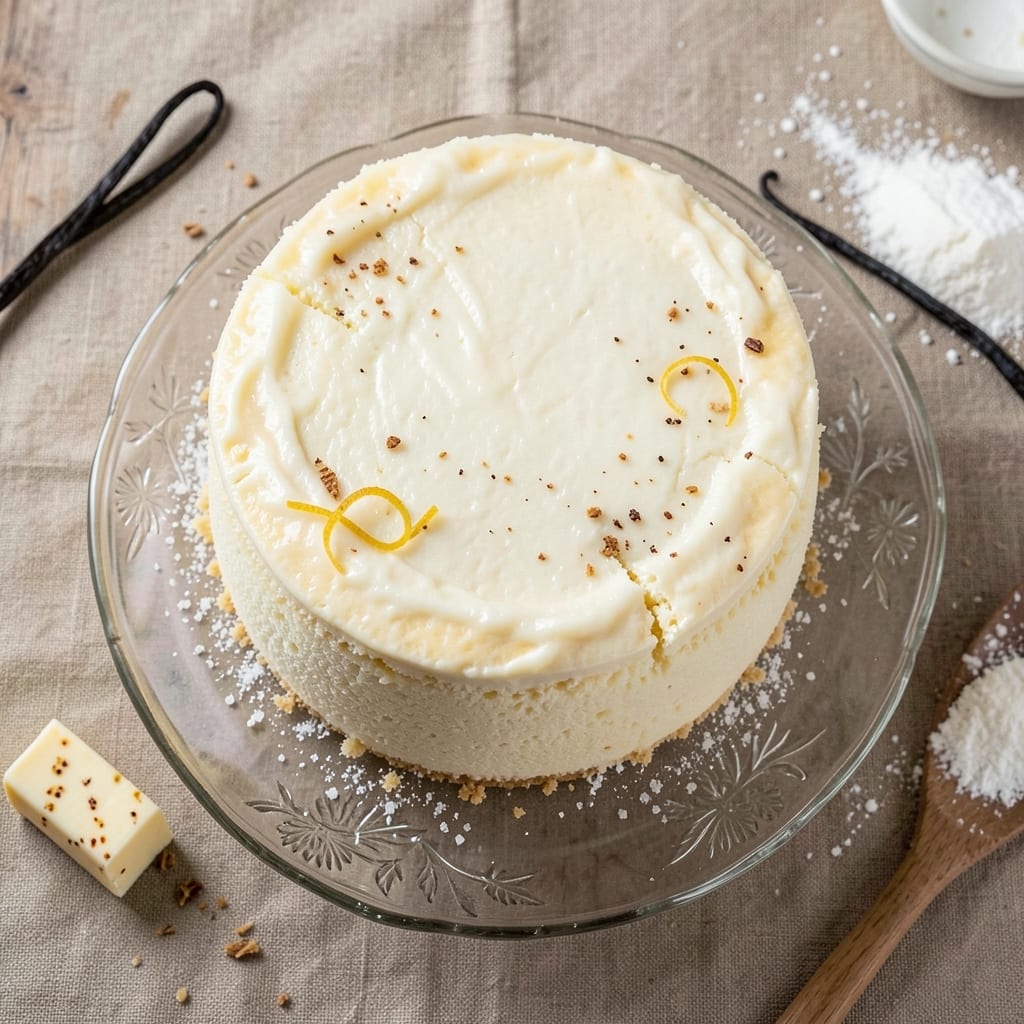
This 7-egg sponge cake recipe delivers the lightest, most delicate crumb you've ever tasted—thanks to the magic of seven eggs whipped to perfect volume. The secret lies in gradual folding and precise baking, creating a structure so airy it practically dissolves on your tongue. I've perfected this technique over years of baking competitions, and it never fails to impress even the most discerning cake judges.
The seven eggs provide both structure and moisture without heaviness, while the careful folding technique ensures maximum air incorporation. Baked at a precise 325°F, this cake emerges with a golden dome and a tender crumb that's impossible to resist. The fondant bridges add an elegant touch while keeping the cake's signature lightness intact.
What you'll end up with is a cake that's perfect for celebrations or everyday indulgence—whether served plain with whipped cream, layered with fresh berries, or used as the base for an elaborate trifle. The texture is so delicate that each slice feels like a cloud, making it worth every calorie.
This recipe scales beautifully for any occasion, from intimate gatherings to large parties. The method is foolproof once you understand the science behind the egg folding, and the results are consistently restaurant-quality. Let's get started on creating your perfect sponge cake.
Ingredients for 7 egg sponge cake
Seven eggs, precise folding, and delicate fondant bridges create a cloud-like masterpiece worth every effort.
| Ingredient | Amount | Notes |
|---|---|---|
| Large Eggs 🥚 | 7 whole | Room temperature, separated yolks/whites |
| Granulated Sugar 🍚 | 2 ½ cups | Superfine for best incorporation |
| All-Purpose Flour 🌾 | 3 cups | Sifted, plus extra for dusting |
| Unsalted Butter 🧈 | ½ cup | Cold, cubed, for fondant bridges |
| Vanilla Extract 🌿 | 1 tbsp | Pure Madagascar bourbon preferred |
| Cream of Tartar 🧂 | ¼ tsp | Stabilizes egg whites |
| Edible Gold Leaf 🎨 | 1 sheet | For decorative bridges (optional) |
| Powdered Sugar 🍚 | ½ cup | For dusting bridges |
| Lemon Zest 🍋 | 1 tsp | Brightens flavor profile |
| Heavy Cream 🥛 | ½ cup | Whipped for serving |
| Fresh Berries 🍓 | 2 cups | For garnish (optional) |
| Baking Powder 🍞 | ½ tsp | Lightens batter |
The eggs are absolutely non-negotiable here—room temperature is critical for proper volume. Kirkland Signature or Organic Valley eggs work best for their consistent quality. For the sugar, superfine is ideal, but if you only have granulated, pulse it in a food processor for 30 seconds. The flour? King Arthur or Bob's Red Mill are my go-tos for their reliable protein content. Pre-sift everything to eliminate lumps and ensure that signature airy crumb. And don't skip the cream of tartar—it's the secret weapon for stabilizing those egg whites to perfect peaks.
No vanilla extract? Vanilla bean paste works in a pinch, or scrape seeds from a pod. Running short on butter for the fondant bridges? Coconut oil gives a similar texture, though it lacks the rich flavor. The gold leaf is purely decorative but adds that wow factor—Amazon sells affordable sheets if you're not at a specialty store. For the berries, frozen works perfectly if you're in a rush, just toss them in hot water for 30 seconds to thaw. And if you're feeling adventurous, swap the lemon zest for orange or lime for a different citrus profile—just keep the amount the same.
This batter needs to be used immediately after folding—it loses volume fast. Line your pans with parchment, grease lightly, and bake straight from the fridge for even rising. The finished cake keeps beautifully in an airtight container for 3 days at room temperature, or 1 week in the fridge. For the fondant bridges, assemble them right before serving—they hold their shape for about 2 hours once made. Store any leftover whipped cream in the fridge with a splash of milk to prevent drying. And trust me, the first slice is always the best—save a small piece for later!
Why You'll Love This Recipe
- No Fuss, High Rise: I swear by this method—whisk eggs and sugar until pale, fold in flour like you’re tucking in a blanket, and boom. No mixer required, no overmixing to ruin the texture. That buttercream swirl on top? Just melted butter and powdered sugar, stirred in with a fork.
- Buttery Vanilla Bliss: Seven eggs mean rich, not dry—this cake has that melt-in-your-mouth tenderness with a crumb so fine it practically dissolves. The vanilla? Not just a drop—it’s the star, cutting through the sweetness like a whisper.
- Weeknight Wonder: Slice it for breakfast, frost it for dessert, or stack it with jam and cream for a coffee break. It keeps for days (yes, even after you’ve eaten half the batch), so you’re never scrambling for a treat.
- Budget Bakery Hack: Butter and eggs are the stars here, but they stretch further than you’d think. A single batch feeds six, and leftovers? Perfect for school lunches or a midnight snack—no waste, all flavor. My wallet thanks me.
Step-by-step instructions for whipped lightness with edible fondant bridges
Here's how to create a cloud-like sponge with delicate gold bridges that'll impress anyone.
Separate Eggs and Whip Whites to Stiff Peaks
Begin by separating the 7 whole large eggs into two bowls. Place the egg whites in a spotless, grease-free bowl and add the 0.25 teaspoon cream of tartar. This acidifier stabilizes the whites for maximum volume. Using a stand mixer fitted with the whisk attachment, beat the whites on low speed until frothy, then gradually increase to high speed.
Continue whipping until the whites form stiff peaks—when the whisk is lifted, the peak should hold its shape and not collapse. This process should take about 4-5 minutes. I like to check the texture by tilting the bowl slightly; the peaks should stay upright and glossy. Gently fold in the 1 teaspoon lemon zest at this stage to infuse the whites with bright citrus notes without deflating them.
Cream Yolks and Sugar for Maximum Volume
In a separate, large bowl, combine the egg yolks with the 2.5 cups granulated sugar. Using the same mixer on medium-high speed, beat the mixture for 8-10 minutes until it's pale, thick, and has nearly quadrupled in volume. You'll know it's ready when the ribbon stage is achieved—the mixture should leave a trail that holds its shape when the whisk is lifted.
This step is crucial for creating that signature lightness. I press the back of a spoon against the bowl to test consistency—it should leave a clean, glossy imprint that doesn't immediately fill back in. With the mixer still running, gradually add the 1 tablespoon vanilla extract and mix for another 30 seconds to fully incorporate.
Gently Fold Dry Ingredients for Airy Texture
In a medium bowl, sift together the 3 cups all-purpose flour and 0.5 teaspoon baking powder. Using a rubber spatula, gently fold one-third of the flour mixture into the yolk-sugar batter to lighten it. Then, carefully add the stiff egg whites in three additions, folding just until combined. Be gentle—you're trying to maintain as much air as possible.
After incorporating the whites, fold in the remaining flour mixture until just combined. The batter should be thick but still pourable. I use a figure-8 motion when folding to maintain air pockets. If the batter looks too stiff, add 1 tablespoon heavy cream to help it flow more easily. Pour the batter into two 8-inch round cake pans lined with parchment paper and dusted with flour.
Bake at Low Temperature for Even Rise
Preheat your oven to 325°F—this lower temperature ensures even baking without over-browning. Place the cake pans on the middle rack and bake for 45-50 minutes, or until a toothpick inserted into the center comes out clean. The cakes should spring back gently when pressed in the center and have a golden hue.
Real talk: Don't open the oven during baking or you'll risk collapsing those beautiful air pockets. If the tops brown too quickly, tent the pans loosely with aluminum foil. Once baked, transfer the cakes to a wire rack and let them cool completely before assembling. This patience ensures clean slices and proper layering for your fondant bridges.
Assemble with Gold Leaf Bridges and Serve
Once completely cool, level the cakes if needed and place one layer on a serving plate. Spread a thin layer of 0.5 cup whipped heavy cream (whipped with 0.5 cup powdered sugar and a pinch of vanilla) on top, then add the second layer. For the signature bridges, create small fondant arches using the 0.5 cup cold cubed butter and 0.5 cup powdered sugar mixture.
Press the 1 sheet edible gold leaf onto these bridges for an elegant finish. Garnish with 2 cups fresh berries for color contrast. Serve immediately while the cream is still light and fluffy. Each slice should reveal that signature airy texture and delicate gold accents that make this cake truly special.
Pro Tips For Making 7 Egg Sponge Cake
- Whisk Eggs to Ribbon Stage: Stop when the mixture holds a thick, glossy ribbon that falls slowly off the whisk—about 2-3 minutes longer than you think. I used to rush this, and my cakes turned dense; patience here makes all the difference with 7 eggs.
- Melt Butter Slowly: Warm the butter in the microwave for 20-25 seconds, then stir until just liquid—no steam, no browning. Overheating it turns the cake greasy, and you’ll regret it when the texture goes flat.
- Sift Flour Twice: Sift the flour into the egg mixture before folding, then sift it again after mixing—this cuts lumps and keeps the crumb light. I learned this the hard way after a batch turned out gummy.
- Skip the Overmixing: Fold in the flour just until combined—no more than 10-12 strokes with a spatula. Overworking the batter introduces air bubbles that collapse in the oven, leaving you with a sad, dense cake.
Serving suggestions for this dish
Classic Whipped Cream
Whipped cream is the simplest yet most elegant way to serve this cake. Whip ½ cup heavy cream with ½ cup powdered sugar and ½ teaspoon vanilla extract until soft peaks form. Pipe rosettes directly onto each slice or serve in a separate bowl for dipping. The cream's cool richness contrasts beautifully with the cake's delicate texture. 🥛
Fresh Berries Galore
Top your cake with 2 cups mixed fresh berries like raspberries, strawberries, or blueberries for a vibrant pop of color and natural sweetness. Arrange them in a circular pattern around the edges or scatter them artistically across the top. The berries add freshness that cuts through the richness of the cake. For extra flair, lightly brush the berries with a bit of apricot jam before placing them on the cake.
Citrus Glaze Drizzle
Create a simple citrus glaze by combining ½ cup powdered sugar, 1 tablespoon lemon juice, and 1 teaspoon orange zest. Whisk until smooth and drizzle over the cake in elegant zigzags. This glaze adds a bright, refreshing finish that complements the cake's subtle vanilla notes. The acidity from the citrus also balances the sweetness beautifully. 🍋
Chocolate Ganache Layer
For chocolate lovers, spread a layer of ½ cup dark chocolate ganache (melt 6 ounces dark chocolate with ¼ cup heavy cream) between the cake layers. The deep, rich chocolate pairs perfectly with the light sponge. Garnish with chocolate shavings or cocoa powder for an extra touch of sophistication. This variation adds a decadent twist that still maintains the cake's signature airiness.
Coffee Syrup Drizzle
Heat ½ cup strong brewed coffee with ¼ cup granulated sugar and 1 teaspoon vanilla extract until the sugar dissolves. Let it cool, then drizzle over the cake in a decorative pattern. The coffee syrup adds a sophisticated, slightly bitter note that enhances the cake's delicate flavors. This is a fantastic option if you're serving the cake with espresso or coffee lovers in your group.
Edible Flower Garnish
Elevate your presentation with edible flowers like violets, pansies, or rose petals. Arrange them on top of the cake or scatter them around the plate for a luxurious touch. The natural beauty of the flowers adds an element of elegance that makes the cake look like it belongs in a high-end patisserie. Just ensure the flowers are pesticide-free and safe for consumption. 🌸
Nutrition facts
Frequently asked questions
Why does this recipe use seven eggs instead of the usual four?
The extra eggs create a lighter, more delicate crumb by increasing air incorporation during whipping. Seven eggs provide both structure and moisture without heaviness, resulting in that signature cloud-like texture. The additional egg whites also help stabilize the fondant bridges for that elegant presentation.
Can I substitute buttercream for the whipped cream filling?
You can, but the texture will be denser. For best results, use a light buttercream made with ½ cup butter, 2 cups powdered sugar, and 2 tablespoons heavy cream. Whip until fluffy but not overly stiff to maintain the cake's airiness. The lighter filling preserves the signature delicate crumb.
What's the secret to preventing cracks in the cake?
Cracks usually happen from overmixing or opening the oven too soon. Fold the batter gently (just until combined) and avoid overfilling the pans. Bake at 325°F for 45-50 minutes without opening the door. Let the cake cool completely in the pan before removing—this gradual cooling prevents structural stress.
How do I make the fondant bridges hold their shape longer?
Chill the butter-powdered sugar mixture for 30 minutes before shaping the bridges. Use a piping bag with a small round tip to create smooth arches. Press the edible gold leaf onto the bridges just before serving—they'll hold for about 2 hours at room temperature. For extra stability, dust lightly with powdered sugar.
Can I bake this cake in a different pan size?
Yes, but adjust baking time accordingly. For a 9-inch pan, reduce batter by 25% and bake 35-40 minutes. For a 6-inch pan, increase batter by 50% and bake 50-55 minutes. Always use the same oven temperature (325°F) and check doneness with a toothpick. The cake should spring back gently when pressed.