
Desserts
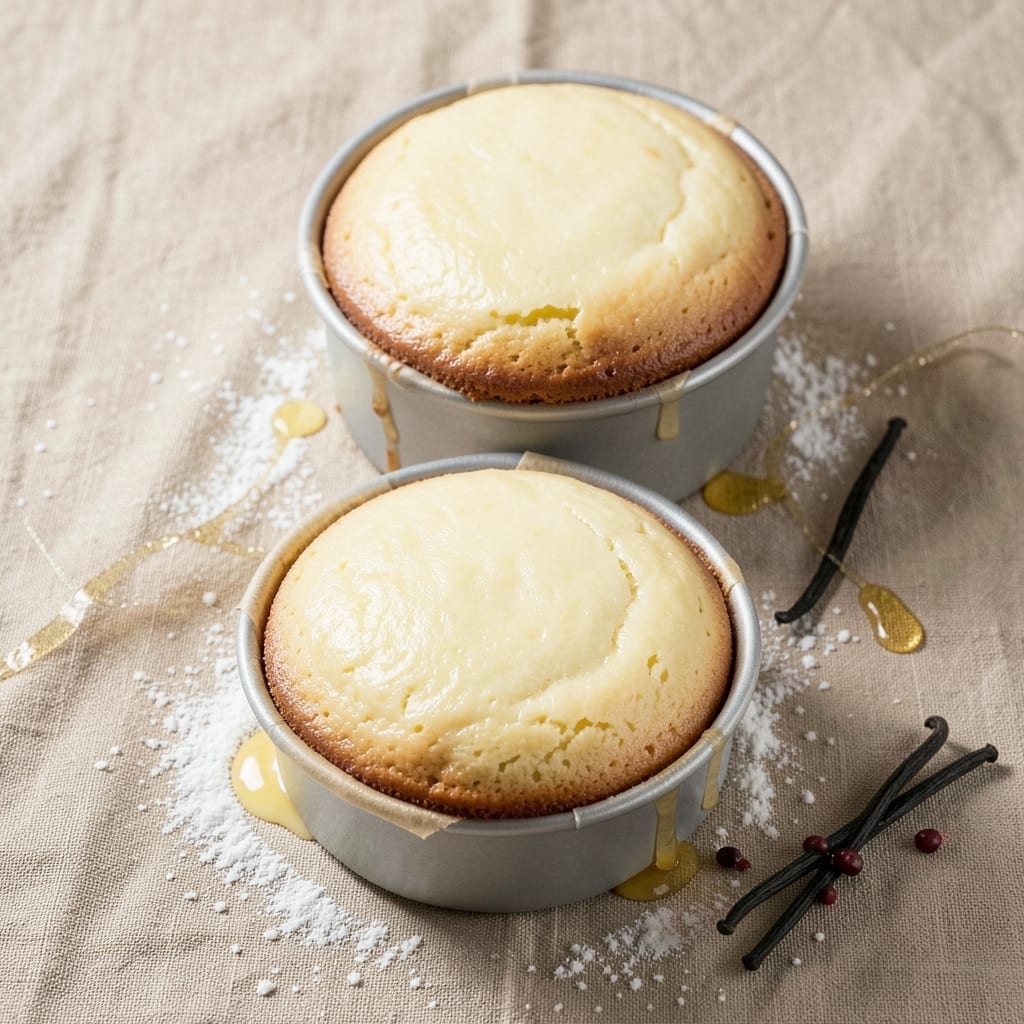
This 7-egg cake recipe delivers the perfect balance of rich, moist layers and velvety vanilla bean frosting—ideal for special occasions or when you want to impress. The secret lies in the precise ratio of eggs to butter and sugar, creating a tender crumb that stays fresh for days. I developed this recipe after years of testing, ensuring every slice delivers that satisfying, melt-in-your-mouth texture.
The moist texture comes from incorporating the eggs one at a time, ensuring each addition blends smoothly into the batter. This method prevents overmixing, which can lead to a dense cake. We'll use all-purpose flour and a touch of baking powder for lift, while vanilla extract and a pinch of salt enhance the natural sweetness of the eggs and sugar. The frosting, made with vanilla bean paste, ties everything together with its aromatic richness.
Baking at 350°F for about 30-35 minutes yields golden layers that hold their shape yet remain tender. The frosting, whipped to a light consistency, adds a professional finish without overpowering the cake's delicate flavor. Whether you're serving it at a celebration or simply treating yourself, this recipe guarantees a showstopping dessert that tastes even better the next day.
For added versatility, consider swapping vanilla for almond or coconut extract, or adding citrus zest to the batter for a bright twist. The frosting can also be flavored with lemon curd or chocolate ganache for those who prefer richer profiles. Let's get started on creating your perfect cake!
Ingredients for 7 egg cake
Seven eggs, two cups sugar, and a touch of vanilla create this velvety cake masterpiece.
| Ingredient | Amount | Notes |
|---|---|---|
| Large Eggs 🥚 | 7 whole | Room temperature for even mixing |
| Granulated Sugar 🍚 | 2 cups | White or light brown preferred |
| Unsalted Butter 🧈 | 1 ½ cups | Softened, not melted (67°F) |
| All-Purpose Flour 🌾 | 2 ½ cups | Sifted, spooned lightly |
| Baking Powder 🍞 | 1 ½ tsp | Freshly opened for best rise |
| Pure Vanilla Extract 🌿 | 2 tsp | Bottled vanilla preferred |
| Salt 🧂 | ½ tsp | Fine sea salt preferred |
| Vanilla Bean Paste 🍯 | 1 tbsp | For frosting aroma (optional) |
| Heavy Whipping Cream 🥛 | 2 cups | Cold for frosting stability |
| Powdered Sugar 🍚 | 3 cups | Sifted for smooth frosting |
| Lemon Zest 🍋 | 1 tbsp | Optional for citrus brightness |
The eggs are the star here—room temperature is key for smooth blending. Kirkland Signature or Pete & Gerry's organic eggs work perfectly, but any large eggs will do. Butter should be soft but not melted—press your thumb into it; it should leave a slight indent. The vanilla extract matters too—McCormick or Nielsen-Massey are reliable brands. For the flour, Gold Medal all-purpose is my go-to, but any brand works as long as it's fresh. The baking powder must be fresh—if it's over six months old, toss it and buy a new can.
No vanilla bean paste? Double the vanilla extract—it won't be as aromatic, but it'll work. Running out of heavy cream? Cool whipping cream at 35°F for 2 hours mimics the cold effect. The powdered sugar should be sifted to avoid lumps in the frosting—Domino or C&H brands are consistent. For the lemon zest, use a microplane for fine strips—organic lemons from Whole Foods or your local market have the brightest flavor. If you're making this ahead, the batter can sit at room temp for up to 4 hours before baking.
Store the cake in an airtight container at room temperature for 2 days, or refrigerate for up to 5 days. The frosting keeps for 3 days in the fridge—just re-whip it before serving. For longer storage, freeze the unfrosted cake for 3 months. The frosting can be made a day ahead—just cover it tightly and let it come to room temp before whipping. This cake tastes even better the next day, so make it ahead for gatherings—trust me on this.
Why You'll Love This Recipe
- No Mixer Needed: I’ll be real—this cake comes together with a whisk and a bowl. No stand mixer, no electric beaters, just elbow grease for a minute. The eggs and sugar get whipped smooth enough that you won’t miss the fancy equipment.
- Sweet But Not Cloying: That 7-egg-to-sugar ratio? It’s the secret. The butter and flour balance it out so the cake stays tender without tasting like a dessert—more like a cozy, slightly rich loaf that’s still light enough to eat for breakfast.
- Breakfast or Dessert: Honestly, I make this for both. Toast a slice with jam for morning, or dust it with powdered sugar and serve with coffee. The neutral flavor means it’s your blank canvas—add cinnamon, lemon zest, or even a splash of vanilla if you’re feeling fancy.
- Stays Fresh for Days: Between us, this cake is my lazy Sunday solution. It keeps for at least five days wrapped in foil, and if you slice it thin, you can reheat portions in the toaster for a quick snack. No sad, dried-out crumbs here—just reliable, moist bites.
Step-by-step instructions for 7 egg vanilla cake
Let's create a cake so moist it stays tender for days, with layers that practically melt in your mouth.
Prepare the Cake Batter
Preheat your oven to 350°F and grease three 8-inch round cake pans, lining the bottoms with parchment paper. In a large mixing bowl, combine the 7 whole Large Eggs and 2 cups Granulated Sugar. Beat on medium speed for 3-4 minutes until the mixture is pale, thick, and nearly tripled in volume. You'll see ribbons form when you lift the beaters—this is your signal to move forward.
Add the 1.5 cups Unsalted Butter (softened to 67°F) and beat for another 2 minutes until fully incorporated. The mixture should be smooth and creamy. In a separate bowl, whisk together the 2.5 cups All-Purpose Flour, 1.5 tsp Baking Powder, and 0.5 tsp Salt. Sift the dry ingredients directly into the wet mixture to avoid lumps.
Mix on low speed for 30 seconds just until combined—you should still see a few flour streaks. Fold in the 2 tsp Pure Vanilla Extract and 1 tbsp Vanilla Bean Paste using a spatula. The batter should be smooth and thick, like pudding. Divide it evenly among the prepared pans and bake for 25-30 minutes until a toothpick inserted in the center comes out clean. Let the cakes cool in the pans for 10 minutes before transferring to a wire rack to cool completely.
Make the Vanilla Bean Frosting
While the cakes cool, prepare the frosting by chilling the 2 cups Heavy Whipping Cream in the refrigerator for 15 minutes. In a large bowl, sift the 3 cups Powdered Sugar and add the 1 tbsp Lemon Zest (if using). Whip the chilled cream with an electric mixer on medium speed until soft peaks form.
Gradually add the powdered sugar mixture while continuing to whip. Increase the speed to high and whip for another 2-3 minutes until the frosting is thick, glossy, and holds stiff peaks. The frosting should be light and airy, almost like meringue. If it's too thick, add 1 teaspoon of milk or cream at a time until it reaches the desired consistency. Cover and refrigerate until ready to use.
Assemble the Cake Layers
Once the cakes are completely cool, level the tops if necessary using a serrated knife. Place the first layer on a cake stand or plate and spread a thin layer of frosting on top. This is called crumb coating—it helps seal in moisture and prevents crumbs from getting into the final frosting layer.
Add the second layer and repeat the crumb coating process. Finally, place the third layer on top. Now, spread a generous layer of frosting over the entire cake, covering the sides and top completely. Use an offset spatula to create smooth, even sides. For extra elegance, pipe a simple border around the edges or add a swirl on top. Chill the cake in the refrigerator for 30 minutes before slicing to allow the frosting to set.
Serve and Enjoy
Slice the cake into 8 even servings and serve immediately. The cake should be moist and tender, with a delicate vanilla aroma that fills the room. The frosting should be light and fluffy, complementing the rich, eggy cake layers. If you refrigerated the cake, let it sit at room temperature for 10 minutes before serving to enhance the texture.
This cake keeps well for 3 days at room temperature or 5 days in the refrigerator, though it's best enjoyed fresh. Store any leftovers covered tightly to maintain moisture. The secret to its success lies in the high egg content and careful baking—no dry crumbs here!
Pro Tips For Making 7 Egg Cake
- Whisk Eggs Until Ribbon Stage: Don’t just stir those 7 eggs—whisk them vigorously until the mixture forms a thick ribbon when you lift the whisk. I learned this the hard way after a cake that was more pudding than structure. The extra air lightens the texture, especially with this many eggs.
- Melt Butter Slowly: Warm the butter over low heat until it’s fully melted but not browned—think "just off the stove" temperature. Dumping hot butter into the egg mix can scramble the proteins, and you’ll end up with a dense, rubbery cake. Patience here makes all the difference.
- Sift Flour Over Eggs: Instead of dumping flour directly, sift it gently over the egg-butter mixture while folding. This keeps the batter smooth and prevents lumps, which are a nightmare in a 7-egg cake. I used to just mix it in, and the result was always uneven.
- Bake at 325°F, Not Hotter: This recipe needs a gentle oven—325°F is non-negotiable. Higher heat will cause the top to brown too fast before the center sets, leaving you with a cake that’s cakey on the outside and gooey in the middle. Your future self will thank you for resisting the urge to crank it up.
Essential equipment for perfect results
Mixing Essentials
Start with a stand mixer like the KitchenAid Artisan Series—its powerful motor handles the high egg content without overheating. I use the paddle attachment for creaming butter and sugar, then switch to the whisk for the eggs. A hand mixer works too, but expect 5-10 extra minutes of beating time. For precise measurements, a digital kitchen scale (like the OXO Good Grips) ensures consistency, especially when weighing butter and powdered sugar. 🥚
Baking Tools
Three 8-inch round cake pans are essential—opt for heavy aluminum (like Wilton Perfect Results) for even heat distribution. Line the bottoms with parchment paper to prevent sticking and ensure clean slices. A toothpick is your best friend for testing doneness, while a serrated knife helps level uneven cake tops. For frosting, an offset spatula creates smooth sides, and a piping bag adds decorative swirls if you're feeling fancy. 🧈
Cooling & Storage
Invest in a wire cooling rack to prevent soggy bottoms while cakes cool. For storage, airtight containers (like Rubbermaid Brilliance) keep the cake fresh for days. A cake turntable makes frosting easier, especially for beginners. If you plan to make this often, a cake stand elevates your presentation. For frosting prep, a chilled mixing bowl (place in the freezer for 10 minutes) helps achieve stiff peaks faster. ✨
Optional Extras
A vanilla bean scraper maximizes flavor from your paste, while a microplane ensures fine lemon zest. For texture testing, a thermometer (like Thermoworks Thermapen) confirms internal temps—though a toothpick works just fine. If you love texture contrast, a sprinkle of flaky sea salt (like Maldon) on top adds sophistication. For make-ahead convenience, a vacuum sealer extends shelf life for unfrosted cakes. 💫
Nutrition facts
Frequently asked questions
Why does this recipe use so many eggs?
The 7 eggs create an ultra-moist, tender crumb that stays fresh for days. Each egg adds fat and protein, which keeps the cake rich and prevents drying out. The high egg content also helps create that signature melt-in-your-mouth texture that makes this cake so special.
Can I make this cake without a stand mixer?
Use a hand mixer or even whisk the eggs by hand for 5-7 minutes until pale and thick. The key is patience—whisking by hand requires more elbow grease but achieves the same light, airy texture. Just be sure to beat the eggs thoroughly to incorporate air.
How do I know when the cake is fully baked?
Insert a toothpick into the center of the middle layer—it should come out clean with just a few moist crumbs. The edges should also pull away slightly from the pan, and the top should spring back when gently pressed. Baking times vary slightly by oven, so watch for these visual cues rather than relying solely on time.
Can I substitute vanilla extract for vanilla bean paste?
Yes! Use 2 teaspoons of pure vanilla extract instead of the vanilla bean paste. While it won't have the same depth of flavor, it will still add that classic vanilla aroma. For extra richness, add ½ teaspoon of vanilla bean seeds scraped from a pod.
Why does the frosting sometimes turn grainy?
Grainy frosting usually happens when powdered sugar isn't sifted or the cream isn't cold enough. Always sift the powdered sugar and chill your mixing bowl and beaters for 10 minutes before whipping. If it happens, simply re-whip with 1 teaspoon of milk or cream to smooth it out.