
Desserts
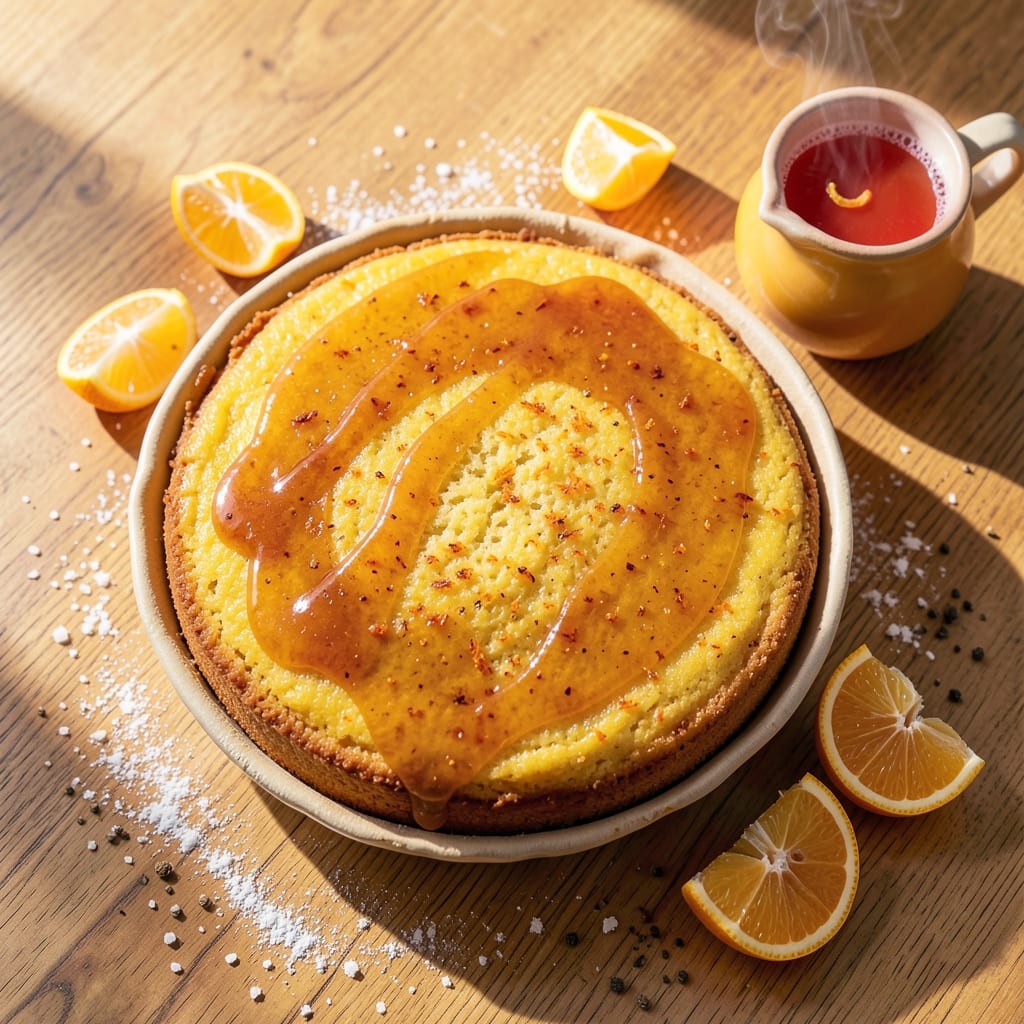
This 6-inch orange cake recipe delivers bright citrus flavor and tender layers that balance perfectly with a buttery crumb and zesty glaze. The secret lies in using freshly zested orange peel and juice, which infuse every bite with vibrant sweetness without overpowering the delicate cake texture. I developed this recipe after years of experimenting with citrus desserts—balancing moisture, structure, and that signature orange aroma that makes it unforgettable.
The recipe begins with a simple yet foolproof cake batter that yields three perfectly moist layers, each with a fine crumb that holds up beautifully. Between layers, a tangy orange glaze ties everything together, creating that signature restaurant-quality finish. What makes this version special is the buttery crumb—achieved through precise ingredient ratios and proper mixing—that stays tender even after cooling.
By the time you slice into this cake, you'll experience layers of flavor: the bright citrus from the glaze, the subtle orange notes in the cake itself, and the rich buttery undertones that make each bite satisfying. It's the kind of dessert that feels both elegant and approachable—perfect for birthdays, brunch gatherings, or when you simply crave something citrusy and sweet.
For extra flair, consider adding toasted nuts or candied orange peel on top, or serve with fresh berries to complement the citrus flavors. The recipe scales easily for larger cakes if needed, but the 6-inch size makes it ideal for personal celebrations or smaller gatherings where you want every slice to shine.
Ingredients for 6 inch orange cake
Fresh citrus zest and juice meet buttery richness in this bright, triple-layered orange cake.
| Ingredient | Amount | Notes |
|---|---|---|
| All-Purpose Flour 🌾 | 2 ¼ cups | Sifted for fine crumb texture |
| Granulated Sugar 🍚 | 1 ½ cups | Superfine preferred for smoothness |
| Unsalted Butter 🧈 | 1 cup | Room temperature, full-fat |
| Orange Zest 🍊 | 2 tbsp | Freshly grated, vibrant color |
| Fresh Orange Juice 🍊 | ½ cup | Strained, no pulp |
| Large Eggs 🥚 | 3 whole | Room temperature for even mixing |
| Baking Powder 🧂 | 2 tsp | Aluminum-free for tender crumb |
| Salt 🧂 | ½ tsp | Fine sea salt preferred |
| Vanilla Extract 🌿 | 1 tsp | Pure Madagascar vanilla |
| Powdered Sugar 🍚 | 2 cups | For glaze, sifted |
| Heavy Cream 🥛 | ¼ cup | Cold, for glaze stability |
| Orange Extract 🍊 | ½ tsp | Pure orange flavor |
The orange zest is non-negotiable—freshly grated from organic Navel or Valencia oranges delivers that signature aroma. Whole Foods or local farmers markets usually have the juiciest oranges, but any vibrant fruit works. For the juice, avoid concentrate—freshly squeezed makes all the difference. The butter should be European-style if possible (like Plugrá)—it stays rich without overpowering the citrus. If you can't find superfine sugar, pulse regular granulated in a food processor for 10 seconds. The baking powder matters too—Bob's Red Mill aluminum-free version keeps the crumb tender.
No fresh orange juice? High-quality bottled orange juice (like Tropicana Pure) works in a pinch, but strain it well to remove pulp. Running out of vanilla extract? Almond extract at half the amount adds depth, though it's not identical. For the glaze, powdered sugar is key—Domino or Anthony's brands are my go-to for smoothness. The heavy cream needs to be cold when you mix it with the glaze to prevent curdling. Store-bought orange juice concentrate? Skip it—it lacks the fresh brightness this cake deserves. And if you're short on zest, orange extract can supplement but won't match the real thing.
This cake keeps beautifully—3 days at room temperature wrapped in plastic, or 1 week refrigerated in layers separated by parchment. The glaze hardens as it sits, so bring it to room temp before serving. For extra flair, toast pecans or candied orange peel to sprinkle on top. Freeze the cake layers (without glaze) for up to 3 months—just thaw overnight before assembling. The glaze can be made a day ahead and stored in the fridge, but whisk it vigorously before using to restore smoothness.
Why You'll Love This Recipe
- No Mixer Needed: I swear by this recipe when my mixer’s on the fritz—just cream butter and sugar by hand, then fold in the flour. The orange zest blends right in without extra effort, and honestly? That’s my kind of baking.
- Zesty Magic: The moment I crack open fresh oranges for the juice and zest, my kitchen smells like a sunlit grove. That bright citrus cut through the richness of the butter and sugar, making every bite feel like a little vacation.
- Weeknight Hero: Slice it warm for breakfast with a dollop of whipped cream, or pack it for lunch—it’s sturdy enough to travel. My kids grab it after soccer practice, and I still get seconds. (Yes, even on a Tuesday night.)
- Budget Bright Spot: A single orange gives you both juice and zest, and you’re using pantry staples like flour and sugar. I’ve made this for birthdays, showers, and just-because treats—always with leftovers that disappear faster than I can say “second slice.”
Step-by-step instructions for orange cake with zesty glaze
Here's the method that delivers a tender crumb and vibrant orange flavor every time.
Prepare the Cake Batter with Fresh Citrus Notes
Preheat your oven to 350°F and grease a 6-inch round cake pan with butter, then line the bottom with parchment paper. In a medium bowl, whisk together the 2.25 cups all-purpose flour, 2 teaspoons baking powder, and 0.5 teaspoon salt. Sift this dry mixture once to ensure a light, airy texture—this prevents a dense crumb.
In a separate large bowl, cream together the 1 cup unsalted butter and 1.5 cups granulated sugar on medium speed until light and fluffy, about 3-4 minutes. The mixture should nearly double in volume and turn pale in color. This step incorporates air, which creates that signature tender crumb we're after.
Add the 3 whole large eggs, one at a time, mixing well after each addition. Then stir in the 2 tablespoons orange zest, 0.5 cup fresh orange juice, 1 teaspoon vanilla extract, and 0.5 teaspoon orange extract. The zest will add vibrant color while the juice and extract infuse that bright citrus flavor throughout. Mix until just combined—overmixing develops gluten and makes the cake tough.
Combine Wet and Dry Ingredients for Perfect Texture
Gradually add the dry ingredients to the wet mixture, mixing on low speed just until the flour is incorporated. The batter should be smooth but slightly thick. Here's the thing—don't overmix. You'll know it's right when you see a few streaks of flour remaining. This ensures a tender, not dense, cake.
Pour the batter into your prepared 6-inch cake pan and smooth the top with a spatula. Tap the pan gently on the counter a few times to remove any air bubbles. Bake for 30-35 minutes, or until a toothpick inserted in the center comes out clean. The edges should be golden brown, but the top might still look slightly underdone—that's normal for this recipe.
Prepare the Orange Cream Glaze While Cake Bakes
While the cake is baking, combine the 2 cups powdered sugar and 0.25 cup cold heavy cream in a small bowl. Whisk until smooth, then add the 0.5 teaspoon orange extract and mix again. The glaze should be thick enough to coat the back of a spoon but still drizzle easily. If it's too thick, add 1-2 teaspoons orange juice to loosen it. If too thin, add a pinch more powdered sugar.
This glaze is the star of the show—it adds that signature shine and extra citrus punch. The cold cream helps stabilize the glaze so it doesn't melt immediately. Taste it before using; you might want to add a pinch more orange extract or a touch of salt to balance the sweetness.
Cool and Glaze for Maximum Flavor Impact
Remove the cake from the oven and let it cool in the pan for 10 minutes. Then transfer it to a wire rack to cool completely. This gradual cooling prevents cracking. While the cake cools, give the glaze one final whisk to ensure it's smooth and lump-free.
Once the cake is completely cool, spread the glaze evenly over the top using an offset spatula. For a professional finish, work quickly and smoothly. Let the glaze set for 15-20 minutes before slicing. The glaze will firm up slightly but remain glossy and tender. Serve at room temperature for the best texture and flavor experience.
Pro Tips For Making 6 Inch Orange Cake
- MIX DRY INGREDIENTS FIRST: I learned this the hard way—adding wet ingredients to flour before sifting creates lumps that ruin texture. Sift the flour, baking powder, and salt together before cutting in the butter, then stir in the sugar. The cake will turn out lighter and more uniform.
- USE ROOM-TEMP BUTTER: Cold butter makes dense cakes, and this orange cake needs to stay tender. Let the butter sit out for 30-60 minutes until it’s soft but not melted—press a finger into it, and it should leave a slight indent. No time? Microwave it for 10 seconds, then let it cool while you prep the rest.
- STRAIN THE ORANGE JUICE: Fresh orange juice is full of pulp, which can weigh down your cake and make it gummy. Strain it through a fine-mesh sieve before measuring—yes, it’s extra work, but your cake will stay moist without turning into a muddy mess. Save the pulp for smoothies if you’re feeling wasteful.
- TEST DONENESS WITH A TOOTHPICK: The cake might look set but still be undercooked inside. Insert a toothpick into the center—it should come out with a few damp crumbs, not wet batter. If it’s sticky, bake another 2-3 minutes. Overbaking dries out orange cakes fast, so pull it out early if you’re unsure.
Wine and beer pairings for this recipe
Citrus-Forward Wines
For this bright orange cake, I recommend crisp whites with citrus notes that mirror the dessert's flavor profile. A dry Riesling from Germany's Mosel region—like Dr. Loosen Blue Slate—is my go-to. Its peach and green apple undertones complement the orange zest beautifully while the slight acidity cuts through the richness. For something lighter, a Sauvignon Blanc from New Zealand (try Oyster Bay) brings grapefruit and lime zest that harmonize perfectly with the glaze. 🍷
Rich Cream Pairings
If you prefer red wine, opt for a Pinot Noir with bright acidity like Meiomi or La Crema. The red berry notes contrast nicely with the orange's sweetness, while the wine's structure holds up to the cake's buttery crumb. Avoid heavy, oaked Chardonnays—they'll overpower the delicate citrus flavors. For a non-alcoholic option, sparkling grapefruit soda (like Jarritos) mimics the wine's acidity and citrus punch.
Beer Pairings
A Belgian witbier like Hoegaarden or Stella Artois works surprisingly well with this cake. The coriander and citrus notes in these beers echo the orange's brightness, while the effervescence cleanses your palate between bites. For something stronger, a dry cider (like Strongbow) provides a similar citrus-acid balance without the alcohol's heat. Avoid sweet lagers—they'll clash with the cake's tangy glaze. 🍺
Coffee & Tea Options
For a morning dessert, pair this cake with Earl Grey tea—the bergamot in the tea enhances the orange's citrus notes. If you prefer coffee, a light roast with citrus oils (like Blue Bottle's Orange Blossom) creates a perfect balance. The coffee's acidity mirrors the cake's glaze, while the orange notes tie everything together. For a dessert wine option, a Moscato d'Asti adds effervescence that complements the cake's texture beautifully.
Seasonal Variations
In summer, serve this cake with sparkling rosé—its berry notes and acidity make it an ideal match for the bright citrus flavors. For winter gatherings, a late-harvest Riesling adds a touch of sweetness that balances the cake's tangy glaze. The wine's viscosity also helps cut through the cake's buttery richness. Always chill your wine or beer before serving—this cake's citrus brightness deserves a cool, refreshing pairing to highlight its flavors. ✨
Nutrition facts
Frequently asked questions
Can I make this orange cake in a different pan size?
Yes! For a 8-inch cake, reduce the batter by 30% and bake for 40-45 minutes. For a 9-inch cake, use the full recipe and bake for 45-50 minutes. Always check doneness with a toothpick. The key is adjusting baking time—smaller pans need less time, while larger pans require more.
How do I store leftover orange cake?
Wrap the cake tightly in plastic wrap and store at room temperature for up to 3 days. For longer storage, refrigerate layers separately (with parchment between them) for 1 week. Freeze unfrosted layers for 3 months—thaw overnight before assembling. The glaze can be made ahead and stored in the fridge for 2 days.
Why did my cake turn out dense instead of tender?
Overmixing the batter is the most common cause—stop mixing when just combined. Also check your butter: it must be room temperature (not melted). Another tip: don't open the oven door too early. The cake needs to set properly during the first 20 minutes of baking. If all else fails, try sifting your flour and using superfine sugar next time.
Can I substitute orange juice with another citrus?
Yes! Try lemon juice (same amount) for a sharper flavor or grapefruit juice (reduce by 10%) for a more complex citrus note. For a sweeter profile, use tangerine juice. Just adjust the sweetness by adding 1-2 teaspoons extra sugar if needed. The zest can also be swapped—try lemon or lime zest for different aromatic profiles.
How can I make this cake gluten-free?
Replace the all-purpose flour with a 1:1 gluten-free baking flour blend (like Bob's Red Mill 1-to-1). Add 0.5 teaspoon xanthan gum to improve structure. For the glaze, use a gluten-free powdered sugar substitute.