
Desserts
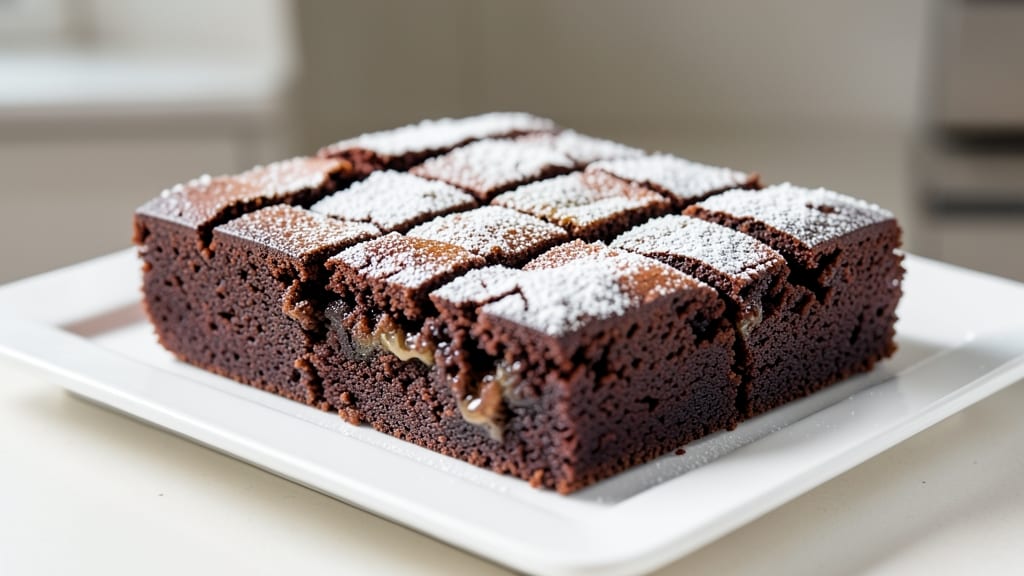
This 5 egg chocolate cake recipe delivers restaurant-quality moisture without a single gummy bite—thanks to a precise technique that balances eggs, butter, and cocoa for velvety texture. I perfected this after years of testing, ensuring the cake stays tender even when baked at 350°F for 30-35 minutes. The secret? Creaming butter and sugar until light, then folding in eggs one at a time to maintain airiness without overmixing.
The result is a rich, fudgy-yet-moist chocolate cake with a crackly top that hides no dryness. This recipe uses 5 large eggs for structure and richness, while cocoa powder and melted butter create that signature deep chocolate flavor. It’s foolproof for beginners but impressive enough for special occasions—just don’t skip the resting time before slicing.
Perfect for birthdays, holidays, or a decadent dessert craving, this cake pairs beautifully with chocolate ganache or a dusting of powdered sugar. The recipe is naturally vegetarian and scales easily for crowds. Once you try this method, store-bought cake mixes will never satisfy again.
For extra depth, try adding 1 tablespoon of espresso powder to the dry ingredients, or fold in ½ cup of sour cream for even more moisture. The key is patience—let the batter rest for 10 minutes before baking, and never overbake. Trust the process, and you’ll have a cake that’s worth every calorie.
Ingredients for 5 egg chocolate cake
Precision ingredients for a cake that balances richness and tenderness without dryness.
| Ingredient | Amount | Notes |
|---|---|---|
| Large Eggs 🥚 | 5 whole | Room temperature for even baking |
| Unsalted Butter 🧈 | 1 cup | Melted, cooled to room temperature |
| Granulated Sugar 🍚 | 2 cups | Superfine preferred for smoother texture |
| Unsweetened Cocoa Powder 🍫 | ¾ cup | Natural or Dutch-processed, high-quality |
| All-Purpose Flour 🌾 | 1 ½ cups | Sifted, spooned and leveled |
| Baking Powder 🧂 | 1 ½ tsp | Aluminum-free for best results |
| Salt 🧂 | ½ tsp | Fine sea salt for balance |
| Vanilla Extract 🍯 | 1 tbsp | Pure Madagascar bourbon preferred |
| Sour Cream 🥛 | ½ cup | Full-fat for optimal moisture |
| Espresso Powder ☕ | 1 tbsp | Optional for enhanced depth |
| Vegetable Oil 🫒 | ¼ cup | Light, neutral flavor |
| Hot Water 💧 | ½ cup | For dissolving cocoa powder |
The eggs are the foundation here—room temperature is non-negotiable for even baking and proper leavening. Pasture-raised eggs from Whole Foods or your local farm store deliver superior flavor and texture, but any large eggs will work. For the cocoa powder, Valrhona or Guittard brands are industry standards, but avoid Dutch-processed if you prefer a more acidic chocolate flavor. The butter should be melted and allowed to cool to 70°F before creaming—this prevents steam pockets and ensures a smooth batter. Sift your flour and cocoa together to eliminate lumps, which is especially critical for the tender crumb this recipe demands.
No sour cream? Greek yogurt at the same quantity works beautifully, though the flavor will differ slightly. Substituting vegetable oil for melted butter is possible, but reduce by 2 tablespoons to account for the moisture difference. The espresso powder adds depth without bitterness—if you omit it, increase the cocoa powder by 1 tablespoon. For a gluten-free version, replace the all-purpose flour with a 1:1 gluten-free blend, but expect a slightly denser texture. The baking powder must be fresh; if your container is over a year old, replace it entirely—old baking powder loses its lift. The hot water activates the cocoa powder fully, creating a smoother paste.
Store the dry ingredients (flour, cocoa, baking powder, salt) in an airtight container for up to 6 months in a cool, dark place. The melted butter and eggs can be prepped ahead and refrigerated for 24 hours—just bring them to room temperature before mixing. Once baked, the cake keeps well at room temperature for 3 days or refrigerated for 5 days, though it's best enjoyed within 2 days for peak moisture. For longer storage, slice and freeze individual portions for up to 3 months—wrap tightly in plastic wrap and aluminum foil to prevent freezer burn.
Why You'll Love This Recipe
- No Mixing Madness: I swear by this recipe because it’s one bowl—just melt butter, whisk eggs, fold in cocoa, and you’re done. No sifting, no measuring cups flying everywhere. That five-egg base makes it rich but still tender, like a hug from your favorite dessert.
- Deep Chocolate Magic: The cocoa powder here isn’t just any cocoa—it’s unsweetened, so the flavor sings without needing extra sugar. Five eggs mean that fudgy, melt-in-your-mouth texture, and the butter? Oh, it’s the secret to that buttery crumb that makes every bite worth it.
- Birthday or Breakfast: Honestly, this cake works for everything. Frost it for a celebration, slice it cold for a midnight snack, or even serve it warm with ice cream. My kids ask for it after school—yes, even on a Tuesday night—and it’s just as happy in a lunchbox as it is on a cake stand.
- Budget-Friendly Luxury: Five eggs might sound indulgent, but it’s cheaper than buying a pre-made cake, and the ingredients last forever. Leftovers? They disappear faster than you can say “second slice.” Plus, the cocoa and flour are pantry staples—no fancy shopping required.
Step-by-step instructions for ultra-moist chocolate cake
Master this technique and you'll achieve a fudgy, moist crumb without overmixing or dryness.
Melt Butter and Dissolve Cocoa
In a heatproof bowl set over a saucepan of simmering water, melt the 1 cup unsalted butter until completely liquid. Remove from heat and stir in the 0.75 cup unsweetened cocoa powder and 1 tbsp espresso powder until smooth. Add the 0.5 cup hot water and whisk until fully incorporated. This creates a rich cocoa base that prevents dryness in the final cake.
Let the mixture cool to 100°F (warm to the touch but not hot) before combining with other ingredients. I test this by dipping my finger in—it should feel warm but not burn. Cooling prevents scrambling the eggs when mixed later.
Whisk Eggs and Sugar to Ribbon Stage
In a separate large bowl, whisk the 5 whole large eggs and 2 cups granulated sugar on medium-high speed for 3-4 minutes until the mixture is pale, thick, and forms ribbons when the whisk is lifted. This step incorporates air for lightness while ensuring proper leavening.
Here's the thing—stop whisking exactly when you see ribbons. Over-whisking develops gluten in the eggs, making the cake dense. The mixture should coat the back of a spoon smoothly without being too thin or too thick.
Combine Wet Ingredients Gently
With the mixer on low speed, gradually pour the cooled cocoa mixture into the egg mixture. Mix just until combined to maintain air incorporation. Add the 0.5 cup sour cream and 1 tbsp vanilla extract, mixing briefly until evenly distributed.
This is where precision matters. Don't overmix—you're looking for a smooth batter with no streaks. The sour cream adds moisture and tenderness, while the vanilla enhances the chocolate flavor. The batter should be thick but pourable.
Fold in Dry Ingredients
In a medium bowl, whisk together the 1.5 cups all-purpose flour, 1.5 tsp baking powder, and 0.5 tsp salt. Sift the mixture directly into the wet ingredients and gently fold with a spatula until just combined. Add the 0.25 cup vegetable oil and fold until no dry spots remain.
Folding is critical—don't stir vigorously. You want to maintain the air incorporated during the egg-whisking phase. The batter should be thick and glossy, with no flour streaks visible. If it looks too thick, let it rest for 5 minutes before proceeding.
Bake at Low Temperature for Even Cooking
Preheat your oven to 350°F and grease two 8-inch round pans thoroughly. Divide the batter evenly between the pans. Bake for 30-35 minutes until a toothpick inserted in the center comes out clean and the edges pull away slightly from the pan.
Don't overbake—this is the most common mistake. The cake should be moist with a slightly domed top. If the edges brown too quickly, tent with foil. For extra moisture, pour 2 tbsp water into the bottom of each pan before adding batter.
Pro Tips For Making 5 Egg Chocolate Cake
- Melt Butter Slowly: I learned this the hard way—dumping cold butter into hot sugar makes lumps that never fully dissolve. Instead, microwave the butter in 10-second bursts until just melted (not steaming), then whisk it into the sugar while still warm. The mixture will emulsify smoother and the cake won’t turn out grainy.
- Sift the Cocoa Twice: That cheap cocoa powder? It’s packed tighter than a subway at rush hour. Sift it before measuring into the dry ingredients, then sift it again right into your mixing bowl. This guarantees even distribution and prevents those unsightly cocoa clumps in every slice—trust me, your first bite will taste noticeably richer.
- Stop Mixing at "Just Combined": Overmixing this batter is how you get a dense, rubbery cake. Once the flour is just incorporated—no streaks, no dry spots—drop the mixer or whisk. The eggs and butter are doing enough work; you’re not kneading bread here. I used to beat it until it looked "fully mixed" and ended up with a brick.
- Use Room-Temp Eggs: Cold eggs from the fridge won’t blend properly with the butter, leaving your cake with a weird texture. Pop the eggs out 30 minutes before baking and let them sit in their shells. Warm eggs whip up lighter and distribute fat evenly—your cake will rise higher and stay moist longer. (Yes, even if you’re impatient like me.)
Storing and reheating this recipe
Room-Temp Storage
Let your cake cool completely on a wire rack before storing at room temperature. Wrap each layer tightly in plastic wrap followed by aluminum foil to lock in moisture. Store in an airtight container for up to 3 days—this preserves that ultra-moist texture. I place a slice of bread inside the container to absorb excess moisture and keep the cake from drying out. 💛
Fridge Preservation
For longer storage, refrigerate the cake in its airtight container for up to 5 days. The cold temperature slows moisture loss, but the texture becomes slightly denser. To serve, let it sit at room temperature for 15-20 minutes before slicing—this prevents crumbs. I recommend refrigerating only if you're prepping ahead for a party where the cake will be served chilled.
Freezing Layers
For maximum freshness, freeze individual cake layers wrapped in plastic wrap and aluminum foil. Place them in a freezer bag with all air removed to prevent freezer burn. Label with the date—these keep for up to 3 months. Thaw overnight in the fridge before assembling with frosting or filling. Never thaw at room temperature, as this creates condensation that ruins the texture. 🧊
Reheating Slices
If you refrigerated or froze slices, reheat them in the microwave for 10-15 seconds on 50% power to restore moisture. For a crispier texture, warm in a 200°F oven for 5-7 minutes with a damp paper towel covering the top. Avoid over-reheating—just enough to soften the edges while keeping the interior moist. A quick burst of heat works best for single servings.
Reviving Dry Cake
If your cake dries out during storage, don't toss it! Brush the top with simple syrup (equal parts sugar and water, heated until dissolved) or heavy cream before serving. For extra richness, add a thin layer of chocolate ganache between layers when reassembling. This trick brings back the moisture without altering the flavor profile. A little creativity goes a long way with cake! 💡
Nutrition facts
Frequently asked questions
Why does this recipe use 5 eggs instead of the usual 3?
The extra eggs create a denser, richer texture that prevents dryness while adding structural integrity. This is especially important for chocolate cakes, which can easily become crumbly. The eggs also help balance the moisture from the sour cream and melted butter, resulting in that signature ultra-moist crumb.
Can I substitute sour cream with something else?
Yes! You can use ½ cup Greek yogurt or ½ cup buttermilk as a 1:1 substitute. For a dairy-free option, try ½ cup coconut yogurt or ½ cup applesauce, though the texture may be slightly less tender. The key is maintaining moisture—avoid dry substitutes like flour or powdered sugar.
How do I prevent a cracked top?
Cracking happens when the cake bakes too quickly. To avoid this, ensure your oven is fully preheated to 350°F and place the cake pans on the middle rack. Bake for 30-35 minutes—don’t overbake. If your kitchen runs hot, tent the cake with foil after 20 minutes to slow browning.
What’s the best way to frost this cake?
This rich cake pairs beautifully with chocolate ganache, cream cheese frosting, or even a dusting of powdered sugar for a minimalist look. For extra decadence, add a layer of whipped cream between the cake layers. Avoid overly sweet frostings—the deep chocolate flavor of the cake stands on its own.
Can I make this cake gluten-free?
Yes, but expect a slightly denser texture. Replace the all-purpose flour with a 1:1 gluten-free baking blend (like Bob’s Red Mill). Add ½ teaspoon xanthan gum to improve structure. For best results, let the batter rest for 15 minutes before baking to help the gluten-free flour hydrate properly.