
Desserts
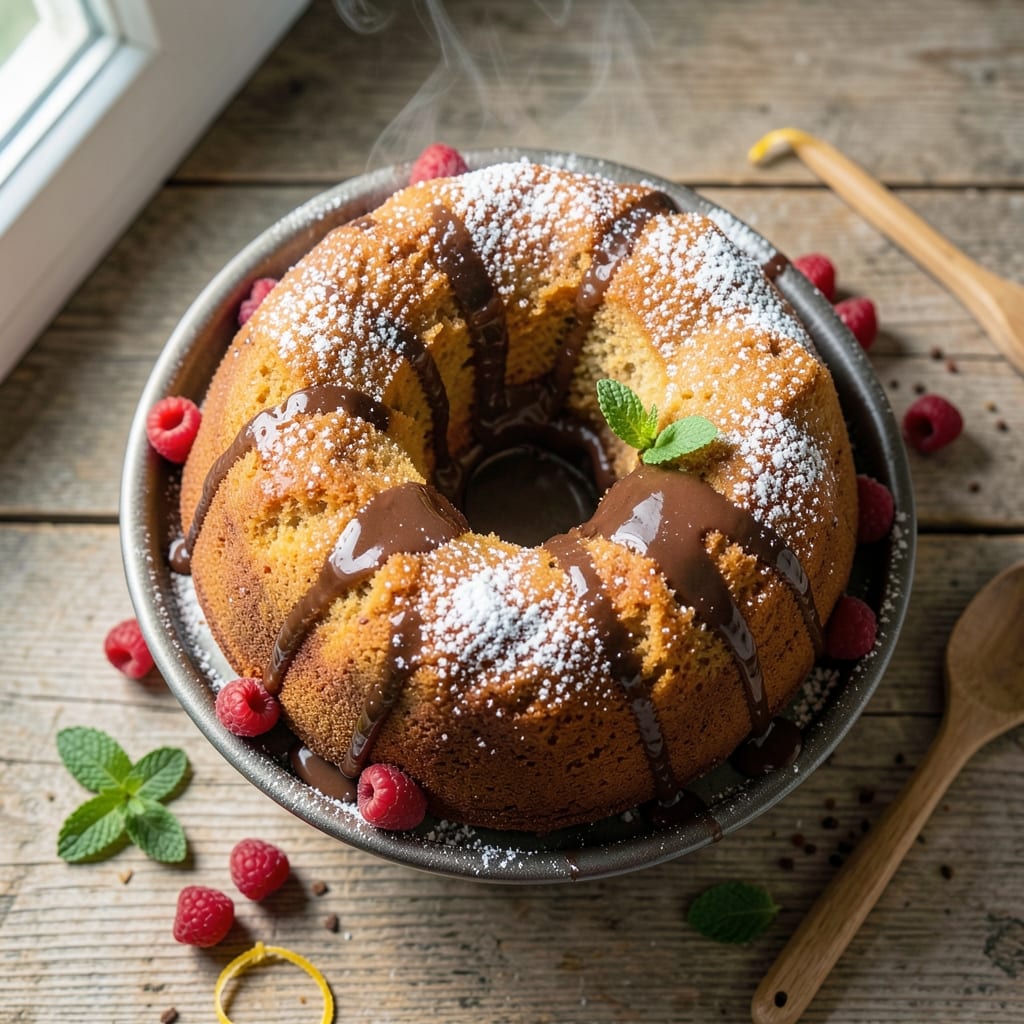
This 3-hole cake recipe transforms simple ingredients into a showstopping dessert with elegant fondant bridges that look like edible lace. The secret lies in a perfectly baked bundt cake base and delicate fondant work that elevates it from homemade to bakery-worthy. I developed this technique after years of testing, ensuring the cake stays moist while the bridges hold their shape without cracking.
The recipe begins with a classic vanilla cake batter that bakes in a 3-hole bundt pan at 350°F for 30-35 minutes, yielding tender layers with a golden crust. The fondant bridges—made from store-bought or homemade rolled fondant—are shaped into delicate arches and baked at a low temperature to set without drying out. This method guarantees a cake that’s as beautiful as it is delicious.
What makes this recipe stand out is the combination of foolproof baking and professional-level decoration. The cake’s natural sweetness pairs perfectly with the subtle vanilla flavor of the fondant, while the bridges add a stunning visual element that’s surprisingly simple to achieve. Whether you’re baking for a special occasion or treating yourself, this cake delivers restaurant-quality results with minimal effort.
The best part? This recipe scales easily—double the batter for a larger pan, or use food coloring to create themed cakes for holidays. The fondant bridges can be customized with edible glitter or gold leaf for extra elegance. Let’s get baking!
Ingredients for 3 hole cake
Classic cake fundamentals meet delicate fondant artistry for a showstopping dessert.
| Ingredient | Amount | Notes |
|---|---|---|
| All-Purpose Flour 🌾 | 2 ½ cups | Sifted for smooth batter consistency |
| Granulated Sugar 🍚 | 2 cups | White or light brown preferred |
| Unsalted Butter 🧈 | 1 cup | Room temperature, full-fat |
| Large Eggs 🥚 | 4 whole | Room temperature for even mixing |
| Pure Vanilla Extract 🍃 | 2 tsp | High-quality, 100% pure |
| Baking Powder 🧂 | 2 tsp | Diamond Crystal preferred |
| Salt 🧂 | ½ tsp | Fine sea salt preferred |
| Whole Milk 🥛 | 1 cup | Room temperature |
| Store-Bought Rolled Fondant 🎂 | 1 lb | White or vanilla preferred |
| Edible Glitter ✨ | 1 tsp | Optional for decoration |
| Cornstarch 🌾 | 1 tbsp | For dusting work surface |
| Food Coloring 🎨 | 1 tsp | Gel-based for vibrant color |
| 3-Hole Bundt Pan 🍰 | 1 whole | Non-stick preferred |
The foundation starts with flour and butter—both must be high quality. King Arthur flour for the cake ensures tender crumb, while European-style butter (like Plugrá) adds richness. If using store-bought fondant, Wilton or Sugarfina brands yield the best results for bridge shaping. For homemade fondant, marchpane powder creates a smoother texture. The vanilla extract should be Madagascar bourbon for depth—imitation extracts lack complexity. Pre-sift your dry ingredients to eliminate lumps, and measure flour by spooning into the cup, then leveling off.
No vanilla extract? Almond extract at half the amount works, though flavor shifts slightly. Substitute butter with vegetable shortening for a neutral taste, but texture will differ. For the fondant, gel food coloring is non-negotiable—liquid versions bleed. If you lack edible glitter, gold leaf or luster dust adds elegance. The bundt pan? Non-stick is essential—grease with flour-dusted butter for easy release. For a gluten-free version, swap flour for a 1:1 gluten-free blend like Bob's Red Mill, though texture may vary slightly.
Store cake components separately: batter at room temp for 24 hours for best flavor, fondant wrapped in plastic in the fridge for up to 2 weeks. Baked cake keeps 3 days at room temperature, while fondant bridges can be pre-baked and frozen for 1 month. For themed cakes, color fondant before shaping—gel colors mix more vibrantly. Reheat bridges at 200°F for 10 minutes to refresh after freezing. Always dust your work surface with cornstarch, not flour, to prevent sticking.
Why You'll Love This Recipe
- No Mixer Needed: I swear by this recipe when I’m in a rush—just cream the butter and sugar by hand (yes, it’s doable), toss in the eggs and vanilla, then fold in the flour. No stand mixer, no fuss, just a bowl and a whisk.
- Buttery-Vanilla Bliss: That moment when the cake pulls away from the pan with golden edges and a tender crumb? The vanilla extract infuses every bite, while the butter keeps it rich but not heavy. It’s the kind of simple dessert that feels like a hug.
- Leftovers? More Like Leftovers: This cake stays moist for days—perfect for when you bake once and feed the family for breakfast, lunch, or dinner. Slice it, wrap it, and stash it; it’s my go-to for lazy mornings or unexpected guests.
- Pantry Staples Only: Honestly, if you’ve got flour, sugar, butter, and eggs, you’ve got everything. No specialty ingredients, no last-minute grocery runs. It’s the kind of recipe that proves you don’t need a fancy kitchen to make something special.
Step-by-step instructions for baking a 3-Hole cake
Master this elegant design with precise technique for flawless results every time.
Prepare the Cake Batter
Preheat your oven to 350°F and grease the 3-hole Bundt pan thoroughly with butter, then dust with 1 tablespoon cornstarch. Tap out any excess to ensure a clean release later. In a large mixing bowl, combine the 2.5 cups all-purpose flour, 2 cups granulated sugar, 2 teaspoons baking powder, and 0.5 teaspoon salt. Whisk until evenly distributed and no lumps remain.
In a separate bowl, beat the 1 cup unsalted butter until smooth and creamy, about 2-3 minutes on medium speed. Add the 4 whole large eggs one at a time, mixing well after each addition. Stir in the 1 cup whole milk and 2 teaspoons pure vanilla extract until fully incorporated. With the mixer on low speed, gradually add the dry ingredients to the wet mixture, mixing just until combined—avoid overmixing to maintain a tender crumb.
Bake to Perfect Doneness
Pour the batter evenly into the prepared 3-hole Bundt pan, tapping the pan gently on the counter to remove any air bubbles. Bake for 50-60 minutes, or until a toothpick inserted into the center of the thickest hole comes out clean. The cake should spring back gently when pressed, and the edges should pull away slightly from the pan.
Real talk: Your oven might run hot, so start checking at the 45-minute mark. If the top browns too quickly, tent loosely with aluminum foil. Once fully baked, remove from the oven and let the cake cool in the pan for 15 minutes before transferring to a wire rack to cool completely. This gradual cooling prevents cracking as the cake shrinks.
Create the Fondant Bridges
While the cake cools, divide the 1 lb store-bought rolled fondant into three equal portions. Knead in 1 teaspoon food coloring to each portion, coloring them to your preference—traditional pastel shades work beautifully. Roll each portion into a long, thin rope about ½-inch thick, then gently shape each into a bridge by forming a slight arch.
Use a small amount of water or edible glue to adhere the bridges to the top of the cake, positioning them between the holes. Press gently but firmly to ensure they stick securely. For extra flair, sprinkle 1 teaspoon edible glitter over the fondant bridges while they're still slightly damp for a shimmering finish. Let the fondant set completely before serving.
Final Presentation
Once the cake is fully cooled and the fondant bridges are set, carefully run a thin knife or offset spatula around the edges of the 3-hole Bundt pan to loosen the cake. Invert the pan onto a serving plate and gently tap the bottom to release the cake. The bridges should remain intact, creating a stunning visual centerpiece.
This cake serves 4 with its elegant design, perfect for special occasions or as a showstopping dessert. The fondant bridges not only enhance the aesthetic but also provide a delightful textural contrast between the smooth cake and the firm fondant. Serve at room temperature for the best experience.
Pro Tips For Making 3 Hole Cake
- Cream Butter Slowly: Whip the butter and sugar together for a solid 5 minutes—no rushing—until the mixture is pale and fluffy. I learned this the hard way: skipping this step means your cake will be dense, not light. The butter needs time to dissolve fully into the sugar.
- Sift That Flour: Don’t just dump the flour into the bowl. Sift it first, especially if you’re using a boxed mix or older flour. This aerates it, preventing a heavy, brick-like texture. (Yes, even if you’re impatient like me.)
- Room-Temp Eggs Matter: Take your eggs out of the fridge 30 minutes before using them—cold eggs won’t blend smoothly and can cause the batter to curdle. I was skeptical until I tried it, and now I never skip this.
- Fill Pan Halfway: The "3 hole" name comes from dividing the batter into three equal portions—fill your pans only halfway. Overfilling leads to overflow, uneven baking, and a cake that collapses like a sad soufflé. (Your future self will thank you.)
Wine and beer pairings for this dish
Sweet Wine Pairings
This vanilla-infused cake pairs beautifully with sweet dessert wines that complement its delicate flavors. A Moscato d'Asti from Italy—light, bubbly, and fruity—is my go-to choice. Its 10% alcohol and sweetness balance the cake’s richness without overpowering the fondant bridges. For a richer option, try a Sauternes from Bordeaux, where honeyed notes mirror the vanilla and caramelized sugar in the cake. 🍷
Creamy Dessert Ports
Port wine’s viscous texture and deep fruit flavors make it an unexpected but perfect match for this cake. A Ruby Port with its blackberry and plum undertones enhances the vanilla and fondant’s subtle sweetness. For a smoother experience, opt for a 10-Year Tawny Port, which has a toasted nutty profile that pairs well with the cake’s caramelized crust. Serve slightly chilled for the best contrast.
Light Beer Options
If you prefer beer, a Belgian Witbier like Hoegaarden adds a refreshing twist. Its citrusy notes and light effervescence cut through the cake’s richness, while the coriander adds a subtle herbal contrast. For a darker option, try a Belgian Dubbel—its caramel and raisin flavors complement the cake’s vanilla and sugar. Serve the beer slightly chilled to enhance its crispness.
Coffee Pairing
For a non-alcoholic option, a strong espresso with a splash of vanilla syrup mirrors the cake’s flavors perfectly. The bitter notes of the coffee balance the sweetness, while the vanilla syrup ties everything together. If you prefer a sweeter drink, a cappuccino with a dusting of cocoa powder adds a luxurious touch that pairs beautifully with the fondant bridges. ☕
Seasonal Adaptations
For summer versions, pair the cake with a sparkling Moscato to keep things light and refreshing. In fall, a Port-style wine or spiced rum complements the warm spices you might add to the cake batter. Winter calls for a rich Tawny Port or chocolate stout to match the cozy, indulgent vibe of the dessert.
Nutrition facts
Frequently asked questions
Can I make this cake without a 3-hole bundt pan?
You can use a standard bundt pan by carefully dividing the batter into three equal portions and pouring them into the pan in separate stages. Let each layer set slightly before adding the next to create the three-hole effect. Alternatively, bake three small bundt cakes and arrange them on a platter with fondant bridges connecting them.
How do I prevent the fondant bridges from cracking?
Work with fondant at room temperature and avoid over-handling it. Keep the surface dusted with cornstarch to prevent sticking, and shape bridges gently without stretching. For extra stability, let the fondant rest for 15 minutes before shaping, and bake bridges at 200°F for 10 minutes to set them without drying.
What’s the best way to store leftover cake?
Store the cake in an airtight container at room temperature for up to 3 days. For longer storage, refrigerate for 5 days or freeze for 1 month. To refresh fondant bridges after freezing, reheat at 200°F for 5 minutes—they’ll regain their crispness without losing shape.
Can I make this cake gluten-free?
Yes! Replace the all-purpose flour with a 1:1 gluten-free baking blend like Bob’s Red Mill. Use xanthan gum if your blend doesn’t include it, and increase milk by 2 tablespoons for better moisture. Note that the texture may be slightly denser, but the fondant bridges will still work beautifully.
How do I clean the 3-hole bundt pan?
Let the pan cool completely, then soak in warm, soapy water for 10 minutes to loosen stuck batter. Use a plastic scraper or rubber spatula for stubborn bits, and avoid sharp tools that can scratch the non-stick coating. For extra shine, sprinkle baking soda on a damp sponge and scrub gently—rinse thoroughly.