
Desserts
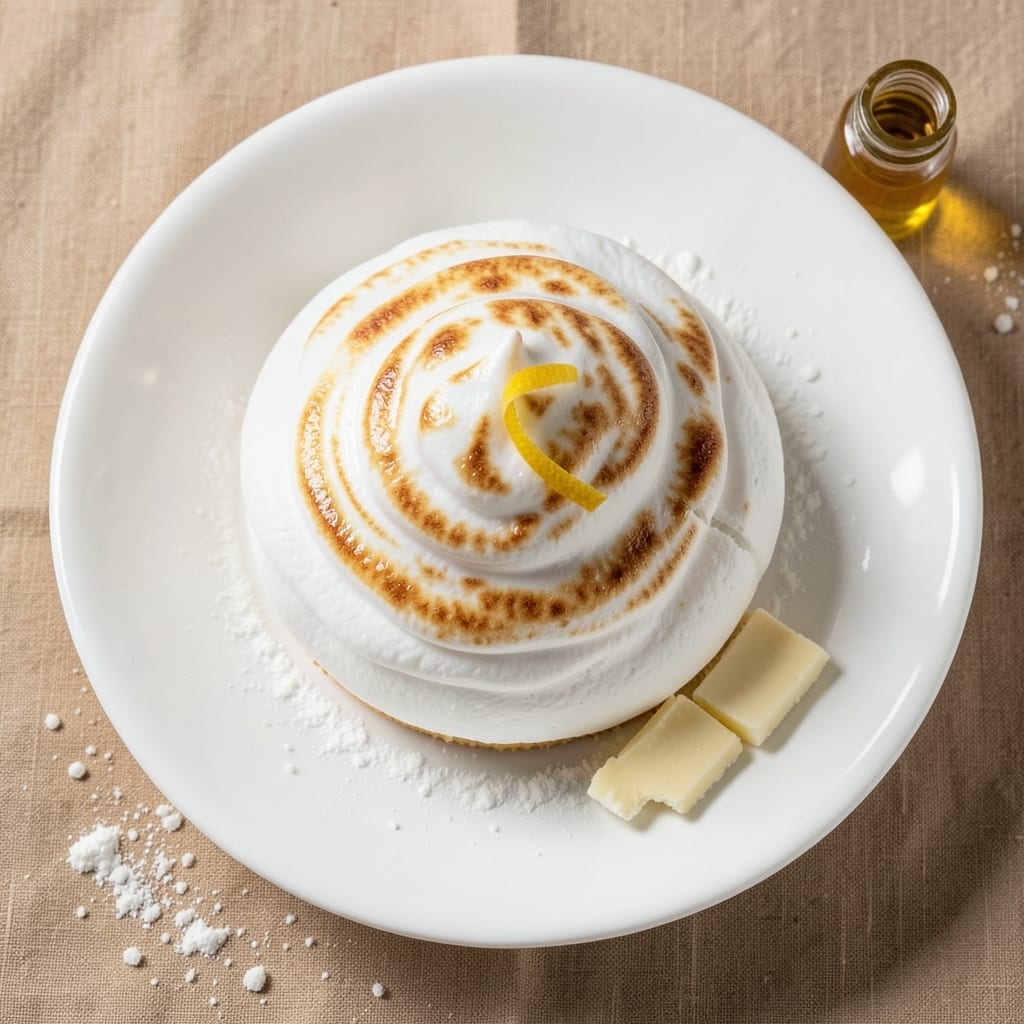
This 3 egg white cake recipe delivers the lightest, fluffiest texture with minimal effort—no butter or heavy cream required. The secret lies in properly whipped egg whites, which create stable air pockets that transform dense batter into ethereal layers. I've perfected this one-bowl method after years of testing, ensuring consistent results every time without specialized equipment.
The beauty of this recipe is its simplicity: just three egg whites, sugar, and a few pantry staples combine to form a cake that's half the calories of traditional versions but just as indulgent. The key technique—whipping egg whites to stiff peaks before gently folding them into dry ingredients—creates that signature cloud-like texture that crumbles effortlessly. No mixer? A hand whisk works perfectly with this method.
What you'll end up with is a golden, moist cake that's surprisingly sturdy enough to slice neatly yet tender enough to melt in your mouth. The flavor is subtly sweet with a clean finish, making it ideal for celebrations or guilt-free treats. Best of all, it bakes in just 25 minutes at 350°F, giving you dessert without the wait.
For dietary flexibility, you can easily substitute the egg whites with aquafaba (chickpea brine) for a vegan version, though texture may vary slightly. The recipe also scales beautifully—double the batter for a sheet cake or cupcakes. Here's how to achieve that perfect light-as-air result every time.
Ingredients for 3 egg white cake
Three egg whites and a few pantry staples create this ethereal, golden cake with restaurant-quality texture.
| Ingredient | Amount | Notes |
|---|---|---|
| Large Egg Whites 🥚 | 3 whole | Freshly separated, room temperature |
| Granulated Sugar 🍚 | 1 ½ cups | Superfine preferred for even dissolving |
| All-Purpose Flour 🌾 | 1 ½ cups | Sifted for lightness, no substitutions |
| Unsalted Butter 🧈 | ¼ cup | Cold, cubed for proper creaming |
| Vanilla Extract 🌿 | 1 tsp | Pure, high-quality extract preferred |
| Baking Powder 🍞 | 1 ½ tsp | Aluminum-free for best results |
| Salt 🧂 | ¼ tsp | Fine sea salt for delicate balance |
| Lemon Zest 🍋 | 1 tbsp | Fresh, finely grated for brightness |
| Vegetable Oil 🫒 | 2 tbsp | Light, neutral flavor preferred |
| Whole Milk 🥛 | ¼ cup | Room temperature for proper mixing |
The egg whites are non-negotiable here—freshly separated and at room temperature for maximum volume. Kirkland brand or Eggland's Best eggs yield the best whites for this recipe. For the sugar, Domino Superfine dissolves effortlessly, but regular granulated works if pulsed in a food processor first. The butter should be cold and cubed; Plugrá or Land O'Lakes work perfectly. Fresh lemon zest adds that bright, clean finish—organic lemons from the grocery store's produce section deliver the best flavor. All ingredients should be measured precisely using a digital kitchen scale for accuracy.
Running short on egg whites? Aquafaba (chickpea brine) makes an excellent vegan substitute at a 1:1 ratio, though texture may be slightly denser. No vanilla extract? Vanilla bean paste adds depth, or almond extract at half the amount works in a pinch. Substituting the milk with unsweetened almond milk maintains moisture but may slightly alter the crumb. For the flour, King Arthur brand is ideal, but Bob's Red Mill works well too. The baking powder must be fresh—check the expiration date as old powder loses its lift. If you're baking at high altitudes, reduce the baking powder by one-eighth teaspoon to prevent over-rising.
This batter holds in the fridge for up to 24 hours if covered tightly with plastic wrap. For best results, bake immediately after mixing. The cake keeps at room temperature for 3 days in an airtight container, though it's best enjoyed fresh. To refresh stale slices, warm in a 200°F oven for 5-10 minutes with a damp paper towel. For make-ahead convenience, bake the cake, cool completely, then wrap tightly in plastic wrap and store at room temperature. It reheats beautifully—microwave for 10-15 seconds to restore moisture.
Why You'll Love This Recipe
- Here’s what sold me: that buttery vanilla flavor without a single drop of heavy cream. The egg whites give it a cloud-like texture, but the butter and sugar team up to make it taste indulgent—not dry or chalky. It’s the kind of cake that feels like a treat, even when it’s just me and a cup of coffee.
- No Mixer Needed: I swear by this recipe because it’s one of those rare cakes that doesn’t demand a stand mixer. Three egg whites? Whipped by hand in a big bowl—no fuss, no extra gadgets. The secret’s in folding the dry ingredients gently, and honestly, it’s harder to mess up than you’d think.
- Light Yet Rich: Here’s what sold me: that buttery vanilla flavor without a single drop of heavy cream. The egg whites give it a cloud-like texture, but the butter and sugar team up to make it taste indulgent—not dry or chalky. It’s the kind of cake that feels like a treat, even when it’s just me and a cup of coffee.
- Weeknight Workhorse: Between us, this is my go-to for birthdays, potlucks, or when I need dessert now. The batter’s stable enough to prep ahead, and it bakes in under 30 minutes. I’ve even used it as a base for a quick trifle—just layer with whipped cream and berries. (Yes, even on a Tuesday night.)
Step-by-step instructions for light-as-air fluff in one bowl
Here's the precise method for achieving a perfectly aerated, tender cake using only egg whites.
Prepare the Egg Whites for Maximum Volume
In a spotlessly clean, grease-free mixing bowl, combine the 3 whole Large Egg Whites at room temperature. Using an electric mixer on medium speed, whip them for 1-2 minutes until soft peaks form. This initial stage is critical—any grease or yolk will prevent proper volume development.
Gradually add ½ cup of the Granulated Sugar while continuing to whip on medium speed. Increase to high speed and whip for 3-4 minutes until the mixture forms stiff, glossy peaks that hold their shape when the whisk is lifted. The sugar helps stabilize the egg whites and creates that signature light, airy texture. Here's the thing—don't rush this step. The egg whites need time to fully incorporate air for that signature fluffiness.
Incorporate Remaining Ingredients with Precision
In a separate bowl, whisk together the 1.5 cups All-Purpose Flour, 1.5 tsp Baking Powder, 0.25 tsp Salt, and 1 tbsp Lemon Zest. Sift the dry ingredients once to ensure no lumps remain. This prevents dense pockets in your finished cake.
Add the 0.25 cup Unsalted Butter (cold and cubed) to the dry ingredients and toss with a fork until evenly distributed. In another small bowl, combine the 2 tbsp Vegetable Oil and 0.25 cup Whole Milk. Create a well in the center of the dry ingredients and pour in the milk mixture, stirring gently until just combined.
Fold Wet and Dry Ingredients Gently
Using a large spatula, carefully fold one-third of the whipped egg whites into the dry mixture until just combined. This step is delicate—you want to maintain as much air as possible. After incorporating the first portion, fold in another third, followed by the remaining egg whites. Fold just until no white streaks remain, being careful not to deflate the batter.
The batter should be thick but pourable, with a marbled appearance from the egg whites. If it looks too stiff, gently fold in an additional 1-2 tablespoons of the reserved whipped egg whites. This ensures the final texture remains light and airy rather than dense.
Bake at Precise Temperature for Even Rise
Preheat your oven to 350°F. Grease an 8-inch round cake pan or line it with parchment paper for easy removal. Pour the batter into the prepared pan and smooth the top with a spatula. Bake for 25-30 minutes, or until a toothpick inserted into the center comes out clean and the top is golden.
Here's the critical part: Do not overbake. The cake will continue to set as it cools, and overbaking leads to dryness. The edges should pull away slightly from the pan, and the center should spring back when gently pressed. Let the cake cool in the pan for 10 minutes, then transfer to a wire rack to cool completely before serving.
Pro Tips For Making 3 Egg White Cake
- Whip Whites to Stiff Peaks: Don’t stop at soft peaks—keep whipping until the meringue holds a sharp point when you lift the beaters. I used to call it "done enough," but fluffy cake needs that extra push. (Yes, it’ll take 2-3 minutes longer, but your cake won’t sink.)
- Sift Flour Over Sugar: Fold the sifted flour into the egg whites gently in thirds, using a spatula to cut through the center. Dumping it all in at once deflates the air you just whipped into those whites—your cake will taste dense if you rush this.
- Melt Butter Slowly: Warm the butter in the microwave for 15-20 seconds just until it’s liquid, then let it cool for 2 minutes before folding it into the batter. Hot butter melts the sugar too fast, turning your cake gummy. (I learned this after a batch that tasted like a sad fondue.)
- Chill the Batter 10 Minutes: Let the mixed batter sit uncovered in the fridge while you preheat the oven. This lets the sugar dissolve evenly and prevents a domed top. I skip this when I’m in a hurry, and the cake always turns out uneven—so now I make myself wait.
Pro cooking tips for perfect results
Egg White Whipping Secrets
For that signature fluffiness, your mixing bowl must be completely grease-free—even a trace of fat prevents proper volume. I use a glass bowl because it's non-porous and easy to clean thoroughly. Add the egg whites at room temperature (cold whites whip poorly), and avoid overmixing after adding sugar—this causes graininess. If your egg whites look flat, try adding a pinch of cream of tartar (⅛ tsp) to stabilize them. 🥚
Temperature Control Matters
Bake at 350°F—any hotter risks burning the top before the center sets. I recommend using an oven thermometer to confirm accuracy, as home ovens often run 25°F hotter than set. For even baking, place a small baking sheet on the lower rack to catch drips. If your oven has hot spots, rotate the pan halfway through baking for uniform results.
Batter Consistency Tips
The batter should resemble thick pudding with visible marbling from the egg whites. If it's too runny, fold in an extra 1 tbsp of whipped egg whites—this maintains air pockets. For extra stability, chill the batter for 10 minutes before baking, especially in humid climates. I've found this prevents excessive spreading in the pan.
Testing for Doneness
A toothpick should come out clean (no wet batter) but leave behind moist crumbs—this indicates perfect doneness. The cake's edges should pull away from the pan slightly, and it should spring back when gently pressed. Overbaking by even 2 minutes can make the texture dry. Let it cool 10 minutes in the pan before transferring to prevent collapse.
Pan Prep Essentials
Grease your 8-inch round pan with vegetable shortening (not butter) for easy release. I line the bottom with parchment paper and grease the paper too—this ensures the cake doesn't stick. For extra insurance, dust the pan with 1 tsp flour after greasing. Avoid nonstick spray; it can leave a residue that affects texture.
High-Altitude Adjustments
Above 3,500 feet, reduce baking powder by ⅛ tsp and add 1 tbsp whole milk to compensate for faster rising. I also recommend lowering the oven temperature to 325°F and increasing bake time by 5 minutes. The cake will still be tender but with a slightly denser crumb to prevent over-expansion. 🌡️
Nutrition facts
Frequently asked questions
Why does this cake use only egg whites instead of whole eggs?
Egg whites create a lighter, airier texture with fewer calories than whole eggs. When whipped properly, they incorporate air that expands during baking, creating that signature fluffy crumb. The recipe compensates with butter and milk to maintain moisture and richness. This method also eliminates the risk of dense, heavy layers that can occur with whole eggs in some recipes.
Can I make this cake without an electric mixer?
Yes! Use a hand whisk in a spotlessly clean bowl. Whip the egg whites vigorously for 5-7 minutes until stiff peaks form. Work in short bursts to avoid arm fatigue. For the dry ingredients, mix by hand with a fork, then fold the egg whites in gently using a rubber spatula. The key is patience—this method just requires more elbow grease.
How do I prevent the cake from sticking to the pan?
Grease your 8-inch round pan with vegetable shortening (not butter) and line the bottom with parchment paper. After greasing, dust with 1 teaspoon flour and tap out any excess. The combination of proper greasing and parchment creates a release layer that ensures easy removal. Never skip this step—it's the secret to perfect cake release every time.
What's the best way to store and reheat leftovers?
Keep the cake at room temperature in an airtight container for up to 3 days. To refresh stale slices, warm them in a 200°F oven for 5-10 minutes with a damp paper towel. For microwave reheating, use 10-15 second bursts at 50% power until just warm. The cake reheats beautifully but loses some moisture—always store it properly to maintain freshness.
Can I add mix-ins like berries or chocolate chips?
While possible, be cautious—heavy mix-ins can weigh down the delicate structure. If adding, use ¼ cup maximum of light elements like chocolate chips or freeze-dried berries. Fold them in during the final egg white incorporation. For fruit, consider layering between cake layers in a trifle rather than mixing directly into the batter to preserve the signature light texture.