
Desserts
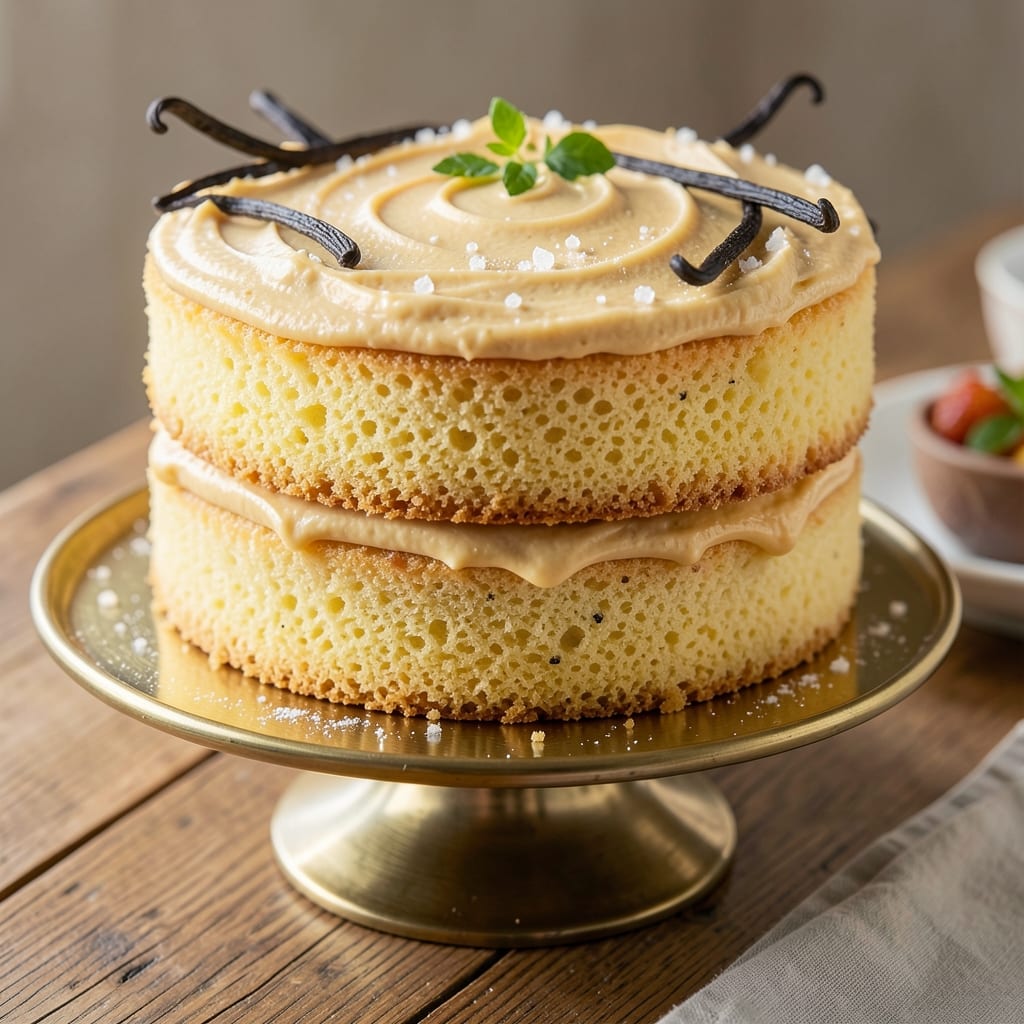
This 2-egg yellow cake recipe delivers the perfect balance of lightness and richness without requiring a full dozen eggs—just two, plus a few simple pantry staples. The secret lies in vanilla bean infusion, which adds depth and aroma without overpowering the tender crumb. What makes this recipe stand out is its foolproof technique: creaming butter and sugar properly ensures maximum volume, while precise leavening agents guarantee a rise that's both airy and stable.
The result is a cake that's moist yet crumbly, with a golden hue that signals perfect baking. Unlike traditional yellow cakes, this version uses butter for richness while maintaining a light texture through careful ingredient ratios. The vanilla bean not only enhances flavor but also adds subtle floral notes that elevate the cake beyond basic vanilla extract.
Baking at 350°F for 25–30 minutes in an 8-inch round pan yields a cake that's tender in the center and just set at the edges. It pairs beautifully with buttercream or whipped cream frosting, though you could also serve it plain for a simpler presentation. The simplicity of the recipe makes it ideal for beginners, while the professional results ensure it impresses even experienced bakers.
Whether you're prepping for a celebration or craving a classic dessert, this cake delivers restaurant-quality texture with minimal effort. The key is patience—letting the batter rest slightly before baking ensures even rising, and checking for doneness with a toothpick guarantees a perfect finish every time. Let's get baking!
Ingredients for 2 egg yellow cake
The secret to this ultra-light cake? Two eggs, vanilla bean magic, and butter that creams perfectly.
| Ingredient | Amount | Notes |
|---|---|---|
| Unsalted Butter 🧈 | ½ cup | Softened to room temperature |
| Granulated Sugar 🍚 | 1 cup | Light brown preferred for depth |
| Vanilla Bean 🌿 | 1 whole | Seeds scraped for infusion |
| Large Eggs 🥚 | 2 whole | Room temperature for best mixing |
| All-Purpose Flour 🌾 | 1 ½ cups | Sifted for light texture |
| Baking Powder 🧂 | 1 ½ tsp | Aluminum-free preferred |
| Baking Soda 🧂 | ½ tsp | Ensures proper rise |
| Salt 🧂 | ½ tsp | Fine sea salt preferred |
| Milk 🥛 | ½ cup | Whole milk for richness |
| Vanilla Extract 🌿 | 1 tsp | Pure Madagascar preferred |
| Vegetable Oil 🫒 | ¼ cup | Light, neutral flavor |
The vanilla bean is non-negotiable here—Madagascar or Tahitian from Williams Sonoma or specialty markets delivers that floral depth. Skip the seeds if you're short, but trust me, the infusion makes all the difference. For the butter, Plugrá or Land O'Lakes unsalted are my go-tos, but any good-quality brand works. The sugar? Light brown adds subtle caramel notes—Domino or C&H are reliable. Room-tempered eggs mix better, so take them out 30 minutes before baking. Flour needs to be sifted for that cloud-like texture—King Arthur or Gold Medal are my pantry staples.
No vanilla bean? Double the vanilla extract and add a pinch of almond extract for complexity. Short on butter? Vegetable oil at 1:1 ratio keeps it moist, though texture will be slightly denser. Whole milk can be swapped for evaporated milk or buttermilk—just add a pinch of baking soda to compensate. For the leavening, double-acting baking powder is critical; single-acting won't give you that perfect rise. Pre-sifted flour? Sift it again—those lumps are the enemy of airy cake. And if your kitchen's humid, chill the batter 15 minutes before baking to prevent sinking.
This batter keeps 2 days in the fridge, covered tightly. For longer storage, freeze the batter in an airtight container for up to 3 months—just bake straight from frozen, adding 5-10 minutes. The cake itself? Best served at room temperature, so plan ahead. I always bake two pans—one for today, one for tomorrow's coffee break. Leftovers? Slice and freeze between parchment for perfect single servings. And if you're feeling fancy, brush warm slices with vanilla syrup (equal parts sugar and water, simmered with vanilla bean) for next-level restaurant vibes.
Why You'll Love This Recipe
- No Mixer Needed: I swear by this—just cream butter and sugar with a wooden spoon until it’s just fluffy, then fold in eggs and vanilla. No electric beaters, no fuss, no mess. The cake’s tender crumb comes from the simple act of whisking flour and eggs together by hand, which honestly feels almost meditative.
- Buttery Vanilla Bliss: That single vanilla bean scraped right into the batter? It’s the secret weapon. The butter stays rich without overpowering, and the sugar caramelizes just enough to give every slice a subtle, golden sweetness. It’s the kind of cake that makes you pause mid-bite—like biting into a memory of childhood birthday cakes.
- Weeknight Magic: This feeds six but uses only two eggs—perfect when you’re short on time or ingredients. Bake it for breakfast, pack slices for lunches, or serve it warm with ice cream. I’ve even used the leftovers to make trifle layers the next day. (Yes, even on a Tuesday night.)
- Pantry-Friendly Staples: Five ingredients, zero specialty items. You’re probably already staring at these in your fridge or cabinet right now. No need to raid the store or break the bank—this cake proves you don’t need fancy tools or ingredients to make something that tastes like it belongs on a bakery shelf.
Step-by-step instructions for light and airy vanilla bean cake
This method delivers a perfectly tender, moist cake with a delicate vanilla infusion and flawless rise every time.
Infuse the Vanilla and Cream Butter and Sugar
Split the vanilla bean lengthwise and scrape out the seeds using the tip of a knife. Set the seeds aside and save the pod for garnish later. In a stand mixer fitted with the paddle attachment, combine the 0.5 cup unsalted butter and 1 cup granulated sugar on medium speed until light and fluffy, about 3-4 minutes. You'll know it's ready when the mixture nearly doubles in volume and becomes pale in color.
This creaming process incorporates air, which creates that signature light texture we're after. I like to press down on the butter with a spatula occasionally to ensure it's fully softened and evenly mixed. The vanilla bean seeds add a depth of flavor that plain extract can't match—trust me, it makes all the difference.
Add Eggs and Mix Until Fully Incorporated
Add the 2 whole large eggs one at a time, mixing on low speed after each addition until fully combined. Then add the 1 teaspoon vanilla extract and the scraped vanilla bean seeds, mixing for another 30 seconds. The mixture should be smooth and slightly thickened.
Here's where it gets interesting—the eggs should be at room temperature for best results. If they're cold, they won't blend as smoothly and can create pockets in your cake. I always take them out of the fridge about 30 minutes before baking. The vanilla seeds will distribute evenly, creating subtle flecks of flavor throughout the cake.
Combine Wet and Dry Ingredients Gently
In a separate bowl, whisk together the 1.5 cups all-purpose flour, 1.5 teaspoons baking powder, 0.5 teaspoon baking soda, and 0.5 teaspoon salt. With the mixer on low speed, gradually add about one-third of the dry ingredients to the wet mixture, mixing just until combined. Then add the 0.5 cup milk and 0.25 cup vegetable oil, mixing until smooth.
This alternating method prevents overmixing, which can lead to a dense cake. After adding the liquids, alternate adding the remaining dry ingredients in two more additions, mixing just until each is incorporated. The batter should be smooth but not thin—if it looks too thick, don't worry, it will come together as you fold.
Fold and Prepare for Baking
Using a rubber spatula, gently fold in any remaining dry ingredients just until no flour streaks remain. The batter will be thick but pourable. Pour it into two greased and floured 8-inch round cake pans, dividing the batter evenly between them. Tap the pans gently on the counter to remove any air bubbles.
Smooth the tops with a spatula and place the pans in the refrigerator for 15-20 minutes before baking. This chilling step helps prevent doming and ensures even baking. I find it also makes the cake rise more uniformly. While they're chilling, preheat your oven to 350°F—this is the perfect temperature for a tender crumb without drying out the cake.
Bake to Perfect Doneness
Bake the cakes for 25-30 minutes, or until a toothpick inserted into the center comes out clean. The edges should be golden brown, but the tops might look slightly underbaked—they'll set as they cool. Don't overbake; you want that tender crumb we worked so hard to achieve.
Once done, remove the cakes from the oven and let them cool in the pans for 10 minutes. Then transfer them to a wire rack to cool completely. This gradual cooling prevents cracking and helps set the cake structure. The vanilla flavor will develop more as the cakes cool, making each slice even more flavorful.
Pro Tips For Making 2 Egg Yellow Cake
- Melt Butter Slowly: I learned this the hard way—dumping cold butter straight into the sugar makes your batter lumpy and greasy. Instead, melt the butter first (just until it’s liquid but not browned), then let it cool to room temperature before mixing. That way, it blends smoothly with the sugar and eggs without turning your cake dense.
- Scrape the Vanilla Bean: Yes, even if you’re impatient like me, take the 30 seconds to split that vanilla bean and scrape out every last bit of seeds. The pod itself adds depth, but the seeds? That’s where the real flavor lives. Toss the empty pod in the batter too—it’s like giving your cake a little flavor insurance policy.
- Don’t Overmix the Batter: I used to beat this batter until it looked like it could stand on its own, but that’s how you end up with a tough, chewy cake instead of a tender one. Mix just until the flour disappears—about 20 seconds after that—and stop. Overworking the gluten is the fast track to disappointment.
- Test for Doneness Early: This isn’t the prettiest method, but it works: stick a toothpick in the center when the cake looks done. If it comes out clean but the edges are still jiggly, give it 5 more minutes. If it’s wet but not crumbly, tent it with foil and let it finish steaming—no one likes a gummy center in a yellow cake.
Dietary considerations for this recipe
Gluten-Free Adaptation
To make this cake gluten-free, replace the 1.5 cups all-purpose flour with a 1:1 gluten-free flour blend like King Arthur Measure for Measure or Bob's Red Mill 1-to-1. Add ½ teaspoon xanthan gum to mimic gluten's binding properties—this keeps the crumb tender. For extra moisture, increase the milk to ⅔ cup and reduce the oil to ¼ cup. Bake at 350°F for 28-32 minutes—gluten-free cakes often need a few extra minutes. 💪
Dairy-Free Options
Swap the ½ cup unsalted butter for ½ cup dairy-free butter (like Miyoko's or Earth Balance) or ½ cup coconut oil, solidified but not melted. Replace the ½ cup milk with ½ cup unsweetened almond milk or oat milk—avoid soy milk, as it can make the cake dense. For richness, add 1 tablespoon melted dairy-free butter to the wet ingredients. The texture stays moist, though slightly denser than the original. ✨
Lower-Sugar Version
Reduce the 1 cup granulated sugar to ¾ cup and replace the remaining ¼ cup with ¼ cup honey or maple syrup for natural sweetness. Use ½ cup unsweetened applesauce instead of ¼ cup oil to cut calories while keeping moisture. The cake will be slightly less sweet but still tender. For extra flavor, add 1 teaspoon lemon zest to brighten the vanilla notes. 🍯
Egg-Free Substitution
Replace the 2 eggs with a flax egg mix: combine 2 tablespoons ground flaxseed with 5 tablespoons water, let sit for 5 minutes to thicken. For better rise, add ½ teaspoon apple cider vinegar to the milk. The texture will be denser but still delicious. If using aquafaba (chickpea brine), whisk ¼ cup until frothy and fold into the batter after mixing wet ingredients. 🥚
Nut-Free Allergies
Check your gluten-free flour blend for nut contamination if allergies are a concern. Use oat milk instead of almond milk, and opt for sunflower seed oil (neutral flavor) instead of vegetable oil. For extra richness, add 1 tablespoon melted dairy-free butter or avocado oil. Always verify labels—Bob's Red Mill offers nut-free certified blends. 🌱
Soy-Free Considerations
Avoid soy milk (common in non-dairy substitutes) and opt for coconut milk or oat milk instead. For binding, use chia seeds: mix 1 tablespoon ground chia seeds with 3 tablespoons water and let sit for 10 minutes to replace eggs. The cake will hold together well, though the texture may be slightly denser. Always check labels on gluten-free flours for soy cross-contamination. 🌿
Nutrition facts
Frequently asked questions
Why does this recipe use only 2 eggs?
This recipe achieves perfect texture with just 2 eggs by balancing them with proper creaming and leavening agents. The butter and sugar creaming process incorporates air, while the baking powder and baking soda ensure a light rise. The vanilla bean infusion also enhances moisture, making up for fewer eggs. It's a great option for smaller batches or when you want to minimize egg usage.
Can I make this cake in a different pan size?
Yes, but adjust the baking time. For a 9-inch round pan, bake for 20-25 minutes at 350°F, while an 8-inch square pan will need 25-30 minutes. Always check with a toothpick—it should come out clean. The batter volume is designed for two 8-inch round pans, so divide accordingly for other shapes.
What's the best way to store leftover cake?
Wrap individual slices tightly in plastic wrap and store at room temperature for 2 days, or freeze for up to 3 months. For longer storage, freeze the whole cake (unfrosted) in an airtight container. Thaw overnight in the fridge—microwaving can make it gummy. The vanilla flavor actually deepens as it sits, making older slices even more delicious!
Why did my cake sink in the middle?
This usually happens from overmixing the batter or opening the oven too soon. The recipe calls for gentle folding—don't overbeat the eggs or flour. Also, check your oven temperature with an oven thermometer (many run hot). If the cake sinks, try chilling the batter 30 minutes before baking next time for better structure.
Can I substitute vanilla extract for the vanilla bean?
Yes, but you'll lose some depth. Use 2 teaspoons vanilla extract plus ¼ teaspoon almond extract for complexity. For best results, split a vanilla bean lengthwise and scrape the seeds into the batter while saving the pod for garnish. The seeds create beautiful flecks and richer flavor that extract can't replicate.