
Desserts
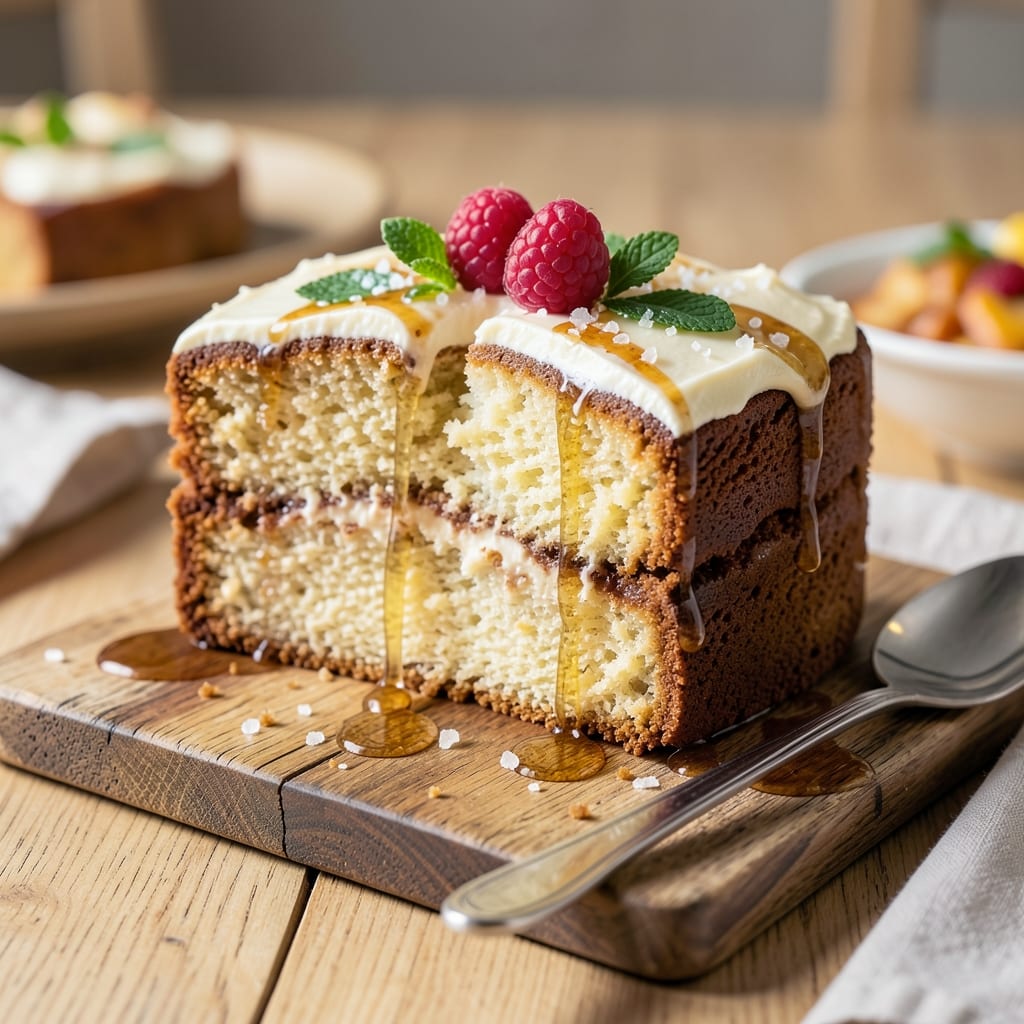
This 2-egg butter cake recipe delivers a tender, moist crumb that defies the "light-as-air" butter cake stereotypes—no one will guess it uses just two eggs. The secret lies in proper creaming and a precise baking technique that locks in moisture while creating that signature fine crumb. I developed this version after years of testing, because most recipes either require more eggs or end up dry.
What makes this recipe work is the cold butter method—creaming butter and sugar until perfectly light creates tiny air pockets that expand during baking. The addition of sour cream adds richness without heaviness, while vanilla extract infuses deep flavor without overpowering. The cake bakes in 350°F for just 25-30 minutes, emerging with a golden top and perfectly domed shape.
Topped with simple vanilla buttercream, this cake achieves that perfect balance of moist crumb and sweet frosting that melts into every bite. The frosting stays stable at room temperature, making it ideal for celebrations or casual gatherings. What you'll end up with is a cake that's rich enough to satisfy serious dessert lovers but light enough to eat without regret.
Perfect for birthdays, showers, or whenever you crave a classic butter cake without the fuss of multiple eggs. The recipe scales easily for larger bakes, and the frosting can be adjusted to your preferred sweetness. Let's get started—your taste buds will thank you for this foolproof technique.
Ingredients for 2 egg butter cake
Cold butter, precise creaming, and just two eggs create this foolproof butter cake.
| Ingredient | Amount | Notes |
|---|---|---|
| Unsalted Butter 🧈 | 1 cup | Cold, cut into 1-inch cubes |
| Granulated Sugar 🍚 | 1 ½ cups | White or light brown |
| Large Eggs 🥚 | 2 whole | Room temperature |
| All-Purpose Flour 🌾 | 2 cups | Sifted, spooned and leveled |
| Sour Cream 🥛 | ½ cup | Full-fat for best texture |
| Pure Vanilla Extract 🍯 | 1 tbsp | Not imitation |
| Baking Powder 🧂 | 1 ½ tsp | Aluminum-free |
| Salt 🧂 | ½ tsp | Fine sea salt |
| Milk 🥛 | ¼ cup | Whole milk preferred |
| Unsalted Butter 🧈 | ½ cup | Room temperature, for frosting |
| Powdered Sugar 🍚 | 2 cups | Sifted for smooth frosting |
| Pure Vanilla Extract 🍯 | 1 tsp | For frosting flavor |
The butter makes or breaks this cake. Use unsalted—it gives you control over the salt level. Buy it in bulk from Whole Foods or Trader Joe's for the best quality. The cubes should be cold but not frozen, so pull them from the fridge about 10 minutes before creaming. Granulated sugar matters too—Domino or C&H brands are reliable. I always measure flour by spooning it into the cup and leveling with a knife; never scoop directly from the bag. The sour cream adds moisture without density—full-fat is non-negotiable here.
No vanilla extract? Vanilla bean paste works in a pinch, but pure extract is ideal. Running short on milk? Heavy cream or buttermilk both work, though buttermilk adds tang. For the frosting, European-style butter (like Plugrá) creates a smoother finish. Powdered sugar should be sifted to avoid lumps—store it in the freezer to prevent clumping. The cake can be frosted while still slightly warm for easier spreading, but let it cool completely for clean slices. If your frosting gets too soft, chill it for 10 minutes before using.
Store the cake in an airtight container at room temperature for 3 days, or freeze for 2 months wrapped tightly. The frosting keeps for 1 week in the fridge, but re-whip it briefly before using. For best results, bake the cake in two 8-inch rounds—this ensures even baking and perfect doming. The secret to that signature fine crumb? Don't overmix the batter. Fold just until combined.
Why You'll Love This Recipe
- No Mixer Needed: I swear by this recipe when I’m too lazy to pull out the stand mixer. Just cream the butter and sugar by hand—it takes maybe five minutes—then fold in the eggs and sour cream. That tangy richness from the sour cream does all the work for you.
- Buttery Magic: Two eggs, one stick of butter, and a splash of sour cream? That’s all it takes to make a cake so rich, it feels like dessert even when it’s breakfast. The crumb stays tender, the flavor stays bold, and honestly? It’s the kind of cake that makes me forget about store-bought.
- Leftovers for Days: This cake keeps beautifully for up to five days in the fridge, and it reheats like a dream. I’ll be real: I’ve had it cold, warmed, and even toasted with a little butter—every time, it’s still the star. Perfect for when you bake once but want to enjoy it all week.
- Budget-Friendly Luxury: You’re using basic pantry staples, but the result? A cake that tastes like it cost twice as much. The sour cream keeps it moist without needing fancy add-ins, and the eggs add that perfect lift. My wallet thanks me, and so does my taste buds.
Step-by-step instructions for 2-Egg butter cake
Here's how to bake a tender, rich butter cake with perfect moisture and smooth vanilla frosting.
Cream Butter and Sugar Together
In a stand mixer fitted with the paddle attachment, beat the 1 cup unsalted butter (cold, cut into 1-inch cubes) and 1.5 cups granulated sugar on medium speed for 3-4 minutes. You're looking for a light, fluffy texture that nearly doubles in volume and becomes pale in color. This creaming process incorporates air, which creates a tender crumb.
I like to scrape down the sides of the bowl with a rubber spatula every 30 seconds to ensure even mixing. The butter should be fully incorporated with no visible lumps, and the mixture should look smooth and ribbon-like when you lift the paddle. This step is critical for achieving that signature moist texture promised in the title.
Add Eggs and Mix Thoroughly
Add the 2 whole large eggs (room temperature) one at a time, mixing on low speed for 30 seconds after each addition. Then add the 1 tablespoon pure vanilla extract and mix for another 30 seconds until fully combined. Room temperature eggs blend more smoothly and prevent dense spots in the cake.
The mixture might look slightly curdled after adding the eggs, but don't worry—this will resolve once we add the dry ingredients. I always use room temperature eggs because they blend more evenly and help create a lighter texture. The vanilla extract should be fully incorporated, giving the batter a subtle floral aroma that will carry through to the finished cake.
Alternate Adding Dry and Wet Ingredients
Reduce the mixer speed to low and add 1 cup of the sifted all-purpose flour, mixing just until combined. Then add ½ cup of the sour cream, mixing until smooth. Repeat this process with the remaining 1 cup flour, then the 1.5 teaspoons baking powder, ½ teaspoon salt, and finally the ¼ cup milk.
This alternating method prevents gluten development and ensures a tender crumb. I always sift the flour first to remove any lumps and aerate it slightly, which helps create a lighter texture. The sour cream adds moisture and richness, while the baking powder provides the necessary lift. Mix just until the ingredients are combined—overmixing develops gluten and results in a tough cake.
Bake to Golden Perfection
Pour the batter into two 8-inch round cake pans lined with parchment paper and greased with butter. Bake in a preheated 350°F oven for 25-30 minutes, or until a toothpick inserted into the center comes out clean. Rotate the pans halfway through baking for even browning.
The cakes should be golden brown on top with slightly domed centers. I always check for doneness by inserting a toothpick—it should come out with a few moist crumbs, not wet batter. The cakes will continue to set as they cool, so don't overbake. Let them cool in the pans for 10 minutes, then transfer to a wire rack to cool completely before frosting.
Prepare the Vanilla Frosting
In a separate bowl, beat the ½ cup unsalted butter (room temperature) with an electric mixer until smooth and creamy. Gradually add the 2 cups powdered sugar and 1 teaspoon pure vanilla extract, mixing on low speed until combined. Increase the speed to medium and beat for 2-3 minutes until light and fluffy.
This frosting should be thick enough to hold its shape but spreadable enough to cover the cakes smoothly. The room temperature butter ensures it whips up properly without developing lumps. Spread the frosting between the cooled cake layers and on the top and sides, creating a smooth finish. The vanilla flavor complements the rich butter cake perfectly, delivering on that promised harmony of moist crumb and sweet frosting.
Pro Tips For Making 2 Egg Butter Cake
- Melt Butter Slowly: Let the butter soften in the bowl first—room temperature is your friend. I used to dump cold butter straight into the sugar and wondered why my batter turned out greasy. Five minutes in the microwave (or by the sunny window) makes creaming so much easier.
- Use Room-Temp Eggs: Take the eggs out of the fridge 30 minutes before mixing—cold eggs make the batter stiff and dense. I learned this the hard way after a cake that looked like a brick. Trust me, a little patience here makes a real difference in texture.
- Don’t Overmix the Batter: Stop folding in the flour when just combined—lumpy is better than tough. I was once guilty of beating this into submission, and the result? A cake with the texture of a hockey puck. Two minutes max after adding flour is all you need.
- Bake Until Springy: Check doneness at 325°F with a toothpick—it should come out with moist crumbs, not wet batter. I’ve overbaked more cakes than I’d like to admit, and this is the only way to guarantee a tender crumb. If it’s sticky, give it 5 more minutes.
Best sauces and condiments for this 2 egg butter cake
Classic Vanilla Glaze
For a simple, elegant finish, drizzle warm cake layers with a vanilla glaze made from 1 cup powdered sugar, 2 tbsp milk, and ½ tsp vanilla extract. Whisk until smooth, then strain for a silky texture. This glaze adds moisture and a delicate sweetness without overpowering the cake's rich flavor. 💛
Citrus Curd Swirl
Brighten the cake with a lemon or orange curd swirled between layers. Use ½ cup lemon juice, 3 egg yolks, ½ cup sugar, and ¼ cup butter cooked to 160°F. Spread a thin layer on cooled cake before adding frosting for a tangy contrast. The acidity cuts through the richness beautifully.
Chocolate Ganache Drizzle
For chocolate lovers, replace the vanilla frosting with a dark chocolate ganache. Melt ½ cup dark chocolate chips with ½ cup heavy cream over a double boiler, then cool slightly before drizzling over the cake. The ganache sets at room temperature, creating an elegant, glossy finish that pairs perfectly with the butter cake's vanilla notes.
Caramel Buttercream
Swap the vanilla frosting for a caramel buttercream by adding ¼ cup caramel sauce (homemade or store-bought) to the frosting recipe. The deep, buttery-sweet flavor enhances the cake's richness while adding a luxurious texture. Use a piping bag to create decorative swirls or rosettes on top for a showstopping presentation.
Berry Compote Topping
Top the cake with a fresh berry compote made from 1 cup mixed berries (strawberries, raspberries, or blueberries), 2 tbsp sugar, and 1 tsp lemon juice simmered for 5-7 minutes. Strain and cool before spreading over the frosted cake. The berries add a vibrant color and a burst of freshness that balances the buttery richness.
Salted Caramel Drizzle
Elevate the cake with a salted caramel drizzle. Heat ½ cup caramel sauce with ¼ tsp flaky sea salt until melted, then drizzle over the frosted cake in a zigzag pattern. Let it set for 10 minutes before serving. The salt enhances the caramel's sweetness, creating a sophisticated flavor profile that pairs perfectly with the cake's vanilla frosting. 🌟
Nutrition facts
Frequently asked questions
Why does this recipe only use 2 eggs?
The secret lies in the cold butter method and sour cream—they add moisture and richness that eggs typically provide. The proper creaming technique creates air pockets that expand during baking, while the sour cream prevents dryness. This combination delivers a tender crumb without needing extra eggs.
Can I substitute sour cream with something else?
Yes! Use ½ cup plain yogurt or ¼ cup melted butter + ¼ cup milk as alternatives. Avoid heavy cream or buttermilk—they can make the cake too dense. The key is maintaining moisture without adding excess liquid. For best results, keep the total liquid volume the same.
How do I prevent my cake from cracking?
Cracking usually happens from overmixing or opening the oven too soon. Mix just until combined, and avoid overfilling the pans. Bake until a toothpick comes out clean, then let the cake cool completely in the pan for 10 minutes before removing. A warm cake is more fragile and prone to cracking.
Can I make this cake in a 9-inch pan?
Yes, but reduce the baking time to 20-25 minutes—9-inch pans bake faster. Divide the batter evenly between two pans to maintain the same thickness. The cake will still be moist, but the shape will be slightly shorter. For even baking, rotate the pans halfway through.
How do I store leftover cake?
Keep the cake in an airtight container at room temperature for 3 days, or freeze for 2 months wrapped tightly. The frosting keeps for 1 week in the fridge—re-whip it briefly before using. For best texture, store layers separately and frost just before serving.