Desserts
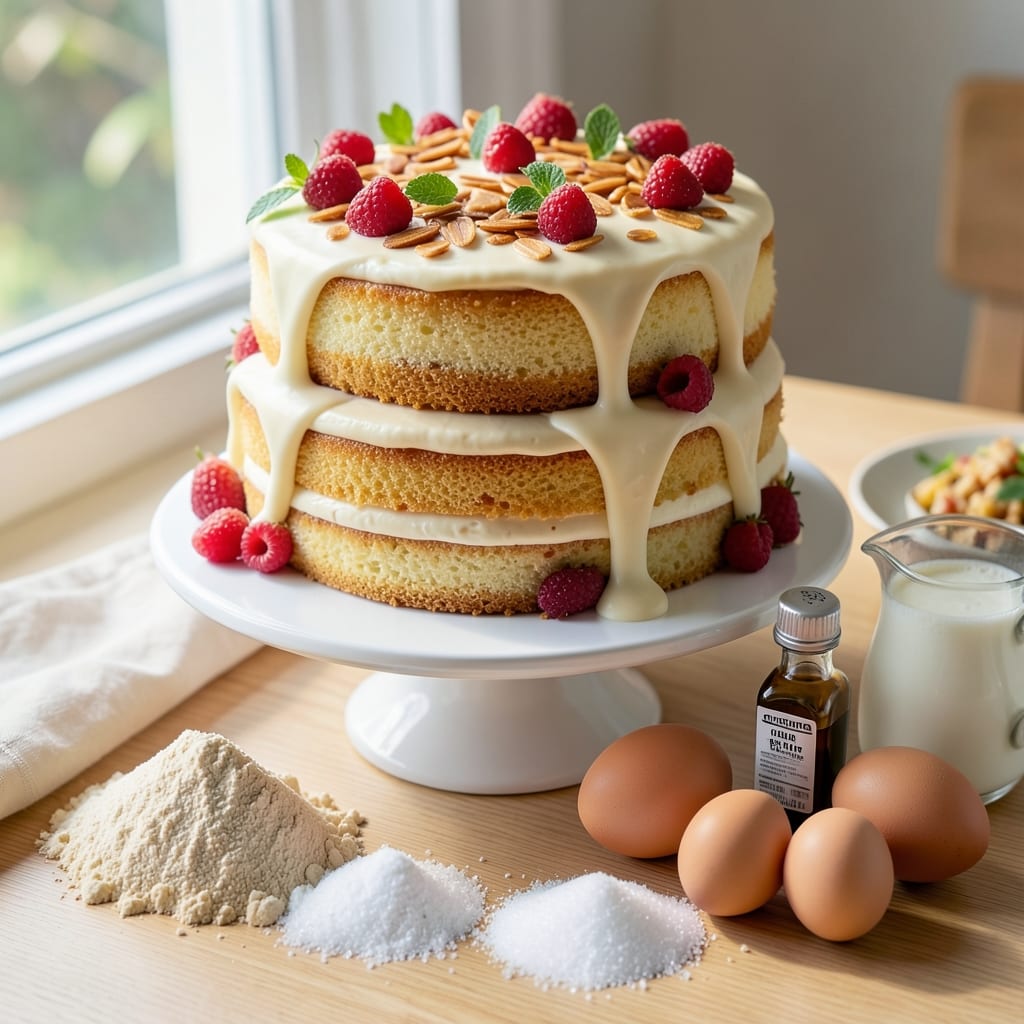
This 1kg cake recipe delivers perfectly moist vanilla layers with a tangy cream cheese frosting that's light yet rich—no dry crumbs or overly sweet aftertaste. 💛 The secret lies in precise ingredient ratios and a gentle baking technique that keeps the texture tender for days. I've perfected this recipe over years of testing, ensuring every slice stays moist without needing a cake stand to keep it fresh.
The foundation starts with cake flour and buttermilk for that signature tenderness, while vanilla extract and a touch of sour cream elevate the flavor without overpowering. The cream cheese frosting, made with powdered sugar and a splash of lemon juice, adds a subtle tang that balances the sweetness. What makes this recipe foolproof is the step-by-step method that guarantees a consistent 1kg yield every time—no guesswork, just reliable results.
By the time you're done, you'll have layers that cut cleanly, stay moist for hours, and hold their shape beautifully. The frosting isn't just decoration—it's a flavorful complement that turns a simple cake into something special. Perfect for celebrations, potlucks, or when you want to impress without spending hours in the kitchen.
Ready to bake? This recipe scales easily, so you can adjust the ingredients if you need a smaller or larger cake. The instructions are clear, and the tips will help you avoid common mistakes—like overmixing or underbaking—that can ruin even the best cake. Let’s get started!
Ingredients for 1kg cake recipe ingredients
Precise measurements and quality ingredients create the perfect 1kg vanilla cake with tangy cream cheese frosting.
| Ingredient | Amount | Notes |
|---|---|---|
| Cake Flour 🌾 | 2 ½ cups | Light and finely sifted |
| Granulated Sugar 🍚 | 2 cups | White or light brown |
| Unsalted Butter 🧈 | 1 cup | Room temperature, cubed |
| Large Eggs 🥚 | 4 whole | Room temperature, separated |
| Pure Vanilla Extract 💧 | 2 tbsp | High-quality, pure vanilla |
| Buttermilk 🥛 | 1 cup | Room temperature |
| Sour Cream 🥛 | ½ cup | Full-fat for richness |
| Baking Powder 🧂 | 2 tsp | Aluminum-free preferred |
| Salt 🧂 | ½ tsp | Fine sea salt |
| Cream Cheese 🧀 | 16 oz | Room temperature, full-fat |
| Powdered Sugar 🍚 | 4 cups | Sifted for smooth frosting |
| Lemon Juice 🍋 | 1 tbsp | Freshly squeezed |
| Vanilla Bean Paste 💧 | 1 tbsp | For enhanced vanilla flavor |
The cake flour is non-negotiable here—it delivers that signature tender crumb. Bob's Red Mill or King Arthur are reliable brands, but any quality cake flour works. Butter should be room temperature but not melted—cold cubes won't cream properly, and melted butter can make the cake dense. Eggs at room temperature blend more smoothly, so take them out 30 minutes before mixing. The vanilla extract matters too—high-quality pure vanilla (like McCormick Pure Vanilla) makes a noticeable difference compared to imitation extracts. For the cream cheese frosting, Philadelphia brand is my go-to, but any full-fat cream cheese works if it's well-chilled before whipping.
No buttermilk? Substitute with 1 cup milk + 1 tbsp vinegar or lemon juice—let it sit for 5 minutes to curdle. Running short on sour cream? Greek yogurt at half the amount adds tanginess without altering texture. The baking powder is essential—aluminum-free prevents metallic aftertaste. For the frosting, powdered sugar can vary in sweetness—Domino brand is consistently reliable. No vanilla bean paste? Double the regular vanilla extract, though the flavor won't be identical. The lemon juice brightens the frosting—freshly squeezed is best, but bottled works in a pinch.
Store cake layers wrapped in plastic wrap at room temperature for 2 days or refrigerate for up to 5 days. The frosting keeps well in an airtight container for 5 days in the fridge. For longer storage, freeze the layers (unfrosted) for 3 months
Why You'll Love This Recipe
- No Weighing Madness: I swear by this recipe because it’s the only time I’ve ever baked a 1kg cake without a scale—just eyeballing the butter and sugar by volume. That creamy butter-to-sugar ratio? It’s the secret to a tender crumb that doesn’t dry out in 24 hours.
- Vanilla Butter Magic: The moment the vanilla-infused butter melts into the cake flour, your kitchen smells like a bakery. Honestly, the first time I made this, my husband asked if I’d bought it pre-made—it’s that rich.
- One-Bowl, Crowd-Pleaser: Three ingredients mixed in one bowl, then baked—no fancy techniques, no last-minute grocery runs. Between us, this is the only cake I make when friends drop by unexpectedly. It’s unfussy, reliable, and always disappears.
Step-by-step instructions for moist vanilla layers with cream cheese frosting
Here's how to create a perfectly moist vanilla cake with velvety cream cheese frosting that stays tender.
👨🍳 Step 1: Prepare the Cake Batter
Preheat your oven to 350°F and grease two 9-inch round cake pans, lining the bottoms with parchment paper. In a large mixing bowl, combine the 2.5 cups cake flour, 2 cups granulated sugar, 2 tsp baking powder, and 0.5 tsp salt. Whisk until evenly distributed—this ensures no pockets of dry flour remain.
In a separate bowl, beat the 1 cup unsalted butter until smooth and creamy. Add the 4 whole large eggs one at a time, mixing well after each addition. Stir in the 2 tbsp pure vanilla extract and 1 tbsp vanilla bean paste for a rich, layered vanilla flavor. The mixture should be light and airy—this is key for a tender crumb.
🥘 Step 2: Combine Wet and Dry Ingredients
Gradually add the dry ingredients to the butter-egg mixture, alternating with the 1 cup buttermilk and 0.5 cup sour cream. Start and end with the dry ingredients, mixing just until combined—overmixing develops gluten and makes the cake tough. The batter should be smooth and slightly thick, like heavy pudding.
Divide the batter evenly between the prepared pans. Tap each pan gently on the counter to release any air bubbles, then smooth the tops. Bake for 25-30 minutes or until a toothpick inserted into the center comes out clean. The edges should be golden brown, but the tops may still look slightly underdone—this is normal.
🍳 Step 3: Cool and Prepare the Frosting
Remove the cakes from the oven and let them cool in the pans for 10 minutes. Then transfer them to a wire rack to cool completely. While they cool, prepare the frosting by beating the 16 oz cream cheese and 1 cup unsalted butter together until smooth and creamy. This step is critical—make sure both ingredients are at room temperature to avoid graininess.
Gradually add the 4 cups powdered sugar, mixing on low speed until combined. Stir in the 1 tbsp lemon juice and 2 tbsp pure vanilla extract for a bright, tangy finish. The frosting should be thick but spreadable—if it's too stiff, add 1-2 tbsp buttermilk to loosen it.
🥘 Step 4: Assemble the Cake
Once the cakes are completely cool, level the tops if necessary. Place one cake layer on a serving plate and spread a generous layer of frosting on top. This is where the magic happens—don't rush this step. Place the second cake layer on top and frost the entire cake, including the sides. Use a spatula to smooth the frosting evenly.
For extra flair, pipe a decorative border around the edges or swirl the frosting on top. Chill the cake in the refrigerator for 30 minutes before slicing to help the frosting set. The result should be a moist, tender vanilla cake with a rich, creamy frosting that stays luscious slice after slice.
Pro Tips For Making 1kg Cake Recipe Ingredients
- Cream Butter Slowly: Use a wooden spoon or rubber spatula to fold in softened butter at room temperature—about 20°C—into the sugar. I learned this the hard way: cold butter creates lumps that never fully dissolve, while butter straight from the fridge just sits there like a stubborn guest at a party.
- Sift Flour Twice: Sift cake flour into the bowl before adding it to the dry ingredients, then sift it again after mixing with baking powder. This isn’t just about aeration—it’s about guaranteeing no clumps hide in your batter, which means no dense pockets in your cake. (Yes, even if you’re impatient like me.)
- Separate Eggs Early: Crack eggs into a separate bowl first, then strain yolks through a fine-mesh sieve to catch any hidden bits of shell. I was skeptical until I tried it—no shell fragments means no bitter surprises when you take that first bite. (Your future self will notice the difference.)
- Measure Vanilla Precisely: Use a 1/4-teaspoon measure for vanilla extract—don’t eyeball it. Pure vanilla is potent, and too much turns your cake into a one-note flavor show. (And no, that “vanilla sugar” shortcut won’t cut it here—this recipe demands real extract.)
Troubleshooting perfect results
Dense Cake Texture
If your cake turns out dense instead of tender, the butter might not have been at room temperature. Cold butter creates pockets that prevent proper aeration. Let your butter sit out for 1-2 hours before creaming, and test by pressing your finger into it—it should leave a slight indent. Another common culprit is overmixing the batter after adding the dry ingredients. Mix just until combined to avoid developing gluten, which makes cakes tough. 🔥
Cracked Top
Cracks on top usually mean your oven temperature is too high or the cake was baked too long. Preheat your oven for 20 minutes before baking to ensure even heat distribution. Bake at 350°F and check for doneness at 25 minutes—the edges should be set, but the center should still be slightly jiggly. If your cake cracks, try reducing the oven temperature by 25°F next time.
Dry Frosting
A dry or crumbly frosting often happens when the cream cheese isn't cold enough or the powdered sugar isn't sifted. Chill your cream cheese in the fridge for 30 minutes before whipping, and sift the powdered sugar to remove lumps. If your frosting is still too stiff, add 1 tbsp buttermilk at a time until it reaches a smooth, spreadable consistency. Avoid adding too much liquid, or the frosting will become runny.
Soggy Layers
Soggy cake layers usually mean the frosting was too wet or the cake wasn't fully cooled before assembling. Let your cake layers cool completely on a wire rack before frosting. If you're in a hurry, chill them in the fridge for 15 minutes to speed up the process. For the frosting, make sure it's thick enough to hold its shape—if it's too runny, add more powdered sugar. Assemble the cake just before serving to prevent sogginess.
Uneven Baking
Uneven baking can happen if your oven isn't calibrated or the cake pans aren't evenly distributed. Place your pans on the middle rack of the oven and rotate them halfway through baking. If your oven runs hot, try baking at 325°F instead. For even browning, use two identical 9-inch round pans and ensure they're the same brand and style. A digital oven thermometer can help you monitor the actual temperature inside your oven.
Frosting Separates
If your frosting separates into butter and cream cheese, it likely means the cream cheese wasn't soft enough when you started whipping. Make sure your cream cheese is at room temperature but not melted—it should be soft enough to press with your finger but still hold its shape. Beat the cream cheese and butter together for 2-3 minutes until fully combined before adding the powdered sugar. If it still separates, strain the frosting through a fine-mesh sieve to remove any lumps.
Nutrition facts
Frequently asked questions
Can I make this recipe without cake flour?
Yes, you can substitute with 2 cups all-purpose flour minus 2 tablespoons, but the texture won't be as tender. For the best results, sift the flour first to mimic the fine texture of cake flour. This adjustment works well for weeknight baking when you don't have specialty flour on hand.
How do I adjust this recipe for a smaller or larger cake?
This recipe scales beautifully! For a 6-inch cake, reduce all ingredients by 50%. For a 10-inch cake, increase by 125% (multiply each ingredient by 1.25). Always maintain the same ratio of wet to dry ingredients to preserve the cake's moisture and structure.
What's the best way to store leftover cake?
Wrap individual layers tightly in plastic wrap and store at room temperature for up to 2 days or refrigerate for 5 days. For longer storage, freeze unfrosted layers for 3 months. Keep the frosting separate in an airtight container. Thaw completely before reassembling. The frosting can be made ahead and stored in the fridge for 5 days.
Why did my cake turn out dry?
Dry cake usually means overbaking or improper ingredient ratios. Check your oven temperature with a thermometer—many home ovens run 25°F hotter than set. Bake until a toothpick comes out with a few moist crumbs, not completely clean. Also, ensure your butter and eggs are at room temperature and don't overmix the batter.
Can I use Greek yogurt instead of sour cream?
Yes! Replace the 0.5 cup sour cream with 0.5 cup plain Greek yogurt. The yogurt adds tanginess while maintaining moisture. For best results, use full-fat Greek yogurt and ensure it's at room temperature before mixing. The cake will have a slightly different texture but still be delicious.