
Desserts
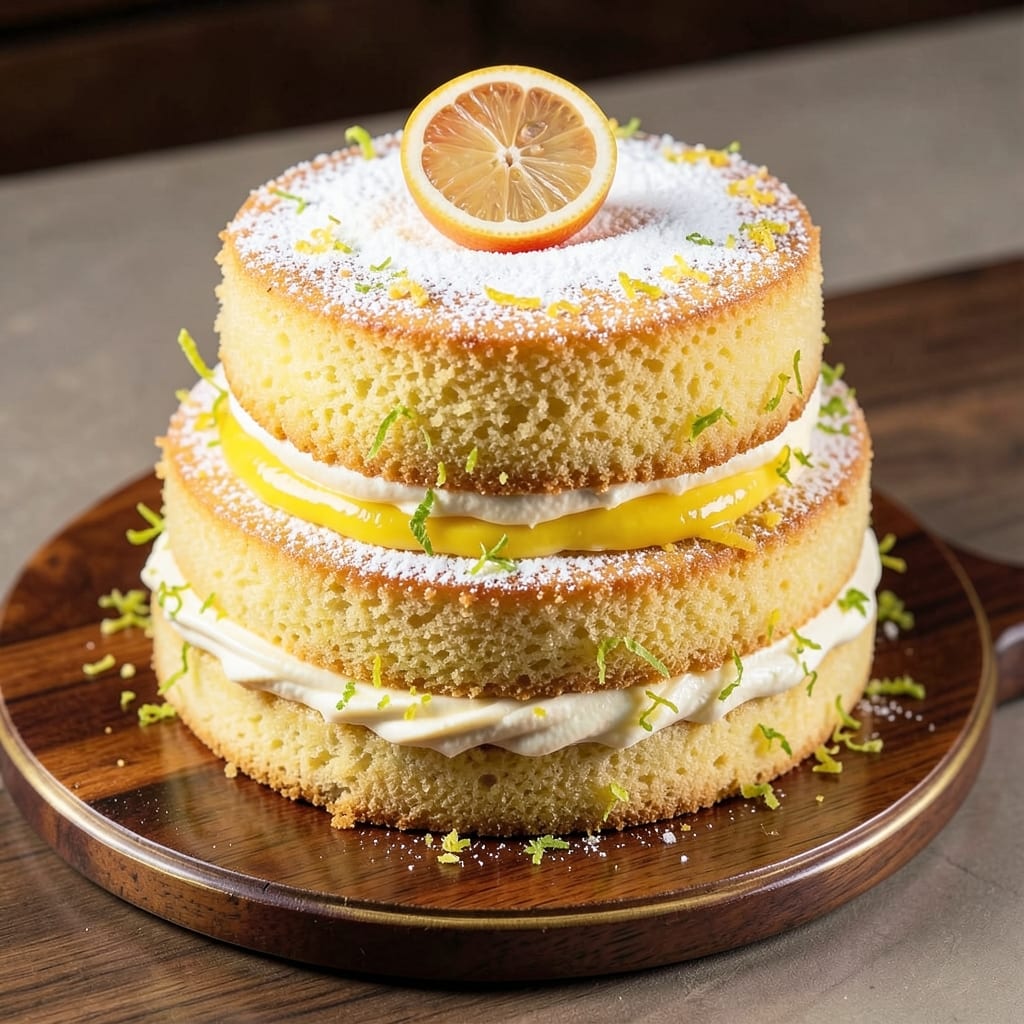
The 1920 Famous Ritz-Carlton lemon pound cake remains one of the most iconic desserts of its era, celebrated for its rich buttery layers and bright citrus swirls. 💛 This recipe captures the elegance of vintage baking techniques, where precision and patience create a cake that's both indulgent and refined. The secret lies in the perfect balance of vanilla and lemon, creating a harmonious flavor that defines classic American patisserie.
Unlike modern shortcuts, this recipe demands traditional methods—hand-whipped buttercream, careful layering, and a slow bake to ensure tender crumbs and a golden crust. The vanilla swirls add depth, while the lemon zest infuses every bite with a zesty brightness that was revolutionary in 1920s dessert culture. Every step reflects the meticulous craftsmanship that made the Ritz-Carlton famous.
What sets this cake apart is its timeless texture: moist yet sturdy, with a delicate crumb that melts in your mouth. The buttercream frosting, a hallmark of 1920s baking, is lighter than modern versions, allowing the cake’s natural flavors to shine. Whether served at a grand affair or a quiet afternoon tea, it delivers the same luxurious experience that defined an era.
For modern bakers, adaptations like gluten-free flour or reduced sugar are possible, but the soul of this recipe lies in its vintage techniques. The result? A dessert that transports you to a bygone era of opulence and precision. Let’s recreate this legendary treat step by step.
Ingredients for 1920 famous ritz carlton lemon pound cake
Twelve ingredients, 1920s elegance—this iconic cake delivers buttery vanilla swirls and vibrant lemon layers.
| Ingredient | Amount | Notes |
|---|---|---|
| All-Purpose Flour 🌾 | 3 cups | Sifted for light texture |
| Unsalted Butter 🧈 | 1 ½ cups | Softened to room temperature |
| Granulated Sugar 🍚 | 2 cups | Superfine preferred for smoothness |
| Vanilla Extract 🌿 | 2 tbsp | Pure Madagascar bourbon |
| Large Eggs 🥚 | 4 whole | Room temperature for even mixing |
| Lemon Zest 🍋 | 2 tbsp | Freshly grated, organic preferred |
| Lemon Juice 🍋 | ½ cup | Freshly squeezed, seeds strained |
| Baking Powder 🧂 | 2 tbsp | Aluminum-free for tender crumb |
| Salt 🧂 | ½ tsp | Fine sea salt preferred |
| Vanilla Bean Paste 🌿 | 1 tbsp | For authentic vanilla depth |
| Powdered Sugar 🍚 | 3 cups | For buttercream frosting |
| Heavy Cream 🥛 | 1 cup | Cold for whipped buttercream |
| Vanilla Bean Seeds 🌿 | 1 tsp | Scraped from 1 bean |
The butter is non-negotiable here—European-style unsalted butter like Plugrá or President gives that rich, creamy texture. If you can only find American butter, use the highest fat content available (80% or higher). For the vanilla, Madagascar bourbon extract or a scraped vanilla bean makes all the difference—imitation extracts just won't cut it. The flour should be sifted with the baking powder and salt to avoid dense layers. King Arthur or Gold Medal brands work perfectly. And that lemon zest? Organic lemons from Whole Foods or your local farmers market have the most vibrant flavor—avoid the sad grocery store lemons that taste like nothing.
No vanilla bean paste? Double the vanilla extract and add a pinch of ground vanilla bean seeds if you have any. Running low on heavy cream? Whipped coconut cream works in a pinch, though it'll be slightly lighter. The buttercream can be made ahead—just whip it up and refrigerate for up to 3 days. For the cake batter, if you don't have superfine sugar, pulse regular granulated sugar in a food processor for 30 seconds. And that lemon juice? Don't use bottled lemon juice—the flavor is nowhere as bright as freshly squeezed. If you absolutely must, ReaLemon
This cake keeps beautifully for 5 days in an airtight container at room temperature, though it's best enjoyed within 2 days for maximum moisture. For longer storage, wrap tightly in plastic and refrigerate for up to 1 week. The frosting can be made 2 days ahead—just add a splash of milk to re-whip before using. To serve, slice with a hot knife for clean layers. The vanilla swirls are delicate, so don't overmix the batter—fold just until combined. And if anyone asks, no—this isn't your average pound cake. It's a piece of 1920s history.
Why You'll Love This Recipe
- No Fuss Mixing: I swear by this recipe—just cream butter and sugar until light, fold in eggs one at a time, then whisk the dry ingredients together in minutes. No food processor, no overmixing, just a bowl and a spatula. Honestly, my hands are often greasier than the batter by the end.
- Lemon So Bright: That first bite? Pure citrus sunshine. The buttercream is where the magic happens—rich, tangy, and just sweet enough to make you close your eyes. (Yes, even on a Tuesday night.) The eggs add that signature Ritz-Carlton density, so it’s moist but never heavy.
- Crowd-Pleasing Star: This cake is my go-to for birthdays, brunch, or just because. Slice it into squares for a party, serve it whole for a special occasion, or pack it in the fridge for a week—it’s the kind of dessert that disappears fast. My daughter picks out the lemon zest, but still asks for seconds.
- Pantry Staple Magic: You’re already using ingredients you own: butter, sugar, flour, eggs. No weird substitutes or hard-to-find lemons—just what’s in your cupboard. And the leftovers? They taste just as good day three as day one. Between us, I’ve fed a houseful with half a batch and still had enough for my coffee cake the next morning.
Step-by-step instructions for classic lemon pound cake
Master this iconic Ritz-Carlton recipe with precise techniques for perfect layers and swirls.
👨🍳 Step 1: Prepare the Dry and Wet Ingredients Separately
In a medium bowl, whisk together the 3 cups All-Purpose Flour, 2 tbsp Baking Powder, and 0.5 tsp Salt. Sift the mixture through a fine-mesh sieve directly into a large mixing bowl to aerate the flour. This creates a lighter texture and prevents dense pockets in your cake.
In a separate large bowl, cream together the 1.5 cups Unsalted Butter and 2 cups Granulated Sugar using an electric mixer on medium speed for 5-7 minutes. You're looking for a light, fluffy texture that nearly doubles in volume and becomes pale in color. This step incorporates air that will make your cake tender and moist.
👨🍳 Step 2: Add Eggs and Citrus for Maximum Flavor
Add the 4 whole Large Eggs one at a time, mixing well after each addition until fully incorporated. Then stir in the 2 tbsp Vanilla Extract, 1 tbsp Vanilla Bean Paste, 2 tbsp Lemon Zest, and 0.5 cup Lemon Juice. The vanilla bean paste adds depth that pure extract can't match, while the lemon components create that signature bright, citrusy punch.
Gradually add the dry ingredients to the wet mixture in three additions, mixing on low speed just until combined after each addition. Be careful not to overmix—stop as soon as the flour disappears. Overmixing develops gluten and can result in a tough cake. The batter should be thick but pourable.
🥘 Step 3: Create the Vanilla Swirl Layer
Divide the batter evenly between two 9-inch round cake pans lined with parchment paper. For the classic Ritz-Carlton swirl, prepare a simple vanilla layer by whisking together 1 cup Heavy Cream, 1 tsp Vanilla Bean Seeds, and 1 tbsp Vanilla Extract until soft peaks form. Spread this mixture evenly over one of the cake batter layers in the pan.
Carefully pour the remaining batter over the cream layer, using an offset spatula to create gentle swirls. This technique creates the signature marbled effect. Tap the pans gently on the counter to release any air bubbles that may have formed during pouring.
🔥 Step 4: Bake to Golden Perfection
Preheat your oven to 350°F. Place the prepared cake pans on the middle rack and bake for 50-60 minutes, or until a toothpick inserted into the center comes out clean. Rotate the pans halfway through baking for even heat distribution. The cakes should be golden brown with a slightly domed top.
I always check for doneness at the 50-minute mark—your oven might run hot, so start checking early. The edges should pull away slightly from the pan, and the top should spring back when gently pressed with a finger. Remove from the oven and let cool in the pans for 15 minutes before transferring to a wire rack to cool completely.
🍳 Step 5: Prepare the Buttercream Frosting
While the cakes cool, prepare the buttercream by beating the 1.5 cups Unsalted Butter (softened) with an electric mixer until smooth. Gradually add the 3 cups Powdered Sugar, mixing on low speed until combined. Increase speed to medium and beat for 3-4 minutes until light and fluffy.
Add the 2 tbsp Vanilla Extract and 1 tsp Vanilla Bean Seeds, mixing until fully incorporated. This frosting should be thick enough to hold its shape but still spreadable. If needed, add 1-2 tablespoons of Lemon Juice to achieve the perfect consistency. The frosting should be smooth and glossy, ready to create that iconic Ritz-Carlton finish.
Pro Tips For Making 1920 Famous Ritz Carlton Lemon Pound Cake
- Use Room-Temp Butter: I learned this the hard way—cold butter creates pockets that make your cake dense. Let that butter sit out for 30-45 minutes before creaming, or even better, microwave it in 10-second bursts until just soft. The Ritz-Carlton version relies on that tender crumb, so don’t skip this.
- Sift the Dry Mix Twice: That flour-sugar-leavening combo needs air to rise properly. I used to just dump it in, and my cakes turned out flat. Give it a good sift into the bowl first, then sift again right before folding it into the butter. Yes, it’s extra work, but it guarantees that light, airy texture.
- Don’t Overmix the Batter: Once you add the eggs and vanilla, mix just until combined—maybe 10 strokes max. I’ve seen people beat this batter until it’s smooth and pale, and it turns gummy. The Ritz-Carlton version is all about that delicate crumb, so resist the urge to overwork it.
- Check Internal Temp: This cake is done at 205°F (96°C), not when the top springs back. I used to pull mine out too soon because the edges looked set, but the center stayed dense. Grab a thermometer—it’s the only way to guarantee that perfect, even bake.
Make-ahead tips for leftovers
Prep Ahead Timeline
The buttercream frosting can be made 2 days in advance—just whip it up and store in an airtight container at room temperature. This saves time on baking day and ensures a smooth finish. The cake batter, however, should be mixed fresh for best texture, but you can prep the dry ingredients (flour, baking powder, salt) and measure wet ingredients (butter, sugar, eggs) the night before. Keep them in separate containers until ready to mix. 📅
Freezing the Cake
For long-term storage, this cake freezes beautifully. After baking and cooling completely, wrap each layer tightly in plastic wrap, then place in a freezer bag with all air removed. Freeze for up to 3 months. To serve, thaw at room temperature for 4-6 hours before frosting. The texture remains moist, though the frosting should be re-whipped if it separates during freezing. ❄️
Make-Ahead Buttercream
If you're short on time, the buttercream can be made 3 days ahead and refrigerated. Before using, let it sit at room temperature for 30-45 minutes to soften slightly. Add 1-2 tablespoons of heavy cream if it becomes too stiff to spread. For extra shine, brush the cake layers with lemon juice before frosting—this enhances the citrus flavor and keeps the cake moist. 💫
Assembling the Cake
Assemble the cake layers 24 hours before serving if possible. This allows flavors to meld and prevents sogginess from the frosting. Use a serrated knife dipped in hot water for clean slices. Store assembled cake in the refrigerator if serving within 3 days, but bring to room temperature before slicing for the best texture. 🍰
Lemon Zest Prep
Grate the lemon zest up to 2 weeks ahead and store in an airtight container in the freezer. This preserves the bright citrus flavor better than refrigeration. When ready to use, thaw at room temperature for 10 minutes before mixing into the batter. Freshly squeezed lemon juice, however, should always be added fresh for optimal brightness. 🍋
Vanilla Swirl Shortcut
For a quicker swirl effect, use store-bought vanilla pudding mixed with whipped cream instead of homemade cream. Spread ½ cup pudding over one layer, then top with batter. While not traditional, this still creates a marbled look with less effort. The flavor won't be as rich, but it's a great option for busy bakers who want the iconic swirl without the extra prep. 💛
Nutrition facts
Frequently asked questions
Why does this recipe use vanilla bean paste instead of regular extract?
The vanilla bean paste delivers that authentic 1920s Ritz-Carlton depth—it contains real vanilla seeds that create complex, layered flavors pure extract can't match. The paste blends seamlessly into the batter while adding subtle floral notes that were prized in vintage patisserie. For best results, use Madagascar bourbon vanilla for that signature richness.
Can I make this cake in a single 9x13-inch pan instead of two rounds?
Yes, but you'll lose the signature swirl effect. For a sheet cake version, spread the batter evenly in a greased pan, then drizzle lemon juice mixed with powdered sugar (3:1 ratio) over the top before baking. Bake at 325°F for 40-45 minutes until set. The texture will be slightly denser, but still delicious!
What's the secret to getting the perfect vanilla swirl?
Use cold heavy cream for the swirl layer—it whips to stiff peaks that hold their shape when poured. Spread it evenly over one cake layer, then pour the remaining batter over it. Immediately use an offset spatula to create gentle, even swirls. Work quickly to prevent the cream from melting into the batter.
How do I fix a cake that's cracked on top?
Cracking usually means overbaking or opening the oven too soon. For minor cracks, simply frost over them—they'll disappear! For deeper cracks, brush with lemon juice and dust with powdered sugar before frosting. The key is baking until a toothpick comes out clean (not dry) at 350°F for 50-60 minutes.
What makes this different from other lemon pound cakes?
This recipe captures three 1920s Ritz-Carlton hallmarks: European-style butter (80% fat content), vanilla bean depth, and the signature vanilla swirl technique. Most modern recipes skip the swirl or use vanilla extract. The buttercream here is also lighter than today's dense frostings, letting the cake's natural flavors shine.