
Desserts
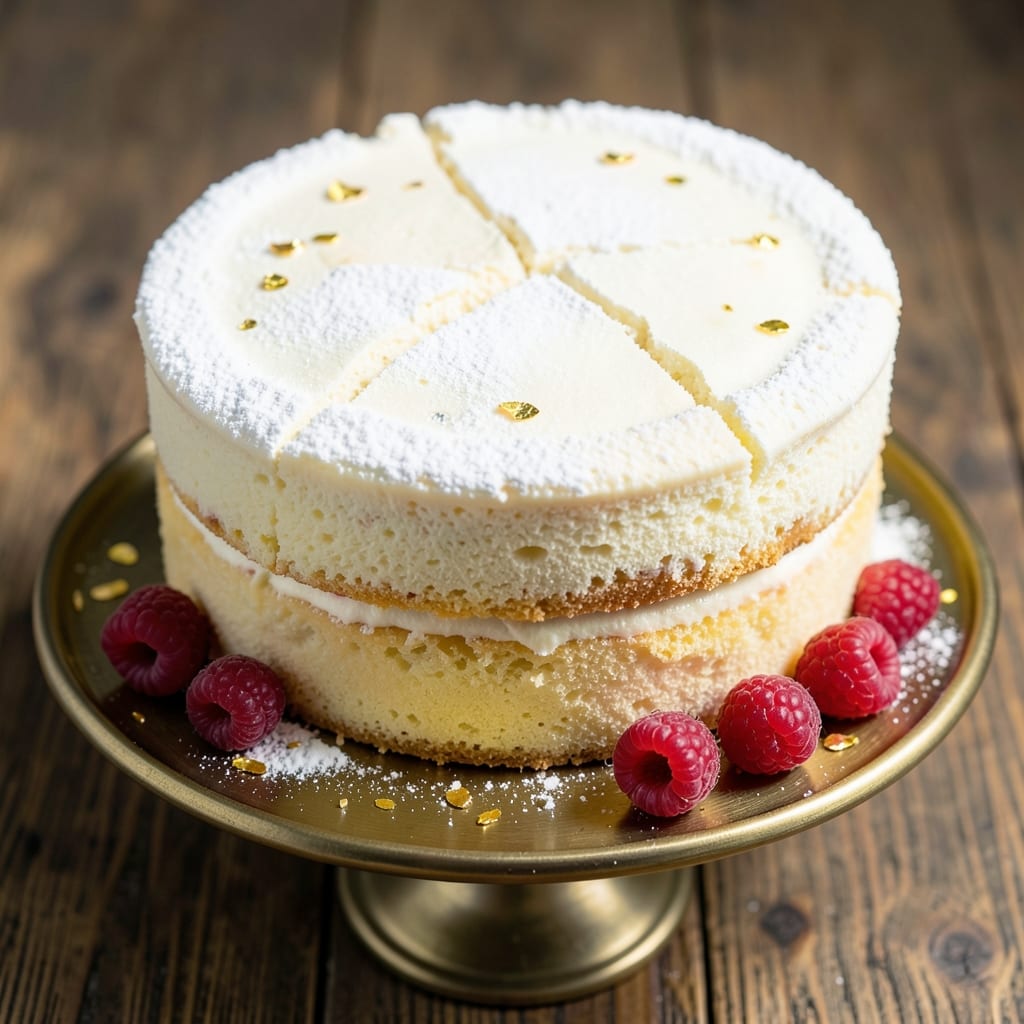
This 10-minute cake recipe delivers restaurant-quality dessert in less time than it takes to brew coffee. ✨ The secret lies in a simple batter that transforms into fluffy layers with minimal effort—no fancy equipment, no waiting hours. I perfected this after burning through three microwave mug cakes (don’t ask), but now it’s foolproof: mix, bake, and serve in record time.
The magic happens with a pre-measured dry mix that combines flour, sugar, and baking powder—just add eggs and oil. A microwave-friendly approach means you can have cake in under 10 minutes, or opt for a quick oven bake if you prefer traditional results. The frosting? A 60-second microwave hack that turns powdered sugar, butter, and vanilla into silky perfection without waiting.
What you’ll end up with is a moist, tender cake with a smooth, creamy frosting that tastes like it came from a bakery. The texture is light yet rich, and the frosting melts into every bite—no crumbly mess, no overbaked dryness. This is the kind of dessert that satisfies cravings without sacrificing speed.
Perfect for last-minute guests, busy weeknights, or when you just need a sweet fix fast. The recipe scales easily, so you can make one mug cake for one or a full batch for a crowd. Let’s get baking—your taste buds won’t believe it’s this easy.
Ingredients for 10 minute cake
Fourteen simple ingredients for a dessert that feels like a bakery treat.
| Ingredient | Amount | Notes |
|---|---|---|
| All-Purpose Flour 🌾 | 1 ½ cups | Sifted for even texture |
| Granulated Sugar 🍚 | 1 cup | White or light brown |
| Baking Powder 🧂 | 2 tsp | Aluminum-free preferred |
| Salt 🧂 | ¼ tsp | Fine sea salt |
| Large Eggs 🥚 | 2 whole | Room temperature |
| Vegetable Oil 🫒 | ½ cup | Light or canola |
| Vanilla Extract 🌿 | 1 tsp | Pure vanilla preferred |
| Unsalted Butter 🧈 | ½ cup | Softened, not melted |
| Powdered Sugar 🍚 | 2 cups | Confectioners' sugar |
| Milk 🥛 | ½ cup | Any kind works |
| Lemon Juice 🍋 | 1 tbsp | Freshly squeezed |
The flour and sugar are your foundation—Bob's Red Mill all-purpose flour or King Arthur work best for that tender crumb. If you're using a microwave mug cake approach, 1/4 cup flour per mug is your starting point. The baking powder needs to be fresh (if it smells like vinegar, toss it)—Arm & Hammer is a reliable brand. For the eggs, room temperature ensures they blend smoothly. I always crack mine into a separate bowl first to avoid shells in the batter. The oil? Light olive oil or canola keeps things neutral—no heavy flavors here.
No vanilla extract? Vanilla bean paste works too, or scrape seeds from a vanilla bean. Short on powdered sugar? Blend regular sugar in a food processor for a quick substitute. The milk can be any kind—dairy, almond, or even coconut milk for a tropical twist. The lemon juice brightens everything up, but if you're skipping it, add 1/4 tsp more vanilla for depth. For the butter, softened means you can press it with your finger and leave a slight indentation—not melted, not hard. And if you're making this for a crowd, double the frosting ingredients—trust me, you'll want extra.
The batter keeps for 2 days in the fridge, covered tightly. The frosting? 3 days max—it gets grainy if left too long. For the microwave mug cakes, use 60-second intervals until set (usually 2-3 minutes total). For the full cake, bake at 350°F for 18-20 minutes. The frosting comes together in 60 seconds—just microwave the butter and milk for 40 seconds to melt, then whisk like crazy. Leftovers? Store in an airtight container with parchment between layers to keep them fresh.
Why You'll Love This Recipe
- The secret’s in the balance: a touch of salt to cut the sugar’s sweetness, plus baking powder that makes it light as air. It’s got that classic vanilla sponge vibe (even without extract) but with a crispy edge that’s dangerously good. Honestly, I’ve had it plain, with jam, and even as a pancake—still delicious every time.
- No Mixer Needed: Mixing just three ingredients—flour, sugar, and eggs—means no electric beaters or sticky bowls. I swear by the fork-and-bowl method: smash the eggs right in the dry mix, stir until it’s just combined, and pour. That’s it. No stress, no mess.
- Sweet Without Guilt: The secret’s in the balance: a touch of salt to cut the sugar’s sweetness, plus baking powder that makes it light as air. It’s got that classic vanilla sponge vibe (even without extract) but with a crispy edge that’s dangerously good. Honestly, I’ve had it plain, with jam, and even as a pancake—still delicious every time.
- Party in a Pan: This cake is my go-to for last-minute celebrations. Need a birthday treat? A coffee cake for guests? A midnight snack? It bakes fast, slices even faster, and the edges stay tender. I’ll be real: my kids think it’s magic when I pull it out of the oven.
Step-by-step instructions for a lightning-fast microwave cake
Here's how to bake a perfect cake in minutes—not hours—with zero oven fuss.
🍳 Step 1: Mix the Cake Batter in a Microwave-Safe Bowl
In a large microwave-safe bowl, whisk together the 1.5 cups all-purpose flour, 1 cup granulated sugar, 2 teaspoons baking powder, and ¼ teaspoon salt until smooth. This dry mix is your base, so don't skip sifting the flour—it keeps the cake light and fluffy.
In a separate small bowl, beat the 2 whole eggs until frothy, then stir in the ½ cup vegetable oil and 1 teaspoon vanilla extract. Pour this wet mixture into the dry ingredients and stir gently until just combined—you should still see small flour streaks. Overmixing develops gluten, which can make the cake tough. Add the ½ cup milk and 1 tablespoon lemon juice, then stir until smooth.
🔥 Step 2: Bake the Cake in the Microwave
Pour the batter into a greased 8-inch microwave-safe cake pan or a small oven-safe dish (like a ramekin or mug). Place the pan in the center of your microwave and cook on high for 4-5 minutes. The cake is done when it springs back slightly when touched and a toothpick inserted in the center comes out clean—or with a few moist crumbs.
Here's the thing—microwaves vary, so start with 4 minutes and check early. If the top looks dry but the center is still wet, cover with a damp paper towel and cook for another 30-second bursts until fully set. Let the cake cool in the pan for 2 minutes before removing—this prevents it from falling apart.
🥘 Step 3: Make the 60-Second Microwave Frosting
While the cake cools, melt the ½ cup unsalted butter in a microwave-safe bowl for 10-15 seconds until fully liquid. Stir in the 2 cups powdered sugar and the ½ cup milk until smooth. The frosting should be thick but spreadable—if it's too stiff, add a splash more milk.
Here’s a pro tip: For extra flavor, add a pinch of salt or a dash of lemon zest to the frosting. Microwave it again for 5-10 seconds to warm through and make it easier to spread. The frosting is ready when it’s glossy and holds its shape when drizzled.
🍽️ Step 4: Assemble and Serve
Once the cake is completely cooled, spread the frosting evenly over the top. You can get creative here—pipe it, drizzle it, or even layer it with fresh berries or a sprinkle of powdered sugar. For a rustic look, crumble some of the cake on top of the frosting before serving.
Slice and serve immediately, or store leftovers in the fridge for up to 3 days. This cake is best enjoyed fresh—it’s moist, tender, and perfectly sweet with that bright lemon note. Trust me, no one will guess it took less than 10 minutes to make!
Pro Tips For Making 10 Minute Cake
- Mix Dry Ingredients First: Mix flour, sugar, baking powder, and salt in your bowl before adding eggs—this keeps the batter smooth and prevents lumps. I used to add eggs first and ended up with a gritty texture every time, no matter how much I stirred.
- Use Room-Temperature Eggs: Cold eggs make the batter thicker and can cause uneven baking—let them sit out for 30 minutes before cracking. I learned this the hard way when my first batch came out dense and undercooked, even after baking longer.
- Don’t Overmix the Batter: Stir just until the flour disappears—overmixing adds gluten and makes the cake tough. Two turns with a spatula is all you need; I used to whip it like pancake batter and regretted it every time.
- Bake at the Right Temp: A 350°F oven is ideal, but don’t open the door early—heat loss delays baking. I used to peek constantly, and my cakes always came out uneven, so now I set a timer and resist the urge to check.
Troubleshooting this recipe
Microwave Overcooking
If your cake turns rubbery or dry, you likely overcooked it in the microwave. Start with 4 minutes on high, then check immediately—it should spring back when pressed gently. If it’s still undercooked, cover with a damp paper towel and cook in 30-second bursts until set. Never leave it unattended, as microwaves vary wildly in power. 🔥
Batter Too Thick
A thick batter often means the cake will be dense. If yours looks like pancake batter, add 1 tablespoon milk at a time until it reaches a smooth, pourable consistency. The batter should coat the back of a spoon but still flow easily. Overmixing is another culprit—stir just until combined to avoid gluten development.
Frosting Too Runny
If your frosting is too thin, it won’t hold its shape. The fix? Chill the bowl in the freezer for 2-3 minutes to thicken it up. For extra stability, add 1 teaspoon cornstarch to the powdered sugar before mixing. If it’s still too loose, microwave it for 5 seconds to evaporate excess moisture. A properly thickened frosting should hold a peak when piped. ✨
Cake Sticking to Pan
Grease your pan thoroughly with butter or cooking spray, but don’t overdo it—excess oil can make the cake greasy. For mug cakes, use nonstick ramekins or line them with parchment paper. If it still sticks, let the cake cool 5 minutes longer in the pan before removing. A damp towel around the outside of the pan can also help with even cooking and easier release.
Frosting Grainy Texture
Grainy frosting usually means the powdered sugar wasn’t sifted or the butter wasn’t melted smoothly. Always use confectioners’ sugar (not regular sugar) and melt the butter in 10-second intervals, stirring between each burst. For a silky finish, whisk the frosting vigorously for 30 seconds after mixing. If it’s already grainy, strain it through a fine-mesh sieve before using. 💫
Uneven Baking
Microwaves create hot spots, leading to unevenly baked cakes. Stir the batter well before pouring and place the pan slightly off-center in the microwave. For mug cakes, rotate the mug halfway through cooking. If one side is underdone, cover it with a damp paper towel and finish cooking in short bursts. A toothpick test in multiple spots ensures even doneness.
Nutrition facts
Frequently asked questions
Can I make this cake without a microwave?
For an oven version, pour the batter into a greased 8-inch round pan and bake at 350°F for 18-20 minutes. The texture will be slightly denser than the microwave version but still delicious. For mug cakes, use 1/4 cup batter per mug and bake for 2-3 minutes at 350°F.
Why does my cake taste bland?
Add extra flavor with 1/2 teaspoon vanilla bean paste or 1/4 teaspoon almond extract to the batter. For the frosting, try 1/2 teaspoon lemon zest or 1/4 teaspoon cinnamon. The lemon juice in the recipe already adds brightness, but these tweaks can elevate it further.
How do I make this recipe gluten-free?
Replace the 1.5 cups all-purpose flour with 1.5 cups gluten-free 1:1 baking flour (like Bob's Red Mill). You may need to add 1/2 teaspoon xanthan gum if your blend doesn't contain it. The texture will be slightly different but still moist. Always check your gluten-free flour's instructions for best results.
Can I use this recipe for a crowd?
Double or triple the recipe to serve more people! For a 9x13-inch pan, use 4.5 cups flour and 3 cups sugar, adjusting other ingredients proportionally. Bake at 350°F for 25-30 minutes. The frosting can be made in batches—just keep it chilled until ready to use.
What if I don't have powdered sugar for the frosting?
Blend 2 cups granulated sugar in a food processor or blender until it becomes a fine powder. Add 1/2 teaspoon cornstarch to prevent clumping. The frosting will be slightly grainier but still tasty. For a smoother texture, strain it through a fine-mesh sieve.