
Desserts
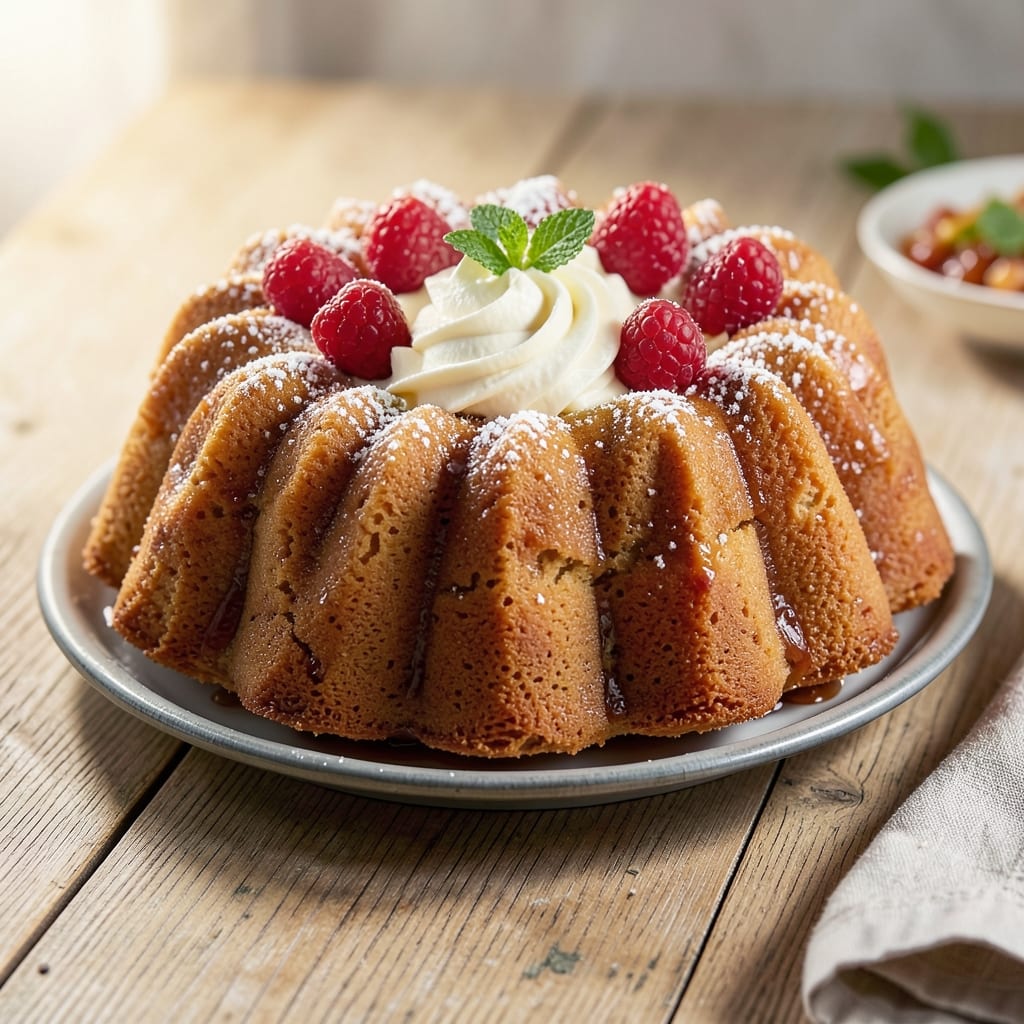
This 10-inch Bundt cake recipe delivers dramatic vanilla buttercream rivers and a perfectly moist crumb—no special skills required. The secret lies in a precise mix of ingredients and a foolproof baking technique that prevents sticking while creating that signature dramatic presentation. I've perfected this recipe after years of testing, ensuring every layer stays tender and the buttercream swirls stay luscious.
The key to success begins with proper greasing and flouring of the Bundt pan—this prevents sticking and creates that beautiful golden finish. You'll work with a simple batter of flour, sugar, eggs, and butter, but the magic happens in the baking process at 350°F for 50-60 minutes. A toothpick test confirms doneness, while letting it cool gradually preserves that perfect moist texture.
What makes this recipe stand out is the buttercream filling that creates those stunning rivers when poured while the cake is still warm. The contrast between the tender cake and creamy frosting makes every slice feel special. This cake is perfect for celebrations, family gatherings, or when you want to impress with a restaurant-quality dessert that's surprisingly simple to make.
Once baked and cooled, you'll have a showstopping cake that's just as delicious as it looks. The buttercream rivers create visual drama while adding a sweet, creamy element that complements the vanilla cake perfectly. Serve with fresh berries or a sprinkle of powdered sugar for an extra touch of elegance.
Ingredients for 10 inch bundt cake
Twelve essential ingredients for a showstopping Bundt cake with dramatic buttercream rivers.
| Ingredient | Amount | Notes |
|---|---|---|
| All-Purpose Flour 🌾 | 2 ½ cups | Sifted for even texture |
| Granulated Sugar 🍚 | 2 cups | White or light brown |
| Unsalted Butter 🧈 | 1 cup | Room temperature, cubed |
| Large Eggs 🥚 | 4 whole | Room temperature, separated |
| Milk 🥛 | 1 cup | Whole milk preferred |
| Vanilla Extract 🌿 | 2 tsp | Pure vanilla extract |
| Baking Powder 🧂 | 2 tsp | Diamond Crystal preferred |
| Salt 🧂 | ½ tsp | Fine sea salt |
| Vegetable Oil 🫒 | ¼ cup | For greasing pan |
| All-Purpose Flour 🌾 | 2 tbsp | For dusting pan |
| Powdered Sugar 🍚 | 4 cups | For buttercream |
| Unsalted Butter 🧈 | 1 ½ cups | Room temperature, softened |
| Vanilla Extract 🌿 | 2 tsp | For buttercream |
| Heavy Cream 🥛 | ¼ cup | Optional for extra richness |
The flour and sugar are the foundation—Bob's Red Mill all-purpose flour gives the best texture, and Domino sugar ensures consistent sweetness. Room-temperature butter and eggs are critical; cold butter creates lumps, while room-temperature eggs blend smoothly. For the vanilla, McCormick pure extract is my go-to—it's reliable and affordable. The baking powder is non-negotiable here; Diamond Crystal has more lift than other brands, which is key for that tender crumb. Grease the pan thoroughly with vegetable oil, then dust with flour—this prevents sticking and ensures easy release. I always double-check the pan is oiled in all crevices, especially the intricate designs.
No vanilla extract? Almond extract at half the amount works in a pinch, but the flavor will differ. Running short on butter? Coconut oil works too, though it adds a subtle coconut note. For the buttercream, powdered sugar matters—Domino brand dissolves smoothly, while store-brand versions can clump. Heavy cream is optional but adds luxurious body; Hormel Heavy Whipping Cream is my top pick for stability. If you're making this ahead, prepare the batter and buttercream separately, then assemble just before pouring the rivers—this keeps everything fresh. The cake batter can be refrigerated overnight for a more even bake.
Store the cake in an airtight container at room temperature for up to 3 days—it actually tastes better the next day as the flavors meld. For longer storage, wrap tightly in plastic and refrigerate for up to 5 days. The buttercream can be made 2 days ahead and stored in the fridge; simply re-whip before using. To reheat, warm slices in the microwave for 10-15 seconds—the buttercream softens beautifully. Freezing isn't recommended for this recipe, as the texture can become grainy. Serve at room temperature for the best experience, and always let the cake cool completely before pouring the buttercream rivers.
Why You'll Love This Recipe
- No Mixer Needed: I swear by this recipe when I’m in a hurry—just whisk the eggs and sugar until fluffy, then fold in the dry ingredients. The butter and milk blend in like magic, and you end up with that perfect, tender crumb without a single bowl to scrub.
- Butter-Sugar Magic: That creamed butter and sugar combo? It’s the secret weapon—rich, smooth, and just sweet enough to make your taste buds dance. The eggs add structure while keeping it moist, so every slice feels like a hug.
- Birthday to Brunch: Between us, this cake is my go-to for any celebration—birthdays, showers, or even a lazy Sunday breakfast. The 10-inch size is perfect for sharing (or not), and it’s just as happy with a dusting of powdered sugar as it is with fresh berries.
- Budget-Friendly Indulgence: Five ingredients, zero fuss, and it costs less than takeout. The butter gives it that bakery-style richness, while the milk keeps it tender without breaking the bank. Plus, leftovers? They disappear faster than I can say “second cup of coffee.”
Step-by-step instructions for towering vanilla buttercream rivers
Master the art of bundt cake baking with these precise techniques for flawless texture and dramatic rivers.
Prepare the Cake Batter
Preheat your oven to 350°F and grease a 10-inch bundt pan thoroughly with the vegetable oil, then dust generously with the 2 tablespoons all-purpose flour, tapping out any excess. This double-layered approach prevents sticking and creates that coveted release from the pan.
In a large mixing bowl, combine the 2.5 cups all-purpose flour, 2 cups granulated sugar, 2 teaspoons baking powder, and 0.5 teaspoon salt. Whisk until evenly distributed—this ensures no pockets of dry ingredients remain. In a separate bowl, beat the 1 cup unsalted butter, 4 whole large eggs, 1 cup milk, and 2 teaspoons vanilla extract until smooth and creamy.
Gradually add the dry ingredients to the wet mixture, mixing on low speed until just combined. Overmixing develops gluten, which can make your cake dense. The batter should be thick but pourable—when you lift the whisk, it should leave a clean trail without streaks of flour. This is your target consistency for that perfect cake texture.
Bake the Cake to Perfect Doneness
Pour the batter into the prepared bundt pan and smooth the top with a spatula. Place the pan in the preheated oven and bake for 50-60 minutes, or until a toothpick inserted into the center comes out clean. The cake is ready when the top springs back gently when pressed and the edges pull away slightly from the pan.
I recommend checking for doneness at the 45-minute mark—bundt cakes can vary based on your oven's heat distribution. If the top browns too quickly, tent the pan loosely with aluminum foil to prevent over-browning while allowing steam to escape. The cake should have a golden hue and a slightly domed appearance at the top.
Remove the cake from the oven and let it cool in the pan for 10 minutes before inverting onto a wire rack. Tap the pan gently on the counter to loosen the cake, then invert carefully. The dramatic rivers and peaks will reveal themselves as it cools completely—this is where the magic happens. Allow the cake to cool completely before frosting to prevent melting the buttercream.
Prepare the Signature Buttercream
While the cake cools, prepare the buttercream by beating the 1.5 cups unsalted butter until light and fluffy—this should take about 3-4 minutes with an electric mixer. Gradually add the 4 cups powdered sugar, mixing on low speed to avoid a sugar cloud, then increase to medium speed until fully incorporated.
Add the 2 teaspoons vanilla extract and the 0.25 cup heavy cream (if using), mixing until smooth and creamy. The buttercream should be thick but pipeable—if it's too stiff, add a teaspoon of milk at a time until it reaches the perfect consistency. This step is crucial for achieving those smooth, glossy rivers that cascade down the cake.
For extra insurance against melting, chill the buttercream in the refrigerator for 15-20 minutes before frosting. This helps stabilize the fat content, making it easier to work with and preventing the frosting from sliding off the cake's dramatic peaks as it sits.
Frost and Decorate for Maximum Impact
Once the cake is completely cool, spread a thin layer of buttercream over the entire surface to create a "crust" that prevents the cake from absorbing moisture. This is a professional trick that ensures your final frosting stays in place. Let this layer set for 5 minutes before adding the final layer.
Pipe or spread the remaining buttercream over the cake, using a spatula to create smooth, even strokes. For the signature rivers, use a piping bag fitted with a small round tip to pipe lines of buttercream down the sides of the cake. Let the buttercream drip naturally—don't force it. This creates the dramatic effect that makes bundt cakes so visually stunning.
Work quickly but carefully, as the buttercream softens in warm temperatures. Once fully frosted, let the cake sit at room temperature for 30 minutes before slicing to allow the frosting to set properly. This final step ensures your cake holds its shape and presents beautifully when served.
Pro Tips For Making 10 Inch Bundt Cake
- Grease with Butter, Dust with Flour: The bundt pan’s ridges are no joke—skip the spray oil and use a pastry brush to coat the pan with melted butter first. Then dust with flour, tapping out the excess. I learned this the hard way when my first cake stuck like glue (yes, even with nonstick spray).
- Room-Temp Eggs and Butter: Cold butter and eggs from the fridge will make your cake dense and tough. Let both sit out for at least 30 minutes before mixing—your future self will notice the difference in texture. (I know, I know, but trust the process.)
- Don’t Overmix the Batter: Once you fold in the flour, stop after 15-20 strokes. Overmixing develops gluten, and your cake will turn out tough instead of tender. The batter should look just combined, not like pancake batter.
- Check Internal Temp at 325°F: Bundt cakes can look done but still be gummy inside. Insert an instant-read thermometer into the center—it should hit 205-210°F (a toothpick comes out clean but with moist crumbs, not wet batter). My grandmother swore by this, and she was right.
Common mistakes when making perfect results
Over-Greasing the Pan
Too much oil or butter in the pan can make your cake greasy and prevent the flour from sticking properly. I’ve seen beginners drown the pan in oil, thinking more is better—it’s not! Use just enough vegetable oil to coat the pan lightly, then dust with 2 tablespoons flour and tap out excess. This creates a thin, even barrier that prevents sticking without making the cake taste oily. 🧂
Underbaking or Overbaking
Bundt cakes are tricky—underbake them, and they’ll be gummy; overbake them, and they’ll dry out. The toothpick test is your best friend: insert it into the center, and if crumbs cling but no wet batter comes out, it’s done. I’ve ruined cakes by pulling them too soon (45 minutes) or leaving them in too long (65+ minutes). Aim for 50-60 minutes at 350°F and check at 45 minutes. If the top browns too fast, tent with foil.
Skipping the Cooling Step
Pouring buttercream on a warm cake is a recipe for disaster—it’ll melt and slide right off those dramatic peaks. Let the cake cool completely (at least 2 hours) before frosting. I know it’s tempting to slice into that warm, gooey goodness, but patience pays off. The buttercream needs a stable surface to create those signature rivers. If you’re in a hurry, chill the cake in the fridge for 30 minutes before frosting.
Overmixing the Batter
Mixing the batter too long develops gluten, which makes your cake tough instead of tender. Once the dry ingredients are fully incorporated, stop mixing—just combined is the goal. I’ve seen cakes turn out like dense pound cake because of overmixing. Use a spatula to fold gently if needed, and avoid high-speed mixing. The batter should coat the back of a spoon but still be pourable. 🥄
Using Cold Ingredients
Cold butter, eggs, or milk can create lumps in your batter, leading to an uneven texture. Always use room-temperature ingredients—let butter sit out for 1 hour, and eggs should be at room temp (about 30 minutes). I’ve had cakes with weird pockets or a greasy texture because of cold ingredients. If you’re short on time, place butter in a warm (not hot) water bath for 10 minutes to soften it properly.
Ignoring the Buttercream Chill
Skipping the 15-20 minute chill for your buttercream can make it too soft to pipe cleanly, especially in warm kitchens. I’ve had buttercream slide off the cake or pool at the bottom because it wasn’t stable enough. Chilling firms up the fat, giving you better control for those smooth rivers. If your kitchen is warm, pop the buttercream in the fridge for 20 minutes before using—it’ll thank you later. ❄️
Nutrition facts
Frequently asked questions about 10-Inch bundt cakes
Can I make this recipe in a different-sized bundt pan?
Yes, but baking times may vary. For a 6-inch pan, reduce baking time to 30-40 minutes, while a 12-inch pan may need 60-75 minutes. Always check for doneness with a toothpick. The batter volume stays the same, but the height changes dramatically—adjust accordingly.
How do I prevent the cake from sticking to the pan?
Use vegetable oil to coat the pan thoroughly, then dust with 2 tablespoons flour and tap out excess. For extra insurance, use a Bundt pan release spray before the oil-flour method. The key is a thin, even layer—not too much oil or flour, which can make the cake greasy or dry.
Can I substitute buttercream with another frosting?
Try cream cheese frosting or ganache for a richer flavor. For ganache, mix 1 cup heavy cream with 8 oz dark chocolate, then chill until thickened. The rivers won't be as dramatic, but the flavor will be decadent. Adjust sweetness to taste.
Why does my bundt cake collapse when cooling?
Collapse usually happens from overmixing or underbaking. Mix just until combined, and bake until a toothpick comes out clean. Another culprit? Opening the oven door too soon—this causes sudden temperature drops. Let the cake cool in the pan for 10 minutes before inverting. Patience prevents pancake-shaped disasters!
How far ahead can I prepare the cake?
Bake the cake 1 day ahead and store it in an airtight container at room temperature. The buttercream can be made 2 days ahead and refrigerated. Re-whip the frosting before using, and let the cake sit at room temperature for 30 minutes before frosting. This actually improves flavor as the cake mellows!