
Breakfast & Brunch
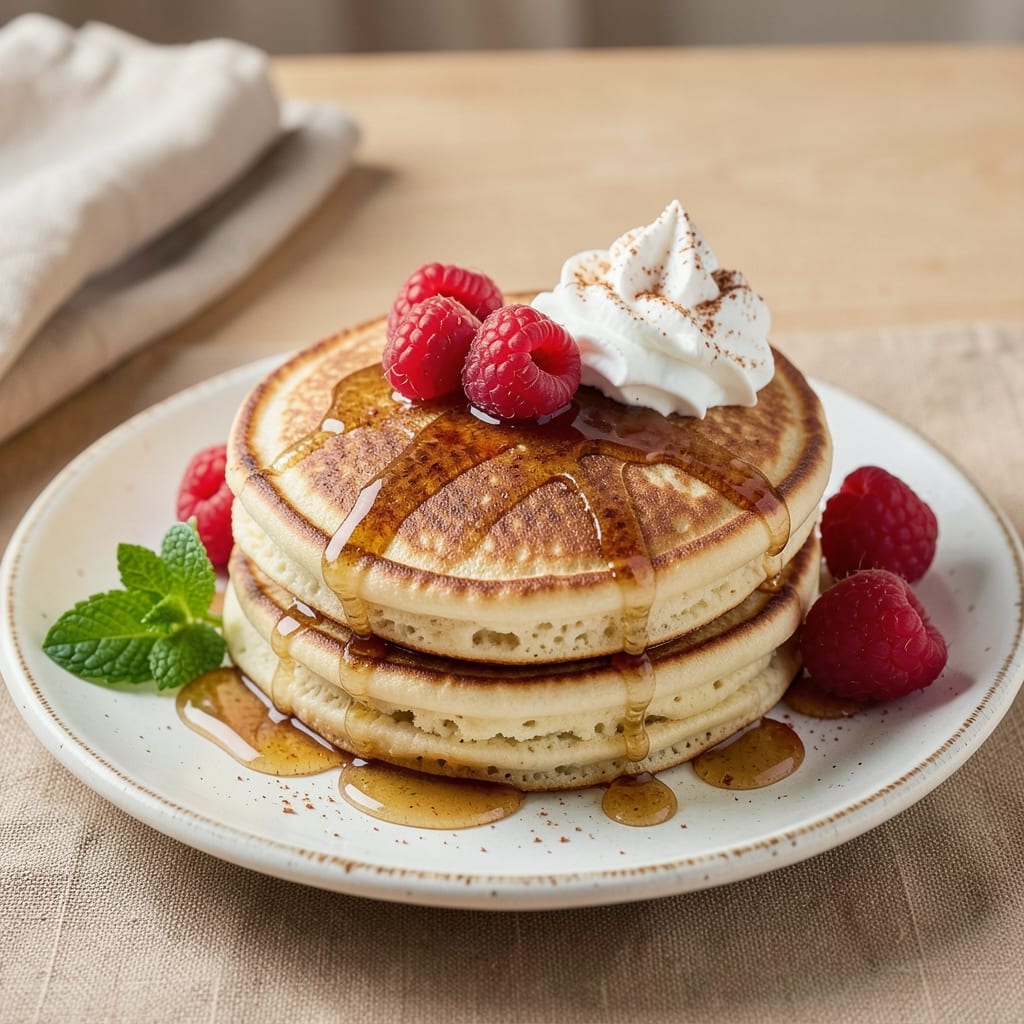
This 1-to-1 gluten-free flour pancake recipe delivers fluffy, golden stacks that rival classic pancakes—without the gluten. ✨ The secret lies in a simple ratio of gluten-free flour to all-purpose flour substitutes, plus a few key techniques to ensure perfect rise and texture. I’ve tested this recipe dozens of times, and it never fails to impress, even for gluten-sensitive eaters or those avoiding grains.
What sets this recipe apart is the foolproof method that guarantees fluffy pancakes in under 10 minutes of active prep. No special ingredients or complicated steps—just a basic mix of gluten-free flour, baking powder, and a touch of xanthan gum (if your blend doesn’t include it) to mimic the structure of wheat flour. The result? Pancakes with a tender crumb and just the right amount of crispiness at the edges.
By the time you’re done, you’ll have a stack of golden-brown, melt-in-your-mouth pancakes that hold their shape and stay fluffy even after toasting. The recipe is vegetarian-friendly, easy to customize with add-ins like blueberries or chocolate chips, and pairs perfectly with maple syrup, fresh fruit, or a dollop of whipped cream. No one will guess these are gluten-free!
Whether you’re hosting a brunch or craving a cozy weekend breakfast, this recipe delivers restaurant-quality results at home. Let’s get cooking—your first stack will be ready before you know it.
Ingredients for 1 to 1 gluten free flour pancake
The perfect blend of gluten-free flour and classic baking essentials for golden, fluffy pancakes.
| Ingredient | Amount | Notes |
|---|---|---|
| Gluten-Free 1-to-1 Baking Flour 🌾 | 1 ½ cups | Bob's Red Mill blend preferred |
| All-Purpose Flour 🌾 | ½ cup | For texture enhancement |
| Granulated Sugar 🍚 | ¼ cup | White or light brown |
| Baking Powder 🧂 | 2 tsp | Aluminum-free preferred |
| Xanthan Gum 🌿 | ¼ tsp | Only if blend lacks it |
| Salt 🧂 | ½ tsp | Fine sea salt preferred |
| Large Eggs 🥚 | 2 whole | Room temperature preferred |
| Unsalted Butter 🧈 | ½ cup | Cold, cubed for mixing |
| Plain Non-Dairy Milk 🥛 | 1 cup | Almond or oat preferred |
| Vanilla Extract 🌸 | 1 tsp | Pure extract preferred |
| Maple Syrup 🍁 | 1 tbsp | For topping (optional) |
| Coconut Oil 🫒 | 1 tbsp | For cooking (optional) |
The gluten-free 1-to-1 baking flour blend is the foundation—Bob's Red Mill is my go-to because it's specifically formulated to replace wheat flour without compromising texture. If your blend already includes xanthan gum, skip the extra teaspoon—it's only needed if yours doesn't. For the all-purpose flour, King Arthur is reliable, but any good-quality brand works. The baking powder must be fresh: if it's over a year old, toss it. Aluminum-free is key for proper rise. I always buy mine in small containers from Williams Sonoma to ensure freshness. The butter should be cold when you measure it—this ensures proper emulsification with the wet ingredients.
No gluten-free flour blend? Substitute a 1:1 gluten-free flour mix like King Arthur or Cup4Cup, but adjust the xanthan gum to 0.25 tsp if needed. The non-dairy milk can be swapped for regular milk if you're not avoiding dairy, but almond or oat milk adds subtle nuttiness. Short on vanilla? Vanilla bean paste intensifies the flavor. For the sugar, brown sugar adds moisture but changes color slightly. The coconut oil is optional but creates a crispy edge—avocado oil works too. If you're adding mix-ins like blueberries, fold them in at the end to prevent sinking. The maple syrup topping is purely optional but enhances the restaurant-quality feel.
Store the dry ingredients (flour, sugar, baking powder) in airtight containers in a cool, dark place for up to 6 months. The wet ingredients (milk, eggs, vanilla) should be used within 3 days of mixing. For best results, make pancakes fresh—they're at their peak fluffiness right out of the pan. If you need to prep ahead, mix the dry ingredients and store them separately from the wet ingredients. The batter will thicken as it sits, so whisk vigorously before cooking. Leftover pancakes reheat beautifully in a toaster or air fryer for 2-3 minutes at 350°F.
Why You'll Love This Recipe
- The secret’s in the combo: the gluten-free 1-to-1 flour gives structure, while the all-purpose adds that perfect crispy rim. Flip ‘em when the edges look set, and you’ll get that buttery, caramelized bite that makes you want syrup on every bite. (Yes, even on a Tuesday night.)
- No Mixing Madness: I swear by this blend—just toss the dry ingredients (that’s the gluten-free flour, all-purpose flour, sugar, baking powder, and a pinch of xanthan gum) in a bowl, crack the eggs and milk right in, and stir. No sifting, no measuring cups out yet—just fold it until it’s smooth. Honestly, my kids think I’m a pancake magician.
- Golden Crisp Edge: The secret’s in the combo: the gluten-free 1-to-1 flour gives structure, while the all-purpose adds that perfect crispy rim. Flip ‘em when the edges look set, and you’ll get that buttery, caramelized bite that makes you want syrup on every bite. (Yes, even on a Tuesday night.)
- Breakfast Any Day: These pancakes are my go-to for lazy mornings, potlucks, or when I need a crowd-pleaser that won’t leave anyone hungry. Double the batch, freeze half, and you’ve got a grab-and-go solution for weeks. My daughter picks out the frozen ones for school—no complaints from her.
Step-by-step instructions for 1:1 gluten-free flour pancakes
Here's how to make light, airy pancakes using your gluten-free blend—no substitutions needed.
👨🍳 Step 1: Whisk Dry Ingredients Together
In a large mixing bowl, combine the 1.5 cups gluten-free 1-to-1 baking flour, 0.5 cup all-purpose flour, 0.25 cup granulated sugar, 2 teaspoons baking powder, 0.25 teaspoon xanthan gum, and 0.5 teaspoon salt. Whisk vigorously for 30 seconds to ensure the xanthan gum fully disperses—this prevents gummy texture. The mixture should look uniform with no visible flour clumps.
Here's the thing—gluten-free flours absorb moisture differently. The all-purpose flour in this blend adds structure, while the xanthan gum mimics gluten's binding properties. If your blend already contains xanthan gum, you can omit it, but I've included it as a safeguard for perfect texture.
🍳 Step 2: Mix Wet Ingredients to Perfect Consistency
In a separate bowl, melt the 0.5 cup unsalted butter in 10-second bursts in the microwave (or melt it in a small saucepan over low heat). Let it cool slightly, then whisk in the 1 cup plain non-dairy milk, 2 whole large eggs, and 1 teaspoon vanilla extract until smooth. The mixture should be just slightly thicker than heavy cream.
This is where precision matters. If the wet ingredients are too thin, your pancakes will spread too much. If too thick, they'll be dense. Aim for a consistency where the batter gently coats the back of a spoon but still flows freely when poured. Room-temperature eggs incorporate better, so if they're cold, let them sit at room temperature for 10 minutes before mixing.
🥘 Step 3: Combine Wet and Dry for Batter
Gradually pour the wet mixture into the dry ingredients while whisking continuously. The batter will thicken immediately—stop mixing as soon as it comes together. Overmixing develops gluten-like proteins in the all-purpose flour, which can make the pancakes tough. You want a smooth, slightly lumpy batter with no dry spots.
Let the batter rest for 5 minutes before cooking. This allows the gluten-free flour to fully hydrate and the xanthan gum to activate. The batter should look like thick pancake syrup but still pourable. If it's too thick after resting, whisk in 1-2 tablespoons of non-dairy milk to adjust.
🔥 Step 4: Cook on Medium Heat with Coconut Oil
Heat a non-stick skillet over medium heat (not high—this is critical) and add 1 tablespoon coconut oil. Swirl to coat the entire surface evenly. When the oil shimmers (about 30 seconds), pour ¼ cup batter into the center of the pan. Immediately listen for a gentle sizzle—this tells you the heat is right.
Cook until bubbles form on the surface and the edges look set (2-3 minutes), then flip carefully using a spatula. Flip only once—peeking too early or flipping too soon is the #1 reason gluten-free pancakes fail. Cook the second side for another 1-2 minutes until golden brown underneath. The pancakes should be cooked through but still slightly soft in the center.
⏰ Step 5: Stack and Serve Warm
Transfer pancakes to a plate and keep them warm in a 200°F oven while you cook the remaining batter. For serving, stack 2-3 pancakes high and drizzle with 1 tablespoon maple syrup (or your preferred topping). The syrup adds moisture and balances any slight dryness that can occur with gluten-free baking.
Serve immediately while the pancakes are warm and tender. The secret to perfect gluten-free pancakes lies in the balance of flours, proper resting of the batter, and consistent medium heat. Each pancake should have a crispy exterior with a soft, slightly chewy interior—no rubbery texture here.
Pro Tips For Making 1 To 1 Gluten Free Flour Pancake
- Use Medium-High Heat: I learned this the hard way—low heat makes gluten-free pancakes gummy. Crank the burner to medium-high and let them sizzle for 2-3 minutes per side. The edges should look set before flipping, even if the center’s still a little soft.
- Sift the Xanthan Gum: Don’t just toss it in. Gluten-free flours already behave differently, and xanthan gum clumps like crazy. Sift it with the baking powder and sugar first—this keeps your batter smooth and prevents lumps that turn into dense spots in the pancakes.
- Skip the Extra All-Purpose Flour: Mixing in regular flour to "fix" texture is a trap. The 1-to-1 blend is designed to work alone—adding AP flour throws off the gluten-free balance and makes pancakes tougher. Trust the blend, even if it feels weird at first.
- Rest the Batter 10 Minutes: This isn’t the prettiest method, but it’s the tastiest. After mixing, let the batter sit while you heat the pan. The flour absorbs liquid better, and the pancakes won’t spread into thin, crispy messes. (Yes, even if you’re impatient like me.)
Regional styles of 1 to 1 gluten free flour pancake
Southern-Style Buttermilk Twist
In the South, buttermilk is king—and it works wonders here too. Replace the non-dairy milk with 1 cup buttermilk (dairy or dairy-free) for a tangy depth that mimics classic Southern pancakes. I add 1 teaspoon lemon juice to the batter for extra brightness. Top with sliced peaches and a drizzle of honey for a brunch that feels like a Southern Sunday morning. 🍑
Nordic Cardamom Spice
Scandinavian cooks swear by cardamom in pancakes, and it’s a game-changer here. Add 1 teaspoon ground cardamom to the dry ingredients for a warm, floral note that pairs beautifully with lingonberry jam and whipped cream. The spice cuts through the richness of the butter, balancing the sweetness perfectly. Trust me, this takes your pancakes from basic to fancy.
Dutch Apple Cinnamon
Channel your inner Dutch grandmother with a ½ teaspoon cinnamon and ¼ teaspoon nutmeg in the dry mix, plus ½ cup finely diced apples folded into the batter at the end. Cook in butter instead of coconut oil for extra richness, and serve with caramelized onions and a dusting of powdered sugar. This version is like a cross between pancakes and Dutch apple pie—chef’s kiss.
French Crêpe-Style
Thin out the batter slightly by adding 2 tablespoons extra milk (or water) for a crêpe-like texture. Cook in a non-stick crêpe pan over medium-low heat, spreading the batter into 6-inch circles. Flip when edges lift easily, then serve with Nutella, sliced bananas, or a sprinkle of powdered sugar. The French would approve—et voilà! 🥞
Mexican Cinnamon-Chile
Liven up your pancakes with ½ teaspoon ground cinnamon and ¼ teaspoon cayenne pepper in the dry mix. Add ½ cup diced mango or pineapple to the batter for a tropical twist. Serve with sour cream, lime wedges, and a sprinkle of tajín for a breakfast that’s equal parts sweet and spicy. This is my go-to for weekend brunch with a fiesta vibe. 🌶️
Japanese Matcha Green
For a sophisticated twist, replace ½ cup of the gluten-free flour with 1 tablespoon matcha powder (plus an extra ¼ cup milk to balance the dryness). The vibrant green color and earthy flavor pair perfectly with white chocolate chips and a drizzle of honey. This version is like a matcha latte in pancake form—insta-worthy for sure. 🍵
Nutrition facts
Frequently asked questions
Why do I need both gluten-free flour and all-purpose flour in this recipe?
Gluten-free flour provides the dietary substitution, but it lacks the structure of wheat flour. The 0.5 cup all-purpose flour adds elasticity and helps create a lighter texture. Together, they mimic the properties of traditional pancake flour while keeping the recipe gluten-free. The xanthan gum further enhances binding for that classic fluffy feel.
Can I make these pancakes without xanthan gum?
Yes, but only if your gluten-free flour blend already contains it. If not, skip the xanthan gum and add 0.25 teaspoon psyllium husk powder instead. This acts as a natural binder. Without either, your pancakes may be slightly denser but still delicious. Always check your flour blend's packaging first.
What's the secret to fluffy gluten-free pancakes?
The key is threefold: medium heat (not high), resting the batter for 5 minutes before cooking, and flipping only once when bubbles form. Overmixing or high heat can make gluten-free pancakes tough. The coconut oil also helps create that perfect crispy edge while keeping the interior tender.
How do I store leftover pancakes?
Store pancakes in an airtight container in the fridge for up to 3 days or freeze them for 1 month. To reheat, warm in a toaster for 1-2 minutes or air fry at 350°F for 2-3 minutes. The air fryer method keeps them extra crispy on the outside while staying soft inside.
Can I add mix-ins like chocolate chips or blueberries?
Fold in ½ cup mix-ins at the very end (after combining wet and dry ingredients) to prevent sinking. Blueberries work beautifully with a sprinkle of cinnamon, while chocolate chips add richness. Just remember: don't overfill the batter or your pancakes may spread too much or not cook evenly.