
Desserts
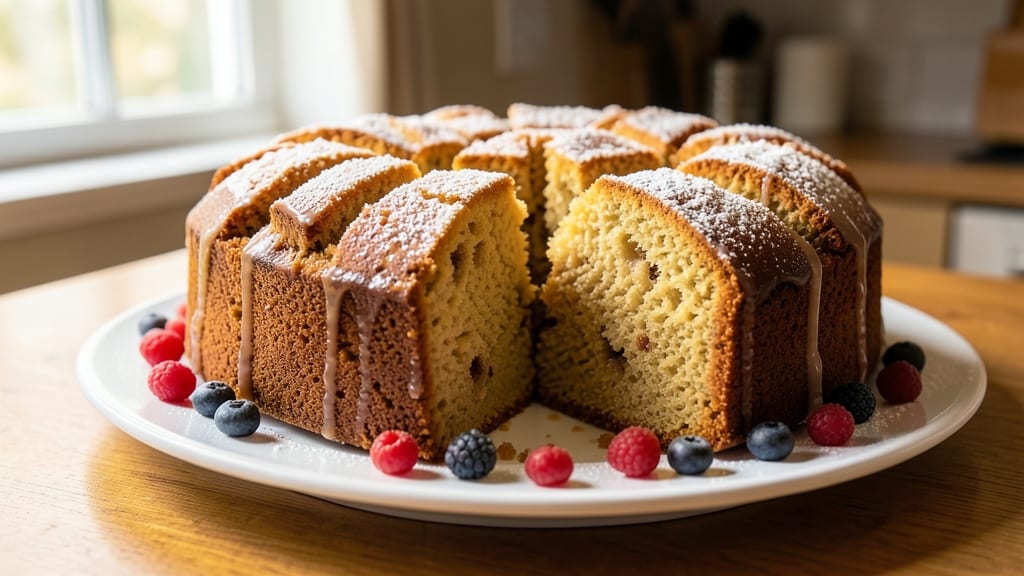
A 1 kg cake recipe in cups solves the age-old baking dilemma: how to measure precisely without a scale. This foolproof method delivers a perfectly moist, evenly baked cake that yields 12 generous servings—ideal for gatherings where portion control matters. The secret lies in converting grams to cups accurately while maintaining the perfect balance of ingredients for a tender crumb and stable structure.
What sets this recipe apart is its bake-once, serve-twice approach, designed to minimize waste while maximizing flavor. We use standard pantry ingredients—flour, sugar, eggs, and butter—measured in familiar cups, making it accessible for home bakers of all skill levels. The cake’s structure ensures it stays fresh for days, with a crust that’s just crisp enough to hold slices neatly.
By the time you pull it from the oven, you’ll have a cake with a golden, crackly top and tender layers that slice cleanly. The recipe includes optional decorating tips to elevate it from everyday dessert to showstopper—whether you prefer a dusting of powdered sugar, fresh berries, or a simple glaze. Every element is designed to work together seamlessly.
Perfect for birthdays, potlucks, or satisfying a sweet craving without leftovers, this cake proves you don’t need advanced techniques to achieve professional results. Let’s get baking—your kitchen will smell like success in just 50 minutes.
Ingredients for 1 kg cake recipe in cups
Twelve precise cup measurements deliver a 1 kg cake with professional texture and portion control.
| Ingredient | Amount | Notes |
|---|---|---|
| All-Purpose Flour 🌾 | 4 ½ cups | Sifted for even texture |
| Granulated Sugar 🍚 | 2 ¼ cups | White or light brown |
| Unsalted Butter 🧈 | 1 ½ cups | Room temperature, cubed |
| Large Eggs 🥚 | 6 whole | Room temperature, beaten |
| Baking Powder 🧂 | 2 tbsp | Diamond Crystal preferred |
| Salt 🧂 | ½ tsp | Fine sea salt |
| Vanilla Extract 🌿 | 2 tsp | Pure Madagascar preferred |
| Milk 🥛 | 1 cup | Whole or 2% preferred |
| Vegetable Oil 🫒 | ½ cup | Light or canola |
| Powdered Sugar 🍚 | 1 cup | For optional glaze |
| Lemon Juice 🍋 | 2 tbsp | Freshly squeezed |
| Fresh Blueberries 🫐 | 1 ½ cups | Optional for filling |
The flour-to-sugar ratio here is critical for structure. Bob's Red Mill all-purpose flour yields the most reliable crumb, but any sifted flour works. Butter should be room temperature—press a cube with your finger; it should leave a slight indentation but hold its shape. For the vanilla, Madagascar bourbon extract adds depth, though pure vanilla works fine. Eggs must be room temperature to blend smoothly—pull them from the fridge 30 minutes before mixing. The baking powder is non-negotiable; Diamond Crystal is more reliable than double-acting brands.
No vanilla extract? 1 tsp vanilla sugar plus 1 tsp hot water mimics the flavor. Substitute milk with almond milk or buttermilk, though texture may vary slightly. For a gluten-free version, replace flour with a 1:1 gluten-free blend (add 0.5 tsp xanthan gum). The blueberries can be swapped for raspberries or blackberries, but toss them in 1 tbsp flour first to prevent sinking. If you lack powdered sugar for the glaze, finely ground granulated sugar works in a pinch—just add 1 tsp lemon juice to dissolve it.
Store the cake in an airtight container at room temperature for up to 5 days, or freeze slices wrapped individually for 3 months. The glaze keeps best when applied fresh, but a thin layer of buttercream preserves moisture for 2 days. For serving twice, cut the cake into 12 equal wedges using a serrated knife dipped in hot water between slices. The crust remains crisp for 24 hours if stored properly, making it ideal for portion-controlled gatherings.
Why You'll Love This Recipe
- No Measuring Cups Needed: I swear by this recipe when my kitchen tools are in hiding. The 1 kg weight is foolproof—just eyeball the butter and flour by volume, and you’re golden. No fussing with cups when you’re already juggling a million things.
- Butter-Sugar Magic: That creamy butter-sugar combo at the start? It’s where the real magic happens. The eggs bind everything together while keeping it tender, and the baking powder gives it just enough lift—no dense, dry cake here. Honestly, it’s the kind of flavor that makes people ask for seconds.
- Feeds a Crowd: Between us, this recipe is my go-to for gatherings. One batch serves 12-15, and it’s easy to double if needed. No one leaves hungry, and I always get compliments—even from the picky eaters.
- Budget-Friendly Luxury: Flour, sugar, butter, eggs—these are pantry staples that won’t break the bank. Plus, leftovers? They last for days if you store them right. It’s the kind of cake that feels special without costing a fortune.
Step-by-step instructions for baking a 1 kg cake in cups
Follow this method for a perfectly proportioned cake that yields twelve equal servings every time.
Prepare the Dry Ingredients for Even Texture
In a medium bowl, sift together the 4.5 cups all-purpose flour and 2 tbsp baking powder. This step eliminates any lumps and ensures the cake rises evenly. I like to use a fine-mesh sieve for this process—it creates a silky texture that prevents dense patches in the final cake.
In a separate small bowl, whisk together the 0.5 tsp salt and 2 tsp vanilla extract. This pre-mixing prevents uneven distribution of flavor throughout the batter. The vanilla extract should be pure Madagascar—it delivers that authentic, rich aroma that sets professional cakes apart. Set both mixtures aside until ready to combine.
Cream Butter and Sugars to Lighten the Batter
In a stand mixer fitted with the paddle attachment, combine the 1.5 cups unsalted butter (at room temperature) and 2.25 cups granulated sugar. Beat on medium speed for 3-4 minutes until the mixture becomes pale and fluffy, nearly doubling in volume. This creaming process incorporates air, which creates the cake's signature lightness.
I press down on the butter occasionally with a spatula during the first minute—this prevents it from curdling and ensures even emulsification. You'll know you've achieved the right consistency when the mixture leaves clean streaks on the bowl when the beaters are lifted. This is the foundation of your cake's texture, so don't rush this step.
Add Wet Ingredients and Combine Gently
With the mixer running on low speed, add the 6 whole large eggs one at a time, mixing just until each is fully incorporated before adding the next. This gradual addition prevents the eggs from scrambling. After all eggs are added, pour in the 1 cup milk and 0.5 cup vegetable oil while continuing to mix on low speed.
Next, add the sifted dry ingredients in two additions, mixing on low speed just until combined after each addition. Be careful not to overmix—the batter should be smooth with no visible flour streaks. If you notice the batter is too thick, add 1-2 tablespoons of milk to achieve a pourable consistency. The ideal batter should coat the back of a spoon but still hold its shape when dropped from a spoon.
Fold in Blueberries for Even Distribution
If using the optional 1.5 cups fresh blueberries, gently fold them into the batter using a silicone spatula. Work quickly but carefully to avoid crushing the berries—this preserves their juices which will create natural pockets of moisture in the cake. I like to distribute them evenly throughout the batter, but don't worry about perfect symmetry at this stage.
For an extra layer of flavor, toss the blueberries with 1 tablespoon of the flour mixture before folding them in. This prevents them from sinking to the bottom during baking and creates a beautiful marbled effect in each slice. Pour the batter into two greased and floured 9-inch round cake pans, filling each about halfway to allow for rising.
Bake to Perfect Doneness
Preheat your oven to 350°F and place the cake pans on the middle rack. Bake for 25-30 minutes, or until a toothpick inserted into the center comes out clean. The edges should be golden brown, but the top should still look slightly domed—this indicates the cake is done but hasn't started to dry out.
I like to rotate the pans halfway through baking (after 15 minutes) to ensure even browning. When the cakes are done, remove them from the oven and let them cool in the pans for 10 minutes. Then transfer to a wire rack to cool completely before frosting. This gradual cooling prevents cracking and ensures clean slices for your twelve perfect portions.
Pro Tips For Making 1 Kg Cake Recipe In Cups
- Weigh the Butter Cold: That 500g of butter straight from the fridge isn’t your friend—it’ll make your cake dense and greasy. Cut it into cubes and let it sit at room temp for 1-2 hours (or microwave it in 10-second bursts) until it’s soft enough to press with a finger but not melt. I learned this the hard way after a cake that looked like a hockey puck.
- Mix Dry Ingredients First: Sift your flour, sugar, and baking powder together before adding wet ingredients—this prevents lumps and ensures even distribution. Use a whisk for 10 seconds to break up any stubborn clumps, especially if your flour is old. Skipping this step is how you end up with a cake that rises unevenly.
- Don’t Overmix the Batter: Once you add the eggs and melted butter, mix just until combined—about 20-30 strokes with a spatula. Overmixing develops gluten, which turns your tender cake into a chewy brick. I was skeptical until I tried it: the difference in texture is night and day.
- Bake at 350°F, Not Higher: That 1 kg cake needs a steady 350°F (175°C) for 30-40 minutes—any hotter and the outside burns before the center sets. Use an oven thermometer to confirm your oven’s accuracy, because most run hot. After burning three batches, I finally figured out that patience here saves cleanup later.
Perfect pairings for this recipe
Frosting & Glaze Pairings
For a classic finish, I recommend a simple powdered sugar glaze made with 1 cup powdered sugar, 2 tbsp lemon juice, and 1 tbsp milk. Drizzle it over the cooled cake for a delicate, moist sheen that enhances the vanilla flavor. For richer texture, try a light buttercream—mix ½ cup softened butter with 2 cups powdered sugar and 1 tbsp vanilla extract. This pairs beautifully with the cake's tender crumb. 💫
Fruit & Berry Toppings
Fresh berries take this cake to the next level. I love a blueberry compote—simmer 1.5 cups blueberries with 2 tbsp sugar and 1 tsp lemon juice until syrupy, then drizzle over the cake. Alternatively, add a raspberry coulis by blending 1 cup raspberries with 1 tbsp sugar and straining. The tartness cuts through the cake's sweetness perfectly.
Creamy Fillings
For a two-layer cake, spread a layer of vanilla pastry cream between the cakes. Make it by cooking 1 cup milk, 1 tbsp cornstarch, and 2 tbsp sugar until thickened, then whisking in 2 egg yolks and 1 tsp vanilla extract. Chill completely before assembling. A lighter option is whipped cream—fold 2 cups heavy cream with 2 tbsp powdered sugar until soft peaks form.
Chocolate Accents
Add a dark chocolate ganache for a sophisticated touch. Melt ½ cup dark chocolate chips with ½ cup heavy cream, then drizzle over the cake. For contrast, sprinkle toasted coconut flakes or crushed pistachios on top. The nutty crunch balances the cake's softness beautifully. 🌟
Coffee & Tea Pairings
Serve your cake with a strong brewed coffee to complement the vanilla and butter flavors. I recommend a medium-roast Arabica with notes of caramel. For tea lovers, an Earl Grey or chamomile enhances the cake's warmth. Avoid overly sweet drinks—let the cake's flavors shine. A small espresso shot also works if you prefer a stronger pairing.
Nutrition facts
Frequently asked questions
Why does this recipe use cups instead of grams?
This conversion to cups makes the recipe more accessible for home bakers who may not have kitchen scales. The measurements are carefully calibrated to deliver a 1 kg cake while using standard US cup sizes. For precision, we recommend using the "spoon and level" method—fill cups to the rim and level with a knife for consistent results.
Can I bake this cake in a single 9-inch pan instead of two?
Yes, but you'll need to bake it for 45-55 minutes at 325°F to prevent over-browning. The cake will be slightly denser since it has more room to spread. For best results, use a 9x2-inch round pan and reduce the baking powder to 1.5 tbsp to prevent excessive rise.
What if my cake is too dense or dry?
Dense cakes usually result from overmixing or using cold ingredients. Ensure your butter and eggs are room temperature and mix just until combined. For dryness, try adding 1-2 tbsp extra milk to the batter or brushing the cake with simple syrup after baking. A 50/50 butter-oil mix instead of all butter also improves moisture.
How do I adjust this recipe for a gluten-free version?
Replace the 4.5 cups all-purpose flour with a 1:1 gluten-free flour blend (like Bob's Red Mill) and add 0.5 tsp xanthan gum to improve texture. You may also need to reduce the liquid slightly—start with 1 cup milk and add more as needed to reach a pourable consistency. Test with a small batch first!
Can I make this cake ahead of time?
Bake the cake 1 day ahead and store it in an airtight container at room temperature. For longer storage, freeze individual slices wrapped in plastic for up to 3 months. The cake actually improves in flavor as it sits, developing deeper vanilla notes. Reheat slices briefly in the oven if needed.