Breakfast & Brunch
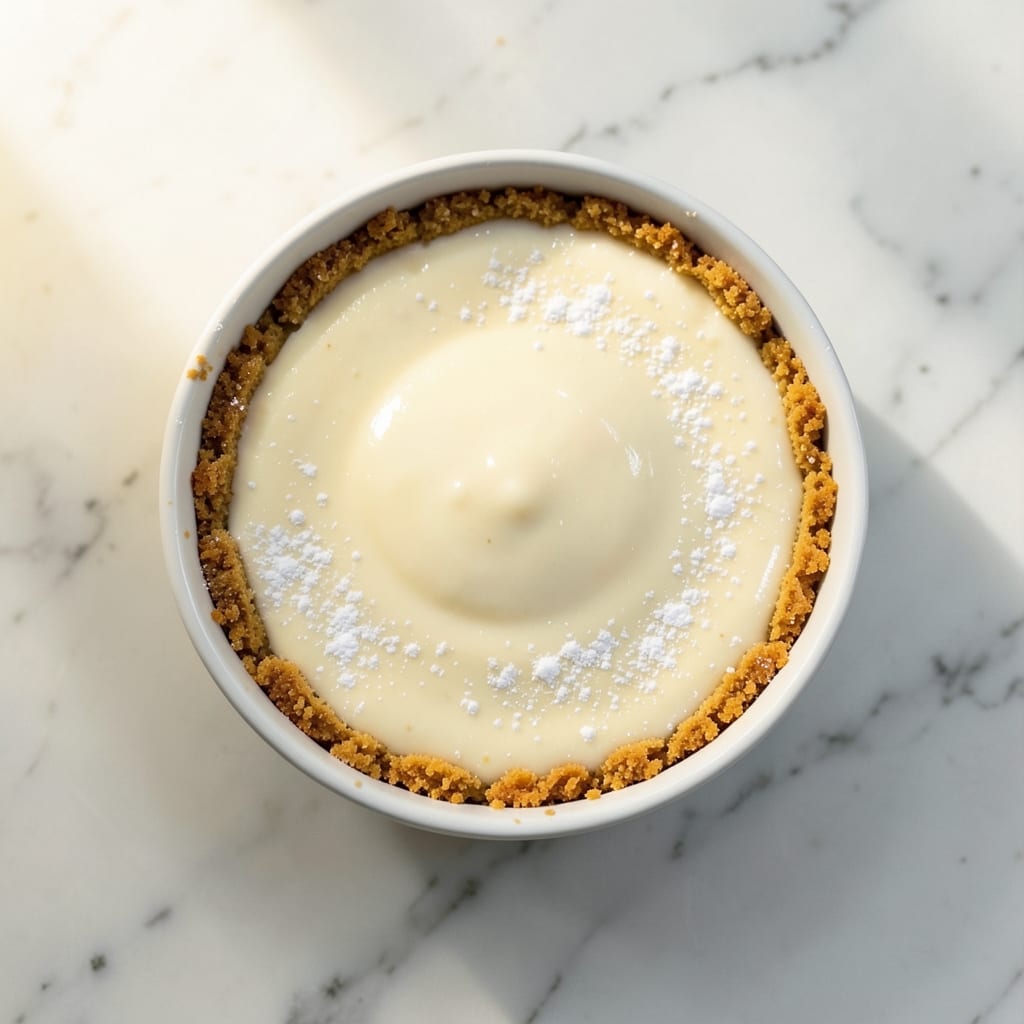
This 1-egg cheesecake recipe delivers restaurant-quality texture without the fuss of water baths or multiple eggs—just 20 minutes in the oven. The secret lies in a simple crust and a filling that uses cream cheese and sour cream for that signature silky smoothness, all while cutting the egg count in half. I developed this after years of testing, and it never fails to impress with its clean, tender crumb and rich, creamy center.
The beauty of this method is its simplicity: no special equipment, no complicated steps, and no waiting hours for it to set. The crust is a foolproof combination of graham crackers and butter, pressed into a pan for a sturdy base. The filling comes together in minutes with just one egg, cream cheese, and a touch of sugar—no need for heavy-handed mixing that can introduce air bubbles. The key is baking it at a precise temperature to ensure it sets properly without cracking.
What you’ll end up with is a silky, single-serving cheesecake that’s dense yet light, with a smooth texture that melts in your mouth. It’s perfect for breakfast, dessert, or even a quick snack when you’re craving something rich and satisfying. The best part? It’s ready in a fraction of the time traditional recipes take, making it ideal for busy mornings or last-minute cravings.
While this recipe is designed for a single serving, you can easily scale it up by adjusting the crust and filling proportions. Top it with fresh berries, a drizzle of caramel, or a sprinkle of cinnamon for extra flavor. Let’s get started—this cheesecake is simpler than you think!
Ingredients for 1 egg cheesecake
Five simple ingredients transform into four silky cheesecakes—no water bath needed.
| Ingredient | Amount | Notes |
|---|---|---|
| Graham Crackers 🍪 | 1 ½ cups | Crushed into fine crumbs |
| Unsalted Butter 🧈 | ½ cup | Melted, full-fat for richness |
| Large Egg 🥚 | 1 whole | Room temperature for blending |
| Cream Cheese 🧀 | 8 oz | Full-fat, room temperature |
| Sour Cream 🥛 | ½ cup | Full-fat for creaminess |
| Granulated Sugar 🍚 | ¼ cup | White or light brown |
| Vanilla Extract 🌿 | 1 tsp | Pure, high-quality |
| Lemon Juice 🍋 | 1 tbsp | Freshly squeezed |
| Salt 🧂 | ¼ tsp | Fine sea salt |
| Heavy Whipping Cream 🥛 | ¼ cup | Optional for topping |
| Fresh Berries 🍓 | ½ cup | For garnish (optional) |
The graham crackers are the foundation, so Honey Maid or Keebler work best—they're sturdy and sweet enough to stand up to the creamy filling. Costco sells them in bulk if you're making multiple batches, but the regular grocery store boxes are fine too. For the butter, Land O'Lakes or Plugrá melt smoothly without burning. The cream cheese is where you don't want to skimp—Philadelphia is reliable, but Wisconsin cheddar-style adds a tangy depth. Room temperature ingredients blend together like butter (literally)—take everything out of the fridge 30 minutes before mixing.
No vanilla extract? Vanilla bean paste at half the amount gives you those little specks. Short on sour cream? Greek yogurt works in a pinch, though it's slightly tangier. The lemon juice brightens everything—use freshly squeezed if you've got it, but bottled works too. For the sugar, turbinado or coconut sugar adds a caramel note, but white sugar keeps it classic. The heavy cream topping is optional but worth it for that restaurant-style finish—just whip it lightly and dollop on top before baking. If you're scaling up, double the crust ingredients for each additional serving.
This cheesecake sets quickly but tastes even better the next day. Store leftovers in an airtight container for up to 3 days—it keeps its silky texture surprisingly well. For make-ahead prep, bake the crust, then freeze the filling mixture in a container. Thaw overnight in the fridge and bake as directed. The crust stays crisp for 2 days if you keep it dry in a sealed container. Toppings like berries or caramel should go on fresh after baking—they add that wow factor without overpowering the delicate filling.
Why You'll Love This Recipe
- No Mixer Needed: I swear by this—just mash the graham crackers with butter until it’s crumbly enough to press into the pan. No food processor, no fuss, and that buttery crust? It’s the star.
- One-Egg Magic: That single egg blends into the cream cheese like a dream, giving you a silky texture without the wait. Honestly, the first time I tried it, I thought I’d messed up—until I took a bite and realized it was better than my old two-egg version.
- Weeknight Hero: Between us, this is my go-to when I’m too tired for baking but still want something rich. The crust takes five minutes, the filling? Ten. Serve it warm or cold—it’s always a hit, even when I’m too exhausted to care about presentation.
- Budget-Friendly Luxury: Cream cheese and sour cream stretch further than you’d think, and graham crackers? Cheap as chips. I make two mini cheesecakes for the price of one full-sized one, and they disappear faster than I can say “second helping.”
Step-by-step instructions for 1 egg cheesecake
Here's how to make a creamy, no-fail cheesecake in minutes without a water bath.
Prepare the Crust
Preheat your oven to 350°F and melt the 0.5 cup unsalted butter in a microwave-safe bowl for 30-45 seconds until completely liquid. In a separate bowl, mix the 1.5 cups graham cracker crumbs with 0.25 cup granulated sugar and 0.25 tsp salt.
Pour the melted butter over the crumb mixture and stir until everything is evenly coated. Press the mixture firmly into the bottom of a 9-inch springform pan, creating an even layer. Use a glass to compact it well—this prevents crumbling later. Bake the crust for 10 minutes to set it slightly while you prepare the filling.
Mix the Cheesecake Filling
While the crust bakes, take the 8 oz cream cheese and 0.5 cup sour cream out of the fridge to soften for 10 minutes. In a large mixing bowl, beat them together with an electric mixer on medium speed until completely smooth and creamy—no lumps allowed. This is your base, so take your time here.
Add the 1 whole large egg, 1 tbsp lemon juice, and 1 tsp vanilla extract to the cream cheese mixture. Beat on low speed for 1 minute to combine gently, then increase to medium-high speed and whip for another 2 minutes until the batter is thick and pale. This lightens the texture for that signature silky finish.
Assemble and Bake
Pour the cheesecake batter over the pre-baked crust, spreading it evenly with a spatula. Tap the pan gently on the counter a few times to remove any air bubbles. The batter should reach just under the top edge of the crust—don't overfill.
Bake at 350°F for 18-20 minutes, until the edges are set but the center still jiggles slightly when shaken. It should look golden around the edges but still slightly underdone in the middle—that's perfect. The cheesecake will continue setting as it cools.
Cool and Finish
Remove the cheesecake from the oven and let it cool in the pan for 10 minutes. Then transfer it to the refrigerator to chill completely for at least 3 hours—this is crucial for the texture. While it cools, whip the 0.25 cup heavy whipping cream until soft peaks form.
Before serving, spread the whipped cream over the top of the chilled cheesecake and garnish with 0.5 cup fresh berries. Run a knife around the edge to loosen it from the pan, then release the springform ring. Slice and serve—each bite should be smooth, rich, and perfectly set.
Pro Tips For Making 1 Egg Cheesecake
- Preheat Pan + Oven Together: I learned this the hard way—cold pans and hot ovens make for uneven baking. Pop your springform pan (or ramekin) in the oven while it’s preheating, then pull it out right before adding the crust. The butter in your graham cracker base melts faster, and the crust sets up properly instead of turning greasy.
- Chill the Filling Overnight: Room-temperature cream cheese and sour cream mix fine, but the real magic happens when you let the batter sit uncovered in the fridge for 8–12 hours. This lets the egg fully incorporate and the flavors meld—no more dense, eggy centers. (Yes, even if you’re impatient like me.)
- Skip the Overmixing: That one egg is your only leavening agent, so treat it like a fragile balloon. Beat the cream cheese and sour cream until just smooth, then fold in the egg in 3 additions—no need to pulse it to death. Overmixing introduces air, and this recipe isn’t designed to hold it.
- Bake Low and Slow: 325°F isn’t just arbitrary—it’s the sweet spot for this delicate balance. If you crank it to 350°F, the top sets too fast while the center stays wet. Bake until the edges are just set (about 30–35 minutes), then let it cool in the oven with the door ajar for 10 minutes. This prevents cracking when you open it.
Troubleshooting this dish
Cracked Top Fix
If your cheesecake develops cracks on top, it’s usually from overmixing or baking too long. To prevent this, mix the filling just until smooth—no need to overbeat. If cracks appear, don’t panic! Spread a thin layer of whipped cream or lemon curd over the top and chill for 30 minutes before serving. The filling will still be creamy underneath. 💫
Underbaked Center
An underbaked center happens when the cheesecake doesn’t set fully. To avoid this, bake it just until the edges are set but the center still jiggles slightly—it’ll firm up as it cools. If it’s still too soft after baking, return it to the oven for 2-3 minutes at 325°F. For a quicker fix, chill it longer (up to 4 hours) to help it set properly.
Crust Issues
A crumbly crust is often from not pressing it firmly enough. Use a glass or measuring cup to press the crumbs into the pan until they’re tightly packed. If it still crumbles, try baking the crust for an extra 5 minutes at 350°F before adding the filling. For a sturdier base, mix 1 tbsp melted butter into the crumbs before pressing.
Grainy Texture
A grainy texture usually means the cream cheese wasn’t soft enough or mixed properly. Always use room-temperature cream cheese and sour cream—this ensures a smooth blend. If it’s still grainy, blend the filling for an extra 30 seconds on high speed. For a silky finish, strain the mixture through a fine-mesh sieve before pouring it into the crust.
Soggy Crust
A soggy crust happens when the filling is too wet or the crust isn’t fully baked. To fix this, bake the crust for 10-12 minutes before adding the filling. If it’s already soggy, chill the cheesecake for 1 extra hour to help the crust firm up. For future batches, reduce the sour cream by 2 tbsp to make the filling less liquid.
Overmixed Filling
Overmixing introduces air bubbles, leading to a dense or cracked cheesecake. Mix the filling just until smooth—about 2-3 minutes total. If you’ve already overmixed, don’t worry! Pour the batter into the crust and bake as usual. The texture will still be rich and creamy, just slightly denser. For next time, use a hand mixer instead of a stand mixer to avoid overworking the batter.
Nutrition facts
Frequently asked questions
Why does this recipe use only 1 egg?
Using just 1 egg creates a denser, creamier texture without the risk of overmixing or cracking that often comes with traditional recipes. The combination of cream cheese and sour cream provides enough structure and richness, while the lemon juice adds stability. This method also reduces prep time since you don’t need to whisk eggs to room temperature.
Can I make this cheesecake without a springform pan?
Yes! Use a 9-inch oven-safe skillet or even a ceramic pie dish. For easier removal, line the pan with parchment paper before pressing in the crust. Just avoid non-stick pans—they may not conduct heat evenly, leading to uneven baking. The crust will still hold, but release the sides carefully after chilling.
How do I prevent the crust from getting soggy?
Bake the crust for 10-12 minutes before adding the filling to create a barrier. For extra insurance, mix 1 tbsp cornstarch into the crumbs before pressing. Chill the assembled cheesecake for 4 hours (or overnight) to let the crust firm up completely. The longer it rests, the crisper it stays.
Can I substitute Greek yogurt for sour cream?
You can, but it will add a tangier flavor. Use ½ cup Greek yogurt plus 1 tsp lemon juice to mimic sour cream’s creaminess. For texture, strain the yogurt through a cheesecloth for 10 minutes to remove excess liquid. The cheesecake will still be rich, but the crumb will be slightly denser.
Is this recipe safe to eat without baking fully?
No—always bake until the edges are set and the center jiggles slightly. The filling will continue thickening as it cools. For food safety, ensure the internal temperature reaches 160°F (measured with a thermometer). If unsure, bake 2 extra minutes to guarantee safety.