
Desserts
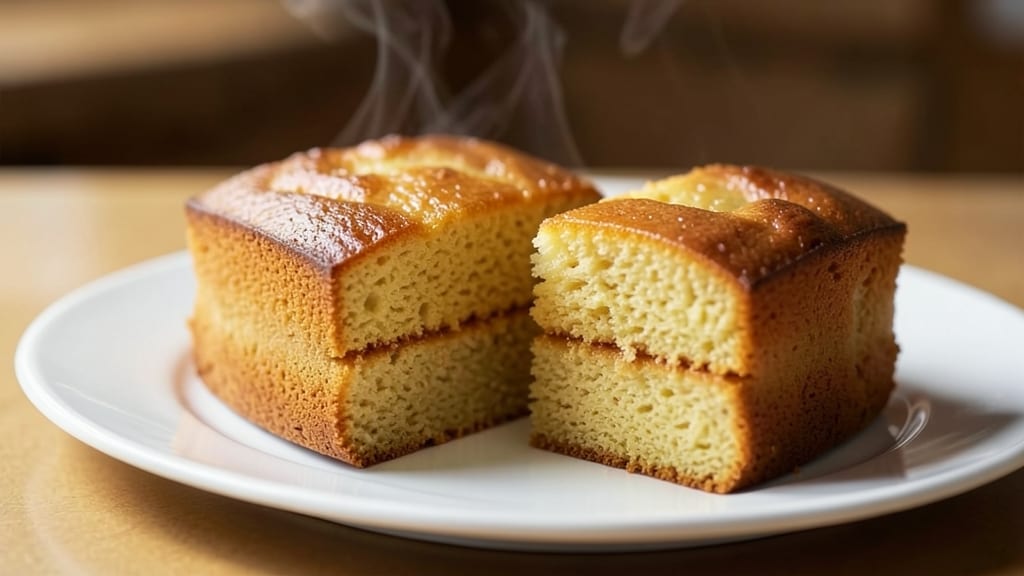
This 1-egg cake mix recipe transforms a simple box into layers of moist vanilla perfection—no extra eggs or complicated steps required. The secret lies in a few strategic adjustments that create a tender crumb and rich flavor without overmixing, ensuring every slice stays soft and delicious. I perfected this method after years of baking with limited ingredients, and it never fails to impress. What sets this recipe apart is the one-bowl technique, which eliminates extra dishes and keeps the process streamlined. You'll add just enough liquid to achieve the perfect batter consistency—neither too thick nor too thin—for even baking and a consistent texture. The result is a cake that stays moist for days, not dry by afternoon. By the time it emerges from the oven, you'll have golden layers with a fine crumb and subtle vanilla flavor that's hard to resist. The beauty of this method is its versatility: use it for birthdays, showers, or even as a base for frosting experiments. No special skills needed—just patience and a few simple adjustments. Ready in under 45 minutes, this cake delivers restaurant-quality results with minimal effort. Whether you're baking for a celebration or craving a treat, this recipe proves that great desserts don’t require complicated methods—just the right techniques. Let’s get started!
Ingredients for 1 egg cake mix
Transform your standard cake mix into moist vanilla perfection with just one egg and these essential ingredients.
| Ingredient | Amount | Notes |
|---|---|---|
| Vanilla Cake Mix 🍰 | 1 box | Standard 15.25 oz boxed mix |
| Large Eggs 🥚 | 1 whole | Room temperature preferred |
| Unsalted Butter 🧈 | ½ cup | Melted, full-fat for moisture |
| Milk 🥛 | ¾ cup | Whole milk for richness |
| Vegetable Oil 🫒 | ¼ cup | Light, neutral flavor |
| Pure Vanilla Extract 🌿 | 1 tbsp | High-quality, not imitation |
| Granulated Sugar 🍚 | ¼ cup | For additional sweetness |
| All-Purpose Flour 🌾 | ¼ cup | Sifted for even texture |
| Baking Powder 🍃 | ½ tsp | Freshly measured |
| Salt 🧂 | ¼ tsp | Fine sea salt |
| Powdered Sugar 🍚 | 1 cup | For frosting, sifted |
| Heavy Whipping Cream 🥛 | ½ cup | Cold, for frosting |
The cake mix serves as your foundation, but the real magic happens with the butter and milk. For optimal results, use Land O'Lakes unsalted butter and whole milk—both contribute to a richer, more tender crumb. If you're concerned about butter burning, melt it just until it pools, then let it cool slightly before adding to the mix. The vanilla extract should be Heinz pure vanilla or similar high-quality brand—imitation extracts lack the depth of flavor. Sift the all-purpose flour and baking powder together to prevent lumps and ensure even rising. I always buy my cake mix from Kroger or Publix—their vanilla flavor is consistently reliable for this technique.
No vegetable oil? Melted coconut oil works in a pinch, though it adds a slight coconut flavor. Running short on vanilla extract? Almond extract at half the amount provides a similar depth, though with a distinct nutty note. For a lighter texture, you can reduce the milk to 0.5 cup and add 0.25 cup plain Greek yogurt instead—this substitution keeps the cake moist without adding extra fat. If you prefer a sweeter cake, increase the granulated sugar to 0.5 cup. For the frosting, if you're avoiding dairy, coconut cream whipped to stiff peaks works beautifully, though the texture will be slightly softer.
Store the cake mix in an airtight container in a cool, dry place for up to 6 months. Once mixed, the batter should be used immediately, as it doesn't hold well for later baking. The finished cake keeps at room temperature for 2 days wrapped in plastic, or in the fridge for 5 days if you prefer longer storage. For the frosting, whip it just before serving—it holds its peaks for about 30 minutes at room temperature. To make ahead, bake the cake, let it cool completely, then wrap each layer in plastic wrap and store in the fridge. Frost just before serving for the best texture.
Why You'll Love This Recipe
- No Mix-Up Needed: Mixing this batter takes all of two minutes—just crack that egg right into the dry mix, add the melted butter and milk, and stir. Honestly, the hardest part is waiting for the oven to preheat.
- Moisture Locked In: That single egg plus the oil keeps it ridiculously tender—no dry crumb here. The butter adds a subtle richness that vanilla cake mix alone can’t pull off, and it stays soft for days.
- Weeknight Magic: Bake it for breakfast muffins, dinner rolls, or even a quick dessert—just shape it differently. I’ve used leftover batter to make mini cakes for my kid’s birthday (no one suspected it was from a box).
- Pantry Staple Hack: You’re already using ingredients you own: butter, milk, eggs. No specialty items, no extra shopping. And if the cake lasts more than a day? Toss it in a toaster for French toast—trust me, it’s genius.
Step-by-step instructions for moist vanilla layers in one bowl
Master this one-bowl technique for consistently tender, moist layers with minimal cleanup.
Melt Butter and Combine Wet Ingredients
In a large mixing bowl, melt the 0.5 cup unsalted butter over low heat in the microwave or a heatproof bowl set over simmering water. Let it cool slightly, then stir in the 0.75 cup milk, 0.25 cup vegetable oil, 1 tbsp pure vanilla extract, 0.25 cup granulated sugar, 0.5 tsp baking powder, and 0.25 tsp salt. Mix until the sugar dissolves completely and the mixture is smooth.
This step creates a homogenous batter foundation. The melted butter and oil ensure moisture retention, while the baking powder and salt balance flavor and texture. If the mixture appears too thin, you can proceed—this recipe relies on the cake mix's built-in structure for stability.
Add Egg and Mix Thoroughly
Crack the 1 whole large egg directly into the bowl and gently whisk it into the wet mixture using a rubber spatula. Avoid vigorous mixing at this stage—just enough to fully incorporate the egg without developing gluten in the dry ingredients we'll add next.
The egg acts as a binder and adds structure to the moist crumb. Room-temperature egg incorporates more smoothly, but if yours is cold, simply let the bowl sit for 5 minutes while you prepare the next step. This ensures even distribution without creating lumps.
Fold in Dry Ingredients and Cake Mix
Sift the 0.25 cup all-purpose flour over the wet mixture, then gently fold it in using a spatula in a circular motion. Add the 1 box vanilla cake mix and fold again until just combined—you should see no dry pockets remaining, but don't overmix. The batter will be thick but pourable.
This folding technique preserves the cake mix's leavening agents while integrating the additional flour for improved texture. Overmixing here would lead to dense, tough layers. If the batter appears too thick to pour, let it rest for 2 minutes before proceeding—this allows the flour to hydrate properly.
Bake in Prepared Pans
Preheat your oven to 350°F. Divide the batter evenly between two 8-inch round cake pans lined with parchment paper and lightly greased with butter. Pour the batter carefully—it's thick enough to hold shape but thin enough to spread evenly. Tap the pans gently on the counter to release any air bubbles.
Bake for 25-30 minutes until a toothpick inserted into the center comes out clean and the edges pull away slightly from the pan. The tops should be golden brown, but don't overbake—this is where moisture escapes. For even baking, rotate the pans halfway through the baking time if your oven has hot spots.
Prepare and Frost the Layers
Remove the cakes from the oven and let them cool in the pans for 10 minutes, then transfer to a wire rack to cool completely. While they cool, beat the 0.5 cup heavy whipping cream until soft peaks form, then gradually whisk in the 1 cup powdered sugar until smooth and glossy. This creates a stable, pipeable frosting that won't melt too quickly.
Once the cakes are completely cool, place one layer on a serving plate and spread a thin layer of frosting. Add the second layer and frost the top and sides completely. The frosting should create a smooth, even surface—use an offset spatula to achieve clean edges. For extra moisture, you can also brush the layers with a simple syrup made by dissolving 2 tablespoons granulated sugar in 2 tablespoons hot water before frosting.
Pro Tips For Making 1 Egg Cake Mix
- Melt Butter Slowly: If you dump cold butter straight into the mix, you’ll end up with lumps that fight you every step of the way. Microwave it in 10-second bursts until just melted—it’ll cool slightly and blend smoother. (Yes, even if you’re impatient like me.)
- Use Room-Temp Eggs: Cold eggs from the fridge will make your batter thicker than intended, and the cake might turn out dense. Let them sit in warm water for 5 minutes first—just enough to loosen them up without turning them into a warm bath.
- Don’t Overmix the Batter: Once you add the milk, mix just until combined. Overworking it introduces too much air, which can cause the cake to sink or develop a tough texture. Stop when there’s a few streaks of flour left—your future self will thank you.
- Grease the Pan Twice: This isn’t the prettiest method, but it’s the tastiest. First, rub butter all over the pan, then brush a thin layer of vegetable oil over it. The butter adds flavor, and the oil ensures nothing sticks—especially important when you’re cutting back on eggs.
Serving suggestions for this 1 egg cake mix
Classic Presentation
Serve this cake on a gold-rimmed cake stand for an elegant touch—it instantly elevates the presentation. For a rustic vibe, use a wooden cake board and scatter fresh raspberries or blueberries between the layers. I love adding a sprinkle of powdered sugar on top for that bakery-fresh look. 🍰
Frosting Variations
Swap the buttercream for cream cheese frosting by mixing 4 oz softened cream cheese with 0.5 cup butter, 1.5 cups powdered sugar, and 1 tsp vanilla. For a lighter option, try whipped coconut cream frosting—just chill a can of full-fat coconut milk overnight, scoop out the solid cream, and whip it with 0.5 cup powdered sugar. Both keep the cake moist while adding unique flavors.
Fruit Toppers
Layer sliced strawberries and kiwi between the cake layers for a fresh, vibrant contrast. I also love adding a drizzle of warm caramel sauce (store-bought or homemade) for a decadent touch. For a tropical twist, use mango purée or passion fruit pulp as a glaze—just brush it on the cooled cake layers before frosting.
Warm Spiced Syrup
Heat 0.5 cup orange juice with 2 tbsp brown sugar and 1 cinnamon stick until warm. Brush this syrup between the cake layers and over the top before frosting for a warm, citrusy aroma. This works especially well with chocolate frosting for a sophisticated dessert. The syrup also adds moisture that keeps the cake fresh for days. 🌿
Mini Cake Stacks
For parties, bake the batter in 4-inch round pans to create mini layers. Stack them on tiered cake stands with edible flowers or chocolate shavings for a stunning centerpiece. This approach lets guests enjoy individual portions without overcommitting to a full-sized cake. Plus, the smaller size bakes faster—just 18-22 minutes per layer.
Savory Pairings
Balance the sweetness with salted caramel popcorn on the side or a dark chocolate ganache drizzle. For a coffee lover’s touch, serve with espresso-infused whipped cream or a strong brew like Italian cappuccino. The bitterness of the coffee enhances the cake’s vanilla notes beautifully. 💫
Nutrition facts
Frequently asked questions
Can I use this recipe with other cake mix flavors?
This method works best with vanilla cake mix, but you can experiment with other flavors like chocolate or spice cake. For chocolate, reduce the granulated sugar to 0.125 cup since the mix already contains sugar. For spice mixes, add 0.5 tsp cinnamon or 0.25 tsp pumpkin pie spice to the wet ingredients for enhanced flavor. The one-egg technique maintains moisture regardless of flavor!
Why does my batter look too thick to pour?
This is normal! The recipe intentionally creates a thick batter that spreads evenly in the pan. If it seems too stiff, let it rest for 2-3 minutes—the flour will hydrate slightly. Tap the pans gently on the counter after pouring to release any air bubbles. Never add extra liquid, as this can make the cake dense. The thick batter actually helps create a tender crumb.
Can I make this cake in a single 9-inch pan instead of two 8-inch pans?
Yes, but adjust the baking time! Pour the batter into one 9-inch round pan and bake at 350°F for 30-35 minutes. The cake will be slightly shorter but still moist. For a taller cake, bake for 25 minutes, then add another 5 minutes if needed. Test with a toothpick—it should come out clean.
What if I don't have vegetable oil?
Use melted coconut oil or apricot jam (yes, really!) as substitutes. For coconut oil, use the same 0.25 cup measurement, but note it adds a subtle coconut flavor. For apricot jam, reduce to 0.2 tbsp—it adds moisture and sweetness while keeping the cake tender. Both work well in a pinch!
How do I fix a sunken center in my cake?
If the center sinks slightly, it's usually from overbaking. For future attempts, remove the cake when the toothpick comes out with a few moist crumbs (not wet batter). If it's already baked, slice off the sunken top and frost the remaining cake. For a quick fix, place the cake on a wire rack over a bowl, then gently press down on the sunken area with a spoon while warm—this can help restore some shape.